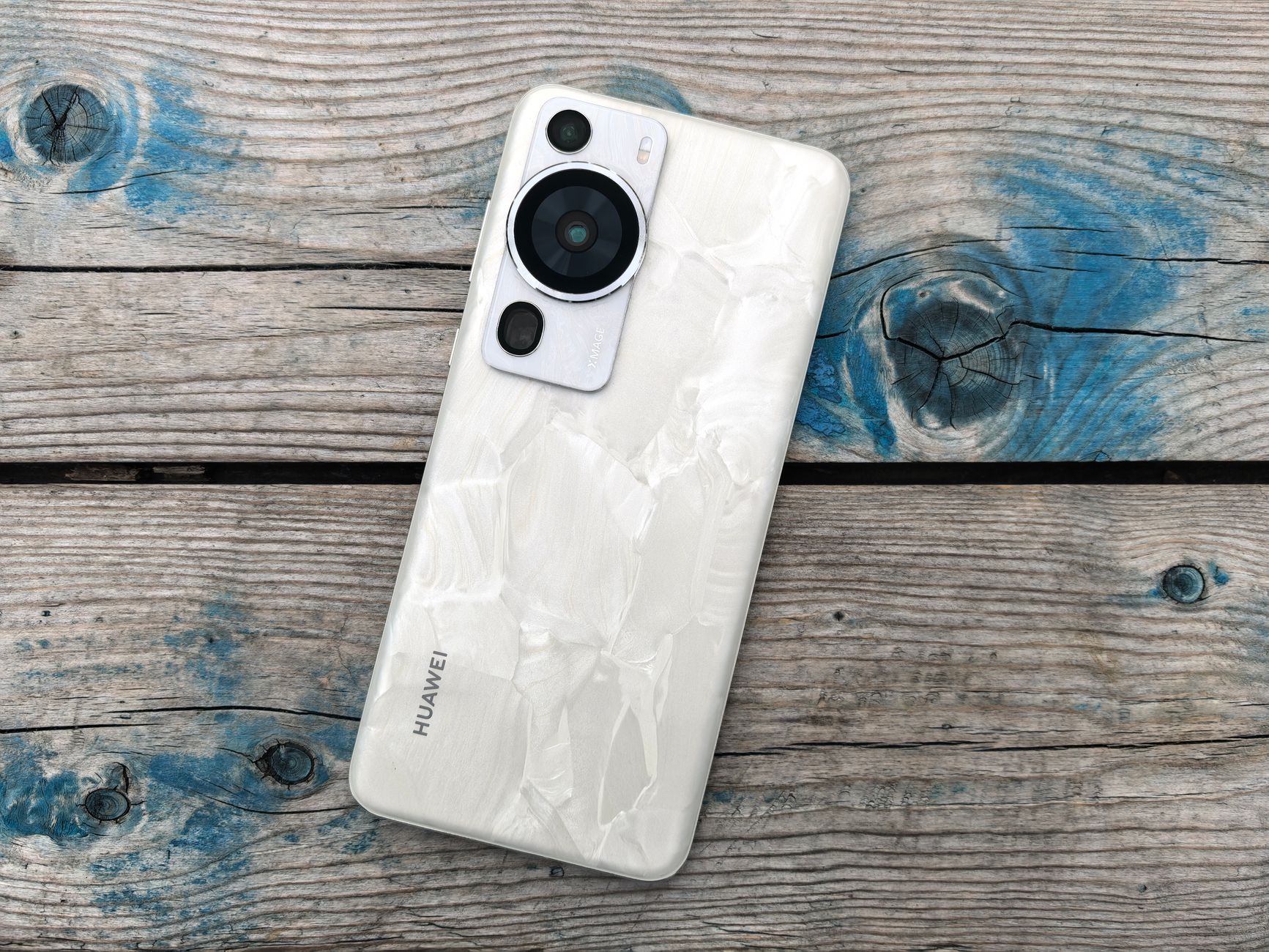
Huawei says its latest phone chip can run a 30-billion-parameter AI model entirely on the handset, with no cloud involved.
Models that size normally live in data centres. If Huawei’s claim holds, photo sorting, screen reading, and the Xiaoyi assistant could keep working offline, with nothing uploaded to a server.
The Gadgeteer’s explainer by Vincent Nguyen works through the claim. The model is Pangu 30B-A2B, a mixture-of-experts design: of its 30 billion parameters, only about 2 billion are active for each answer, so the other 28 billion stay idle. The Gadgeteer adds that 30 billion parameters at 16-bit precision would take about 60GB, several times the memory in any phone, so the weights are stored at lower bit widths.
Huawei says the 30B model needs under 2.5GB of extra memory and loads 25% faster than the previous generation’s arrangement. It also says memory use falls 75% against that baseline, and the new Da Vinci NPU’s AI performance is 140% above last generation’s.
What it does on the phone
The model is multimodal, so it can look at a photo and describe what’s in it. Huawei shows it powering AI screen reading, eye-tracked page turning, and a photo library that sorts itself on the device. According to The Gadgeteer, the chip also runs a 7B dense model and a 1B vision model for routine jobs.
Which phones have the chip
The Kirin 9050 Pro debuted in the Mate XT 2 tri-fold. The Mate 90 series followed in China on 1 October 2026.
| Phone | Chip | Notes |
|---|---|---|
| Mate XT 2 | Kirin 9050 Pro | First device with the chip |
| Mate 90 Pro Max | Kirin 9050 Pro | Sources differ on whether some configurations use the plain Kirin 9050 |
| Mate 90 Pro Max Collector’s Edition | Kirin 9050 Pro | |
| Mate 90 RS Ultimate Design | Kirin 9050 Pro | |
| Mate 90 Pro | Kirin 9035 | No 9050-family chip |
| Mate 90 | Kirin 9030 | No 9050-family chip |
For phones you can buy here today, see Tbreak’s best phones in the UAE.
Rivals are chasing the same goal. Qualcomm says its next Snapdragon flagship can run 30-billion-parameter models locally. Notebookcheck’s teardown says Apple uses a 20B-A4B on-device model, and that Huawei’s NPU still trails the latest competitors, so it activates a smaller share of its parameters.
Every performance figure here comes from Huawei, and TechRadar notes there’s no independent verification. Huawei hasn’t published the chip’s process node or a TOPS rating, so third-party testing will be the first real check on the 30B claim.