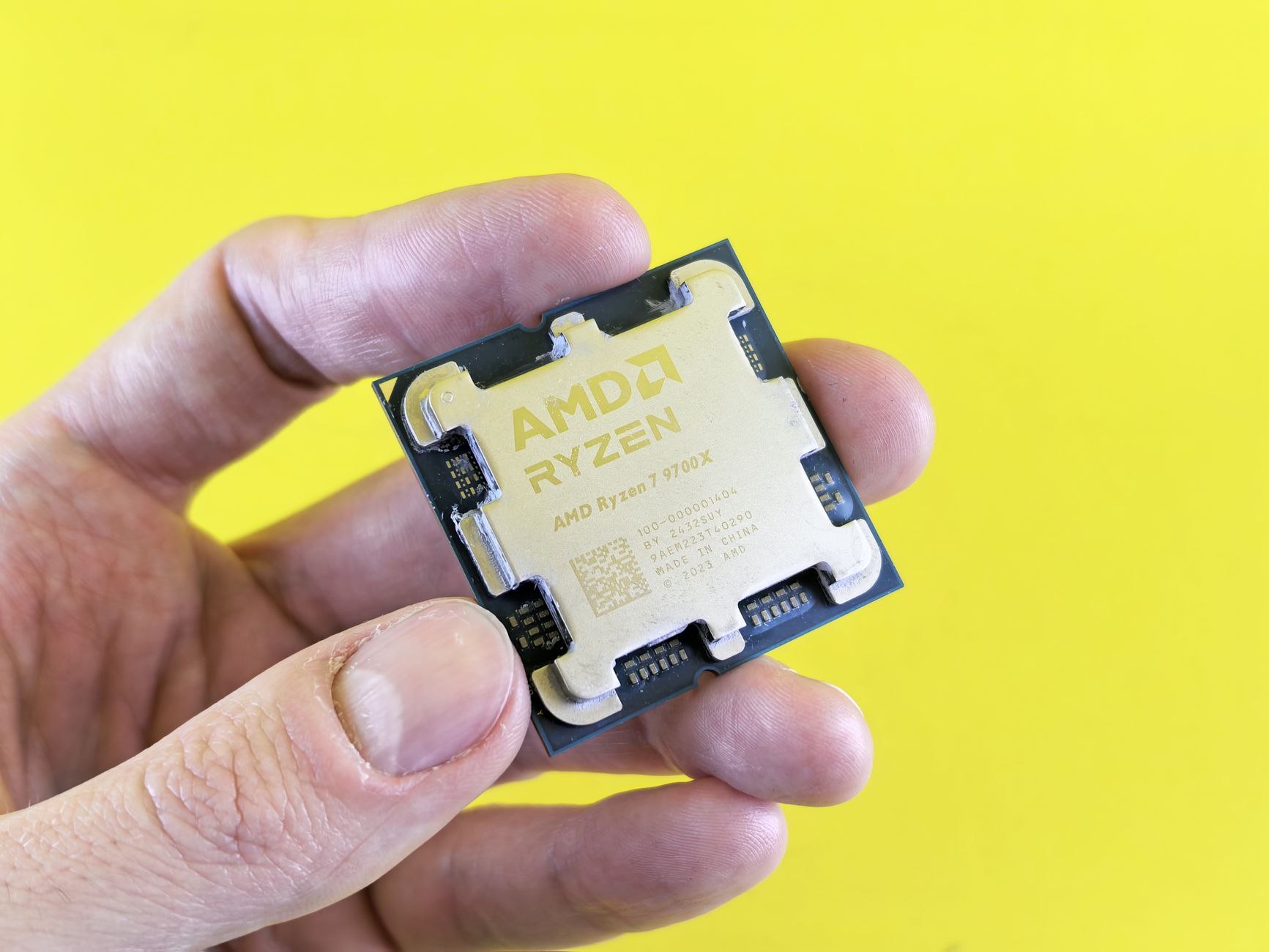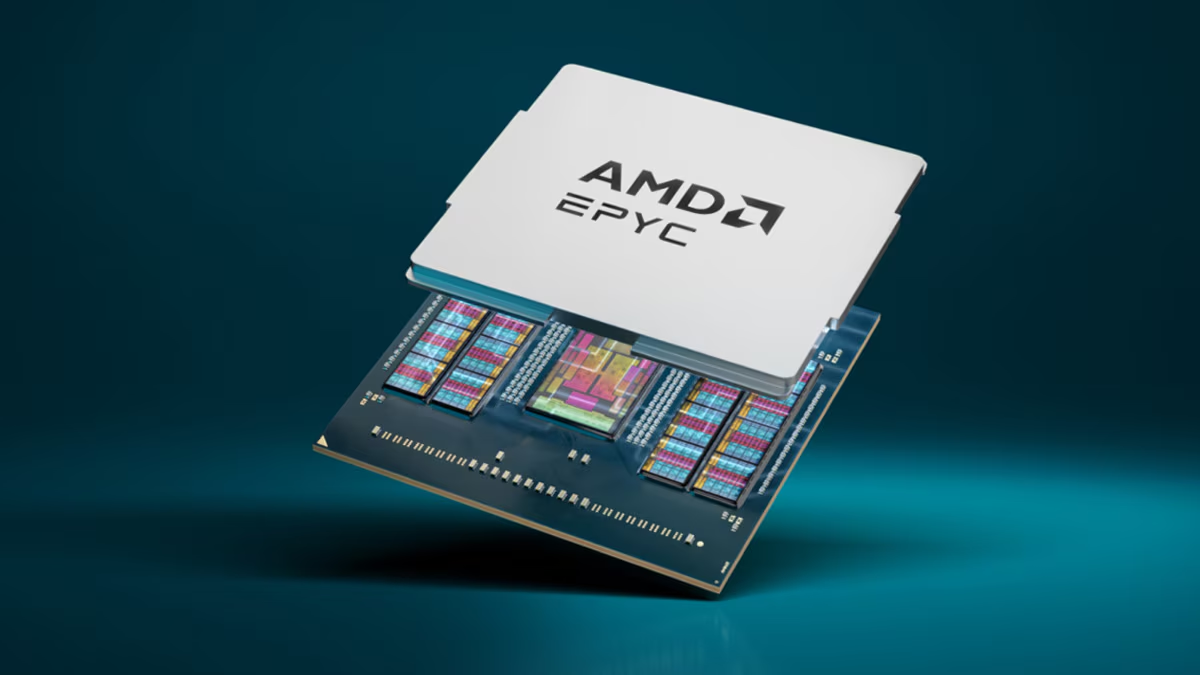
AMD’s 5th Gen EPYC processors are the host CPUs for Google Cloud’s TPU 8tx, the first cloud TPU with hardware-enforced confidential computing.
TheStreet says TPU 8t and TPU 8i, unveiled in April, run on Google’s own Arm-based Axion processor, so the choice stands out. AMD announced on 9 November that its 5th Gen EPYC processors power the host infrastructure for TPU 8tx, handling workload orchestration, data preparation, and high-throughput communication with the TPU accelerators.
The security change is the system’s focus. TheElec reports that until now, AMD’s SEV technology protected only the CPU and the memory directly connected to it. In TPU 8tx, AMD says SEV works with the TPU to extend that protection to connected accelerators. Data stays encrypted in CPU memory and in transit between the CPU and the TPU.
The most capable AI systems need a CPU foundation that can match the demands of the accelerators they host.
Dan McNamara, senior vice president and general manager, Compute and Enterprise AI, AMD
Google’s launch post describes TPU 8tx as built on the same silicon as TPU 8t. It’s aimed at regulated enterprises and governments running proprietary models alongside their most sensitive data. Google claims up to 2x lower latency than TPU 8t with a near-zero performance penalty, but those are its own figures. The company didn’t give pricing, regions, or availability dates. TechTimes says Google hasn’t said whether TPU 8tx relies on SEV-SNP. An AMD bulletin on a recent attack lists EPYC 9005 Series parts, the 5th Gen family, as affected. TechTimes says that describes the host CPU family, not a confirmed TPU 8tx design.
The news widens a long partnership. Google’s C4D, N4D, H4D, Z4D, and G4 virtual machines already run on EPYC. AMD says EPYC is the host CPU for more than 10 hyperscalers and AI labs, and it also supports systems with AMD Instinct GPUs, Nvidia GPUs, and custom silicon. Seoul Economic Daily reads the TPU 8tx win as a sign that AMD is closing in on Intel’s lead in server CPUs. ServeTheHome is more measured:
For AMD, this is probably not going to drive a 10% server CPU market share gain overnight.
ServeTheHome
Investors were less cautious. AMD closed at $508.58 on 9 November, up 13.26%, according to TheStreet, citing StockAnalysis data.
Venice isn’t in this system yet. Google noted that a Gen6 host such as AMD’s Zen 6 EPYC Venice would step down to Gen5 speeds in TPU 8tx, in line with its 2027 hardware qualification schedule. The Zen 6 part’s 27% IPC gain was measured only on server, cloud, and AI workloads.