Home Assistant is renaming its optional Home Assistant Cloud service to Home Assistant Link, as the open-source smart-home platform tries to make itself less daunting to newcomers. Founder Paulus Schoutsen told The Verge that the service keeps its existing features, with back-end work aimed at improving speed and reliability.
The change is largely about expectations. Some new users assumed “Cloud” meant the whole Home Assistant installation ran on remote servers.
The core platform instead runs on local hardware and controls devices locally; Link adds remote access and online services for people who want them. Home Assistant’s own service guide says the platform works fully without its optional subscription.
The featured graphic was published by Nabu Casa, Home Assistant’s commercial partner. It presents Link as optional and contrasts its privacy and business model with other cloud services; those comparisons are the company’s pitch, not an independent audit.
What Home Assistant Link changes for subscribers
The rename does not remove the cloud service. Link will continue to provide remote access, with optional voice-assistant integration and internet-based features such as text-to-speech, speech-to-text and encrypted backups. Schoutsen told The Verge that the feature set is staying in place, apart from back-end changes intended to improve speed and reliability.
Home Assistant’s official documentation says its core features continue to run locally without a subscription. Remote access is the part that needs an outside connection: Nabu Casa says traffic is end-to-end encrypted while passing through its servers, and that the private key stays on the Home Assistant system.
Those are the company’s security claims, not a promise that every smart-home device or its manufacturer avoids collecting data.
For readers in the UAE, Nabu Casa’s pricing page lists its International plan at US$6.50 a month or US$65 a year, excluding local VAT or sales tax. It does not list an AED tier, so that USD figure is not a confirmed UAE checkout total.
Schoutsen also told The Verge that 60 per cent of the service’s profit goes to the non-profit Open Home Foundation, which funds Home Assistant’s development.
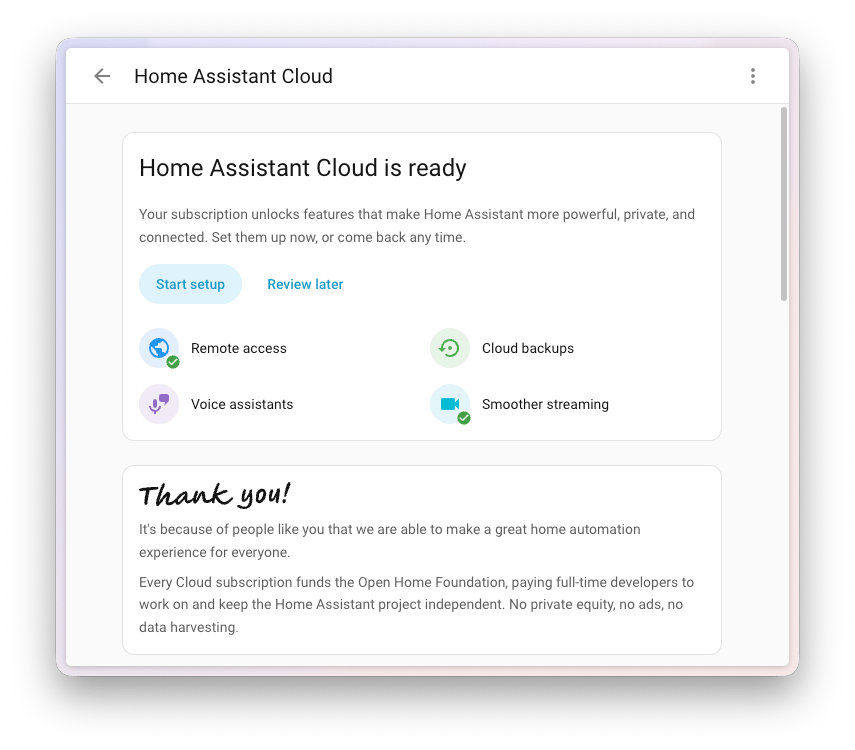
Home Assistant had already begun making the subscription easier to understand. Its August 2026 update introduced a guided Cloud setup and split the service settings into clearer feature pages. The screenshot below comes from that release and shows the older Cloud name, before the reported Link rename.
A simpler Home Assistant hub is planned for 2027
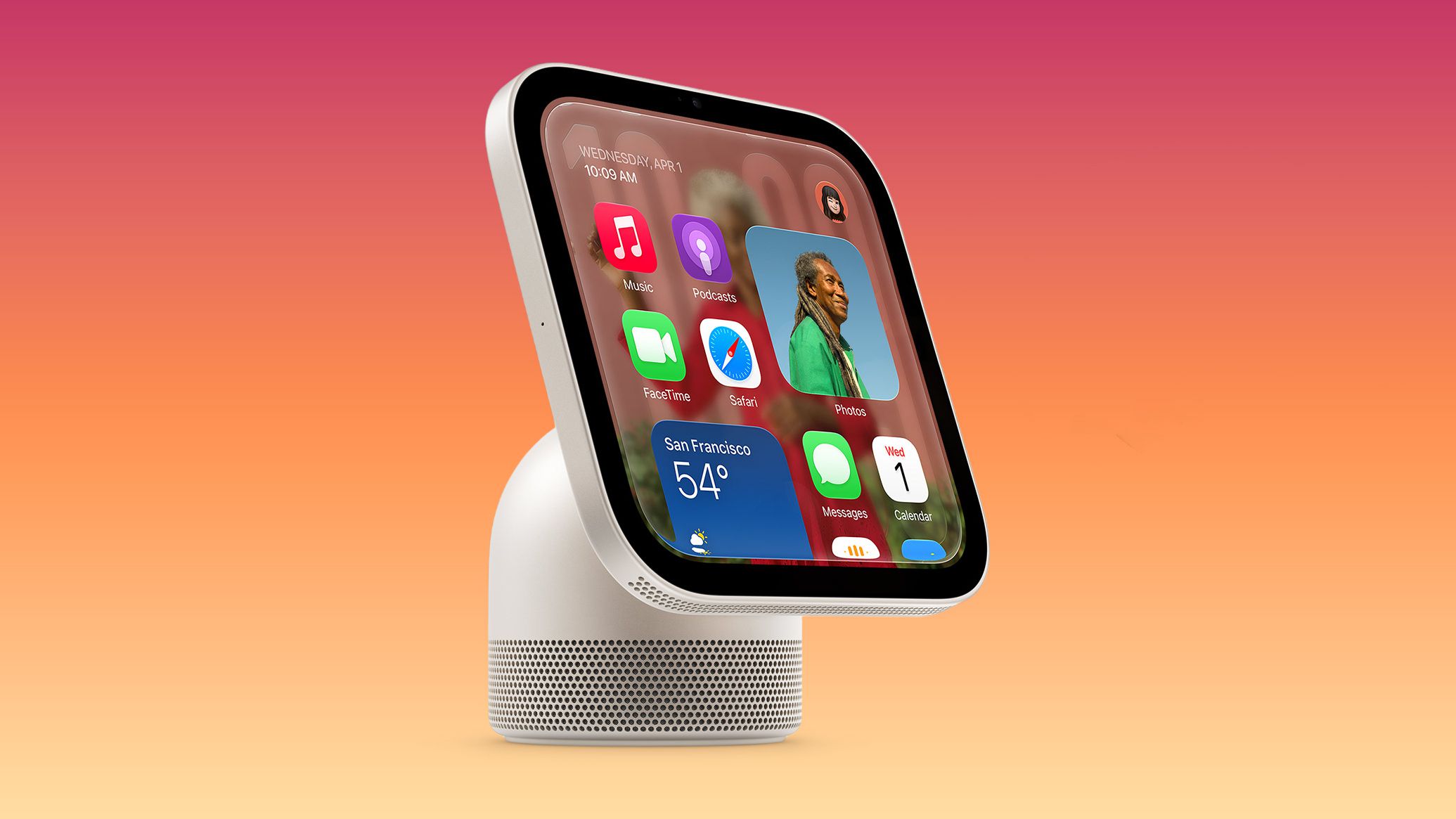
The service rename is one part of a broader effort to make Home Assistant easier to start using. Schoutsen told The Verge that the team plans a simpler successor to Home Assistant Green next year, with setup intended to feel more like adding a Philips Hue hub. The report gives no launch date, specifications or price for the new hardware.
That hub is separate from Home Assistant Link. The subscription connects an existing installation to remote access and other online features; the future device is meant to make the local platform easier to set up in the first place. Home Assistant’s current Green page describes the existing hub as a plug-and-play starting point.
Home Assistant is changing the software too
Schoutsen estimates that Home Assistant is installed in 2.7 million homes, according to The Verge. The platform has gained a large following among people willing to configure dashboards and integrations, but that flexibility also gives new users more decisions to make than a typical smart-home app.
“We’re looking to lower the floor without lowering the ceiling,”
Paulus Schoutsen, Home Assistant founder
The project has been working on that problem in its software releases. In February, Home Assistant made its Home Dashboard the default for new installations and renamed add-ons as Apps, according to the 2026.2 release notes.
In August, it removed some “advanced” labels, renamed Developer Tools to Tools and added guided setup for the Cloud service, according to the 2026.8 release notes.
Schoutsen told The Verge that a new hub, a simpler interface and AI agents could each help reduce the setup burden. The report also says Home Assistant plans to bring its HACS community store into the main software experience next month. That is a reported plan, rather than a feature available today.
People choosing connected devices can check which standards they support and whether their basic controls work locally. Our smart-home protocols guide explains standards such as Zigbee, Thread and Matter, which can connect products without relying on one manufacturer’s cloud.
Home Assistant’s push into AI agents takes a different route to simpler control. Our coverage of Google Home MCP looks at how agents can interact with smart-home devices.
Home Assistant Link makes the subscription’s purpose clearer, but the bigger test is whether the planned software and hardware changes make the first setup less of a project. A new label is easier to understand; the dashboard still has to do the hard work.
Can Home Assistant be accessed remotely without Link?
Yes. Home Assistant’s official documentation lists VPNs such as Tailscale or ZeroTier and self-managed options such as a reverse proxy. Those require more setup than Link, and port forwarding needs careful security configuration.
What happens to local automations if the internet goes down?
Local automations and control of locally connected devices continue on the Home Assistant hardware. Remote access through Link and services that rely on online APIs will be unavailable until the connection returns.
Will current Home Assistant Green owners need to replace their hub?
The Verge report describes a simpler successor for future users but gives no upgrade requirement or change to Green support. It does not announce that current owners need to replace their hardware.
Why does Schoutsen want a cloud-dependency label on smart-home devices?
He told The Verge he wants packaging to show whether a product depends on vendor servers. That would help buyers spot when basic functions could be affected if a manufacturer closes a service or changes its terms.