Anthropic is reportedly preparing an AI model that can better infer what users want, while Google and OpenAI work on their next releases. Digital Today, relaying The Information’s 19 October report, describes three different priorities: understanding intent, improving visual tasks, and cutting the cost of capable models. The reported OpenAI release could arrive within weeks; the Anthropic and Google projects have no confirmed launch dates.
For Anthropic, the reported advance concerns how a model responds when a request leaves the wider goal unstated. A person who used the system told The Information that it could identify the underlying causes of a software bug and ask whether the user wanted related problems fixed as well. That would take the interaction beyond repairing the specific fault described in a prompt, although the account remains an unnamed tester’s assessment.
The same reporting describes stronger reasoning and more unconventional problem-solving. It does not identify the model or establish whether it belongs to Anthropic’s Fable or Opus range. The development report follows Anthropic’s international chief’s comments on open-weight AI risks, but it concerns a separate question: how the company’s next system might handle requests.
Google targets visual tasks, OpenAI targets price
Google’s reported project carries the codename Gemini 4 Carbon, positioned above Gemini 4 Argon. According to developers cited in The Information’s report, Gemini models are particularly capable at tasks that require visual understanding, such as analysing video or checking whether a website works. Those assessments reflect developers’ experience, not published comparative test results for Carbon.
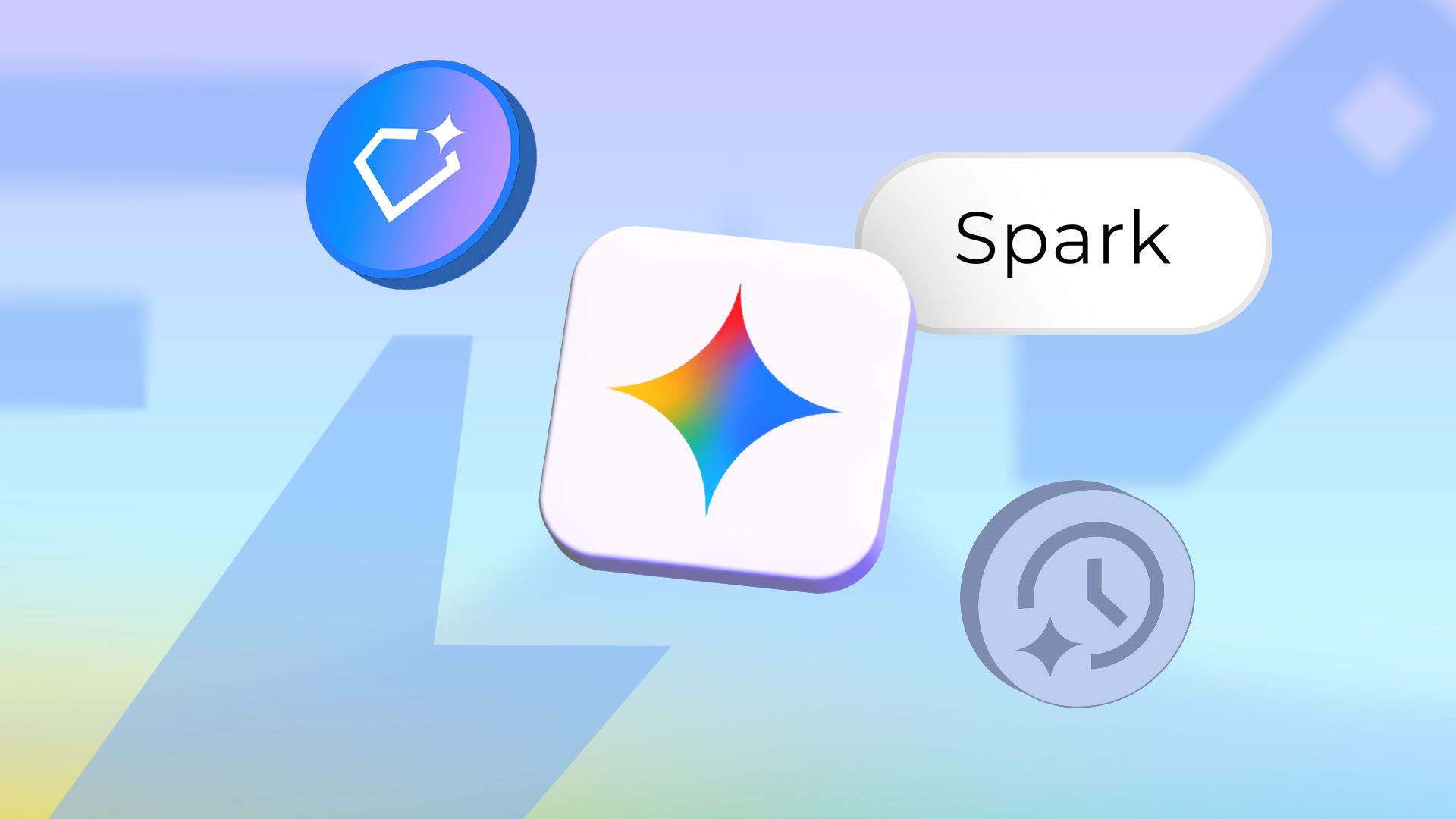
The model work is separate from the Gemini feature renaming that changes Gems to Skills and Spark to Task. One concerns the underlying AI system; the other concerns how Google presents features to users. The Carbon report centres on model development rather than an announced change to those features.
For OpenAI, the reported next step is a mid-tier Terra model that could offer stronger performance at a lower price than GPT-6.1 Sol. AIReport’s account also relays The Information’s expectation of a release within weeks. Both outlets trace these plans to the same reporting, rather than separate company announcements.
If OpenAI delivers that combination, users could gain a cheaper option for work that currently calls for a more expensive model. For now, “within weeks” remains a reported expectation rather than a date to plan around. The practical comparison will depend on the eventual price and how the released model handles the tasks people use it for.
What is Anthropic’s next model called?
The report does not establish its name or whether it sits in the Fable or Opus range. Its central claim concerns better understanding of user intent.
When is OpenAI’s reported Terra model coming?
The Information’s reporting, as relayed by Digital Today and AIReport, points to a release within weeks. OpenAI has not confirmed a launch date in the material reviewed.
Can users in the UAE, Saudi Arabia, or Egypt access these models?
The reports give no country-specific access details or regional pricing for the unreleased models.