Android fell to 74% of global smartphone sales in Q3 2026, its lowest share on record for a third quarter.
Counterpoint Research’s smartphone OS data puts iOS at a Q3 record of 21%. Global smartphone sales fell 16% year on year, and Counterpoint blames the RAM supply crisis for hitting entry-level phones and pushing up prices further up the range.
HarmonyOS took 5% globally, up from 4% a year earlier.
iPhone sales grew despite higher prices
iPhone sales rose 2% year on year, and the iPhone 18 Pro series outperformed the 17 Pro series despite price increases across the lineup. Apple also posted a record September quarter.
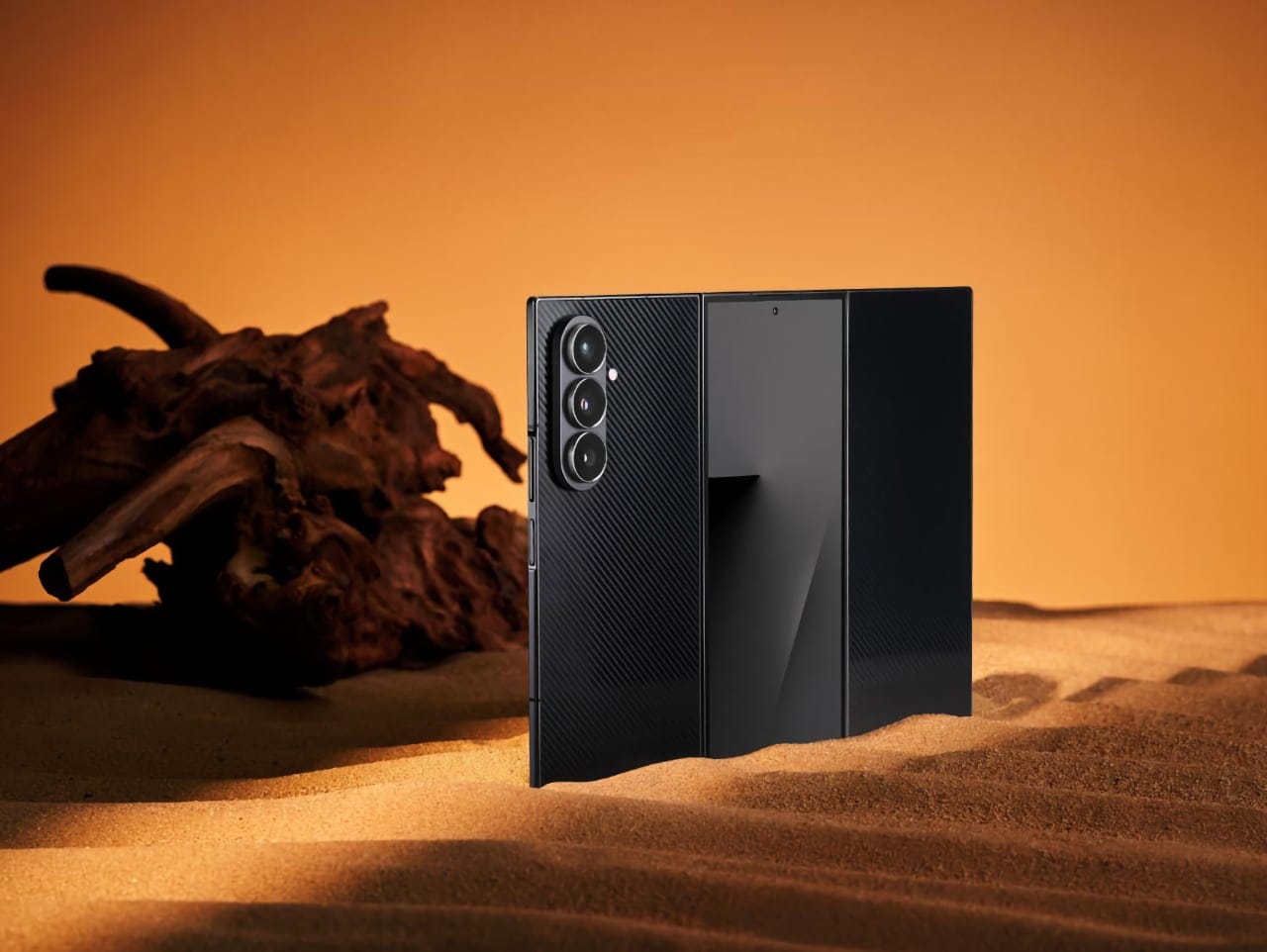
Counterpoint’s explanation for Android’s steeper decline: “Android’s broad presence across price tiers made it more vulnerable to the market slowdown than its peers.” Flagship launches from OPPO, vivo, and Xiaomi helped cushion the decline, as did Samsung’s latest foldables.
Apple had already set a June-quarter share record of 20% for iOS, when the iPhone 17 topped Counterpoint’s sales ranking. Android’s share fell four percentage points year on year to 75% that quarter.
| Quarter | Android share | iOS share |
|---|---|---|
| Q3 2024 | 80% | 16% |
| Q3 2025 | 79% | 17% |
| Q4 2025 | 72% | 24% |
| Q2 2026 | 75% | 20% |
| Q3 2026 | 74% | 21% |
iOS widened its US lead as HarmonyOS gained in China
In the US, iOS took 54% of smartphone sales, up from 51% in the previous quarter. Android fell from 49% to 46%.
HarmonyOS took 22% of sales in mainland China, where Huawei’s sales grew 12% year on year even as the market shrank 10%. Demand stretched across price tiers, led by the Enjoy 90 Pro Max, Nova 16, and Mate 80 series. Counterpoint warns that Huawei’s September price increases could slow its growth next quarter.