GrapheneOS, a privacy-focused version of Android, has accused Google of pressuring phone makers not to work with the project.
The allegations appeared in posts on X on Thursday, 19 November, days before the first non-Google phone with official GrapheneOS support goes on sale. Gizmodo’s Kyle Torpey reported that the project hasn’t named any phone makers it says Google contacted or shared emails, contracts, or other evidence. Google hadn’t publicly responded when Gizmodo published its report on 23 November.
Google’s Android licensing has already drawn antitrust penalties in Europe and South Korea. GrapheneOS alleges Google is using Google Mobile Services licensing terms to question phone makers about whether they work with the project and to threaten them. The project says multiple courts have found those terms illegal. It also says Google is urging phone makers not to support bootloader unlocking, which lets owners install a different operating system.
The project’s earlier prediction about Pixel bootloaders goes further: it expects Google to start locking them and keep pushing its Play Integrity API. It also expects Google to try making open-source Android forks unviable. Google hasn’t announced any plans to lock Pixel bootloaders.
GrapheneOS also accuses Google of putting its hardware partners at a disadvantage by keeping more features and updates exclusive to Pixels. The project says Google’s engineers have supported its work, including by adding support for its Vanadium browser to passkey features in Google Play services.
Google’s engineers are not the problem. Their business people are the problem.
GrapheneOS
The project says Google’s security team gave it security access years ago, but the business side revoked it. It says it regained that access through another phone maker before partnering with Motorola. GrapheneOS also tagged US Attorney General Todd Blanche, asking to speak with him and arguing that past Justice Department antitrust suits barely touched the conduct it considers most serious.
What the Motorola Signature 27 changes
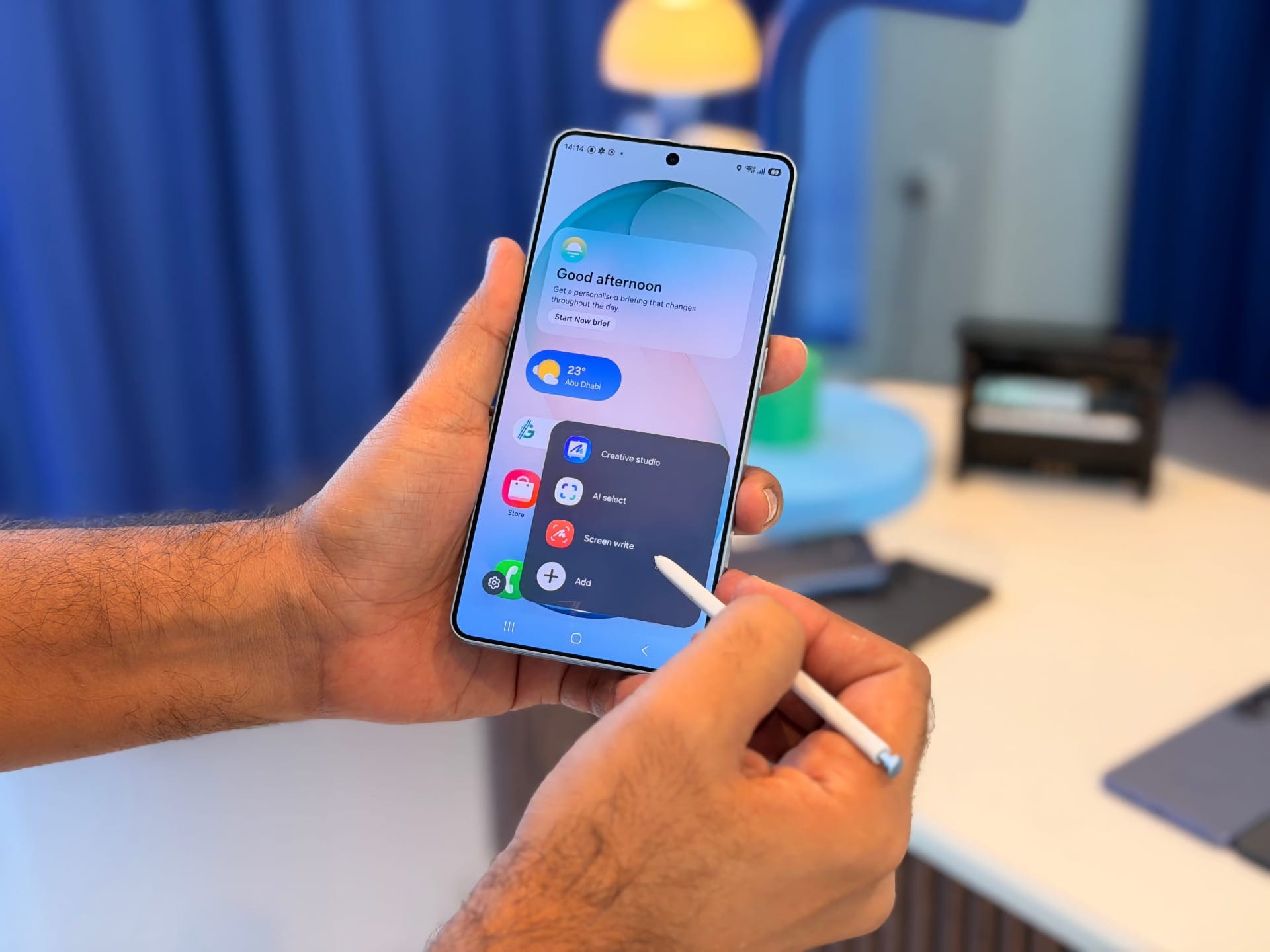
The Motorola Signature 27 goes on sale this week and is the first phone from the partnership GrapheneOS and Motorola unveiled in March. Gizmodo reports it’s the first phone not made by Google that the project officially supports. Buyers will have to download and install GrapheneOS themselves once it’s available.
GrapheneOS hasn’t published a release for the phone yet. The project claims Google’s licensing terms prevent Motorola from selling phones with GrapheneOS preinstalled at scale. Motorola’s UAE price and sale date aren’t confirmed yet.
Google’s Android licensing record
In 2018, the European Commission fined Google €4.34 billion for illegal restrictions on Android device makers. In July 2026, the EU’s top court upheld the fine after a lower court reduced it to about €4.1 billion (€4.125 billion).
In January 2024, a Seoul court upheld a fine of about $168 million over agreements barring Samsung and other manufacturers from selling devices running modified versions of Android.
There’s an older example of what a licensing dispute can mean for a phone launch. In 2012, Acer cancelled the launch of an Aliyun-OS phone in China after Alibaba said Google threatened to end its Android cooperation with Acer. Google said Acer had committed not to ship incompatible Android devices.
Those cases explain why licensing can weigh on a manufacturer’s decision to ship a different version of Android. They don’t establish that Google contacted anyone over GrapheneOS. A phone outside the Pixel line now has official GrapheneOS support, but buyers will still install the software themselves.