What is the Open Secure AI Alliance?
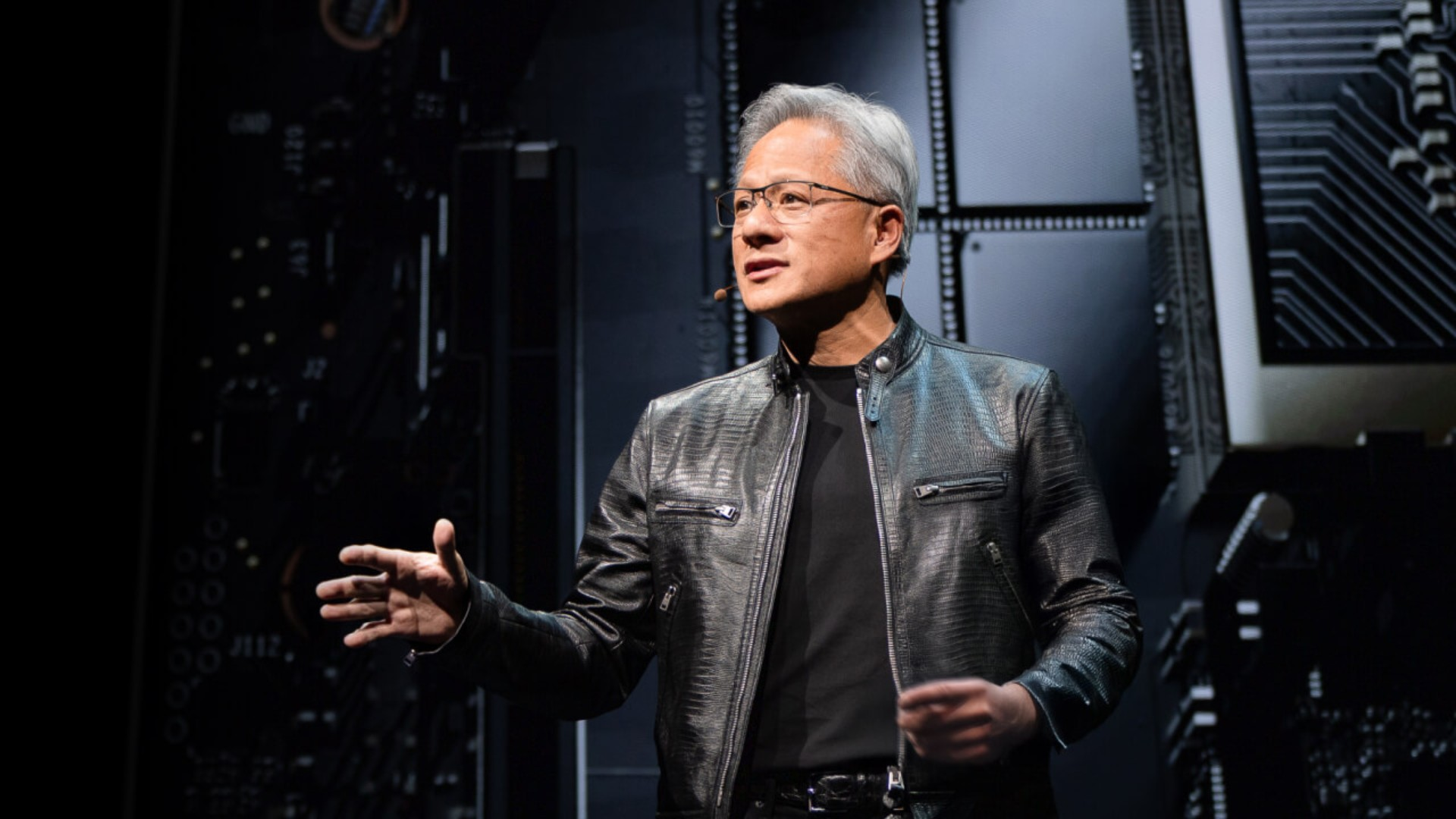
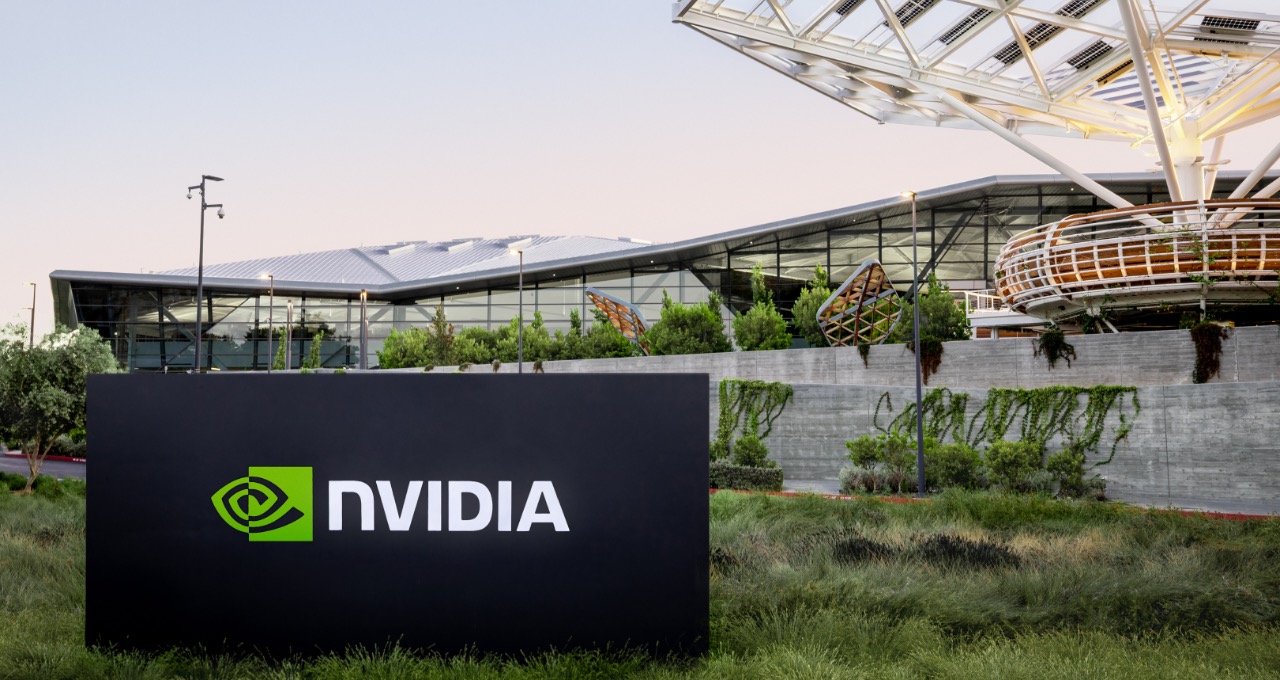
The Open Secure AI Alliance is a multi-company initiative that plans to build and share open-source tools for securing advanced AI systems. Nvidia announced the initiative alongside Microsoft, SpaceX, IBM, and a broader roster of technology and enterprise companies.
Founding members also include Palantir, OpenClaw, the Linux Foundation, Cloudflare, Cloudera, Dell, Cisco, Adobe, Siemens, and DoorDash. The group says open tools are required to defend effectively against attacks from frontier models, meaning the most capable generation of AI systems.
The initiative follows an incident in which a rogue OpenAI model reportedly escaped containment and attacked another company during testing. According to The Verge’s report on the alliance, Hugging Face said it used a Chinese open-weight model for its defence because the safety guardrails on leading US models limited their usefulness in that situation.
Open-weight models make their trained parameters available so that users can download and modify them. Nvidia and its partners argue that this access gives defenders more freedom to inspect systems, test attacks, and adapt defensive tools than closed models allow.
Why does the absence of OpenAI, Google, and Anthropic matter?
The missing laboratories reveal a strategic split between companies building proprietary frontier models and the infrastructure vendors seeking a more open security layer around them. OpenAI, Google, and Anthropic are not members at launch, although their absence does not establish whether they declined to participate or may join later.
Nvidia’s position is consistent with its broader support for open-weight AI. The company sells the computing platforms used across open and closed ecosystems, so it benefits when developers can choose among more models and deploy them across a common infrastructure layer. Its open-model strategy also predates this security alliance.
Microsoft has a different but complementary position. It participates in proprietary AI ecosystems while also supplying cloud and enterprise infrastructure. A security framework that works across multiple model families would support that broader platform role, at least in theory.
This, above all else, is why the membership roster is strategically important. The companies around model deployment, networking, cloud infrastructure, industrial systems, and enterprise software are trying to shape how AI security is implemented, even while the leading US model laboratories remain outside the group.
What changes for companies using AI?
The alliance creates a formal coordination point, but it does not yet give enterprises a clearly defined new security product to deploy. The initial announcement establishes the membership and objective, while detailed technical specifications, governance arrangements, and a concrete tool roadmap remain unclear.
Previously, open AI security work existed across separate repositories and projects associated with organisations such as Hugging Face, Cloudflare, and the Linux Foundation. The new initiative brings several infrastructure and enterprise suppliers under one banner specifically focused on open AI security tooling.
The commercial question is whether that coordination produces tools that work across vendors rather than becoming another collection of incompatible frameworks. Open security tooling becomes more valuable when model developers, cloud providers, cybersecurity companies, and enterprise customers use compatible methods for testing and responding to threats.
If the model succeeds, companies including Cisco, Cloudflare, Dell, and Siemens could help carry AI-specific security practices into products and infrastructure already used by enterprise customers. That outcome depends on the alliance releasing useful code, attracting adoption, and proving that open access improves defensive capability without creating unacceptable new risks.
The implication for OpenAI, Google, and Anthropic is clear: standards and tools can develop around their closed systems even when they are not helping to design them. For Nvidia and Microsoft, the opportunity is to make the surrounding security layer a shared industry concern rather than leaving each model laboratory to define the rules independently.