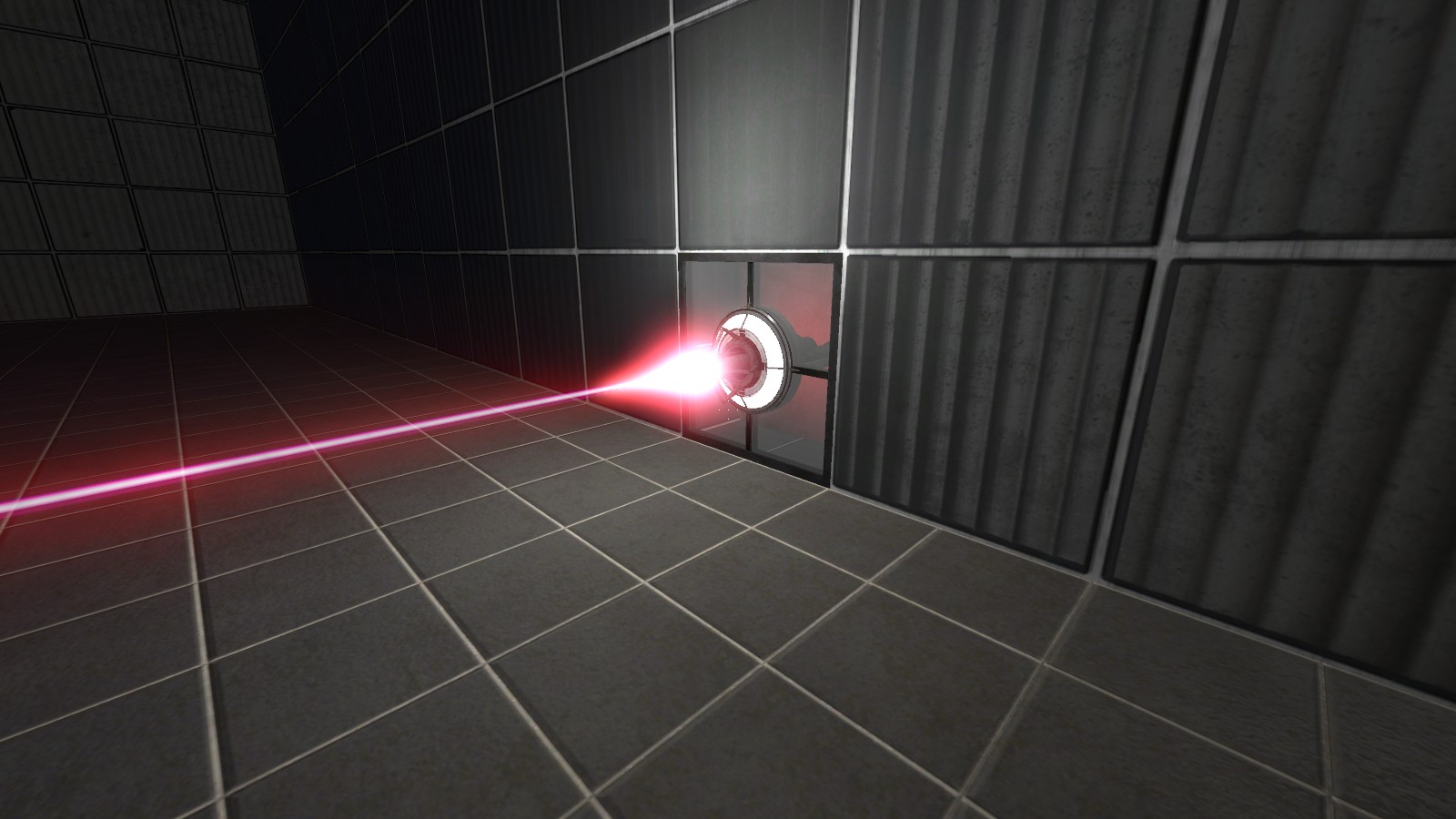
GPT-6 Astra has completed the original Portal without a human controlling the game, according to VideoCardz, but the run used 3,336 tool calls and generated $571.18 in API costs. The experiment was conducted by cozyblaze, who connected OpenAI’s model to the game and let it interpret screenshots, track its position and choose the next action.

GPT-6 Astra Portal run took almost 24 hours
The game itself was not running continuously for two hours. Portal paused while GPT-6 Astra processed visual information and decided what to do next. Including those pauses, the full experiment lasted almost 24 hours, with roughly two hours of active play.
The setup supplied the model with screenshots and player coordinates. It also used GPT-6 Astra’s updated context-management system, allowing the agent to retain information across the long sequence of decisions. The model eventually worked through every test chamber in the original Portal.
The GPT-6 Astra Portal run follows a separate tbreak report on OpenAI’s wider Astra launch, while Valve’s reported Steam teraleak covered early Portal 2 files rather than an AI playing the game.
OpenAI describes GPT-6 Astra as a model built for computer use, software engineering and other multi-step tasks in its launch announcement. Completing a familiar game is a narrower test than the company’s professional benchmarks, but it shows how much time and tool usage an autonomous agent can spend on a task that a human player would normally finish in an afternoon.
Portal is also a particularly forgiving test for a model with prior exposure to games. Its rooms, mechanics and solutions have been documented extensively, so the run does not show that GPT-6 Astra can solve any unfamiliar game from scratch. It shows that the model can combine visual input, coordinates and repeated actions until it reaches the end of a known puzzle game.
The cost remains the awkward part. At $571.18, the experiment cost more than many gaming PCs and considerably more than a copy of Portal. A walkthrough would have been cheaper, although it would have involved less research for the model.
The experiment does not establish that GPT-6 Astra is a reliable game-playing system for every title. It does show the current trade-off: an agent can complete a task autonomously, but long reasoning pauses and thousands of tool calls still make that autonomy expensive.
How much did the GPT-6 Astra Portal experiment cost?
The experiment accumulated $571.18 in API costs after 3,336 tool calls.
How long did the Portal experiment take?
The full experiment ran for almost 24 hours because the game paused while GPT-6 Astra processed screenshots and planned its next action.
Did GPT-6 Astra play Portal without human control?
Yes. The setup allowed GPT-6 Astra to receive visual information, track its position and perform actions through connected tools without a human playing the game.