YouTube Shorts clipping channels that mostly repost other creators’ videos without meaningful changes are likely to lose feed distribution, the platform says. YouTube is updating its recommendation systems to prioritise original work, while leaving room for clips that add the uploader’s own commentary, unique editing or storytelling. The change was announced on 1 October; PCMag reports the move as a crackdown on clipping.
In its YouTube Help Community announcement, TeamYouTube said channels identified as primarily aggregating or re-uploading other creators’ videos without significant changes will “likely see less distribution” in the Shorts feed. It described the change as a recommendation update intended to prioritise original content, not a ban on using clips.
“Channels identified as primarily aggregating or re-uploading other creators’ videos without significant changes will likely see less distribution within the Shorts feed.”
TeamYouTube, YouTube Help Community
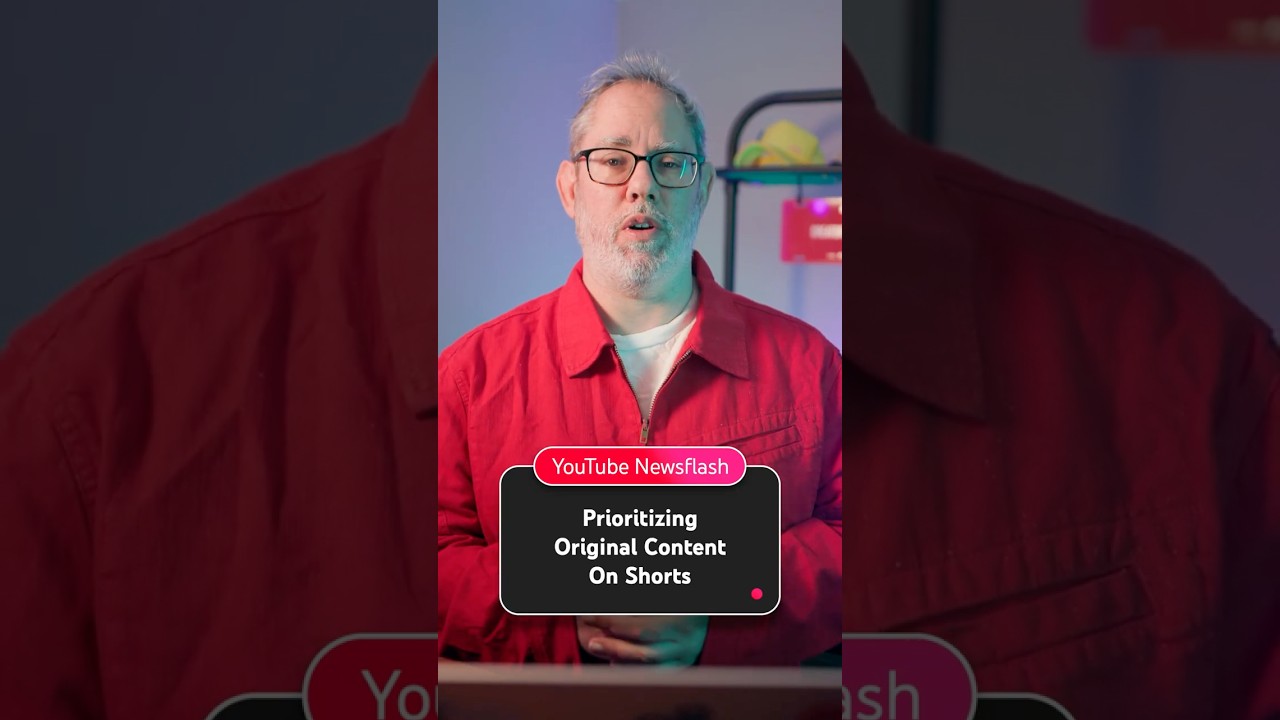
Creator Liaison Rene Ritchie discussed the change in an official Creator Insider video, published the same day. Search Engine Journal’s report says the video rejects voice-overs that merely describe what is on screen, minor technical edits and template-based bulk changes as enough to make another creator’s clip original.
What YouTube Shorts clipping channels need to change
YouTube says creators who use someone else’s clips should add real value through their own commentary, unique edits or storytelling. A minor technical edit or a repeated template is not the kind of contribution described in its post. The uploader needs to bring a point of view or a new narrative to the material. For YouTube Shorts clipping channels, technical edits alone do not supply that original perspective.

Ritchie suggested that creators who simply want to show their audience another person’s video share it through the channel’s Posts tab, so viewers watch the original upload. That sends people to the source rather than asking a clip account to supply a lightly changed duplicate. YouTube’s announcement points to its existing spam policy, which describes re-posting videos without original commentary, educational value or unique editing as scraped content.
The phrase “primarily aggregating” is important. YouTube has not said that every Short containing another creator’s footage will lose reach; its statement describes channels whose output is mainly re-uploads without significant changes. It also uses “likely”, not a promise that every channel in that category will receive the same result.
This is a reach change, not a clips ban
The post does not say YouTube will remove the videos, issue copyright strikes or block all clipping. It says the recommendation system will give less distribution in the Shorts feed to channels that fit its description. Creators who add original commentary, editing or storytelling are still within the examples YouTube gives for adding value.
YouTube has not published a numerical threshold for how much original work a channel needs, a start date for the update or a place in Studio to see whether the system has reduced its reach. The announcement gives no checklist for creators to audit their back catalogue, either; it describes the target as a channel-level pattern of re-uploads without significant changes.
Monetisation rules remain separate
The October announcement concerns recommendations. YouTube’s channel monetisation policy separately says borrowed material needs to be changed significantly to make it the uploader’s own, and its July 2025 policy note said the reused-content rules for clips, compilations and reaction videos had not changed. The new post does not announce a new monetisation penalty.
That distinction sits alongside other recent Shorts changes, including YouTube’s update to how it counts views. Tbreak covered that change: it affects the view counter, while the October announcement is about what the recommendation system distributes. A separate YouTube Partner Program update covers monetisation eligibility, not this ranking decision.
For creators, the question is whether the channel’s own contribution is clear when the borrowed footage is removed from the equation. YouTube has not published a scorecard for that test. Its public guidance is narrower: original commentary, unique edits or storytelling may add value; technical changes and templates alone do not.
Does getting permission to use a clip guarantee it will count as original?
No. For monetisation, YouTube says its reused-content policy applies even when an uploader has permission from the original creator; that policy is separate from copyright and fair-use rules. The 1 October recommendation notice does not say licensed clips get an exception to its originality test.
Are podcast clip accounts automatically caught by the update?
YouTube did not name a format. A podcast clip account matches the stated risk only if its channel primarily re-uploads other creators’ videos without significant changes; YouTube points creators towards original commentary, unique edits or storytelling rather than a particular source format.
Does YouTube say whether creators can turn their own long videos into Shorts?
Not expressly in the announcement. It refers to re-uploads from other creators, but does not spell out what happens when a creator makes Shorts from their own long-form uploads; treat that case as unconfirmed, not explicitly exempt.
Can a channel regain reach after switching to original Shorts?
Rene Ritchie said the recommendation system would re-evaluate reach if a channel moves away from aggregating other creators’ clips and towards original content. He gave no timing or recovery guarantee, so YouTube has not set an expected turnaround.