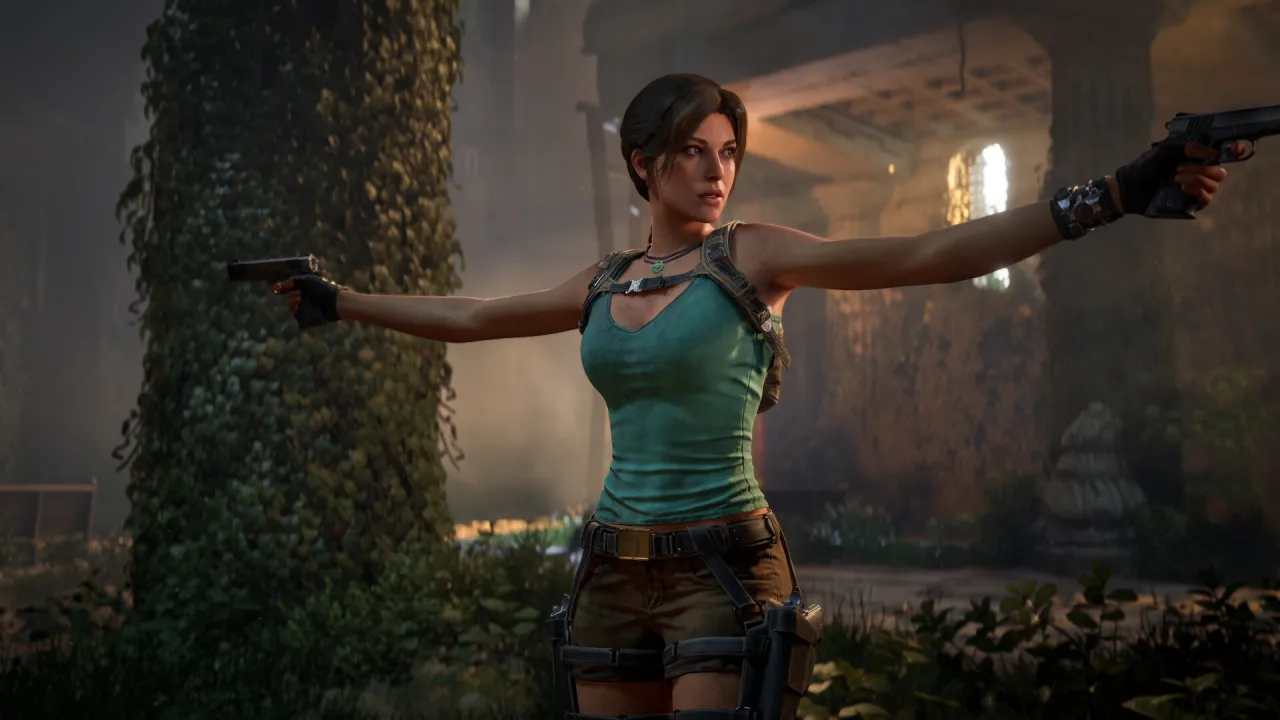
Crystal Dynamics and Flying Wild Hog have confirmed that AI-assisted tools were used during early development of Tomb Raider: Legacy of Atlantis, according to a disclosure on the game’s Steam page. The developers stated that any AI-generated content was either replaced or refined by humans to maintain their creative vision. The disclosure addresses Steam’s updated AI policy requiring transparency about artificial intelligence usage in game development.
Key Takeaways
- Crystal Dynamics confirmed AI-assisted tools were used for early exploration and temporary development content in Tomb Raider: Legacy of Atlantis.
- All AI-assisted assets were either replaced or refined by humans to maintain the creative and artistic vision.
- The game releases in February 2027 for PC, PlayStation 5, and Xbox Series X|S.
- Steam’s AI disclosure policy requires developers to report AI tool usage on product pages.
- The disclosure comes amid ongoing industry debates about AI in game development.
What AI tools were used in Legacy of Atlantis?
According to the Steam disclosure, Crystal Dynamics used “AI-assisted tools” specifically for “some early exploration and temporary development content” during Legacy of Atlantis development. The developers emphasised that these were not final game assets reaching players.
“Any AI-assisted assets were either replaced or refined by humans in order to maintain the creative and artistic vision of the development team,” the disclosure states. This suggests AI tools helped with initial concepts, prototyping, or placeholder content rather than finished artwork or gameplay elements.
A Crystal Dynamics spokesperson explained the studio’s approach: “At Crystal Dynamics, we leverage AI tools to help our teams iterate on ideas faster and more efficiently, while ensuring that all finished content in the final product is human-crafted.”
Why this transparency matters
The disclosure comes as the gaming industry grapples with increasing AI adoption and associated controversies. Many developers are exploring AI tools to combat rising development costs and accelerate production, but players and industry professionals remain divided on the technology’s impact.
Some fear AI could negatively affect game quality, displace human creativity, or primarily benefit executives rather than developers. Others see potential for AI to handle repetitive tasks, allowing human developers to focus on creative work.
The timing is particularly relevant given that some Japanese studios are requiring live drawing tests to verify applicants aren’t using AI for portfolio work. Crystal Dynamics’ transparency suggests an industry move toward clearer AI usage policies.
Legacy of Atlantis development context
Tomb Raider: Legacy of Atlantis is a full remake of the original 1996 Tomb Raider game, being developed jointly by Crystal Dynamics and Flying Wild Hog. The project was delayed from 2026 to February 2027 and will launch on PC, PlayStation 5, and Xbox Series X|S.
The game represents a significant investment for Embracer Group, which owns both development studios and the Tomb Raider franchise. Embracer’s CEO has previously expressed strong support for AI technologies as tools to increase profitability across the company’s portfolio.
Legacy of Atlantis will be followed later in 2027 by Tomb Raider: Catalyst, an entirely new entry in the franchise rather than a remake. Both games will feature new voice actor Alix Wilton Regan as Lara Croft.
Frequently Asked Questions
Did Tomb Raider: Legacy of Atlantis use AI?
Yes, Crystal Dynamics confirmed that AI-assisted tools were used for early exploration and temporary development content. However, all AI-generated assets were either replaced or refined by humans before the final product.
Are the final assets in Legacy of Atlantis AI-generated?
No, the developers stated that any AI-assisted assets were either replaced or refined by humans to maintain the creative and artistic vision of the development team. All finished content is human-crafted.
When does Legacy of Atlantis release?
Tomb Raider: Legacy of Atlantis is scheduled to release in February 2027 for PC, PlayStation 5, and Xbox Series X|S. The game was previously delayed from its original 2026 release window.
Why did Crystal Dynamics disclose AI usage?
The disclosure follows Steam’s updated AI policy requiring developers to report artificial intelligence usage on product pages. This provides transparency about development practices for players and industry stakeholders.
What type of AI tools were used?
Crystal Dynamics used AI-assisted tools specifically for early exploration and temporary development content, not final game assets. The exact nature of these tools wasn’t detailed, but they helped teams iterate on ideas faster during development.