An 18-year-old from New Hampshire priced his joke game at $200 because that is the most Steam allows. This Game Costs $200 went on to gross $1.38 million — and he kept $2,045 of it.
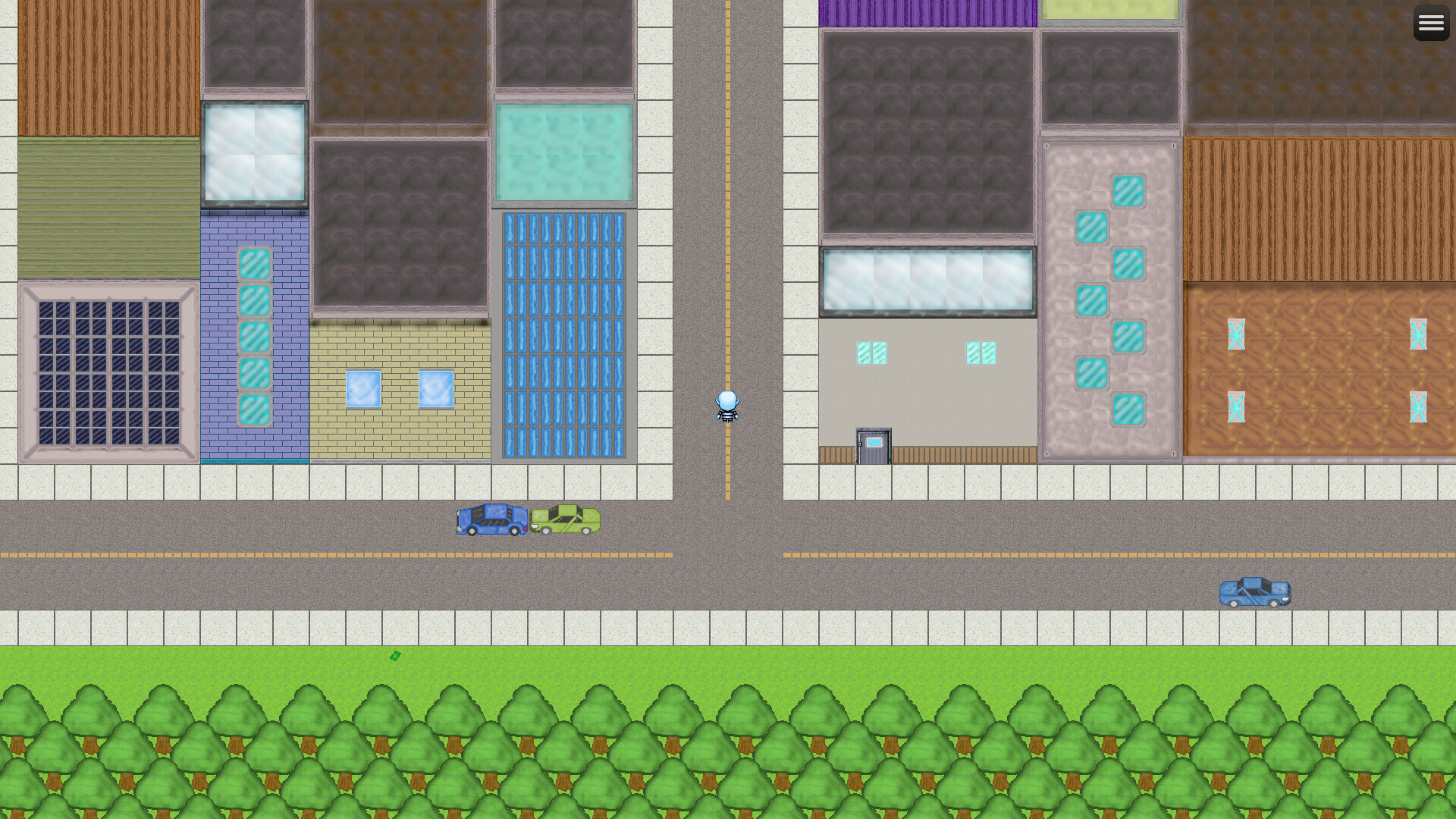
Michael Major released the game in January as a sequel to This Game Costs $10, made two weeks earlier. Its Steam page, credited to Stolen Valor Studios, describes it as “the swindle to end all swindles” and “a psychological experience, where I try to convince you that this game truly does cost 200 dollars”. Players wander the world of Schizopia past cases of beer and packs of cigarettes.
“I saw $1.3 million. I think I almost died,” Major told WMUR.
Then the refunds arrived. Steam data shared with the outlet shows 6,717 sales and 6,707 refunds — 99.9 per cent of purchases reversed, most of them from China and, apparently, never launched. Lifetime gross revenue was $1.38 million; Major walked away with $2,045.
| Copies sold | Copies refunded | Refund rate | Lifetime gross | Creator’s take |
|---|---|---|---|---|
| 6,717 | 6,707 | 99.9% | $1.38m | $2,045 |
Major has two theories, neither comforting. Buyers may be purchasing the game and refunding it instantly to farm Steam points at the highest possible price, or something stranger is going on. “I have heard of expensive games on Steam being used for money laundering. I have no idea. I could be on a hit list right now,” he said. WMUR has asked Valve for comment; none has come.
The game’s only review is a recommendation from someone who played for 0.6 hours, ate a sandwich soaked in toilet water, and still judged the $200 purchase less embarrassing. For other developers watching a seven-figure sales counter, the lesson is quieter: Steam’s refund policy moves money both ways, and a gross number is not a payout.
Could this really be money laundering?
Major has said he has heard of expensive Steam games being used for money laundering, but there is no evidence that happened here, and Valve has not commented. His own working theory is that buyers were farming Steam points — purchasing at the maximum price to claim the biggest reward, then refunding.
Is the game still on sale?
Yes. This Game Costs $200 is still listed on Steam at $200, exactly as its store page promises.
Why did the creator only keep $2,000?
Almost every copy was refunded. Of 6,717 sales, 6,707 were reversed — 99.9 per cent — leaving Major with roughly $2,045 of the $1.38 million gross. Most refunds came from China, and most buyers appear to have returned the game without ever launching it.
Could this really be money laundering?
Major has said he has heard of expensive Steam games being used for money laundering, but there is no evidence that happened here, and Valve has not commented. His own working theory is that buyers were farming Steam points — purchasing at the maximum price to claim the biggest reward, then refunding.
Is the game still on sale?
Yes. This Game Costs $200 is still listed on Steam at $200, exactly as its store page promises.