Sony has filed a patent for a system that analyses a game’s audio before it plays, then turns what it finds into cues on the controller and screen. Insider Gaming found the filing, titled “Audio Processing System and Method”, on Patentscope. The outlet reads it as a possible next step for haptics on PS6 controllers. The patent also describes a way to bring the feature to older games without changing their code.
How the system works
The core idea is timing. The patent says each sound is analysed and classified before it’s output, because relevant audio properties may only become apparent during playback, when it’s too late to provide a visual indication. In practice, the system sorts sounds by purpose. Some sounds set the ambience while others cue what comes next, such as the loud noise that often follows a horror jump scare. Insider Gaming says the patent’s focus is on in-game sounds such as enemies, with the aim of helping the player react.
Once a sound is classified, the system picks the cues. Alongside haptic feedback that accompanies in-game sounds, it could use LEDs around the touchpad to show where a sound comes from, plus an icon, shape or word on screen. Not every sound would trigger all of them, and the patent ties the visuals to the audio itself. One example describes how quickly a sound ramps up affecting the brightness or saturation of an on-screen element, while volume could change its colour, transparency or brightness. Detected voices could also trigger a specific graphic.
Aimed at games that weren’t built for it
Haptic feedback today depends on developers building it in, and that’s where the patent departs from the DualSense approach. It says such facilities are also desirable for “legacy” games, whose code is fixed and hard to adapt. Instead of the game implementing the technique, the operating system or a helper app monitoring the game could do it. Insider Gaming reads that as a route to the feature working in every game on the platform. Some titles might not get vibration as the cue, but visual indicators could still work.
Insider Gaming also raises two open questions. An onomatopoeic icon or on-screen word may clash with a game’s art style, and it’s unclear how the system would sit alongside haptics that developers have already authored. The outlet notes that a patent wouldn’t normally address such details, and expects them to be settled if the idea reaches a shippable product.
Where it fits
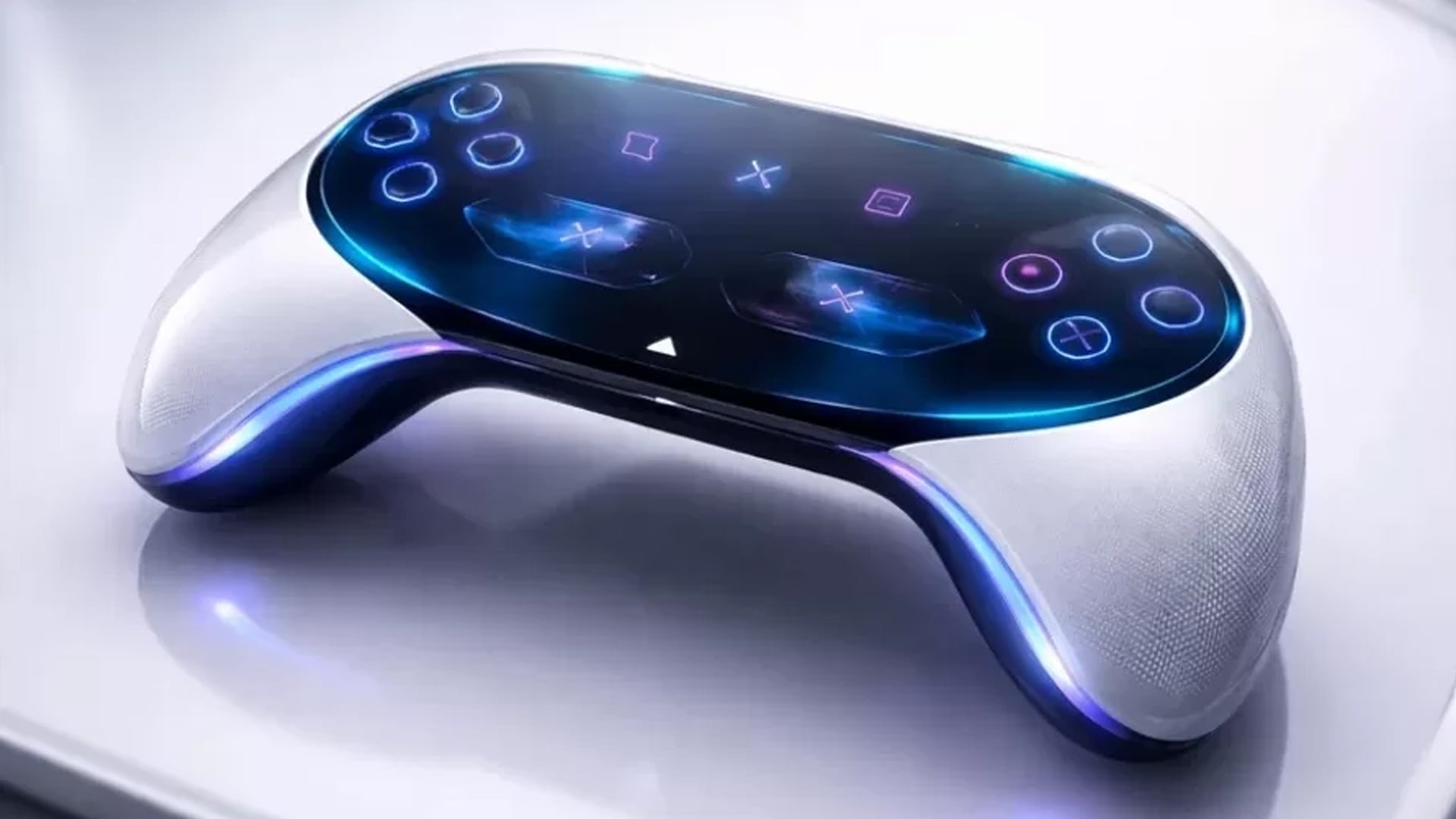
It’s the latest in a run of PlayStation controller filings we’ve covered, including a deformable controller with twist-and-pinch buttons and a controller that swaps physical buttons for a customisable touchscreen. Sony hasn’t confirmed this feature for any product. The company also hasn’t fixed a launch date for its next console, as our report that the PS6 release date is still undecided explains. Patents often cover ideas that never ship, so treat this as a look at what Sony’s engineers are exploring.
Is this confirmed for the PS6?
No. The patent doesn’t name a console, and Sony hasn’t announced PS6 hardware or controller features. The PS6 link comes from Insider Gaming’s reading of the filing.
Would developers need to update their games for it?
Not necessarily. The patent says the OS or a helper app could handle the analysis and cues for legacy games, so the game’s own code wouldn’t change. It also allows a game to implement the technique itself.