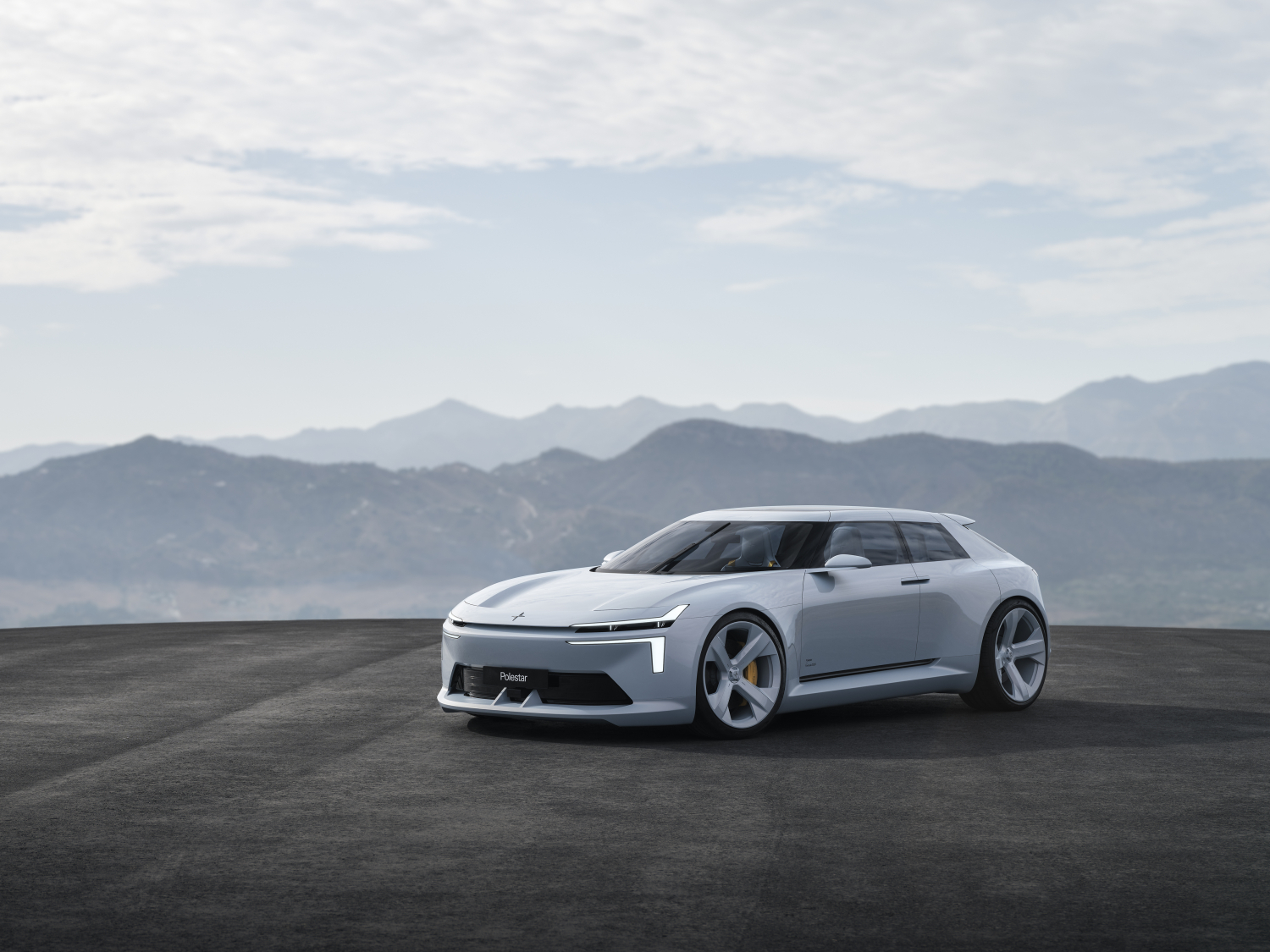
Polestar revealed a low, four-door sports car concept that previews the next Polestar 2 and Polestar 7, and it brings physical buttons back.
The Formula 2030 concept is a design study, not a car you can order. Polestar hasn’t given a powertrain, battery size, range, output, or price, and Electrek reports that the company isn’t promising to build it.
What Polestar does say, in its newsroom release is that various design attributes will appear in the next-generation Polestar 2 and the forthcoming Polestar 7. Motor1 puts the next Polestar 2 in 2027 and the Polestar 7 in 2028, and Electrek gives the same years.
A low sports car between the Polestar 2 and 7
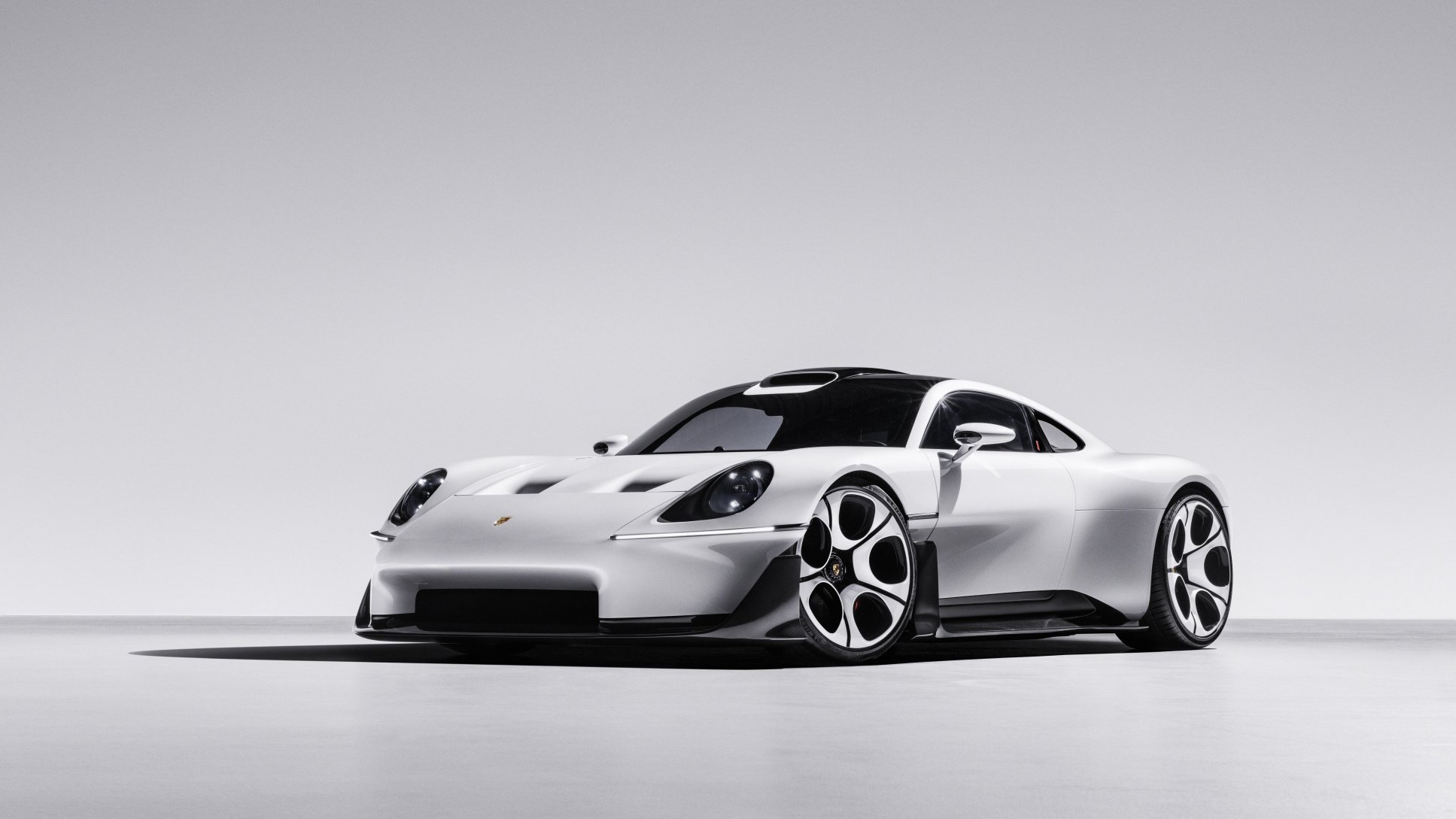
Polestar calls it a compact, practical four-door sports car in its own segment. It’s 4,680 mm long and 2,021 mm wide, with a 2,780 mm wheelbase. Electrek says it stands 1,350 mm tall, lower than the Polestar 5 grand tourer. Its size falls between the next Polestar 2 and the Polestar 7.
Up front, the Dual Blade headlights come from the Polestar 3 and preview the next Polestar 2. At the back, a pair of Single Blade rear lights replaces the full-width light bar found on so many EVs, and Polestar says they’re introduced ahead of series production.
The windscreen wraps around and has a single vertical wiper. A LiDAR unit stays hidden under an aerodynamic shroud and appears only when the driver switches on the concept’s autonomous drive.
The 22-inch wheels have four spokes and centre-lock fixings, framing gold Brembo brakes. Öhlins inboard dampers are on show. The paint is Nitrogen, a new colour made for this concept.
Buttons return to the cabin
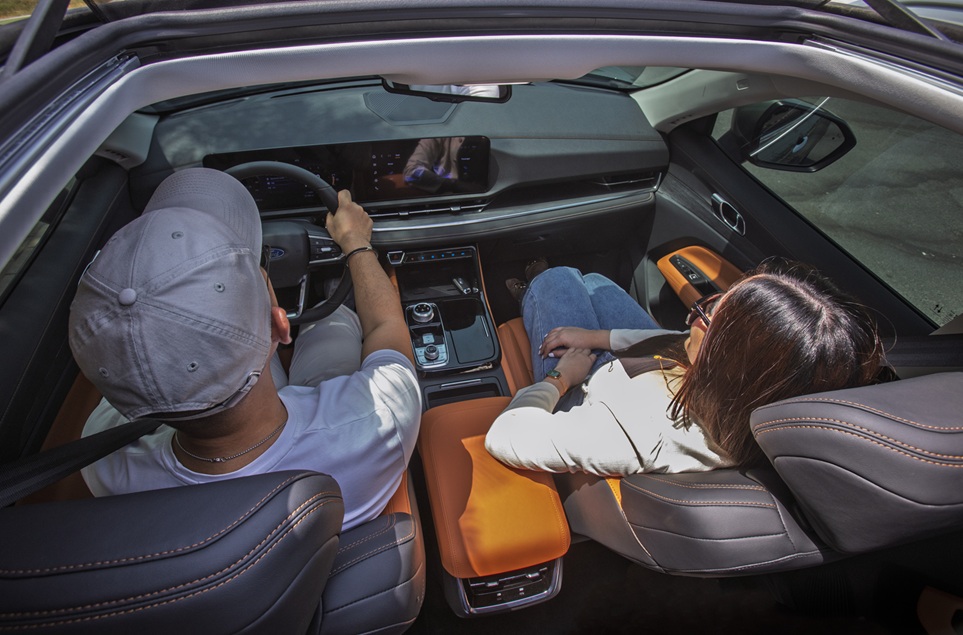
Inside, a curved 20-inch HyperDIM display sits on the steering column, with a 12.2-inch central screen in the centre tunnel. Under that screen are eight physical controls, and the driver can set each one as a rocker switch or a rotary control.
A slider on the centre console lets you choose between Performance, Normal, and Autonomous modes. In Autonomous, the central screen rises. In Performance, it lowers, and the steering wheel and HyperDIM move towards the driver.
Juan Pablo Bernal, Polestar’s interior design chief, told Top Gear: “As a performance brand, we see a renewed focus on the driver, and so we re-balance the digital and physical.”
There are four individual seats, each with inflatable bolsters and cushions that adjust to whoever sits in it. Electrek says that, with no B-pillar and rear doors hinged at the back, the whole side opens up. Polestar says Google Gemini, integrated with the Google built-in system, offers conversational voice AI for every passenger.
The boot has a transparent floor and bespoke Polestar bags. Top Gear says the front frunk is big enough for two race helmets and a fire extinguisher.
Materials and the strategy behind it
The inner doors are a single recyclable material, and structural steel parts are left exposed. The seat backs use European flax and a bio-based polypropylene composite, and Top Gear spotted Bcomp’s natural-fibre composite in the boot, describing it as an alternative to carbon fibre.
Polestar describes the concept as the physical form of its Formula 2030 strategy. Polestar said it wants to halve greenhouse gas emissions per car sold by 2030 and reach climate neutrality across its value chain by 2040. In September, Polestar confirmed the concept and showed it first to investors, retailers, and VIP customers at The Cube in Gothenburg. The public debut came during the media drive for the Polestar 4 SUV.
It’s also the first showcar created under Head of Design Philipp Römers, who joined from Audi in 2024.
Design should always reflect the values and mission of a brand and that is exactly what we did with Polestar Formula 2030 concept. It is a physical embodiment of how we apply Polestar’s core values of design, performance and sustainability to the next production cars.
Philipp Römers, Head of Design at Polestar
Römers also told Top Gear the car could fit on a current Geely group platform. Polestar is majority-owned by Geely.
Jalopnik notes that Polestar was banned from selling cars in the US in June. InsideEVs says production of the Polestar 7 is planned at Volvo’s Košice plant in Slovakia.