
Pete Hines says Bethesda 'damaged, abused' under Microsoft
Former Bethesda executive Pete Hines reveals why he quit after 25 years: Microsoft's ownership left him powerless to protect the studio's culture. His mental health suffered watching the company get "systematically dismantled" post-acquisition.

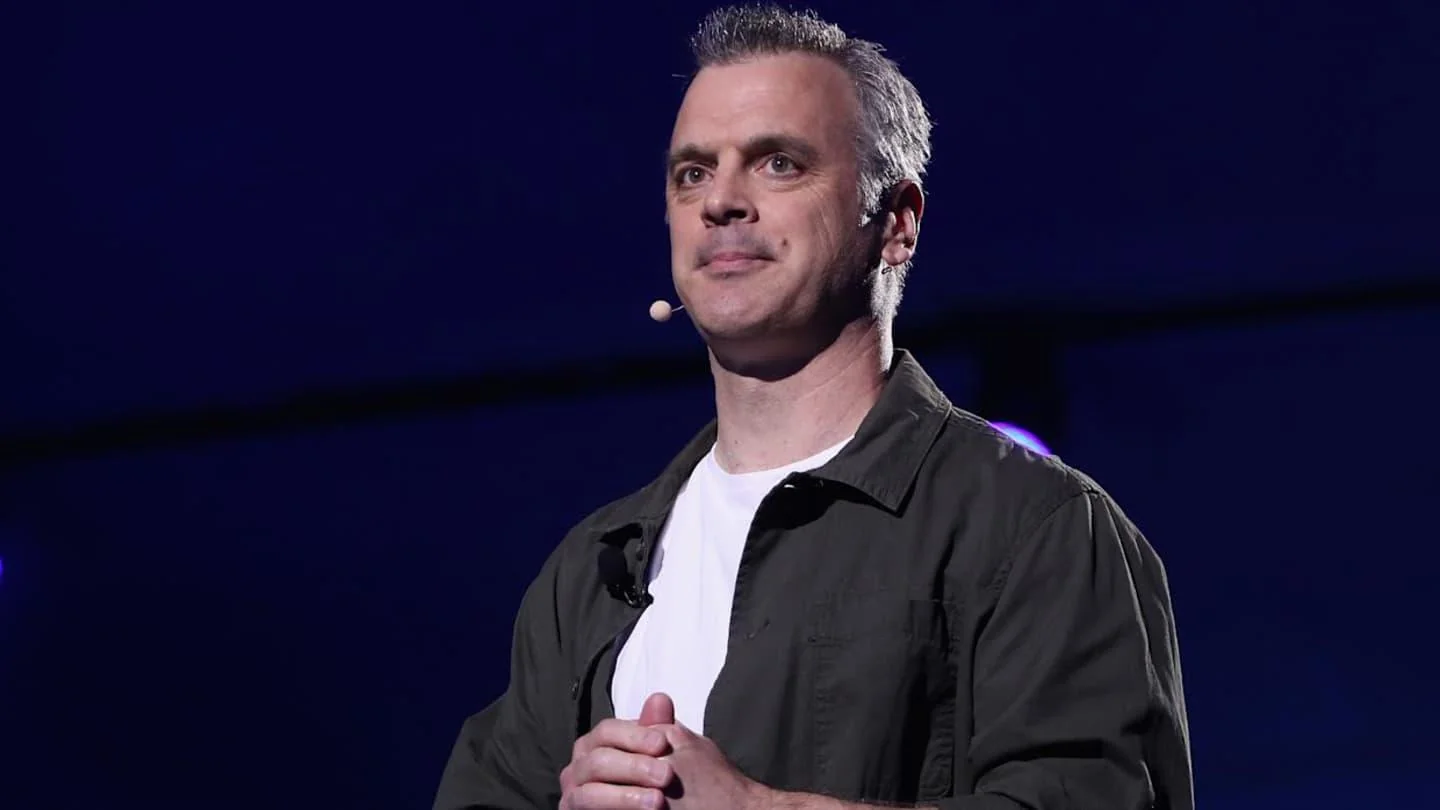
Pete Hines left Bethesda Game Studios in October 2023 after nearly 25 years because he believed the company was being 'damaged, mistreated, abused' under Microsoft's ownership, according to a recent interview. The veteran executive revealed his mental health deteriorated to a 'deplorable' state as he felt powerless to protect the studio's culture and efficiency following Microsoft's 2021 acquisition of ZeniMax.
Key Takeaways
- Pete Hines left Bethesda in October 2023 after 25 years, citing the studio being 'damaged, mistreated, abused' under Microsoft ownership.
- Hines said his mental health became 'deplorable' as he felt powerless to protect Bethesda's culture and efficiency.
- Microsoft acquired ZeniMax and Bethesda in 2021 in a massive takeover worth $7.5 billion.
- Hines delayed his departure multiple times due to Starfield's repeated delays, weighing heavily on his mental state.
- The veteran executive said Bethesda under Microsoft 'is not authentic and is not genuine'.
Why Pete Hines really left Bethesda
According to Insider Gaming's interview with Kirk McKeand on the Firezide Chat series, Hines explained he didn't want to abandon Bethesda but couldn't tolerate what the company had become under Microsoft's ownership. 'I was staying there because this place still needs me,' Hines said. 'I just hit a point of yes, it needs me, and I am powerless to do what I think needs to be done to run this place properly.'
Hines described Bethesda as previously being 'if not the most efficient publisher in the game industry, it was way the f*** up there.' However, under Microsoft's management, he said he witnessed the studio being systematically dismantled. 'When I couldn't protect it, and I saw how it was getting damaged and broken apart and frankly mistreated, abused, whatever word you want to use, I said I am not going to sit here and watch this happen right in front of me.'
Mental health toll and Starfield delays
The prolonged decision-making process took a severe toll on Hines' wellbeing, particularly as Starfield faced multiple delays. According to Hines, only Todd Howard knew about his departure plans for an extended period, and each new delay pushed back his exit by several months. 'I think I've done everything I can do. This is not when I wanted it to end or how I wanted it to end, but that's not really up to me,' he revealed.
The situation ultimately became untenable. 'At a certain point, truthfully, my mental health was so deplorable that I just said I cannot,' Hines explained. He described working at Bethesda under Microsoft as inauthentic, stating the studio 'is not authentic and is not genuine' before adding: 'And that shouldn't be a surprise to you.'
What This Means for the gaming industry
Hines' candid revelations highlight the cultural challenges that can emerge when tech giants acquire beloved gaming studios. Microsoft's Xbox Game Pass changes and broader gaming strategy have faced scrutiny from industry veterans who question whether corporate efficiency can coexist with creative studio culture.
The departure of a 25-year veteran like Hines signals deeper institutional problems at Bethesda, particularly concerning for fans awaiting Elder Scrolls 6 and other major franchises. His comments suggest that Microsoft's integration approach may be fundamentally incompatible with the creative processes that made Bethesda successful.
For the gaming industry, Hines' experience serves as a cautionary tale about acquisition integration. When veteran executives cite mental health concerns and cultural destruction as reasons for leaving, it raises questions about the long-term sustainability of current consolidation trends in gaming.
Microsoft's acquisition strategy under scrutiny
Microsoft acquired ZeniMax Media, Bethesda's parent company, for $7.5 billion in March 2021. The deal was positioned as preserving creative independence while providing resources for larger projects. However, Hines' account suggests the reality has been different, with corporate oversight undermining the studio's operational efficiency.
The acquisition was part of Microsoft's broader strategy to bolster Xbox Game Pass content and compete with Sony's PlayStation exclusives. However, if key personnel are leaving due to cultural conflicts, it could impact the quality and timeline of upcoming titles. Microsoft has not responded to requests for comment regarding Hines' specific allegations about studio management.
Frequently Asked Questions
Why did Pete Hines leave Bethesda?
Pete Hines left Bethesda because he felt the company was being 'damaged, mistreated, and abused' under Microsoft's ownership. He felt powerless to protect the studio's culture and efficiency, which negatively impacted his mental health.
When did Microsoft acquire Bethesda?
Microsoft acquired ZeniMax Media, Bethesda's parent company, in March 2021 for $7.5 billion. The acquisition was part of Microsoft's strategy to strengthen Xbox Game Pass content.
What was Pete Hines' role at Bethesda?
Pete Hines served as Senior Vice President of Global Marketing and Communications at Bethesda Game Studios for nearly 25 years, overseeing marketing for major franchises like Elder Scrolls, Fallout, and Starfield.
How did Starfield delays affect Hines' departure?
According to Hines, each Starfield delay pushed back his planned departure by several months. The repeated delays and their impact on his mental health ultimately contributed to his decision to leave.
What does this mean for future Bethesda games?
While Hines' departure doesn't directly impact development, his criticism of Microsoft's management style raises concerns about creative independence and studio culture that could affect future projects like Elder Scrolls 6.
Written by

Subscribe to our newsletter
Subscribe to our newsletter to get the latest updates and news










Member discussion