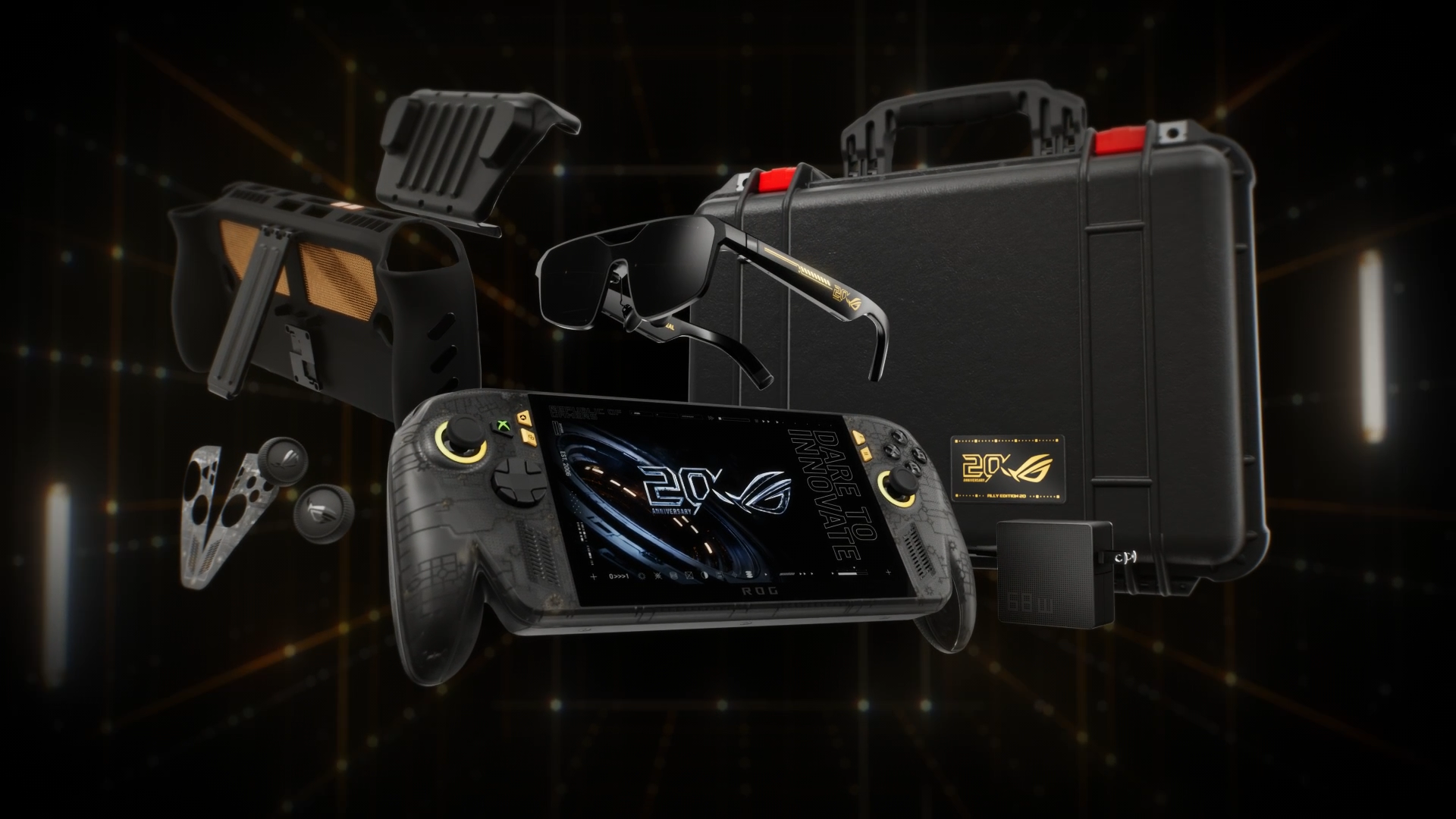
Asus will sell the OLED ROG Xbox Ally X20 on its own, without tying it to the AR glasses that shipped alongside it at launch. Spokesperson Anthony Spence told The Verge: “We are actively discussing the release schedule for a standalone version of the new Ally. Please stay tuned for upcoming announcements.” That is a meaningful reversal. When the device first appeared, coverage widely reported the OLED Ally X20 would only be available as part of a ROG 20th-anniversary bundle bolted to a set of AR glasses, and not sold separately.
Why does a standalone version matter?
A standalone Ally X20 removes the biggest barrier to owning the OLED model: the cost of the glasses you might not want. Asus originally paired the handheld with the ROG XREAL R1 Edition 20 AR glasses in a limited anniversary bundle unveiled at Computex 2026, and early coverage from Android Authority reported the handheld was only available that way. The glasses retail at around $849.99 (approximately AED 3,120) on their own, which is a lot to spend on an accessory a buyer may never use. Letting people buy the handheld alone is the obvious fix, and it is welcome that Asus is planning it rather than protecting a limited-edition gimmick.
The catch is that nothing is locked in yet. Asus has confirmed intent but not price, date, or region. Our Computex coverage of the ROG Ally X20 noted that pricing and UAE availability had not been announced, and that remains true for both the bundle and the solo model. The bundle is expected globally in the second half of 2026; the standalone version is only described as “under discussion.”
How big is the Xbox Ally X20 screen, and what does it offer?
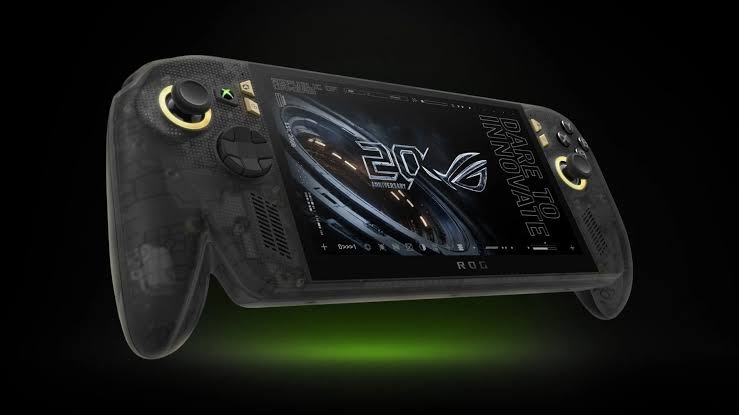
The Ally X20 uses a 7.4-inch ROG Nebula HDR OLED display running at 1920 x 1080 (16:9), 120Hz with FreeSync Premium Pro / VRR, 600 nits in SDR and up to 1,400 nits peak in HDR. That is only slightly brighter than the Legion Go 2’s 1,000-nit panel but well ahead of the MSI Claw 8 EX’s 500-nit IPS screen. The Verge, after two hours of hands-on testing at Asus’s California offices, argued the OLED panel looks clearer in person than both rivals despite being smaller and lower resolution, crediting anti-glare cover glass and the brighter panel for cutting reflections that plague glossy competitors.
Under the hood sits an AMD Ryzen AI Z2 Extreme APU — the same platform as the existing Ally X — with 24GB of LPDDR5X RAM, a 1TB PCIe 4.0 SSD, an 80Wh battery and a weight of roughly 756g. Control upgrades include TMR anti-drift joysticks, a transforming D-pad, improved bumpers, better haptics and microSD Express support, all housed in a translucent frosted frame with a green-glowing Xbox button you can dim or switch off.