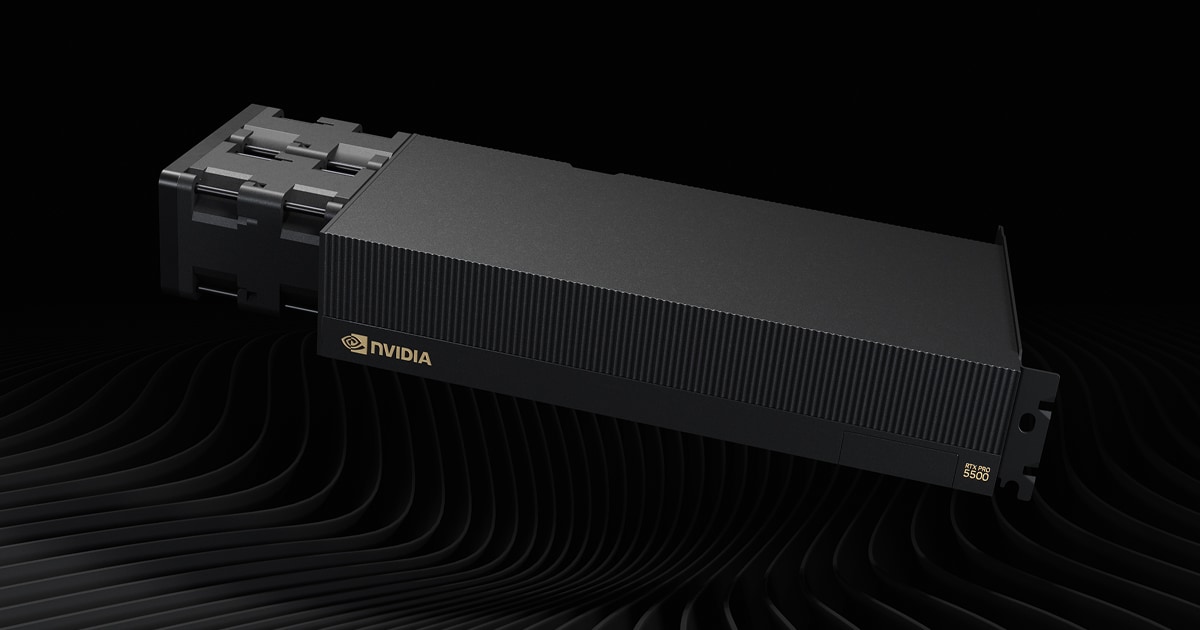
NVIDIA’s Rubin generation of AI servers runs its cooling liquid at up to 45°C — hotter than a hot tub — and that single engineering decision is set to reshape how hyperscale data centres consume energy and water. According to NVIDIA’s official blog announcement, Rubin is the world’s first AI infrastructure generation to achieve 100% liquid cooling, covering every chip and every networking component in a closed loop with no fans anywhere in the system.
The implications are significant for anyone building or operating AI infrastructure at scale. Cooling has historically accounted for up to 40% of a data centre’s electricity consumption. A 50-megawatt hyperscale facility can save over $4 million annually in cooling-related energy and water costs by switching to liquid-cooled infrastructure. For the UAE and GCC — where hyperscale data centre investment is accelerating rapidly and water scarcity is a genuine constraint — those numbers deserve serious attention.
Key Takeaways
- NVIDIA Rubin is the first AI infrastructure generation to achieve 100% liquid cooling, covering every chip and networking component with no fans.
- The system runs coolant at up to 45°C — hotter than a hot tub — with coolant exiting at roughly 55°C after absorbing chip heat.
- A 50-megawatt hyperscale facility can save over $4 million annually in cooling-related energy and water costs by switching to this liquid-cooled infrastructure.
- Conventional cooling-tower systems consume roughly 2.6 million gallons of water per megawatt per year; the NVIDIA DSX reference design targets near-zero water consumption.
- Rack density improves threefold: a system that previously occupied six rack units now fits in two with full liquid cooling.
Why 45°C is the number that matters
Most people associate cold with efficient. Decades of data centre orthodoxy reinforced the idea that if a facility didn’t feel like a walk-in freezer, something was wrong. That instinct is outdated.
Silicon processors generate enormous internal heat regardless of ambient conditions. In NVIDIA’s fully liquid-cooled architecture, coolant enters a chip at up to 45°C and exits at roughly 55°C, having absorbed the heat load across the chip surface — yet performance doesn’t degrade. The cold plates keep device temperatures within validated operating limits even at that inlet temperature.
The reason this matters operationally: raising chiller plant temperatures by just 1°C cuts cooling energy costs by approximately 4%. Running coolant at 45°C instead of the lower temperatures required by previous hybrid systems means that in many climates, the facility loop can reject heat without turning on mechanical chillers at all.
Frequently Asked Questions
Why do NVIDIA’s Rubin AI servers use liquid cooling instead of air cooling?
As chip power densities increased, air cooling became insufficient. Liquid cooling captures heat directly at the chip via cold plates and operates at coolant temperatures up to 45°C, enabling chiller-less operation in many climates, eliminating fans, and dramatically reducing both energy and water consumption.
How much can a liquid-cooled AI data centre save on energy costs?
Cooling has historically accounted for up to 40% of a data centre’s electricity. Raising chiller plant temperature by 1°C cuts cooling energy costs by about 4%. A 50-megawatt hyperscale facility can save over $4 million annually by moving to liquid-cooled infrastructure.
Do NVIDIA Rubin servers use water to cool?
In favourable climates, the closed-loop dry-cooler design uses near zero water — compared to roughly 2.6 million gallons per megawatt per year for conventional cooling-tower systems. The NVIDIA DSX AI factory reference design targets zero water consumption.
Can NVIDIA Rubin data centres operate without chillers?
In geographically favourable climates with reliably cool outdoor air, the system can reject heat entirely through outdoor dry coolers with no mechanical refrigeration. In warmer climates, chillers may still be needed for approximately 1% of the year, according to NVIDIA.