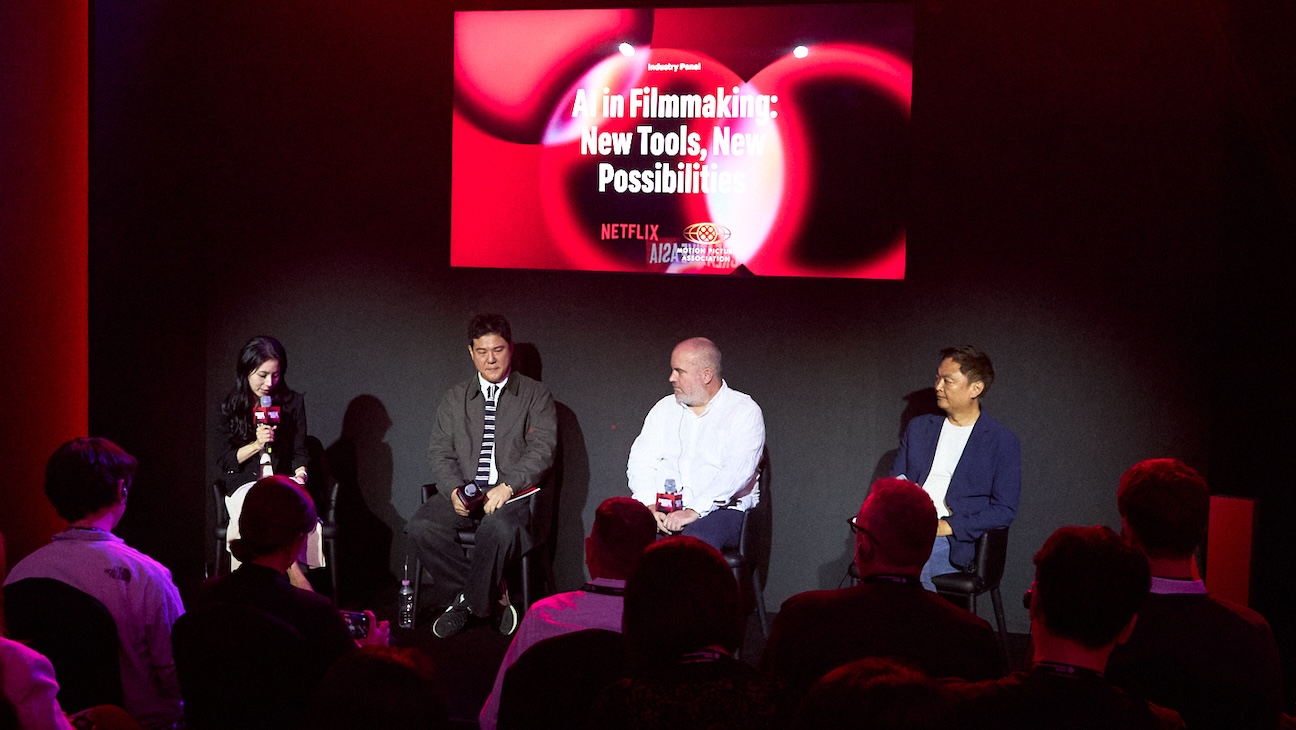
Netflix has used AI in various forms on about 300 titles, covering work from planning scenes to editing and visual effects. At the Busan International Film Festival, its senior director of Asia-Pacific production, Sung Q Lee, described a production tool with a sizeable footprint, but stressed that human creativity still determines what reaches audiences.
According to The Hollywood Reporter, Lee outlined uses including previsualisation, production design, set-dressing concepts, editing, and VFX at Netflix’s Creative Asia event on Saturday, 10 October. The figure covers AI used in different capacities, not 300 productions made entirely by generative AI.
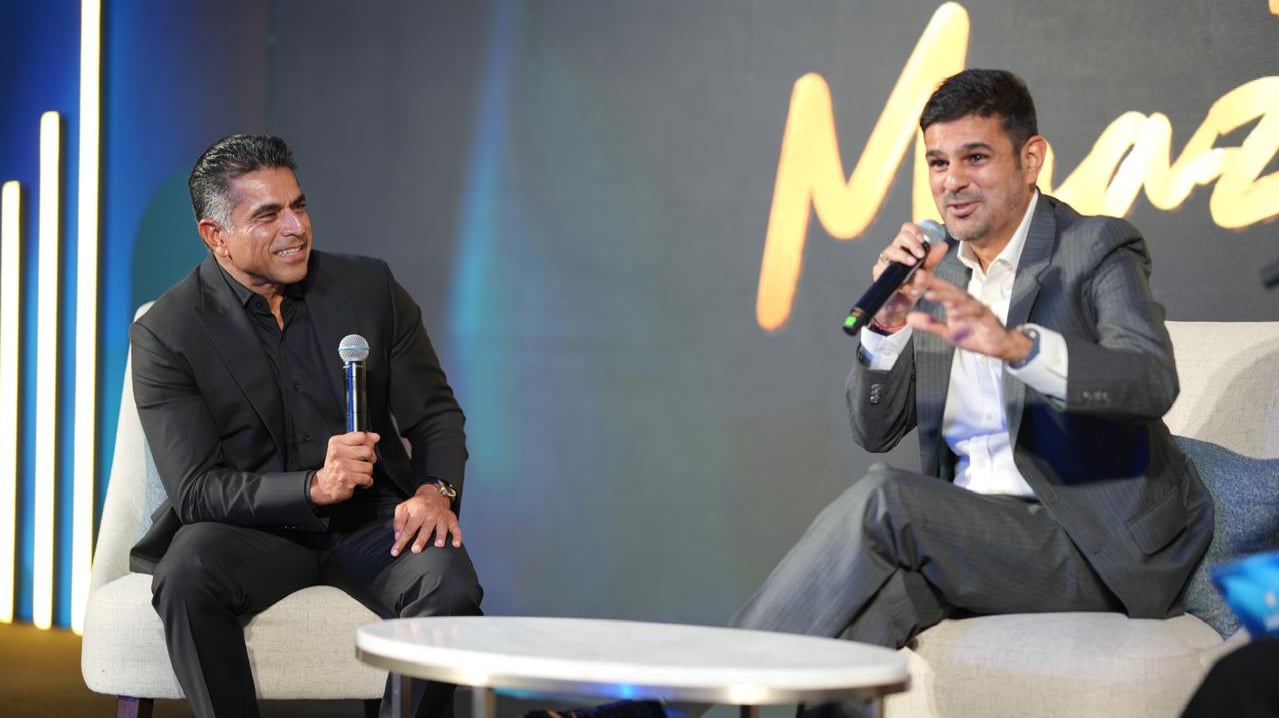
In Netflix’s official recap, Lee framed the approach as supporting creative work rather than substituting for it. The panel, co-hosted with the Motion Picture Association, also brought together The Outlaws director Kang Yun-sung and Wētā FX chief technology officer Kimball Thurston.
What AI is doing behind the scenes
Variety’s account of the discussion offers a specific example: Lee showed footage demonstrating how AI and VFX produced large crowd scenes for the Netflix India title Glory. He said budget and schedule constraints would normally have forced those scenes out of the production.
The same presentation included a reel from Netflix’s VFX studio Eyeline showing hybrid production, which combines live-action photography, visual effects, and generative tools. That distinction helps explain the 300-title figure: AI can contribute to a particular task without generating an entire film or replacing every traditional production step.
Thurston described Wētā’s approach as assistive AI that preserves creative intent. Its tools tackle repetitive work, allowing artists more time to refine images. He also identified technical limitations, including whether models trained on video reproduce colours accurately enough for the intended result.
Screen production has always borrowed tools and ideas from elsewhere. A recent example is Ben Affleck’s use of Fortnite skins as inspiration for costumes in Animals. Here, the discussion concerns tools used in production itself, rather than simply the source of a visual reference.
A 40% saving is a filmmaker’s estimate, not Netflix’s
Kang described a different use case on The Gulf of Aden, his action film using generative tools from China’s Kling AI. For financing calculations, he estimated that the approach could reduce production costs by around 40%. The savings included a simpler shoot and a shorter production period, not just changes to CG and VFX work.
That is a project-specific calculation, not a measured saving across Netflix’s 300 titles. It also doesn’t establish that every production could make the same cut. Kang’s argument was that lower costs could revive scenes and projects previously shelved because filmmakers couldn’t afford them.
The creative trade-off remained central. Kang warned that AI workflows can bypass the discussion and shared experience of filmmaking, even when their images look technically impressive. Better-looking footage does not automatically deliver a more affecting story.
The wider debate also includes performers’ consent, reflected in Nicolas Cage’s refusal to sign an AI waiver for Spider-Noir. This panel focused on production uses and creative judgement, rather than settling those separate concerns.
Netflix’s disclosure puts a number on AI’s role behind the scenes. It does not provide a complete list of the titles, a breakdown of the tools used on each, or a common measure of how much work AI performed. Those details would be needed to distinguish a small assist in post-production from a substantial generative contribution.