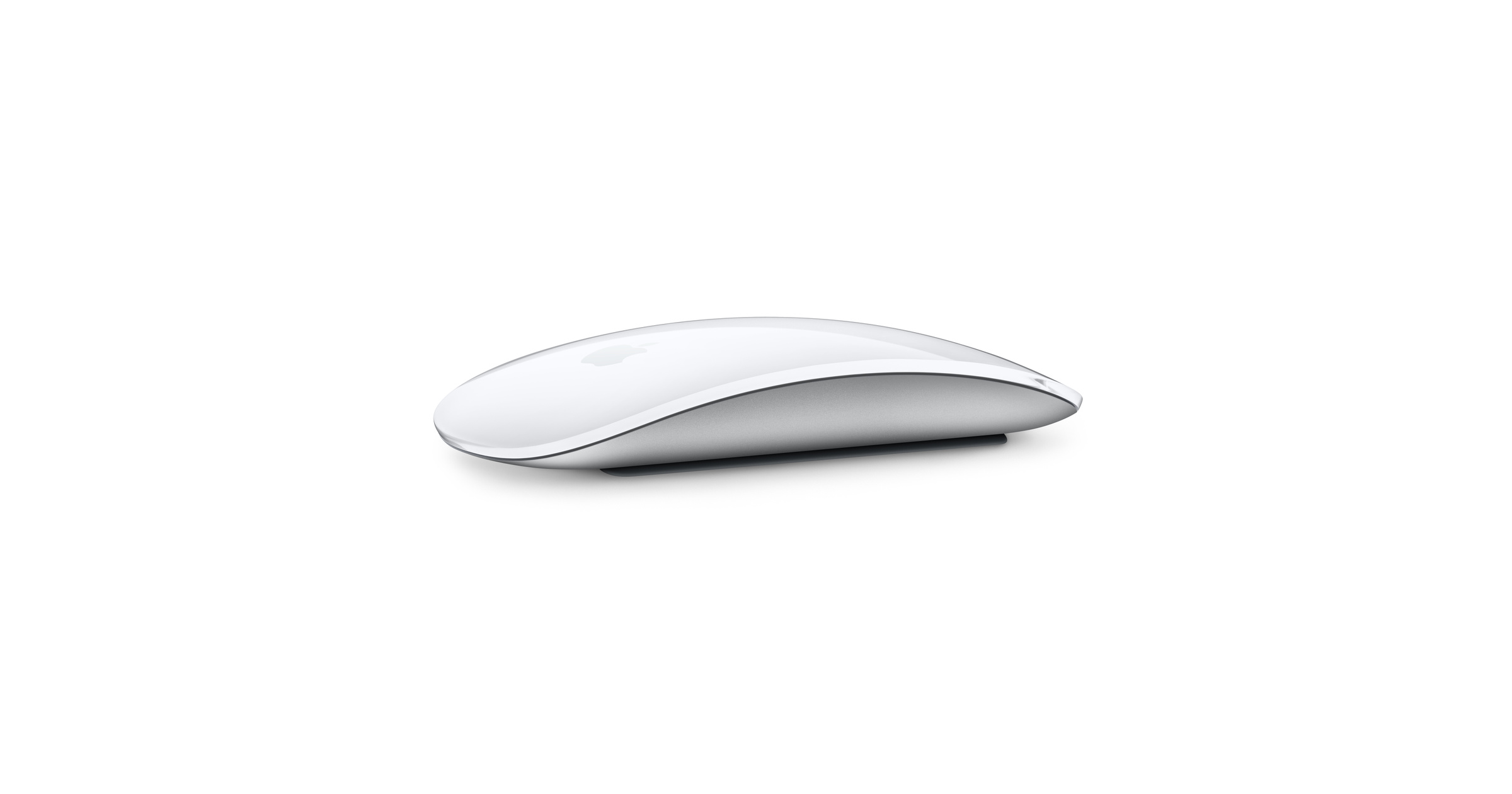
Apple has removed every Intel-based Mac from the official compatibility lists for the Magic Mouse and Magic Trackpad, even though both accessories still work with those machines. MacRumors reports that the product pages changed around 25 August, and that Apple brought several related tech specs pages into line this week. Apple hasn’t responded to the outlet’s requests for comment, so there’s no official explanation yet.
The change shows up clearly on Apple’s support site. The tech specs pages for the Magic Mouse (USB-C) and Magic Trackpad (USB-C), both introduced in 2024, now list only Apple silicon Macs. The lists start with the 2020 M1 MacBook Air, MacBook Pro and Mac mini and run through to the MacBook Neo, the latest M5 MacBook Pro models, the Mac mini with M6 or M5 Pro and the 2023 Mac Pro. Apple Vision Pro and the current Studio Display models also appear, and the trackpad page keeps a long list of compatible iPads.
A list that contradicts its own requirements
The odd part is the system requirements line on the same pages. Both still ask only for a “Mac with macOS 15.1 or later”. macOS 15 Sequoia runs on a good number of Intel Macs, and per Ars Technica’s macOS Tahoe review, Tahoe itself still supports four of them: the 2019 16-inch MacBook Pro, the 2020 13-inch MacBook Pro with four Thunderbolt 3 ports, the 2020 iMac and the 2019 Mac Pro. On paper, then, an Intel Mac on a supported macOS version meets the requirement but doesn’t appear on the list.
In practice, nothing appears to have broken. Per MacRumors, the mouse and trackpad continue to work with Intel Macs. Both connect over Bluetooth, and Apple says you can pair and charge them by plugging the included USB-C cable into a Mac. The trackpad also keeps its Force Touch and Multi-Touch features.

So far, the evidence points to a paperwork change rather than a technical cut-off. A missing entry on a compatibility page doesn’t stop a device from pairing, and none of the reporting so far describes Intel Macs losing gestures or scrolling. The open question is whether Apple plans to stop testing future accessory firmware against Intel hardware, or whether it has simply stopped listing machines it no longer sells.
Part of a longer Intel exit
The timing fits Apple’s wider retreat from Intel. The company said at WWDC 2025 that macOS 26 Tahoe would be the last version of macOS to support Intel Macs, which makes macOS 27 the first release to require Apple silicon. Ars Technica expects Tahoe’s security updates to dry up in mid to late 2028.
Apple has also set a deadline for Intel software on newer machines. General Rosetta support ends after macOS 27, and from macOS 28 Intel-only apps won’t launch on Apple silicon Macs, apart from a limited subset kept for older games. Trimming Intel models from accessory pages is a much smaller step, but it points in the same direction.
For anyone still working on an Intel iMac or MacBook Pro, a Magic Mouse or Magic Trackpad bought today should still pair as before. If Apple starts tying new accessory features to Apple silicon, our Mac mini M6 review covers Apple’s current entry-level desktop, and a refreshed OLED MacBook Pro may arrive within weeks.
FAQs
Does the Magic Mouse still work with Intel Macs?
Yes. MacRumors reports that the Magic Mouse and Magic Trackpad still work with Intel-based Macs. Only Apple’s compatibility lists have changed, and Apple hasn’t explained why.
What macOS version do the USB-C Magic Mouse and Magic Trackpad need?
Apple’s tech specs pages list a Mac running macOS 15.1 or later. The trackpad also supports iPads on iPadOS 18.1 or later and Apple Vision Pro on the latest visionOS.
Which is the last macOS version for Intel Macs?
macOS 26 Tahoe is the final release for Intel Macs, and it supports only four Intel models. macOS 27 runs only on Apple silicon.