GOG has seized on Sony’s decision to step back from PlayStation game discs to make a point it has been making for years: on its store, the game you buy is a file you keep, not a licence you rent. As Eurogamer reported, the company used Sony’s move as a hook to restate the fundamentals of DRM-free ownership, with the line that the future of gaming shouldn’t come at the expense of ownership.
Why is GOG bringing this up now?
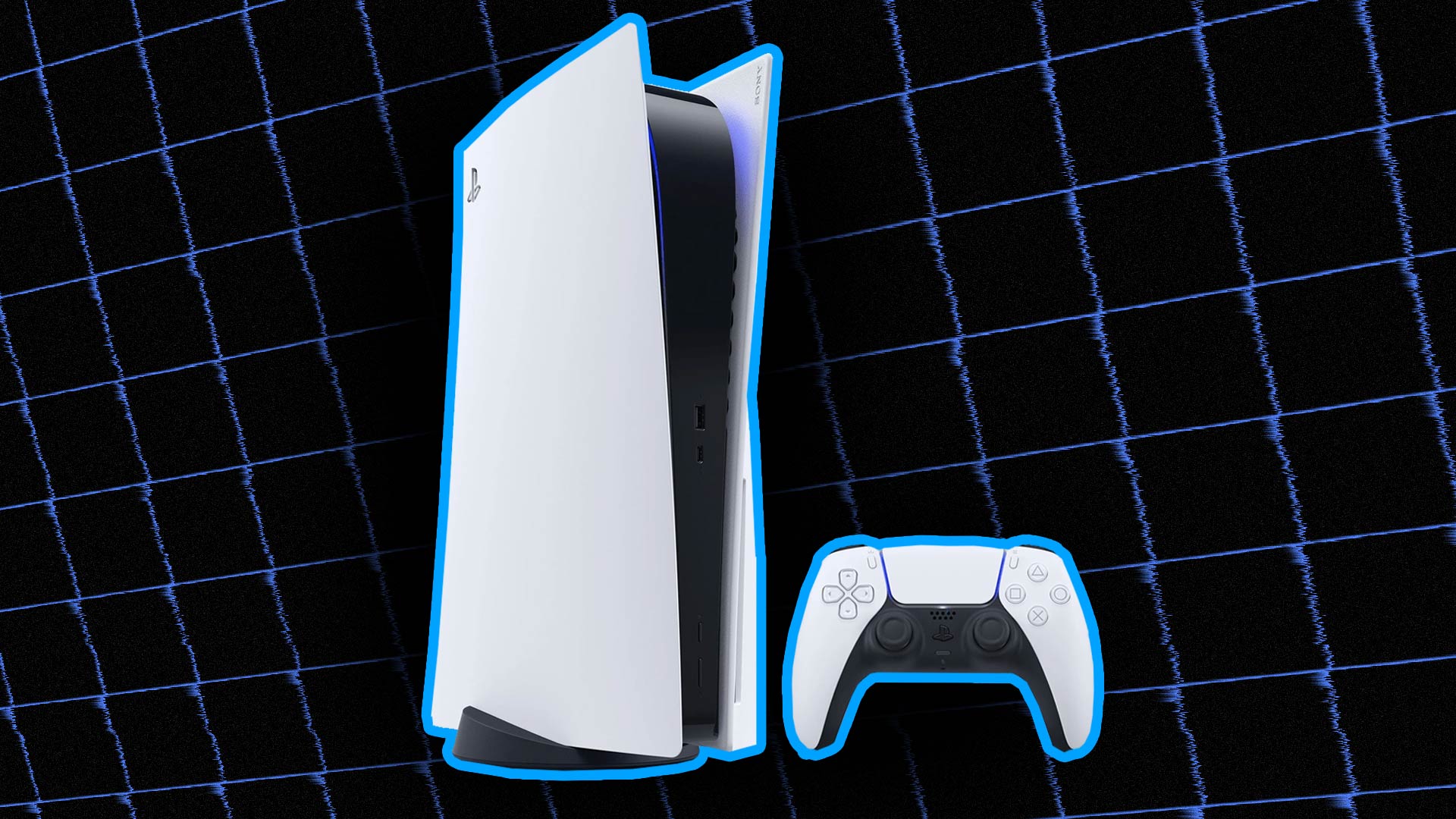
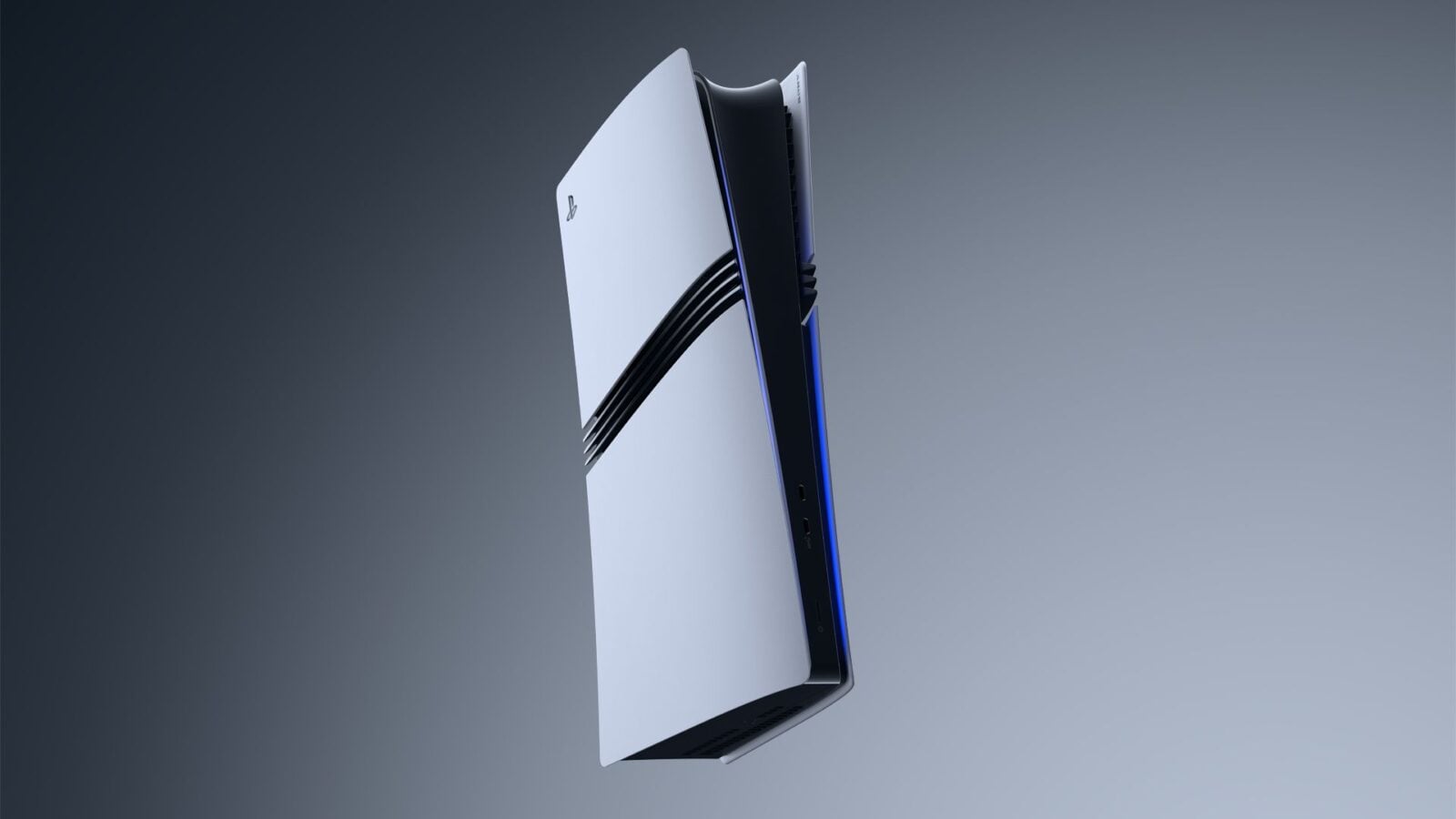
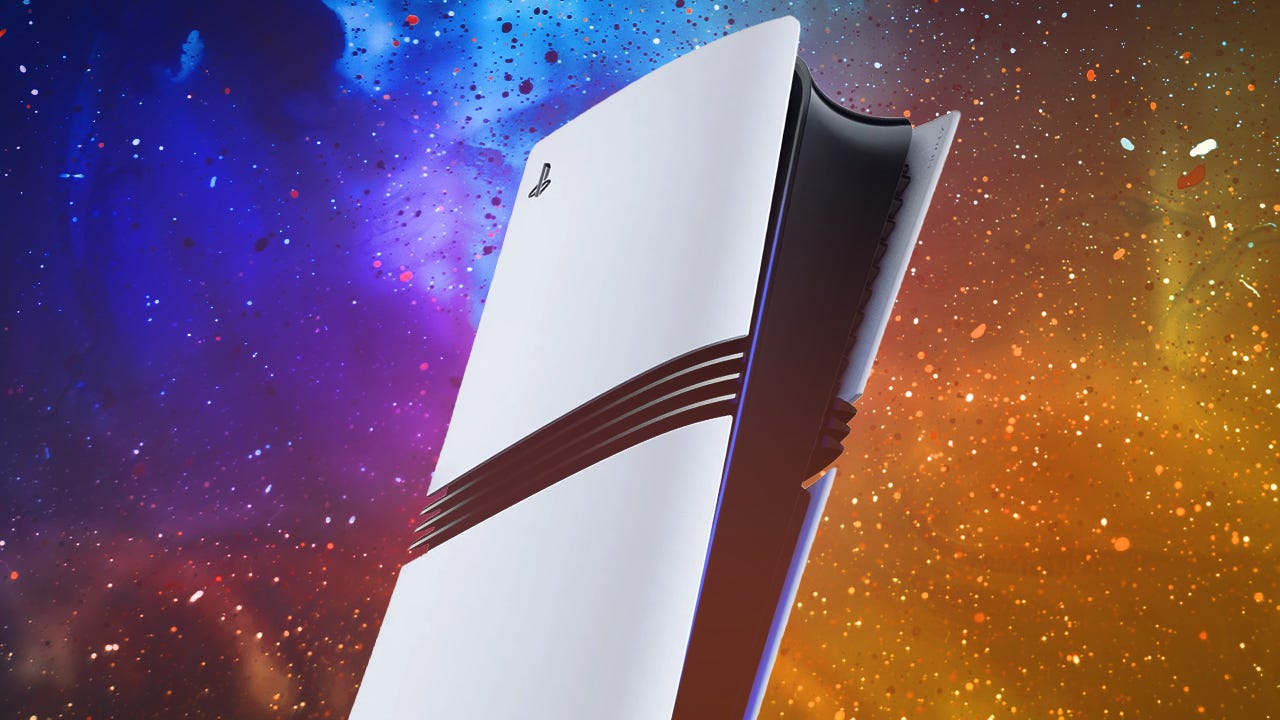
The trigger is Sony’s stated intention to end disc production for PlayStation games, which reopened the wider debate about what players actually own when everything is digital. Physical discs have long been the fallback answer to that question — a thing you hold, resell, and play regardless of what a storefront decides later. Remove them, and the discussion shifts to whether a digital purchase is truly yours or simply access granted at the platform’s discretion. GOG’s timing is opportunistic, but the argument lands because it targets a genuine anxiety rather than inventing one.
What is GOG actually promising?
GOG’s case rests on two things: DRM-free games and offline installers. Because titles are sold without digital rights management and can be downloaded as standalone installers, the company argues that a purchase does not depend on the storefront staying online or continuing to authorise play. “Even if a game vanishes from the GOG storefront, it never leaves your library,” the company said in a post highlighted by Eurogamer. For the buyer, the practical difference is control: a file sitting on your own drive keeps working whether or not the store that sold it to you still exists.
Eurogamer draws the sharpest contrast with Steam, where a purchase is a licence to play within Valve’s ecosystem rather than a game you download and own separately from any store. That distinction is the whole of GOG’s pitch, and Sony walking away from discs simply hands the company a fresh reason to press it.
What it means for players
For anyone who has watched games get delisted or storefronts change terms, GOG’s position is the reassuring version of digital buying — you download the installer, keep it, and you are not reliant on a server checking your credentials every time you launch. The obvious limits still apply: this is about how the games are sold and stored, not a guarantee about which specific titles will ever appear on the store. Sony ending disc production does not automatically move its catalogue into DRM-free territory, and nothing here says which PlayStation games, if any, land on GOG. What GOG has done is turn a Sony headline into a straightforward advertisement for the way it already sells games, and on the ownership question, it is not a hard argument to make.