AI-edited photos can change what people remember seeing, and they make people more confident about the wrong version. That’s the finding of an MIT Media Lab experiment that has resurfaced this month after Gizmodo relayed an interview in which MIT professor Pattie Maes discussed the work with the Washington Post.
The research itself isn’t fresh. The paper, published at the CHI 2025 conference by Pat Pataranutaporn, Chayapatr Archiwaranguprok, Samantha Chan, Elizabeth Loftus and Maes, is available as an open preprint. What’s new is the attention and the timing: phone makers keep adding AI editing tools that let anyone alter a picture in a few taps.
What the experiment did
According to the paper, 200 participants first viewed 24 baseline photographs. After a filler task, they were split into four groups of 50. One group saw the same images again as a control. A second saw AI-edited versions, a third saw five-second AI-generated videos made from the unedited images, and the fourth saw videos made from the AI-edited images. The edits added, removed or changed objects, people and environments, for instance by increasing the military presence in a scene or removing visible signs of climate change.
Participants then answered one question per image about the original photo. The authors report that all three AI conditions produced more false recollections than the control. The strongest effect came from AI videos of AI-edited images, which produced 2.05 times as many false memories as the control group. Confidence in those wrong answers was also highest in that group, at 1.19 times the control.
Where the effect was biggest
The authors broke the results down by what the AI changed. Edits involving people produced the most false memories in absolute terms: in the video-of-edited-image condition, 45.3% of all memories reported were false. Environmental edits showed the sharpest relative jump, at 2.2 times the control. Age had a small but significant effect, while the other demographic and cognitive factors the team tested showed no significant relationship.
One design choice stands out for anyone who assumes a label would protect them. Participants in every condition saw an “enhanced image” label on the visuals, mirroring the AI tags that social platforms are starting to add. The paper doesn’t claim a label is useless, but the false memories formed regardless.
Why the authors say it matters
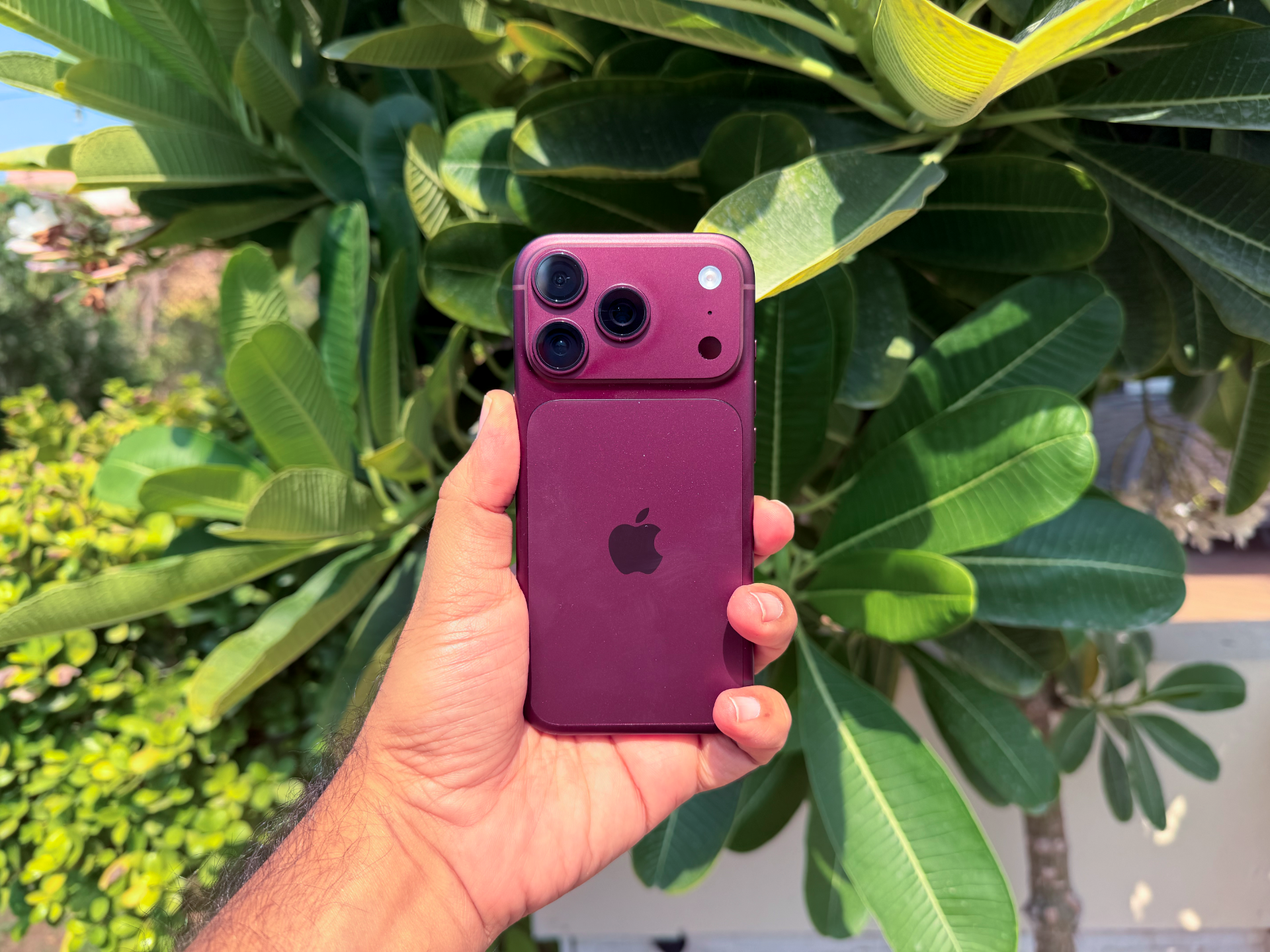
The paper points to features already in consumer hands, naming Google’s Best Take, Apple Photos, Google Photos and Samsung’s Galaxy AI. Its illustration of the risk is mundane: a camera app that quietly removes bystanders from a shot without keeping the original, leaving the photographer to recall the edited scene. Gizmodo adds that other studies have found similar effects, including a study from last year that it says found deepfakes and AI-generated text planted false memories of made-up political scandals and lowered voting intention.
The authors also see a possible upside, such as therapeutic memory reframing, while stressing the ethical, legal and political risks. Gizmodo’s broader argument is that the problem grows as organisations deploy AI with a “human in the loop” meant to catch errors, since memory is easily swayed. That’s the outlet’s reading, not a result of the MIT experiment.
We recommend keeping the original file whenever you apply AI edits to photos that matter to you, and checking it before you describe the event to others. The study tested a lab setting with 200 participants viewing photos they hadn’t taken themselves, so it doesn’t show how strongly the effect holds for your own memories over months or years. The authors suggest that question for future work.
Does the study show AI summaries distort memory?
No. Gizmodo’s write-up mentions photos and summaries, but the MIT paper tested AI-edited images and AI-generated videos. The deepfake and text study Gizmodo cites is a separate piece of research.
Is this a new MIT study?
No. The paper was presented at the CHI conference in April 2025. The renewed coverage follows a Washington Post feature on 15 October 2026 and Gizmodo’s write-up three days later.
How can I protect my own photo memories from AI edits?
Keep the unedited originals alongside any AI-modified copies, and check the original before you recount an event. The authors don’t offer a foolproof fix; they discuss public awareness campaigns and ethical AI design as mitigation approaches.