Xbox business strategist Brandon Stirrup has argued that developers who refuse to consider AI should not be running a games business, after using it to create a small game over a weekend. GamesRadar+ reports that Microsoft’s senior business strategy manager spent about three hours actively working on what he described as a bad but improvable game across two days. His posts turn that personal experiment into a much broader argument about how studios should plan their future.
Stirrup’s bluntest comment targeted developers who reject the technology: “If you’re a game developer refusing to believe that AI has a place in your future, you should not be in the business of being a business.” He also argued that five- or ten-year plans without AI would prepare studios for a future that would not arrive. Those are his views on the industry’s direction, rather than an announced requirement for Xbox developers.
A weekend experiment becomes an industry argument
In a post sharing a recording of the experiment, Stirrup said he had never previously attempted to make a video game. He described fitting the work around an NFL game, a park visit with his daughter, and time with family, then asked what he could achieve with two people helping over a year. GamesRadar+ describes the result as a basic football simulation, while Stirrup said the recording showed an agent testing and iterating on it.
The process is often called vibe coding: a person describes what they want in natural language and lets an AI system produce and revise the code. Stirrup used the experiment to argue that anyone can build a game, extending his claim from a small prototype to the potential for custom, tailored games. The work he described was an early attempt that he himself considered rough, with improvement still ahead.
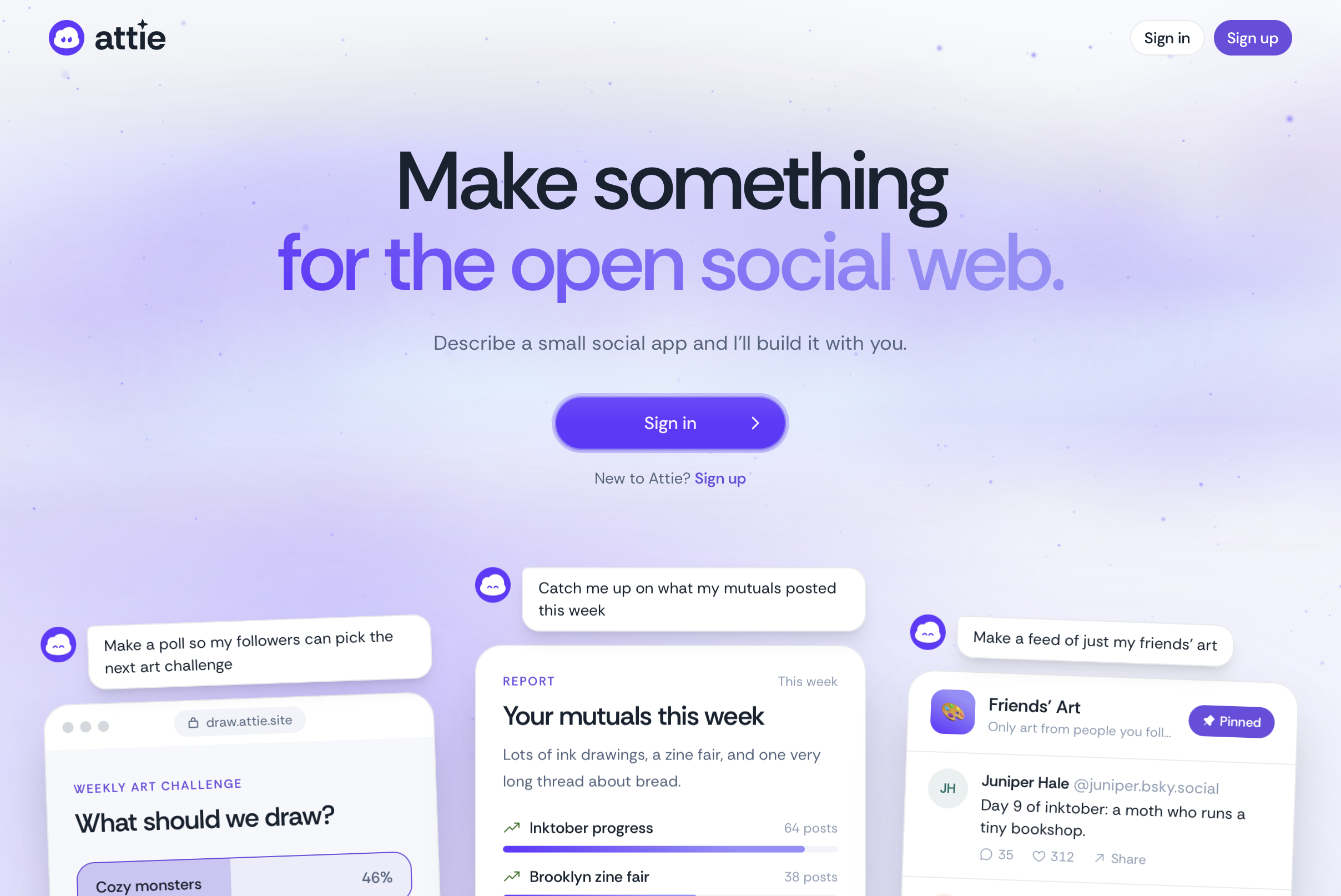
That interest in prompt-built games extends beyond Xbox. As tbreak previously reported, Bluesky’s Attie tool can create small games and apps that users can share. Both stories concern tools that let people attempt projects without starting with conventional programming, although Stirrup’s argument goes further by presenting AI adoption as a business necessity.
Xbox already has an experimental programme
Windows Central’s coverage of Stirrup’s comments also reports his assertion that AI is already in use inside gaming. GamesRadar+ quotes a more specific claim that hundreds of Xbox employees use it, but says it could not verify either that number or the extent of their use. The available reporting therefore leaves the scale of internal adoption unresolved.
There is a separate, documented initiative behind Xbox’s interest in experimentation. In the October 13 memo reproduced in Windows Central’s Xbox Labs report, Xbox chief Asha Sharma outlined a small group of game makers, engineers, and scientists tasked with turning emerging ideas into experiences for players and developers. The memo discusses games rebuilt for different hardware, browser ports, and opportunities for players to become creators, with plans to share tools as the team learns.
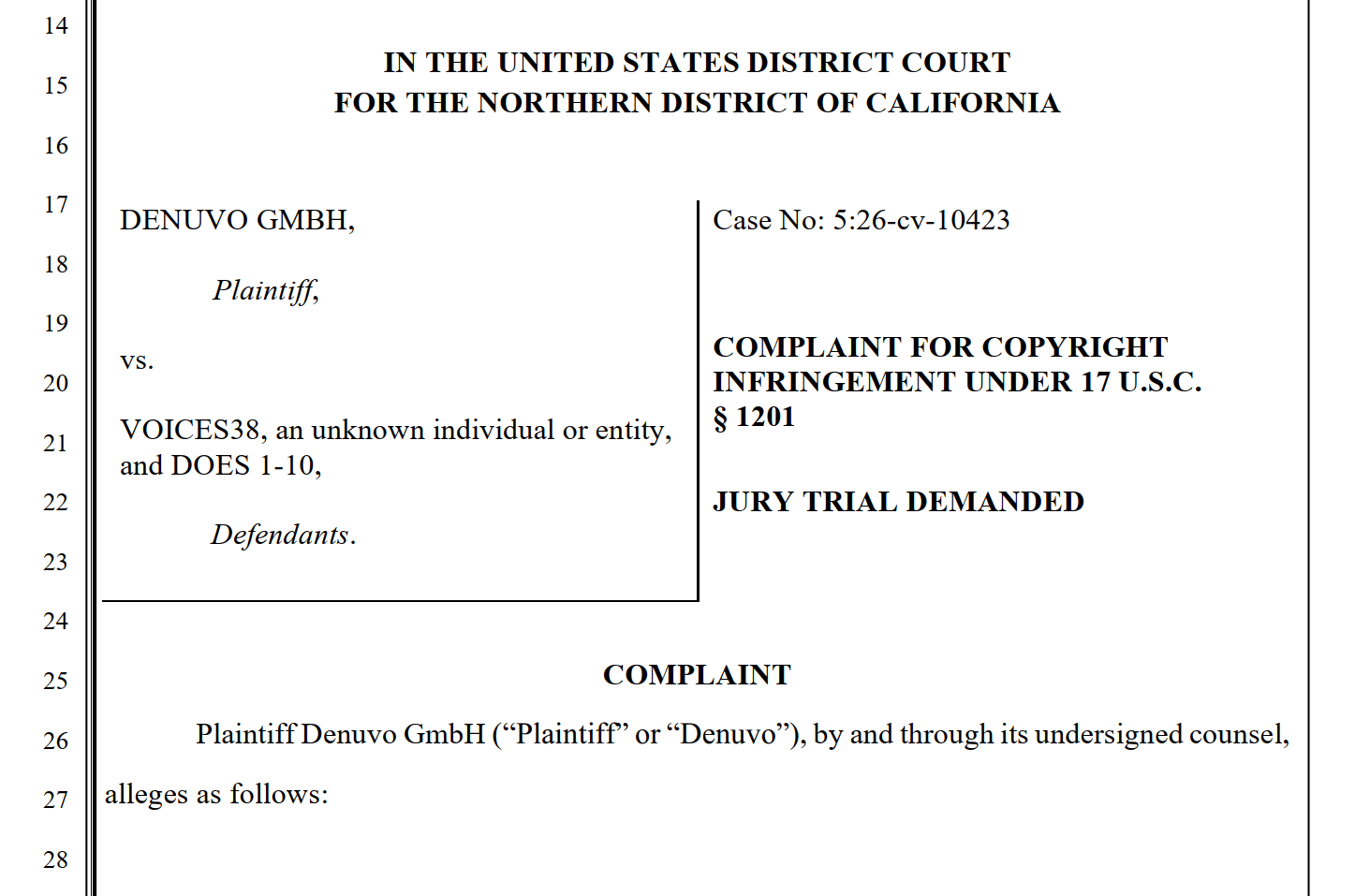
Sharma also committed Xbox to responsible stewardship of intellectual property and its communities. That sits alongside a practical constraint on AI-assisted experiments: existing games and assets still have owners. Earlier this month, tbreak covered Activision and Bethesda’s action against AI-made game projects, illustrating how quickly fan experimentation can meet rights enforcement. Stirrup’s weekend project puts the creation tools in the spotlight; Xbox Labs’ remit also includes the work of deciding how such experiments reach players.
What does vibe coding mean?
It means using natural-language prompts to have an AI system write and revise code, rather than manually writing every part. A person still directs the project and decides what to change.
Do Xbox developers have to use AI?
The reports describe Stirrup’s personal argument for adoption. They do not establish an Xbox rule requiring developers to use AI.