
Valve engineer's Linux VRAM hack turbocharges 8GB GPU gaming performance
Linux gaming gets a major boost as new kernel patches keep 8GB GPUs running at peak performance by stopping background apps from stealing video memory. Testing shows 53% less system RAM dependency in Cyberpunk 2077.

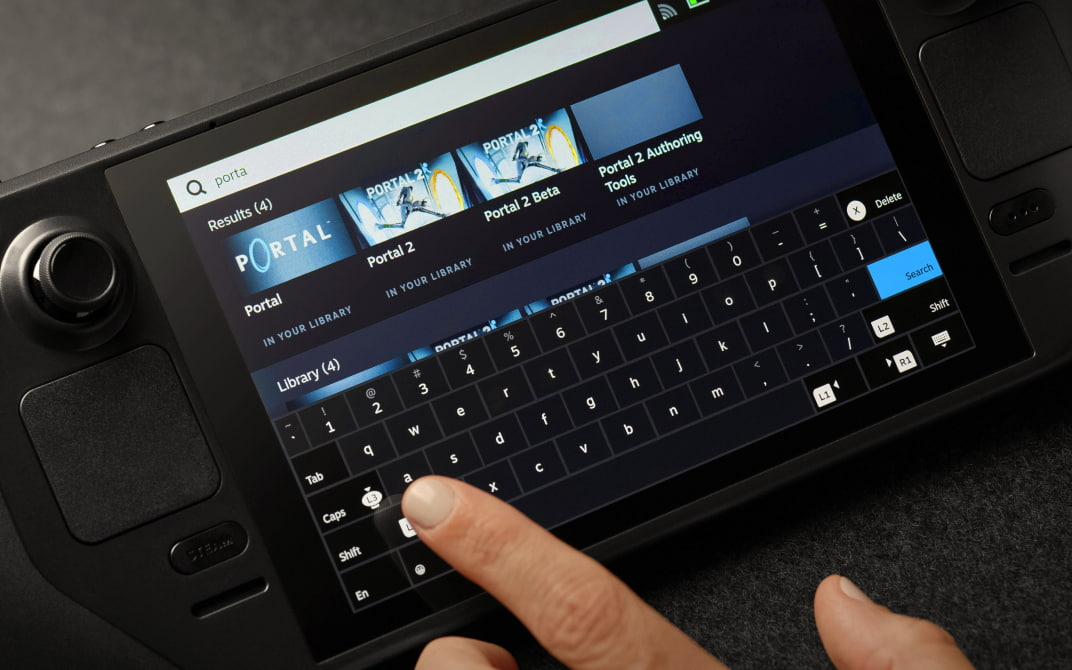
Valve engineer Natalie Vock has developed kernel patches that dramatically improve gaming performance on 8GB GPUs by prioritizing VRAM allocation for active games (va TomsHardware). The breakthrough solution prevents background tasks from evicting game data from video memory, reducing stutters and improving frame consistency on Linux systems.
Key Takeaways
- Natalie Vock from Valve developed kernel patches that prioritize VRAM allocation for active games over background tasks.
- The fix increased Cyberpunk 2077's VRAM usage from 6GB to 7.4GB while reducing system memory spill by 53%.
- Two utilities called dmemcg-booster and plasma-foreground-booster implement the VRAM optimization.
- The patches currently only work with AMD GPUs due to Nvidia's closed-source drivers.
- CatchyOS is already integrating the patches while main Linux kernel integration awaits approval.
What is the Linux VRAM optimization hack?
Vock, part of Valve's Linux graphics driver team, created two utilities that instruct the operating system to prioritize VRAM for foreground applications. The solution addresses a fundamental issue where Linux doesn't distinguish between games and background processes when allocating video memory.
Previously, when VRAM filled up, Linux would randomly evict any application's data to system memory — including active games. This caused performance drops as games were forced to retrieve assets from slower RAM instead of dedicated video memory.
The new patches ensure that if VRAM becomes full, background tasks are moved to system memory first, protecting the active game's performance. This represents optimization rather than reduction — games can now use VRAM more efficiently without competing against less critical processes.
How dmemcg-booster and plasma-foreground-booster work
The primary tool, dmemcg-booster (Device Memory Control Groups), tells Linux which programs need VRAM protection from eviction. When background applications require video memory, they're automatically moved to slower system RAM to preserve game performance.
The companion utility plasma-foreground-booster works specifically with KDE desktop environments, automatically identifying which window is active and prioritising its VRAM allocation. This eliminates manual intervention while gaming.
Both utilities work together to create a hierarchical memory management system that understands the difference between critical gaming processes and less important background tasks.
Performance gains demonstrated with Cyberpunk 2077
Vock's testing with Cyberpunk 2077 on an 8GB GPU showed significant improvements. Without the fixes, the game used approximately 6GB of VRAM while 1.37GB spilled into the Graphics Translation Table (GTT), indicating inefficient memory usage despite available headroom.
With the optimizations active, Cyberpunk 2077 utilised 7.4GB of VRAM — nearly the full capacity — while GTT usage dropped to just 650MB. This represents a 53% reduction in system memory dependency and allows the GPU to operate closer to its full potential.
The improvements particularly benefit cards with limited VRAM, as users with 12GB+ cards rarely experience these allocation conflicts. The solution essentially allows 8GB cards to perform more like higher-capacity alternatives.
AMD GPU compatibility and Nvidia limitations
The patches currently work exclusively with AMD GPUs because they use open-source drivers that allow direct memory management modification. Nvidia promises 1 million times faster path tracing in future gaming GPUs, but their closed-source driver architecture prevents the same optimizations from being implemented.
This limitation reflects broader differences in how GPU manufacturers approach Linux support. AMD's open-source driver development enables community contributions like Vock's patches, while Nvidia's proprietary approach restricts external modifications.
The restriction means Linux gaming reaches 5.3% on Steam, Windows drops below 93% growth could be limited by GPU choice, with AMD users gaining access to these performance improvements first.
Integration status and availability
The patches are currently being integrated into CatchyOS, a gaming-focused Linux distribution. Main Linux kernel integration is pending approval through the standard merge process, which typically takes several months for significant changes.
Advanced users can download and compile the patches manually for any Linux distribution, though this requires technical knowledge and comfort with kernel modification. The patches are available through Vock's development repositories.
Once mainline integration occurs, the optimizations will become available across all major Linux distributions through standard kernel updates, making the benefits accessible to all AMD GPU users without manual intervention.
Frequently Asked Questions
What is the VRAM hack for Linux?
It's a software solution developed by Valve engineer Natalie Vock that optimizes VRAM usage on Linux by prioritizing foreground games over background applications. The hack prevents game data from being evicted to slower system memory.
How does the VRAM hack improve gaming performance?
The hack ensures active games retain their VRAM allocation, forcing background tasks to use system memory instead. This prevents game stutters and frame drops caused by data eviction, particularly benefiting 8GB GPUs.
Which GPUs are compatible with these VRAM fixes?
Currently, the patches only work with AMD GPUs because they use open-source drivers that allow memory management modifications. Nvidia's closed-source drivers prevent the same optimizations from being implemented.
What are dmemcg-booster and plasma-foreground-booster?
dmemcg-booster tells Linux which programs need VRAM protection from eviction. plasma-foreground-booster automatically prioritises VRAM for the active window in KDE desktop environments, eliminating manual intervention during gaming.
When will these patches be available in Linux?
The patches are already integrated into CatchyOS distribution and await approval for the main Linux kernel. Advanced users can manually install them now, while general availability will come through standard kernel updates.
Written by

Subscribe to our newsletter
Subscribe to our newsletter to get the latest updates and news













Member discussion