Tabby has secured consumer finance and SME finance licences from the Saudi Central Bank (SAMA), enabling 12-month Shariah-compliant payment plans up to SAR 50,000 and working capital for retailers on its platform.
- SAMA granted Tabby both a consumer finance licence and an SME finance licence, announced on 29 June 2026.
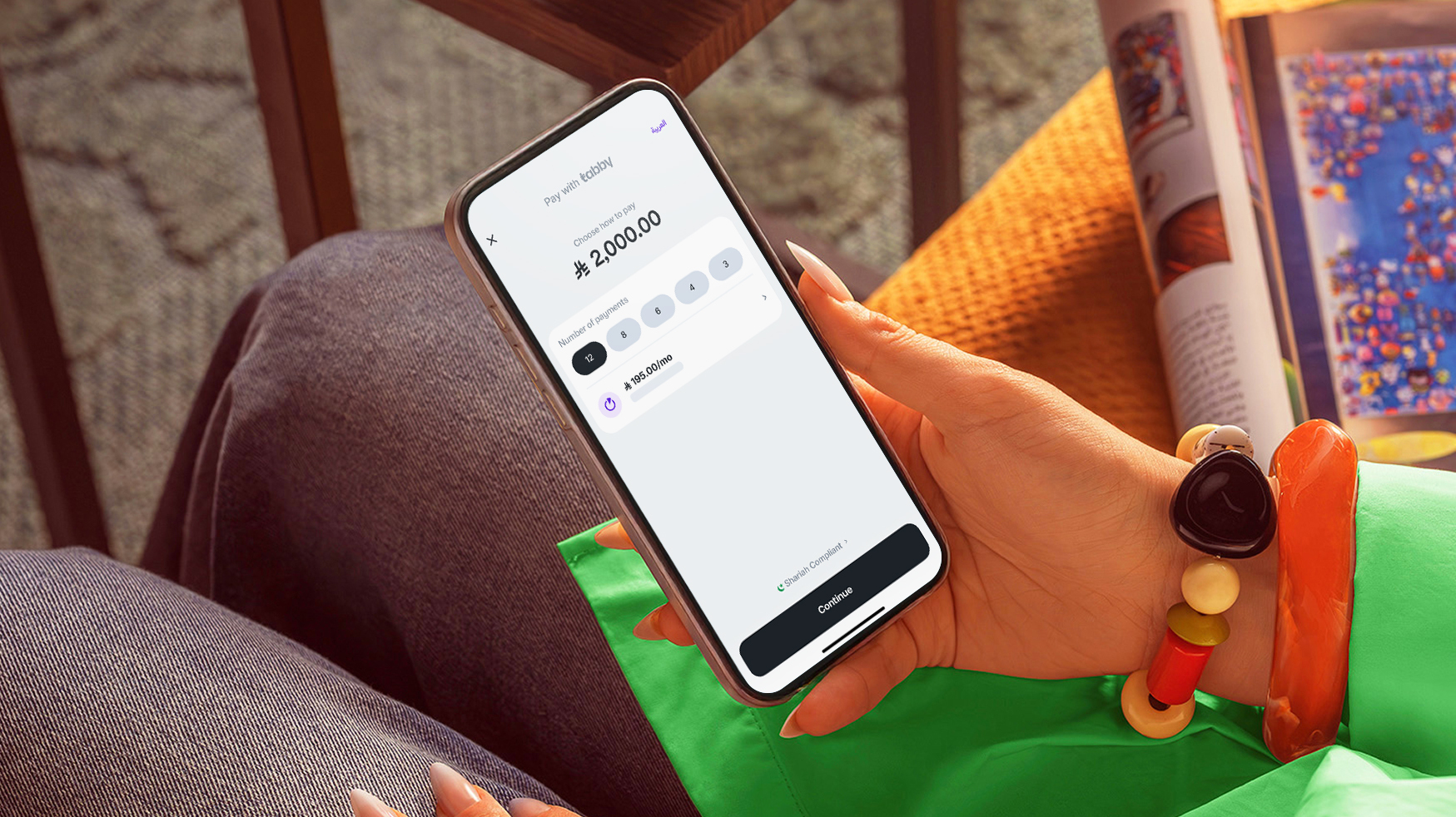
- The consumer licence covers purchases over SAR 2,000 up to a SAR 50,000 ceiling, spread over as many as 12 monthly payments.
- The longer plans use a Murabaha structure: a fixed profit agreed upfront, with no compounding and no late fees.
- Longer plans are already live at Noon, Fitness Time, IKEA, Almanea, Almosafer, Almatar and flynas, rolling out to all eligible customers over the coming weeks.
- Tabby serves more than 25 million registered users and over 65,000 businesses across Saudi Arabia, the UAE and Kuwait.
Tabby has secured two finance licences from the Saudi Central Bank (SAMA) — a consumer finance licence and an SME finance licence — enabling 12-month Shariah-compliant payment plans up to SAR 50,000 and working capital for retailers on its platform. Announced on 29 June 2026, the consumer plans cover purchases over SAR 2,000 using a Murabaha structure with no interest, no compounding and no late fees. This marks Tabby’s shift from a buy now, pay later app into a regulated, full-stack consumer and SME lender in its largest market.
What the new SAMA licences let Tabby do
The two licences expand Tabby’s regulated permissions in Saudi Arabia well beyond instalment retail. The consumer finance licence covers longer plans on larger purchases — over SAR 2,000, up to a SAR 50,000 ceiling, spread across up to 12 monthly payments. The SME finance licence lets Tabby provide working capital to the businesses selling on its platform.
This is the regulatory layer that turns a short-term instalment product into something closer to a consumer credit business. The plans are rolling out now to a first group of customers and will reach all eligible customers over the coming weeks. Existing customers can check eligibility at checkout.
How Murabaha financing works
The longer plans use a Murabaha structure, which means the cost is a fixed profit margin agreed and disclosed at the start, not interest that compounds over the life of the loan. In practice, the customer knows the total upfront and what they owe never grows. There is no compounding and there are no late fees.
That distinction is the whole point. Conventional credit prices risk through interest that accrues — the longer you owe, the more you pay, and missed payments trigger penalties. A Murabaha plan fixes the number on day one. For a market where Shariah compliance is a precondition for mass adoption, structuring the product this way is not a marketing choice; it is what makes the higher-value financing legally and culturally viable.
How the longer plans compare to Pay in 4
The new plans sit alongside Tabby’s existing products, not in place of them — and they target a different purchase entirely. Pay in 4 still splits everyday purchases into four monthly payments and stays exactly as it is. The longer plans are built for bigger-ticket spending that needs more time.
| Product | Terms |
|---|---|
| Pay 3 | 3 monthly payments, interest-free, no fees |
| Pay in 4 | 4 monthly payments, 1% processing fee, no interest |
| Longer plans (new) | Up to 12 monthly payments on purchases over SAR 2,000 to SAR 50,000; fixed Murabaha profit agreed upfront, no compounding, no late fees |
The strategic read is straightforward. Pay in 4 owns the customer at the checkout for everyday retail. The longer plans extend that same relationship up the value ladder — education, travel, used cars and short-term rentals, where the sums are large enough that consumers genuinely weigh financing options. Tabby’s CEO and Co-Founder Hosam Arab framed it around exactly those categories:
Tabby already gives millions of people flexibility and control over their money. Now we can extend that to the bigger purchases in life, paying for a course, furnishing a home, booking a holiday. It answers clear demand from our customers and puts the same control in their hands.
Hosam Arab, CEO and Co-Founder, Tabby
Which retailers already offer the longer plans
Longer plans are already live across a set of named Tabby retailers in Saudi Arabia. Those are Noon, Fitness Time, IKEA, Almanea, Almosafer, Almatar and flynas. Sellers in the higher-value categories Tabby is targeting can offer the option at checkout so customers can spread the cost.
The merchant mix tells you where Tabby thinks the volume is. A furniture retailer, a fitness chain, travel agencies and an airline are exactly the kinds of large-basket sellers where a 12-month plan changes the purchase decision — and where the merchant benefits from a larger average order. The more merchants that switch these baskets onto Tabby, the more useful Tabby becomes to consumers, which pulls in more merchants. That flywheel is what regulated longer financing is meant to feed.
What the SME finance licence changes
The SME finance licence lets Tabby lend working capital to the more than 65,000 businesses on its platform, giving retailers funding to grow. Tabby has not disclosed a launch date or terms for this product, so treat it as a confirmed permission rather than a live offering.
This is the more interesting half of the announcement strategically. Tabby already sees the transaction data for every merchant on its network — sales volume, seasonality, repayment behaviour. Lending against that data is a structurally advantaged position: it knows the borrower’s business better than an outside bank could, and it owns the distribution. Owning both sides of the marketplace and the financing that sits underneath it is how a payments app becomes harder to dislodge.
Is this available in the UAE
Tabby says longer-term plans are already available in the UAE, so the Saudi licences formalise and expand a capability that exists in Tabby’s other core markets. Tabby serves Saudi Arabia, the UAE and Kuwait, with more than 25 million registered users across the GCC.
What Tabby has not stated is whether the UAE plans share the same SAR 50,000 limit or 12-month maximum, and no UAE-specific pricing or retailer list for the longer plans was provided. The company’s Tabby Card and broader payment products already operate in the Emirates, but the parameters for higher-value financing there remain unconfirmed.
Why the regulatory step matters
These licences build on the foundation Tabby laid in 2025, when it graduated from SAMA’s regulatory sandbox and received its buy now, pay later licence. SAMA grants a finance licence only to companies that meet its standards for compliance, security and customer protection, and Tabby ties the move to Saudi Vision 2030 and its goal of widening access to fair, transparent financial services.
The pattern here is one we have seen before: a fintech earns trust with a narrow, low-risk product, then uses the regulatory standing it builds to expand into adjacent, higher-margin lending. Tabby is doing to consumer credit what it already did to retail checkout — owning the customer relationship while pulling more of the financing value chain inside its own walls. If the model holds, the BNPL label will look increasingly out of date.
FAQ
What does Tabby’s new SAMA licence allow it to do?
Tabby received a consumer finance licence and an SME finance licence from the Saudi Central Bank (SAMA). The consumer licence lets it offer payment plans of up to 12 months on purchases over SAR 2,000, with a limit of up to SAR 50,000. The SME licence lets it provide working capital to retailers on its platform.
How is the new longer payment plan different from Pay in 4?
Pay in 4 splits everyday purchases into four monthly payments and remains unchanged, with a 1% processing fee and no interest. The new longer plans are for bigger purchases over SAR 2,000 up to SAR 50,000, spread over up to 12 months, carrying a fixed Murabaha profit agreed upfront with no compounding and no late fees.
Is Tabby’s new payment plan Shariah-compliant?
Yes. The longer plans use a Murabaha structure, where the cost is a fixed profit disclosed and agreed at the start instead of interest that compounds over time. There are no late fees.
Is the longer payment plan available in the UAE?
According to Tabby, longer-term plans are already available in the UAE. The new SAMA licences specifically expand and formalise this capability in Saudi Arabia, Tabby’s largest market. Tabby has not stated whether the UAE plans share the same SAR 50,000 limit or 12-month maximum.