A new report says the Steam Deck 2 could use older AMD graphics than earlier chip rumours suggested. Leaker Kepler_L2 told Notebookcheck that the rumoured Gainsborough APU may use RDNA 3.5+ or RDNA 4m graphics. A separate X post cited by the outlet puts the GPU at 12 compute units (CUs). Valve has confirmed neither the chip nor its specifications.
That differs from the first Gainsborough reports, which linked the APU to Zen 6 CPU cores and RDNA 5 graphics. PC Gamer reported that version of the leak, while The Verge has questioned whether Gainsborough is necessarily intended for a Valve handheld. The codename link to the original Deck’s Aerith APU is suggestive, not confirmation.
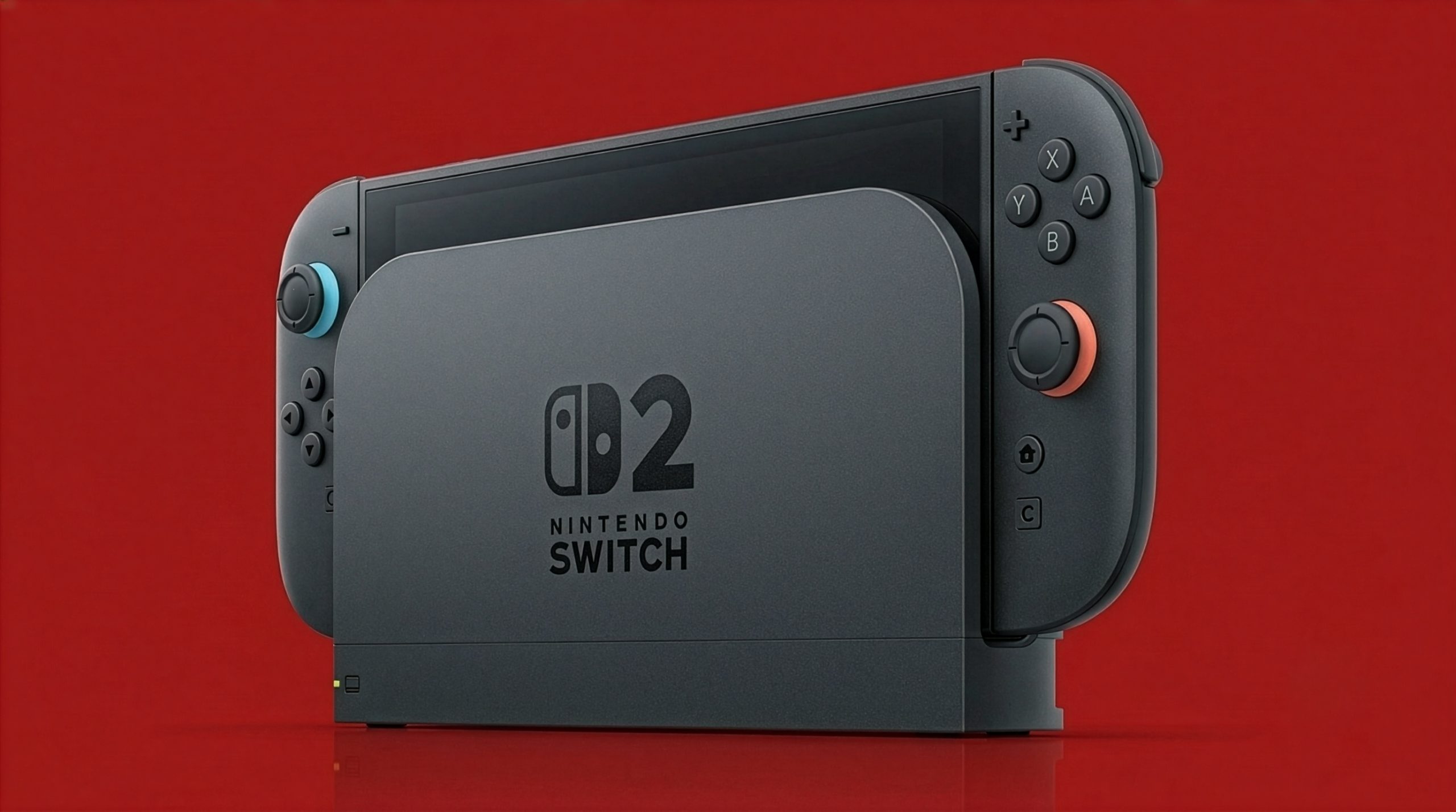
The image below shows the current handheld, not the unconfirmed successor.

Steam Deck 2 GPU leak clashes with earlier RDNA 5 talk
| GPU | Architecture claim | Compute units | Status |
|---|---|---|---|
| Current Steam Deck | RDNA 2 | 8 | Valve specification |
| Gainsborough, if used in the successor | RDNA 3.5+ or RDNA 4m | 12, according to a separate post | Unconfirmed leak |
Valve’s official specifications list the Deck GPU at 1.6GHz and APU power at 4–15W. The leak gives no clocks, power limit, cooling or memory bandwidth for the rumoured chip, so the 12-CU count alone cannot predict its game performance.
Notebookcheck compares the rumour with AMD’s Radeon 880M, a 12-CU RDNA 3.5 laptop GPU, and says its testing struggles with demanding AAA games. That is a reference point, not a prediction: a laptop chip’s power, cooling and memory setup differ from an unreleased handheld APU.
Valve wants more than a small performance bump
The rumour matters because Valve has said it wants a clear generational improvement without giving up battery life. Valve designer Pierre-Loup Griffais said in a PC Gamer interview:
“We’re not interested in getting to a point where it’s 20 or 30 or even 50% more performance at the same battery life. We want something a little bit more demarcated than that.”
Pierre-Loup Griffais, via PC Gamer
The reports add another unconfirmed possibility to a long-running project. Valve has previously said its next handheld is closer but not ready, and later said the RAM shortage had not changed its plans. Neither statement supplied a release date or a confirmed APU. The Steam Deck 2 therefore remains a product in development, not a hardware specification readers can compare yet.
Does the 12-CU leak confirm the Steam Deck 2 graphics chip?
No. The architecture and CU count come from separate leaker claims, and neither Valve nor AMD has announced the chip. A design under development could also change before any retail device ships.
Why can’t compute-unit count predict handheld game performance?
GPU clocks, the power limit, cooling, memory bandwidth, resolution and driver support all affect frame rates. A laptop GPU with 12 CUs is not a like-for-like test of an unreleased handheld chip.