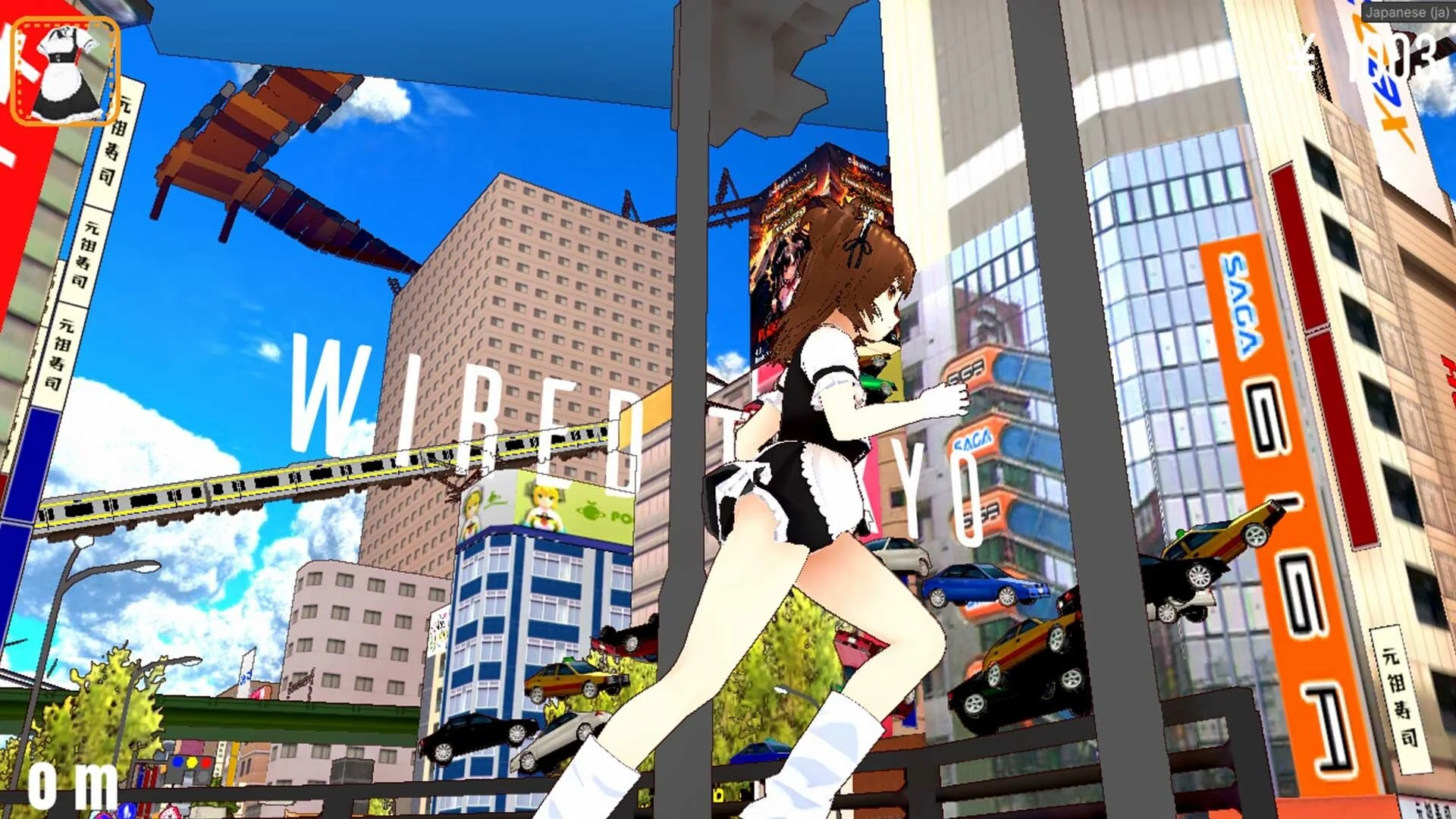
Steam has blocked Japanese indie developer Daikichi’s upcoming game demo for alleged intellectual property infringement, according to Video Games Chronicle. The problem: the disputed IP actually belongs to Daikichi themselves. The developer now faces expensive legal requirements to prove ownership of assets from their own previously published card game.
Key Takeaways
- Steam blocked Daikichi’s Wired Tokyo 2007 demo for allegedly infringing on third-party IP that actually belongs to the developer.
- The disputed content is Dinostone, a dinosaur-themed card game Daikichi released in 2023 under a pseudonym.
- Steam requires expensive legal documentation or attorney opinions that small indie developers cannot afford.
- Daikichi submitted a self-signed document granting permission to use their own work as a potential workaround.
- The case highlights bureaucratic challenges indie developers face when proving ownership of self-created assets.
What happened with Wired Tokyo 2007
Daikichi was planning to release a demo of Wired Tokyo 2007, a 3D vertical action game set in Tokyo’s skyline. Steam blocked the demo, citing potential infringement of “dinosaur themed card games shown in the environment within your app in gameplay.”
The reference points to Dinostone, a dinosaur-themed trading card game that Daikichi released in 2023. The developer included references to their previous work as environmental assets in Wired Tokyo 2007. Steam’s automated systems flagged these assets as potential third-party IP violations.
Steam’s message to Daikichi states they must provide “reasonable assurances” that no infringement has occurred. Without such documentation, Steam “don’t plan to ship your app.”
The legal documentation problem
Steam requires either license agreements or “a legal opinion from your attorney analysing the intellectual property issues and explaining why you don’t need licenses.” For indie developers operating on tight budgets, these requirements present significant financial barriers.
“Where on Earth can I find an official document that legally proves I own the rights to a board game I published online under a pseudonym?” Daikichi asked on X (formerly Twitter). The developer published Dinostone under their Daikichi pseudonym rather than their legal name, complicating ownership verification.
“So basically, all I have to do is hire a lawyer and submit a legal opinion letter?” they continued. “Where’s that kind of money supposed to come from with an indie game budget?”
What this means for indie developers
This case highlights a broader challenge facing independent game developers on major platforms. When creators use pseudonyms or develop assets across multiple projects, proving ownership becomes bureaucratically complex and financially prohibitive.
Steam’s verification process, designed to protect against genuine IP theft, can inadvertently penalise legitimate developers who lack resources for legal documentation. The platform processes thousands of submissions monthly, relying on automated systems and standardised procedures that may not accommodate indie developers’ varied working methods.
Similar challenges affect developers across the industry, where indie studios face increasing administrative hurdles while competing with larger publishers who have dedicated legal teams.
Daikichi’s attempted solution
In response to Steam’s requirements, Daikichi created and submitted a self-signed document “stating that I grant myself permission to use all of my original works, including the board games I’ve created.” The developer acknowledged the unconventional approach, adding “Well, I hope this works.”
This workaround attempts to satisfy Steam’s documentation requirements without incurring legal costs. However, it remains unclear whether Steam will accept self-certified ownership claims or require formal legal opinions from qualified attorneys.
Valve has not responded publicly to the specific case or provided guidance on alternative verification methods for indie developers using pseudonyms.
Frequently Asked Questions
Why was Wired Tokyo 2007 blocked on Steam?
Steam blocked the demo due to alleged third-party intellectual property infringement concerning ‘dinosaur themed card games’ (Dinostone) featured in the game environment, despite the IP belonging to developer Daikichi.
Who is Daikichi?
Daikichi is a Japanese indie game developer who created Wired Tokyo 2007 and previously released a card game called Dinostone in 2023 under the same pseudonym.
What is Dinostone?
Dinostone is a dinosaur-themed trading card game released by Daikichi in 2023, which appears as environmental assets in their newer game Wired Tokyo 2007.
What proof does Steam require for IP ownership?
Steam requires ‘reasonable assurances’ such as license agreements or a legal opinion from an attorney analysing the intellectual property issues and explaining why licenses aren’t needed.
How much does legal verification cost indie developers?
Attorney opinions for IP analysis typically cost £500-2000 or more, representing a significant expense for independent developers operating on limited budgets.