
New AI tool creates viral Tom Cruise vs Brad Pitt fight video in seconds
ByteDance's Seedance 2.0 sparked outrage after users created viral AI videos of Tom Cruise and Brad Pitt fighting. The MPA called it "massive" copyright infringement, demanding immediate shutdown of the unchecked AI tool.

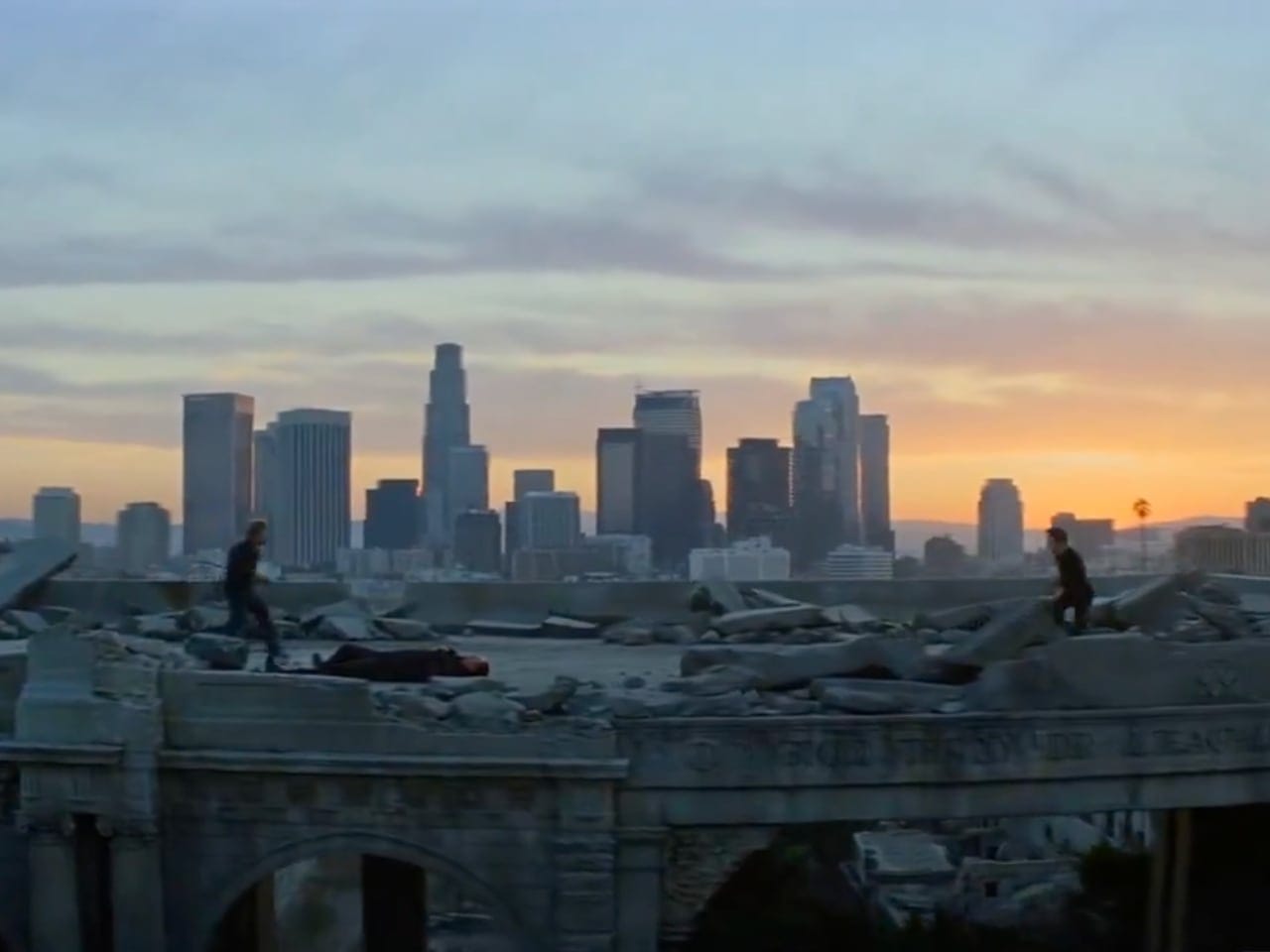
The Motion Picture Association has unleashed its strongest condemnation yet of an AI video generator, slamming ByteDance's new Seedance 2.0 for enabling "massive" copyright infringement within hours of launch. As reported by Variety, viral videos including AI-generated Tom Cruise and Brad Pitt fighting have sparked industry-wide panic about the future of filmmaking.
The viral video that broke Hollywood
A single AI-generated video has sent shockwaves through the entertainment industry. Created by Irish filmmaker Ruairi Robinson with just a "2 line prompt," the clip features photorealistic versions of Tom Cruise and Brad Pitt in a rooftop fight scene that's virtually indistinguishable from a major studio production.
This was a 2 line prompt in seedance 2. If the hollywood is cooked guys are right maybe the hollywood is cooked guys are cooked too idk. pic.twitter.com/dNTyLUIwAV
— Ruairi Robinson (@RuairiRobinson) February 11, 2026
"This was a 2-line prompt in Seedance 2," Robinson wrote on X, highlighting how effortlessly the AI tool can replicate A-list actors and high-production scenarios. The video's quality and ease of creation have left industry veterans questioning everything.
"I hate to say it. It's likely over for us," wrote Rhett Reese, writer of the Deadpool films. "In next to no time, one person is going to be able to sit at a computer and create a movie indistinguishable from what Hollywood now releases."
MPA fires back with strongest statement yet
The Motion Picture Association didn't mince words in its response to Seedance 2.0's launch. "In a single day, the Chinese AI service Seedance 2.0 has engaged in unauthorized use of U.S. copyrighted works on a massive scale," an MPA spokesperson said.
The trade organisation, which represents major studios including Disney, Warner Bros, and Universal, demanded immediate action: "By launching a service that operates without meaningful safeguards against infringement, ByteDance is disregarding well-established copyright law that protects the rights of creators and underpins millions of American jobs. ByteDance should immediately cease its infringing activity."
This marks the association's second major confrontation with AI video generation technology in recent months, following similar concerns raised about OpenAI's Sora 2.
ByteDance vs OpenAI: Two different approaches
The stark contrast between ByteDance and OpenAI's responses to copyright concerns reveals the industry's divided approach to AI ethics. When OpenAI faced similar criticism over Sora 2, the company quickly implemented safeguards and later struck a licensing deal with Disney for 200 characters.
ByteDance, owner of TikTok, has taken no such measures with Seedance 2.0. The company describes the model as a "substantial leap in generation quality" but hasn't responded to requests for comment about copyright protections.
This hands-off approach has enabled users to create AI videos featuring copyrighted characters from Spider-Man, Titanic, Stranger Things, Lord of the Rings, and Shrek — all circulating freely on social media.
The creative industry's existential crisis
Beyond copyright concerns, Seedance 2.0 has triggered deeper questions about AI's impact on creative jobs. The technology's ability to generate Hollywood-quality content from simple text prompts has left many questioning whether traditional filmmaking processes are becoming obsolete.
Similar concerns have already emerged in the gaming industry, where studios are implementing new measures to verify human creativity. The entertainment sector now faces the same challenge on a much larger scale.
Robinson, who created the viral Cruise-Pitt video, seemed aware of the controversy he'd sparked. "If the hollywood is cooked guys are right maybe the hollywood is cooked guys are cooked too," he wrote, adding: "Today's question is: should i be killed for typing 2 lines and pressing a button."
What this means for the future
Seedance 2.0's launch represents a pivotal moment in the ongoing battle between AI innovation and intellectual property rights. Unlike previous AI tools that required technical expertise, ByteDance's service democratises high-quality video creation — for better or worse.
The entertainment industry now faces a choice: embrace licensing deals like Disney's arrangement with OpenAI, or pursue legal action against platforms that ignore copyright protections. With millions of jobs potentially at stake, the resolution of this conflict will shape the future of creative industries worldwide.
Frequently Asked Questions
What is Seedance 2.0?
Seedance 2.0 is an AI video generator developed by ByteDance, capable of creating high-quality videos from simple text prompts. The service represents a "substantial leap in generation quality" according to its creators.
Why is the MPA concerned about Seedance 2.0?
The Motion Picture Association is concerned because Seedance 2.0 has enabled "massive" unauthorized use of copyrighted works, including viral videos featuring AI-generated versions of actors like Tom Cruise and Brad Pitt.
How does Seedance 2.0 compare to OpenAI's Sora 2?
Both are AI video generators, but OpenAI implemented safeguards and licensed content after initial criticism, while Seedance 2.0 operates without such measures, leading to stronger MPA condemnation.
What are the potential impacts on Hollywood?
Industry figures fear AI could enable single individuals to create movies indistinguishable from Hollywood productions, potentially disrupting millions of jobs and established creative processes in the entertainment industry.
Written by

Subscribe to our newsletter
Subscribe to our newsletter to get the latest updates and news






Member discussion