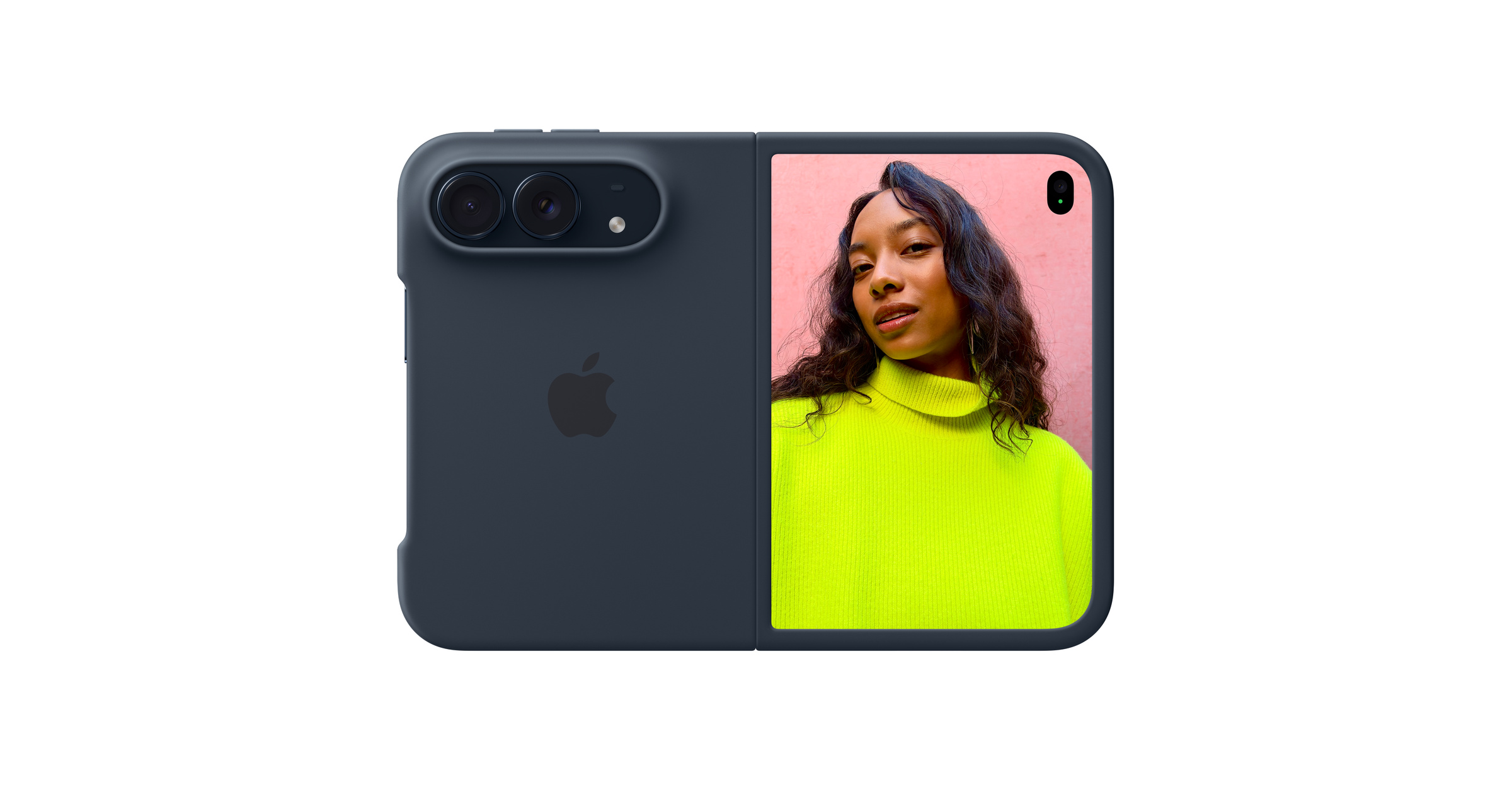
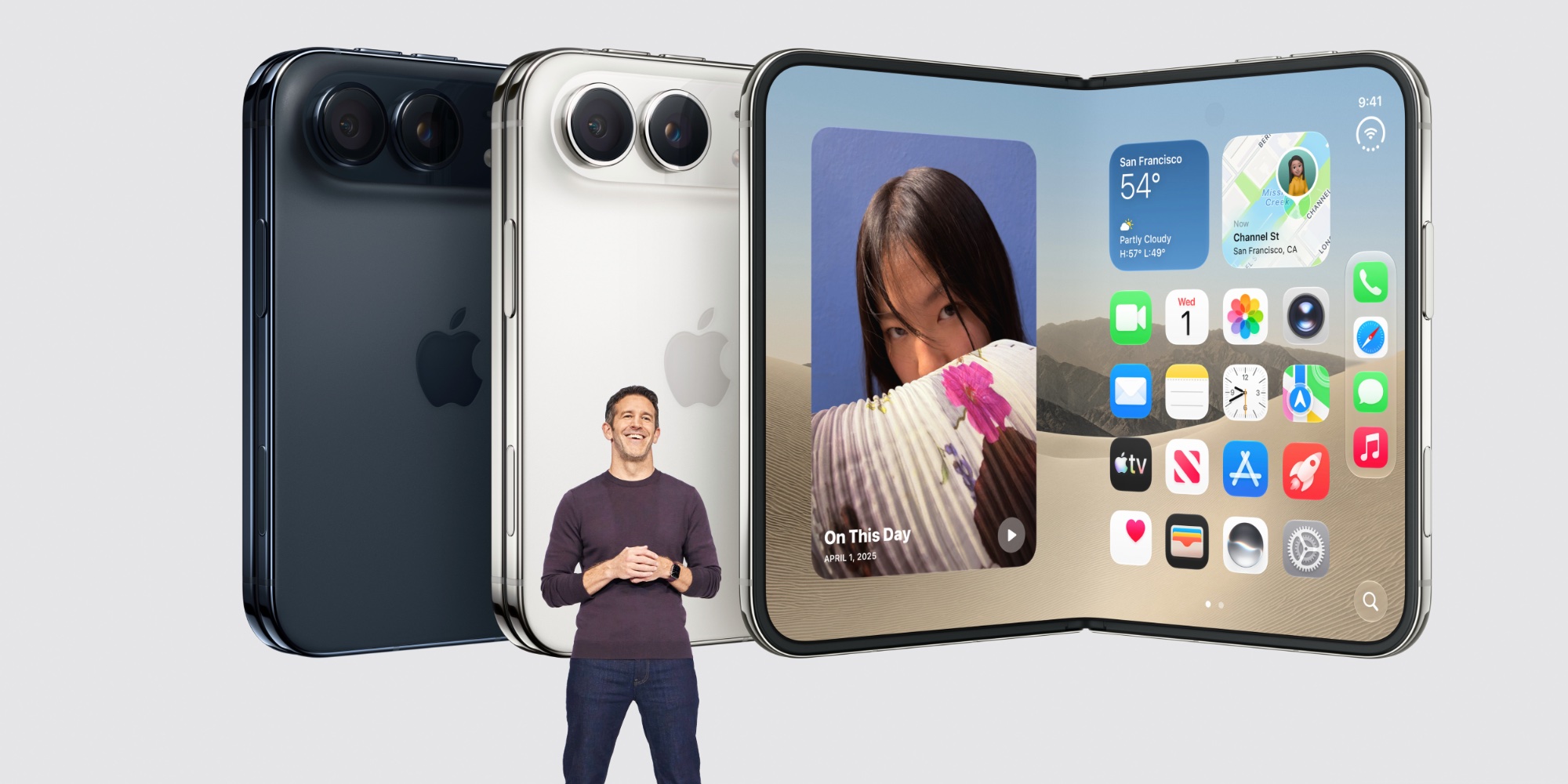
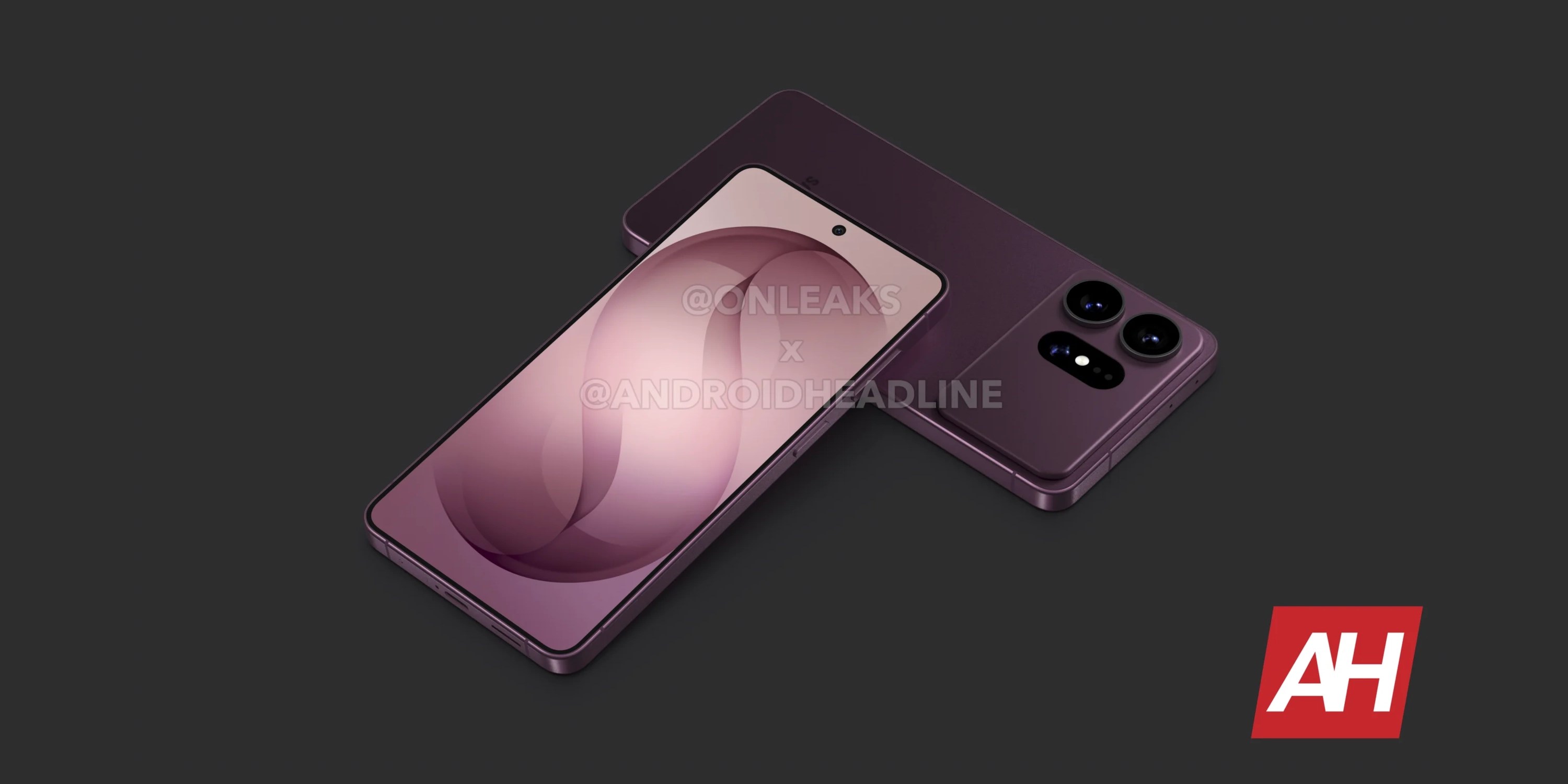
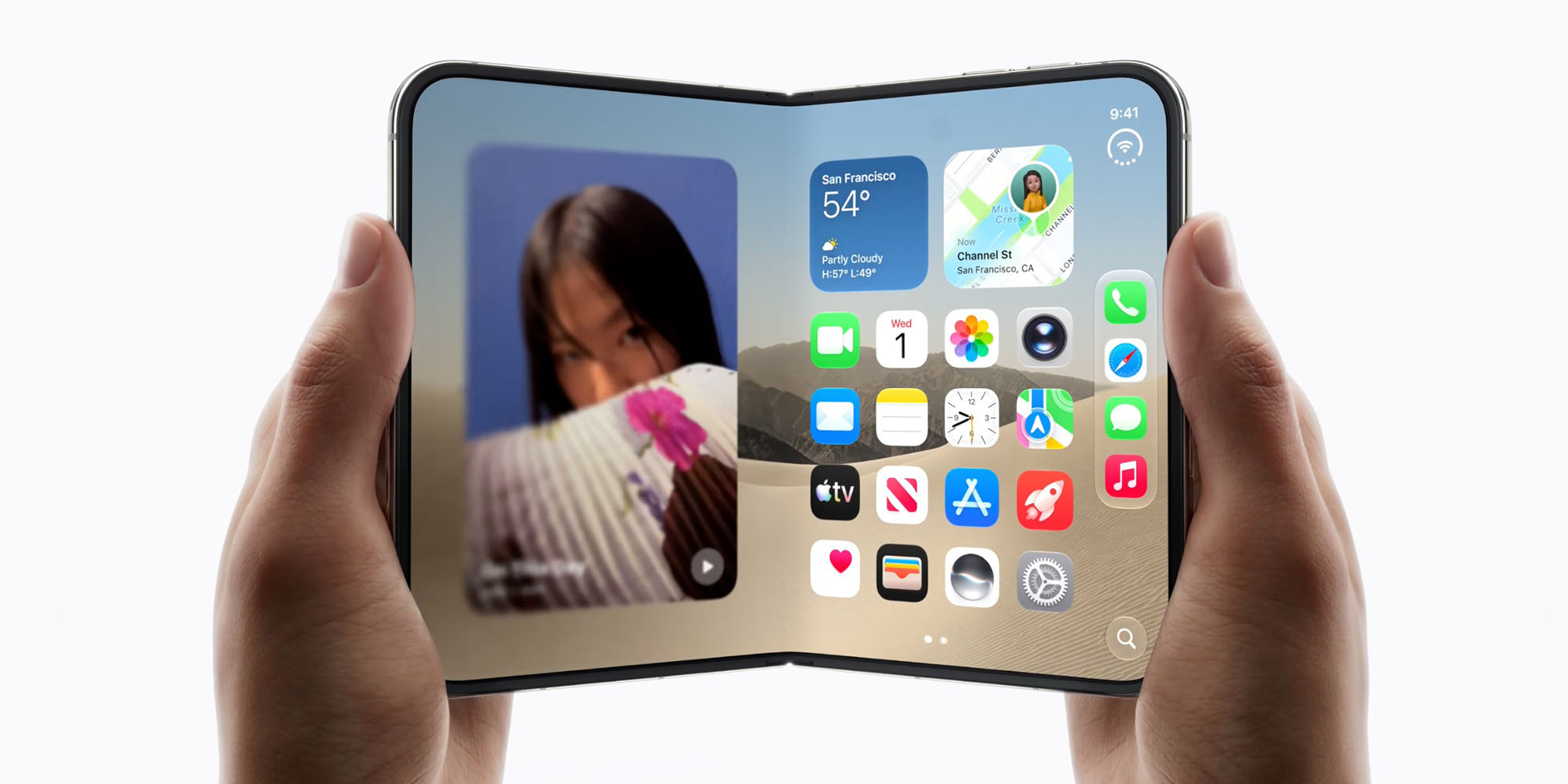
The Galaxy Z Fold7 was Samsung’s big foldable redesign. It was considerably thinner and lighter than the Fold6, widened the cover display, and brought the overall shape much closer to a regular flagship phone. The Galaxy Z Fold8 Ultra builds on that foundation, although that “Ultra” moniker might promise more than a simple refinement, which it doesn’t.
Samsung Galaxy Z Fold 8 Ultra
The Galaxy Z Fold8 Ultra is Samsung’s most refined foldable yet, with an excellent hinge, an almost crease-less display, strong performance and nearly two-day battery life. But at AED 7,999, it costs more than equally capable rivals and does not offer enough to make Fold7 owners rush to upgrade.
- Almost crease-less inner display
- Slim, lightweight and comfortable design
- Excellent hinge and build quality
- Sharp, bright dual displays
- Good sustained performance and thermals
- Nearly two-day battery life
- More expensive than its closest rivals
- Cameras remain average by flagship standards
- No S Pen support
- Charging is still slower than the competition
Where to buy · Prices checked September 25, 2026
Samsung UAEAED 7,999View NoonLowestAED 5,999View Sharaf DGAED 6,048View EmaxAED 6,737View AmazonAED 6,549ViewTbreak Media UAE may earn a commission on purchases made through these links — it never affects our scores.
It looks and feels immediately familiar, but most of this year’s upgrades are hidden underneath. Samsung has reworked the folding display, reduced the crease to the point where it almost disappears during normal use, increased the resolution and brightness, improved the hinge and addressed several long-standing shortcomings elsewhere in the hardware (a large battery pack for once, finally).
The Ultra name is a little bit of a marketing shuffle. This is not really an “Ultra” version of the Fold7. It is the direct successor. If the shorter Galaxy Z Fold8 hadn’t existed, this phone almost certainly would have been called the Galaxy Z Fold8. The name primarily separates Samsung’s two foldable shapes rather than suggest this model offers everything associated with the Galaxy S Ultra series.
That does not take away from the phone itself. The Galaxy Z Fold8 Ultra is Samsung’s most refined foldable yet, and the improvements to the crease, hinge and display help make it one of the better foldables currently available.
Our 256GB review unit is priced at AED 7,999, which is higher than the Fold7 at launch, but we can thank the AI-pocalypse for that. If you want more space, the 512GB model costs AED 8,799, while the 1TB version goes up to AED 10,399.
Design and Features: What’s Changed and What’s New
At first glance, very little. The Fold8 Ultra looks almost identical to the Fold7, retaining the same height, width, 8.9mm folded thickness and 215g weight. Samsung has shaved 0.1mm from the unfolded body, bringing it down to 4.1mm, but you would need a calliper and far too much time to notice.

That is not necessarily a problem. The Fold7 already brought Samsung’s design close to where it needed to be, and the Fold8 Ultra remains quite comfortable for a phone with two displays and a hinge running through the middle.
It feels light, nicely balanced, and easy to hold, while the rounded corners keep the frame from digging into your palm. Use it closed, and the 6.5″ cover screen does not feel wildly different from using a regular slab phone (except that it’s a bit taller), which is great as foldables slightly err on the other end of the spectrum.

Our unit comes in Violet Shadow, although I initially thought Samsung had sent the black version. There is no black version. The violet is there if you look closely, but the finish is so dark that the phone appears black under most lighting. It looks sleek and stylish, but anyone expecting an actual violet phone may find considerably more shadow than violet.

Samsung has also made the phone slightly easier to unfold. The hinge remains firm and weighty, but there is now more room between the inner edges to get your fingertips in and separate the two halves. It is a small change, but a useful one, especially if you have fat fingers. The hinge opens smoothly, snaps into place quickly and remains solid at partially folded angles, so the little laptop-style position still works as expected.
The biggest improvement, though, is the crease. And boy, has Samsung come ever so close to eliminating it.

A crease still runs down the middle of the folding display, and it becomes visible from certain angles or when light reflects directly across it. During normal use, however, I barely noticed it. More importantly, you can hardly feel it when you run your finger across the screen. On most foldables, including the Fold7, Honor Magic V6 and Moto Razr Fold, moving over the crease feels like driving across a road bump. On the Fold8 Ultra, it feels more like stepping over a small stone while wearing thick cushioned shoes.

Samsung attributes this to its new Flex Titanium construction beneath the OLED panel, which combines a thin titanium-alloy film with a titanium support plate. The idea is to make the folding area more rigid and keep the display flatter without compromising its ability to bend. I cannot speak for long-term durability yet, but the immediate result is impressive. Samsung has come very close to making the crease irrelevant during actual use.
There is one small curiosity. The Fold8 Ultra units shown at Samsung’s Dubai launch event had almost no perceptible crease, while our retail review unit has the very slight bump described above. It is still better than any other foldable I have used, but it does make me wonder how much the crease varies between units and whether it will become more noticeable over time.

The inner display itself has also been upgraded. It remains 8”, but the resolution rises from 2184×1968 on the Fold7 to 2504×2256, increasing pixel density from 368ppi to 422ppi. The difference might be visible when you place the two phones side by side, especially with small text and fine interface elements, but I doubt most people would notice it without a direct comparison. But it’s nice to have the resolution bump regardless. Who doesn’t like an even sharper screen?
Peak brightness has increased to 3,000 nits, and Samsung has added an anti-reflective treatment to the folding display. It looks fantastic indoors and remains easy to see outdoors, with punchy colours, crisp text and very little trouble from reflections across different lighting conditions. The cover display remains mostly unchanged, but I do not think Samsung needed to mess with it. Its size, resolution and proportions already work well.

I do wish Samsung had brought over the Privacy Display feature from the Galaxy S26 Ultra, at least for the outer screen. A phone like this will inevitably be used by professionals reading emails, documents and sensitive information in public, so limiting side visibility would have made plenty of sense. Implementing it on the flexible inner panel may have been difficult, but the cover screen feels like an obvious opportunity missed.
S Pen support is still absent too. It is not a major problem, and Samsung says removing the digitiser helped slim down the Fold7, but an 8″ folding screen remains ideally suited to notes, sketches and document annotation. Its absence leaves one small gap in an otherwise excellent large-screen experience.
Camera
The Galaxy Z Fold8 Ultra carries over most of the Fold7’s camera setup. You still get the 200MP main camera with OIS, a 10MP 3x telephoto, and two 10MP selfie cameras, one on each display. The big change is the ultrawide, which has jumped from 12MP to 50MP, with a brighter f/1.9 aperture and autofocus. Samsung has also added HDR support to the full-resolution 200MP mode, but outside of that, this is very much the Fold7 camera system with one of its weaker lenses given a proper upgrade.

Against its rivals, Samsung still has the highest megapixel count on the main sensor, but the rest of the setup isn’t quite as strong. The Honor Magic V6 pairs its 50MP main camera with a 64MP 3x periscope and a 50MP ultrawide, while the Moto Razr Fold uses 50MP sensors across all three rear cameras. The upgraded ultrawide brings the Fold8 Ultra closer to those two, but the unchanged 10MP telephoto still feels a little modest for a phone at this price and with this name.
Samsung is also pushing My FanCam this year. The idea is to record a wide video at a concert, match, or event, then open it in Gallery and let the phone track a specific person in the frame. It can then crop and reframe the clip around them, including into a vertical format for social media. It is a neat editing tool if you are filming something chaotic from a distance, and a clever post-processing trick to instantly provide the results you might want after recording.
The cameras on the Fold8 Ultra are decent. They take pleasant shots in daylight while keeping strong control over dynamics and colours. A close inspection, however, reveals they don’t capture enough detail in many scenarios, so images can look a little soft if you want to crop in or enjoy the finer details of a photograph (the digital zoom is unreliable and doesn’t produce good-quality pictures at all).


In darker/indoor lighting, the problems remain. The colours and dynamics are well balanced, but you can notice a tinge of oversharpening where the camera struggles to capture enough detail, along with some noise and compression artefacts.
The Fold8 Ultra might carry the Ultra moniker, but the cameras and software processing are still in the “foldables” ballpark, so I wouldn’t expect anything better than average compared to the Fold7. Even the new ultrawide camera, while capturing more megapixels, simply doesn’t have enough detail and looks a little soft. The pictures look good on the inner display and are more than capable of sharing with friends or posting on social media, but they aren’t as good as photos from conventional flagship phones like the Galaxy S27 Ultra.
Performance and Benchmarks
The Galaxy Z Fold8 Ultra runs on the Snapdragon 8 Elite Gen 5 for Galaxy, and the results are a bit all over the place. CPU performance is excellent, GPU compute is strong, and sustained performance beats the other recent foldables we have tested. But some of the 3DMark scores are unexpectedly low.
We ran all benchmarks with the phone folded and connected to power, while the Wild Life Extreme Stress Test was performed unplugged.
Benchmarks compared
Phones compared
| Benchmark | Samsung Galaxy Z Fold 8 Ultra | Samsung Galaxy Z Fold 7 | Honor Magic V6 | Motorola Razr Fold |
|---|---|---|---|---|
| Geekbench | ||||
| Geekbench 6 CPU – Single Core | 3323 | 1734 | 1575 | 2599 |
| Geekbench 6 CPU – Multi Core | 9047 | 8308 | 5635 | 8827 |
| Geekbench GPU | 20516 | 16915 | 18891 | 18054 |
| Geekbench AI | 3946 | 2376 | 3807 | |
| 3DMark | ||||
| 3DMark Steel Nomad Light | 2145 | 1568 | 2466 | 2084 |
| 3DMark Solar Bay Extreme | 729 | 989 | 1131 | 867 |
| 3DMark Wildlife Extreme | 4579 | 4745 | 5427 | 5107 |
The Fold8 Ultra comfortably leads in Geekbench 6, scoring 3,323 in single-core, 9,047 in multi-core and 20,516 in the GPU test. The Honor Magic V6 uses the same Snapdragon generation, although its unusually low CPU results make it a poor reflection of what the chip should normally achieve. The Fold8 Ultra also beats the Moto Razr Fold and Fold7 across all three Geekbench tests.
The 3DMark results are less convincing. Steel Nomad Light is decent and places the Fold8 Ultra just ahead of the Razr Fold, but behind the Magic V6. Solar Bay Extreme and Wild Life Extreme are both lower than expected, with the Fold7 beating it in each test despite using an older processor. I cannot say exactly why. It may be down to early drivers, Samsung’s power tuning or benchmark optimisation, but the numbers are clearly inconsistent with the strong Geekbench GPU result.
Geekbench itself did not behave particularly well, either. The CPU and GPU tests completed normally, but the app remained stuck on the results-upload screen for more than ten minutes before showing the scores. Geekbench AI failed every time, displaying an error that it could not complete the test. Since the phone remained stable everywhere else, this seems more like an app compatibility issue than a hardware problem.

Sustained performance is more encouraging. In the Wild Life Extreme Stress Test, the Fold8 Ultra completed all 20 loops with 73.2% stability, recording a best score of 3,927 and a lowest of 2,907. Performance drops quickly over the first few loops, but then settles around the 3,000-point mark instead of continuing to fall.
Temps rose from 36°C to 42°C, while the battery dropped from 97% to 92%. The phone became noticeably warm and could make your hands sweaty during a long gaming session, but it never became uncomfortable to hold. More importantly, it completed the entire test without crashing or showing an overheating warning.
That is a better result than the Moto Razr Fold, which recorded 61.2% stability, and far more reassuring than the Magic V6, which failed to finish the stress test twice—once due to overheating and once after crashing back to the home screen.
In daily use, the Fold8 Ultra feels as fast as the hardware suggests. Apps open quickly, multitasking with two or three apps works without issue, and watching a video while browsing and chatting on the side remains smooth throughout. I did not encounter any crashes, freezes, or app reloads.
However, I do see occasional animation drops when pulling down the notification panel or opening the task switcher. They are brief, but on a phone with this much performance and what otherwise feels like a polished One UI 9 experience, they shouldn’t happen. Hopefully software updates will fix this.
Battery Life and Charging
The Galaxy Z Fold8 Ultra gets a 5,000mAh battery (finally!), up from the Fold7’s 4,400mAh cell. Samsung has finally switched to silicon-carbon batteries, which also let them keep the phone slimmer and shave off a little to keep it lean. Wired charging has also been raised from 25W to 45W, with Samsung claiming it can reach around 67% in 30 minutes. It also supports 20W wireless charging and Wireless PowerShare, though the charger is still sold separately.
Battery life has been excellent in my use. I spent most of my time chatting, watching plenty of videos, scrolling through reels, and taking photos, and I still ended the first day with around 55% remaining. Unless you are constantly gaming, recording videos or using the inner display at full brightness all day, the Fold8 Ultra should comfortably last close to two full days.
Samsung still falls behind its Chinese rivals on paper. The Honor Magic V6 has a much larger 6,660mAh battery with 80W wired and 66W wireless charging, while the Moto Razr Fold packs 6,000mAh and supports 80W wired and 50W wireless charging. Both also include a charger in the box.
Both phones provide around the same near-two-day battery life as the Fold8 Ultra, so while they do have a large battery pack, I didn’t feel it added much more screen time over the Samsung. But they do have faster wired and wireless charging, which is a fair trade.

Should You Buy the Samsung Galaxy Z Fold8 Ultra?
The Galaxy Z Fold8 Ultra is the best version of Samsung’s foldable formula so far. It is light, comfortable, beautifully built, very fast, and the almost crease-less inner display is the best I have seen on a foldable yet. The improved hinge, sharper display and strong battery life all add up to a phone that feels polished and easy to live with.
- You want the largest inner display and the best cameras in Samsung's range
- You run two full apps side by side for most of the day
- You want close to two days of battery out of a foldable
- An almost crease-less display is worth AED 800 to you
- You want value — rivals cost less for much the same capability
- You need S Pen support
- Fast charging matters; it is still slower than the competition
- You already own a Galaxy Z Fold7
The bigger issue is competition. The Honor Magic V6 and Moto Razr Fold both cost AED 1,000 less, and the V6 in particular does not feel like it gives up much in return. Samsung has the better crease, stronger software polish and a more refined overall experience, but that price gap is hard to ignore when the alternatives are already this good.
For Fold6 owners or anyone buying their first Samsung foldable, the Fold8 Ultra is an easy phone to recommend. Fold7 owners have less reason to upgrade unless the improved crease, hinge and display matter enough to justify the cost. It is one of the best foldables on the market, just not an uncontested one.
Samsung Galaxy Z Fold8 Ultra FAQ
Is the Galaxy Z Fold8 Ultra worth buying over the Fold7?
Only if the reduced crease, brighter and sharper inner display, or the bigger 5,000mAh battery matter enough to you personally. The core experience is close enough to the Fold7 that most owners can comfortably skip this generation.
Does the Galaxy Z Fold8 Ultra support the S Pen?
No. Samsung removed S Pen support starting with the Fold7 to help slim the phone down, and the Fold8 Ultra continues without it.
How does the Fold8 Ultra’s crease compare to the Fold7?
Noticeably better. Samsung’s new Flex Titanium construction makes the crease far less visible and much less noticeable to the touch than on the Fold7 or rival foldables.
How long does the Galaxy Z Fold8 Ultra’s battery last?
With mixed everyday use — chatting, video, social media and photos — it comfortably lasts close to two full days on its 5,000mAh battery.
How much does the Galaxy Z Fold8 Ultra cost in the UAE?
AED 7,999 for 256GB, AED 8,799 for 512GB, and AED 10,399 for the 1TB model.