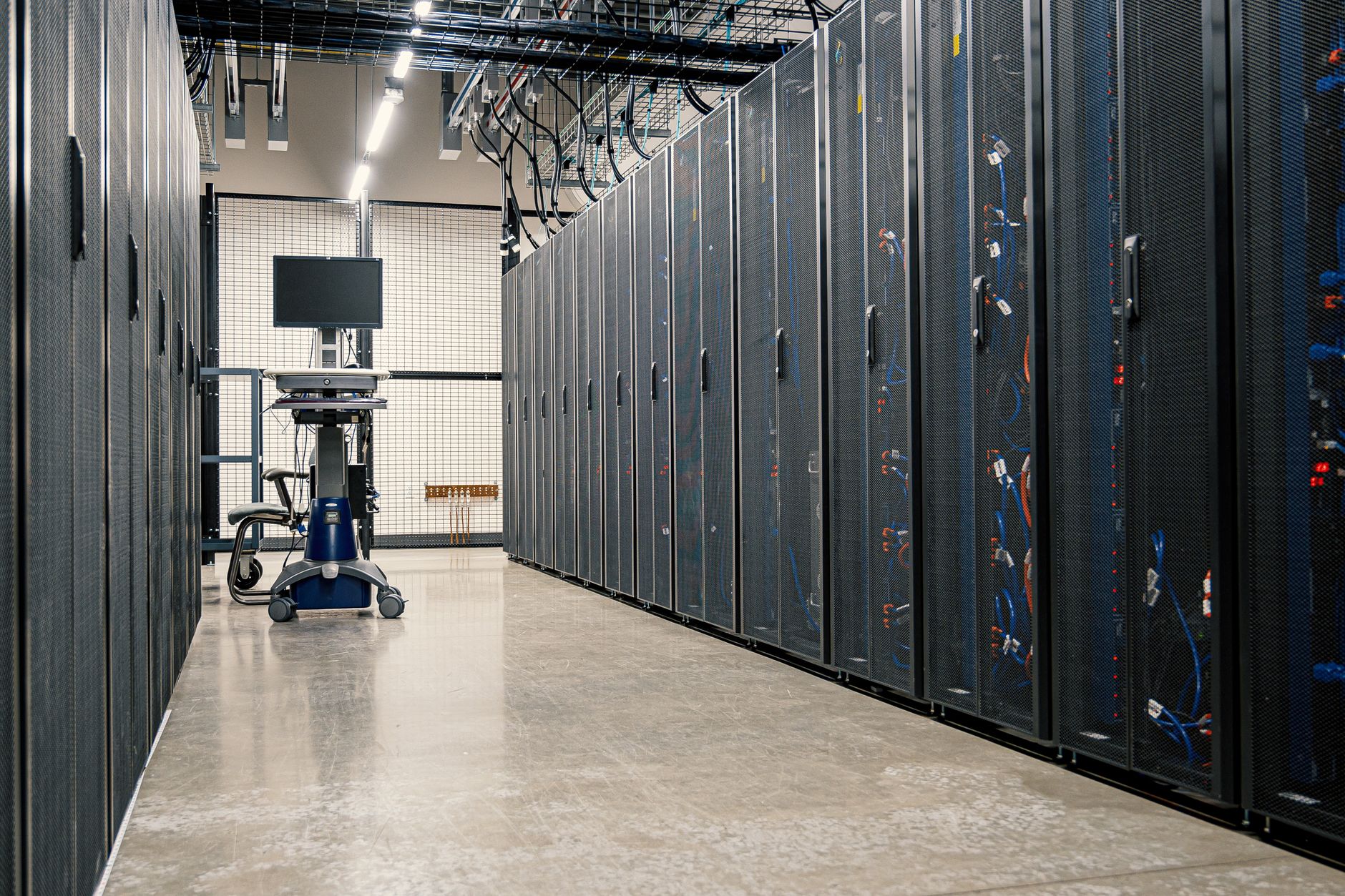
DataRobot and Dell Technologies are teaming up to sell enterprise AI agents that run on a company’s own servers. They can also run in private or hybrid cloud, or in sovereign environments, instead of a hyperscaler’s cloud.
The idea is that a bank or logistics firm in the Middle East keeps control of where its agents run, how they’re governed, and what they cost. DataRobot CEO Debanjan Saha puts it this way:
Agents must run on the enterprise’s terms — not the other way around. By collaborating with Dell and NVIDIA, we’re delivering sovereign ready, infrastructure-aware agentic AI that answers to the boardroom, not a cloud provider’s economics or agenda.
Debanjan Saha, CEO, DataRobot
According to the release on Zawya, the collaboration combines the Dell AI Factory with NVIDIA and DataRobot’s Agent Workforce Platform, and the claims are the companies’ own. DataRobot showed the platform at Dell Technologies Forum Dubai, where it was an AI sponsor.
What “operationally sovereign” means
The release applies sovereignty to operations as well as data: where agents run, how they’re governed, and what they cost. Governments and enterprises across the region are investing heavily in sovereign AI infrastructure, and they need software to turn that computing capacity into secure, governed, working AI.
On cost, the companies point to the “Hidden AI Tax”. DataRobot’s newsroom release on the Dell AI Factory with NVIDIA cites IDC research that found 96% of organisations report higher-than-expected costs when deploying GenAI. The partnership mitigates that tax, according to the release, which also quotes Dell’s Caitlin Gordon, VP Product Management, saying the offer “runs AI where data lives”.
Financial services and logistics first
At launch in the region, DataRobot and Dell are focusing on financial services and logistics. Financial institutions can use agents to automate portfolio stress testing, fraud detection, and regulatory scorecards, keeping sensitive data in controlled environments. In logistics, agents can monitor disruptions and trigger actions such as rerouting shipments or adjusting production plans.
Recent research, which the release doesn’t name, shows 38% of organisations in both the UAE and Saudi Arabia already have agentic AI running in production. The companies haven’t announced launch dates, pricing, or availability.
Etisalat UAE is the live example
The one named customer is Etisalat UAE. On 14 October 2026, it and DataRobot announced a multi-year agreement to host the Agent Workforce Platform in Etisalat’s own data centre, and financial terms weren’t disclosed. According to cxoinsightme.com, the two have worked together since 2022, starting with predictive uses such as churn prevention and credit risk.
Etisalat now plans to apply the platform to customer experience, regulatory compliance, sales effectiveness, and operational efficiency. Antonietta Mastroianni, CIO, says Etisalat is “now building on this foundation to embrace agentic AI”, according to techrevolt.news. Haissam Hassan, DataRobot’s META general manager, says the opportunity is “no longer simply to build agents, but to put them safely into real business processes at scale”, as cxoinsightme.com reports.
A crowded Gulf field
Microsoft and Inception42 brought UAE sovereign AI agents into Microsoft 365 Copilot, and HUMAIN has its own enterprise agent platform, covered in Inside HUMAIN. Workday also landed in the UAE with an AI platform for people, money, and agents. DataRobot and Dell’s pitch is that the enterprise keeps control of where its agents run.