
Nvidia RTX 6000 delay pushed to 2028 over memory shortage
Gaming GPU drought incoming: Nvidia's RTX 6000 cards won't arrive until 2028 due to AI data centers monopolising memory supplies. Current RTX 5000 prices are climbing while Super variants get axed entirely.

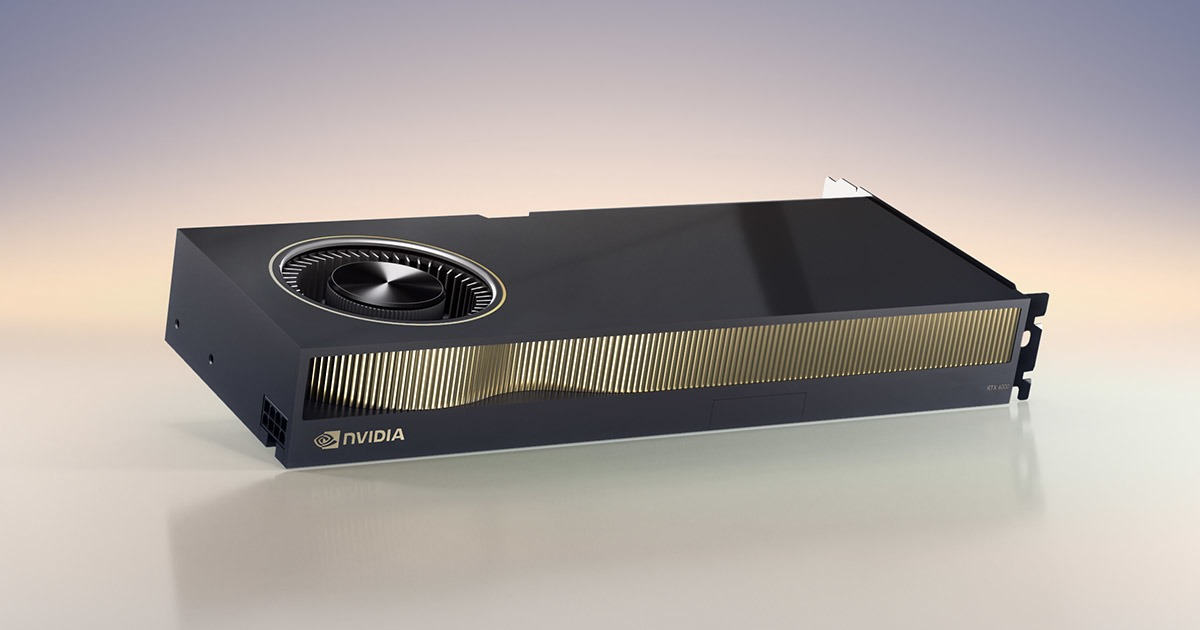
Nvidia's next-generation RTX 6000 graphics cards are reportedly delayed until 2028, pushed back from their original late 2027 launch window. The delay stems from a global memory shortage driven by AI data center demand, according to The Information, potentially creating a three-year gap between gaming GPU generations since the RTX 5000 series launched in January 2025.
Memory shortage derails RTX 6000 timeline
The global memory crunch isn't just affecting future products. Current RTX 5000 series cards are already seeing the impact, with the RTX 5070 Ti and more powerful models experiencing price increases across the board. Other variants are simply out of stock as supplies dry up.
Nvidia confirmed the supply constraints to PCMag, stating: "Demand for GeForce RTX GPUs is strong, and memory supply is constrained. We continue to ship all GeForce SKUs and are working closely with our suppliers to maximise memory availability."
The thing is, this shortage isn't temporary. With the AI boom showing no signs of slowing and data centers hoovering up memory supplies, the crunch is expected to last well into 2028.
RTX 5000 Super series shelved
The Information's report corroborates earlier rumours that Nvidia has cancelled the RTX 5000 Super series entirely. The mid-generation refresh, which typically arrives 12-18 months after the main launch, was expected to debut at CES 2026 but never materialised.
Company managers reportedly blamed the cancellation on both the memory shortage and Nvidia's strategic shift towards its more lucrative AI chip business. With DLSS 4.5 already extending the life of existing RTX cards, Nvidia appears comfortable stretching the RTX 5000 generation longer than usual.
AI demand reshaping the industry
Nvidia's pivot reflects broader industry trends. The company's AI chip revenues have exploded, making gaming GPUs less of a priority despite their consumer appeal. This shift mirrors what we're seeing across tech, with AI PCs driving business demand and even regional initiatives like Abu Dhabi's AI robotics projects reshaping hardware priorities.
The memory shortage is hitting other consumer electronics too. Valve announced Wednesday that its console-like Steam Machine faces delays and repricing due to the same supply constraints affecting Nvidia's roadmap.
What this means for UAE buyers
For PC builders in the UAE, this creates a challenging landscape. Current RTX 5000 series cards are likely to remain at premium prices through 2028, with no relief from new generations or Super variants.
The shortage is already visible in UAE retailers, with higher-end models becoming scarce and prices creeping upward. With Nvidia prioritising AI chips over gaming hardware, expect this trend to continue until the memory market stabilises.
Those planning PC builds might want to secure RTX 5000 series cards sooner rather than later, as availability and pricing are unlikely to improve before the RTX 6000 series finally arrives in 2028.
Frequently Asked Questions
Why is Nvidia delaying the RTX 6000 series?
Nvidia is reportedly delaying the RTX 6000 series due to a global memory shortage driven by AI data center demand, combined with the company's strategic focus on its more profitable AI chip business.
When is the Nvidia RTX 6000 series expected to launch?
Mass production of the RTX 6000 series, originally planned for late 2027, is now reportedly delayed until 2028 according to The Information's report.
Is the Nvidia RTX 5000 Super series cancelled?
Yes, earlier rumours suggest Nvidia has shelved the RTX 5000 Super series, which was expected to debut at CES 2026 but never materialised due to supply constraints.
How does the memory shortage affect GPU prices in UAE?
The shortage is causing price increases for RTX 5070 Ti and higher models, with some variants going out of stock entirely. This trend is expected to continue until 2028.
Written by

Subscribe to our newsletter
Subscribe to our newsletter to get the latest updates and news









Member discussion