
Real D'Artagnan's body may have been found after 353 years
Archaeologists digging under a Dutch church floor discovered a skeleton, bullet, and 1660 coin that could belong to the real musketeer behind Dumas's famous D'Artagnan. DNA tests underway to confirm the 353-year-old mystery.

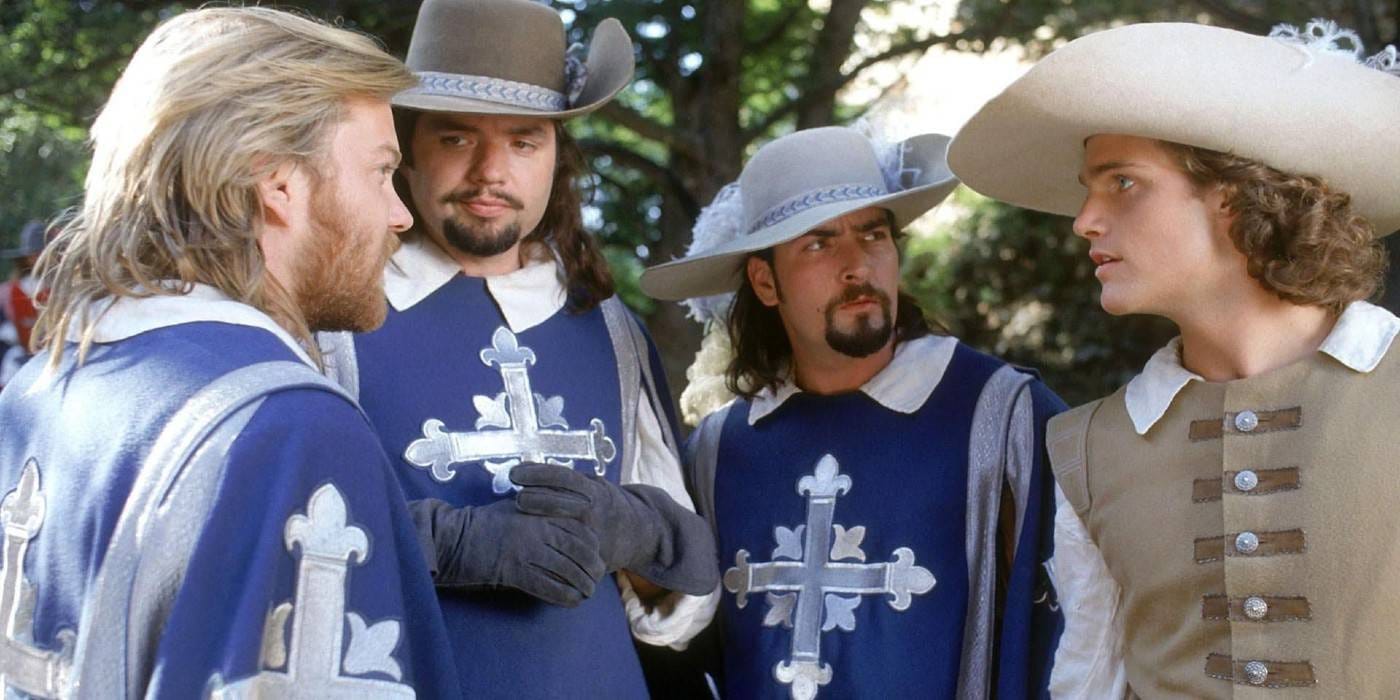
Archaeologists believe they've found the remains of Charles de Batz de Castelmore — the real-life inspiration for Alexandre Dumas's swashbuckling D'Artagnan — buried under a Dutch church floor 353 years after his death. As reported by The BBC, the discovery includes a bullet and 1660 coin that match historical accounts of how the legendary musketeer met his end during the Siege of Maastricht in 1673.
Key Takeaways
- Archaeologists discovered remains believed to belong to Charles de Batz de Castelmore, the real D'Artagnan, in a Maastricht church.
- A bullet and 1660 coin were found with the skeleton, matching historical records of D'Artagnan's death in 1673.
- DNA tests are underway in Germany and Netherlands to confirm the identity of the remains.
- Alexandre Dumas based all four Musketeers on real historical figures who served Louis XIV.
- The discovery occurred at St Peter and Paul Church where D'Artagnan was rumoured to be buried.
The discovery under sacred ground
Deacon Jos Valke at St Peter and Paul Church in Maastricht broke through floor tiles to investigate long-standing rumours about D'Artagnan's burial site. Working with archaeologist Wim Dijkman, who's spent 28 years researching the grave, they uncovered a skeleton beneath where an altar table had stood two centuries earlier.
"He was buried on sacred ground below where the altar was; we found the bullet that put an end to his life and we found a coin from 1660 in his grave, and it was from the bishop who attended Mass for the Roi Soleil," Valke told the BBC. The Roi Soleil — Sun King — was Louis XIV, whom D'Artagnan served as a close aide.
While Valke claims 99% certainty about the identity, Dijkman maintains scientific caution. DNA analysis is currently underway in Germany and the Netherlands to provide definitive confirmation.
Who were the real Three Musketeers?
Alexandre Dumas didn't invent his famous characters from thin air — he based all four on actual historical figures who served France's Sun King. Charles de Batz de Castelmore became D'Artagnan, while his three companions had equally real inspirations.
Athos was based on Armand de Sillègue d'Athos d'Auteville, Porthos on Isaac de Portau, and Aramis on Henri de Aramitz. These men were genuine musketeers in Louis XIV's service, making Dumas's adventure novel more historically grounded than many realise.
D'Artagnan's death in 1673 during the Dutch War ended the career of a musketeer who'd risen from Gascon nobility to become one of the king's most trusted soldiers.
From history to Hollywood
The Three Musketeers has spawned countless adaptations since Dumas published the novel in 1844. Michael York portrayed D'Artagnan in the star-studded 1970s films, while the 1990s brought Disney's version with Chris O'Donnell and The Man in the Iron Mask featuring Gabriel Byrne as an older D'Artagnan opposite Leonardo DiCaprio.
More recent adaptations include Paul W.S. Anderson's 2011 film, the BBC series The Musketeers, and French films The Three Musketeers: D'Artagnan and The Three Musketeers: Milady. The enduring appeal shows how Dumas transformed real historical figures into timeless adventure heroes.
With book adaptations dominating 2026, the discovery of D'Artagnan's remains adds fascinating context to literature's continued influence on entertainment.
What this means for history and literature
This discovery bridges the gap between historical fact and literary fiction in remarkable ways. According to the evidence found, the bullet and coin provide tangible links to D'Artagnan's documented death during the siege. The timing suggests this could resolve a 353-year mystery about where one of France's most famous soldiers was laid to rest.
For literature enthusiasts, it reinforces how Dumas grounded his adventure tales in real events and people. The musketeer served a pivotal period in French history, and his rediscovery highlights the historical foundations beneath beloved fictional narratives.
However, some media outlets may be overstating the early confidence before scientific verification is complete. Key details including final DNA analysis and independent expert review are still missing before any definitive conclusion can be made about the remains' identity.
The investigation continues
DNA analysis results from laboratories in Germany and the Netherlands are expected to provide definitive confirmation of the remains' identity. The investigation represents the first serious archaeological effort to locate D'Artagnan's burial site, despite centuries of speculation about his resting place at St Peter and Paul Church.
The discovery adds weight to historical accounts of D'Artagnan's death and burial, potentially solving one of literature's most intriguing real-world mysteries.
Frequently Asked Questions
Was D'Artagnan a real person?
Yes, D'Artagnan was based on Charles de Batz de Castelmore, a real historical figure who served as a close aide to France's King Louis XIV. He was killed during the Siege of Maastricht in 1673.
Where was D'Artagnan killed?
D'Artagnan was killed during the Siege of Maastricht in 1673. His remains may now have been discovered at St Peter and Paul Church in the same Dutch city.
Who were the real Three Musketeers?
Alexandre Dumas based Athos on Armand de Sillègue d'Athos d'Auteville, Porthos on Isaac de Portau, and Aramis on Henri de Aramitz. All were real musketeers who served Louis XIV.
How certain are archaeologists about the identity?
Deacon Jos Valke claims 99% certainty, while archaeologist Wim Dijkman awaits DNA test results for confirmation. A bullet and 1660 coin found with the remains match historical accounts.
Written by

Subscribe to our newsletter
Subscribe to our newsletter to get the latest updates and news











Member discussion