
Preview: The House of Hikmah is a fairytale puzzle platformer set in the House of Wisdom
An early look at the narrative adventure that turns Islamic Golden Age scholarship into a cozy, narrative puzzle platformer.

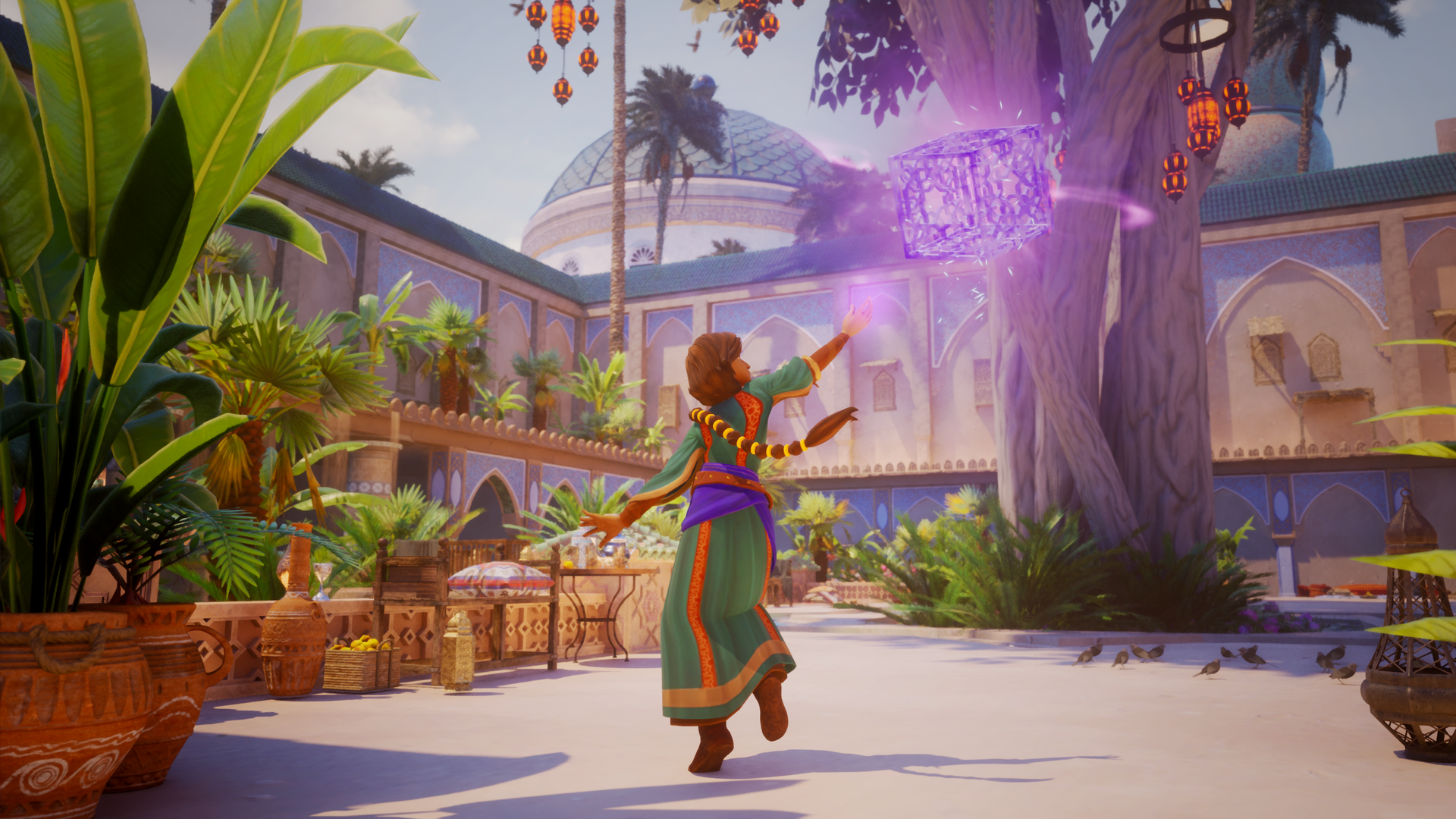
It is rare to see the Islamic Golden Age depicted in video games without a hidden blade, a scimitar, or a djinn involved. That’s why The House of Hikmah immediately stands out. From Lunacy Studios (a new indie team formed by veterans who worked on narrative heavyweights like Journey and Life is Strange), this 3D narrative puzzle-platformer swaps violence for alchemy, and sets its mystery inside a storybook version of the House of Wisdom.
I spent time with the Steam Next Fest demo, and while it’s clearly an early build, it already has a strong sense of place. It’s more about poking around in a Disney-esque history setting, wrapped in a puzzle-platformer that feels cozy yet oddly melancholic.
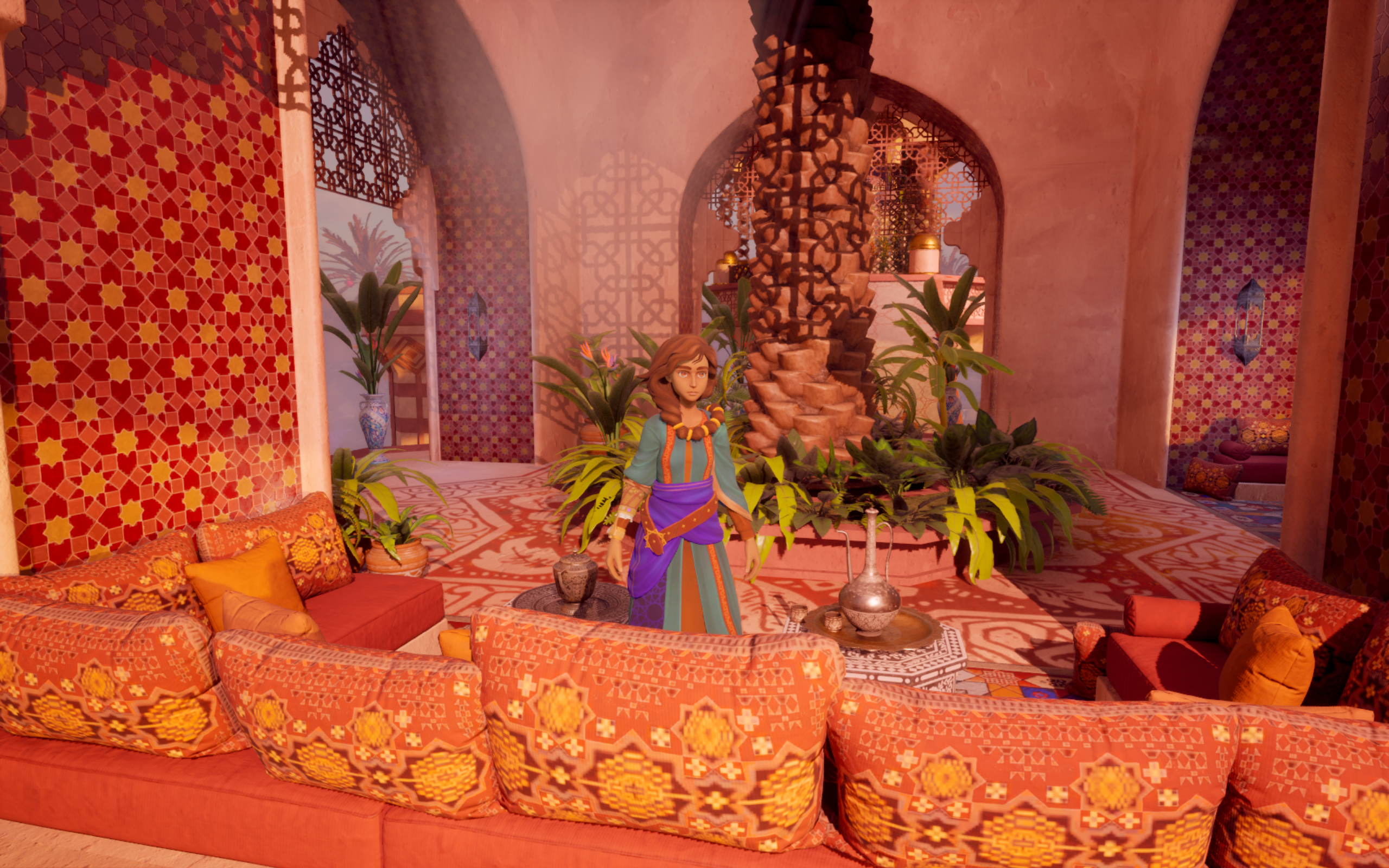
A world that looks like a storybook memory
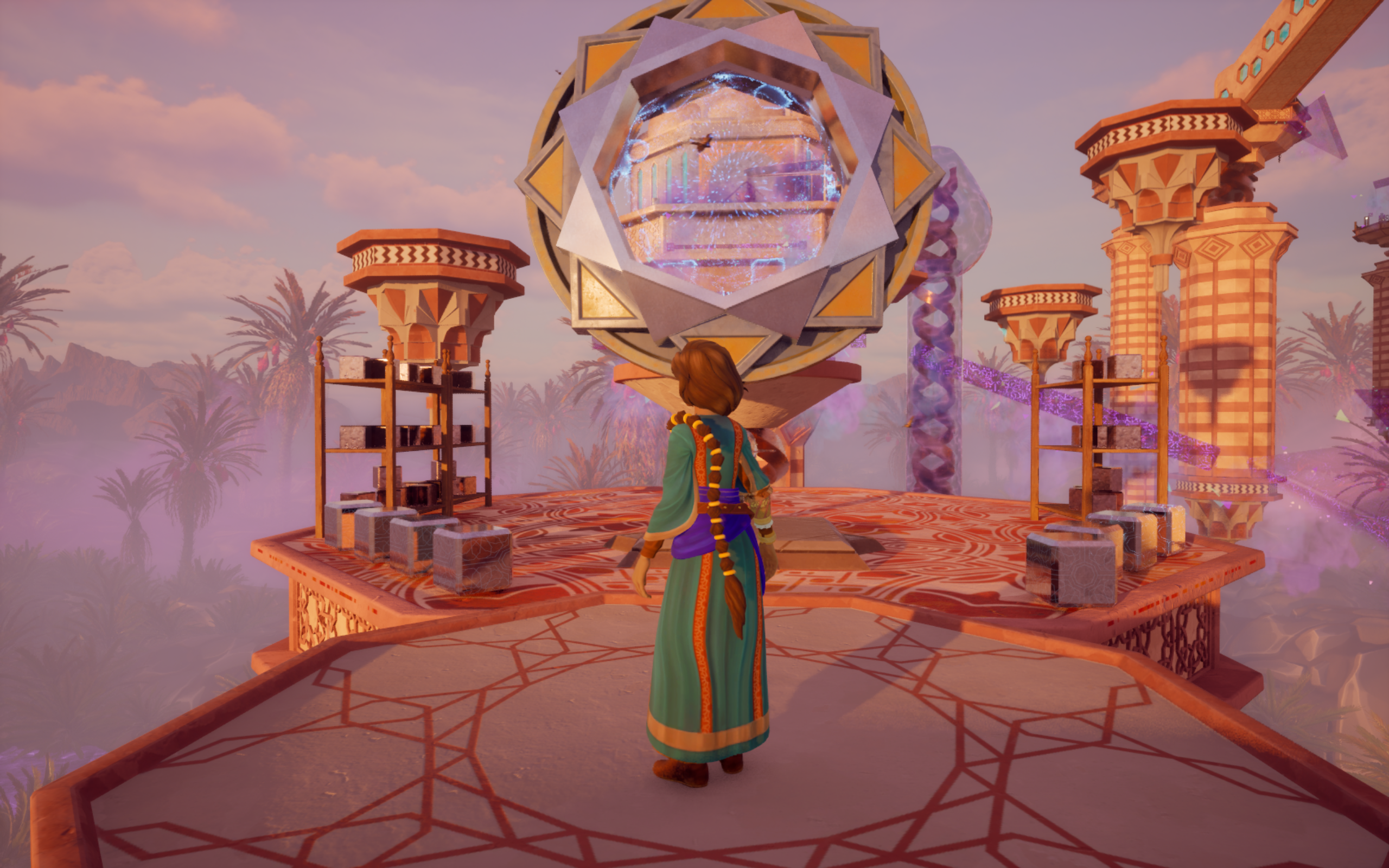
Let’s get the obvious part out of the way: it’s beautiful. The pedigree of the developers shows in the art direction. The environment moves past generic "desert temple" assets to something that feels distinctly grounded in the era’s intellectual explosion. I love the fairytale style aesthetic that feels immediately warm and inviting.
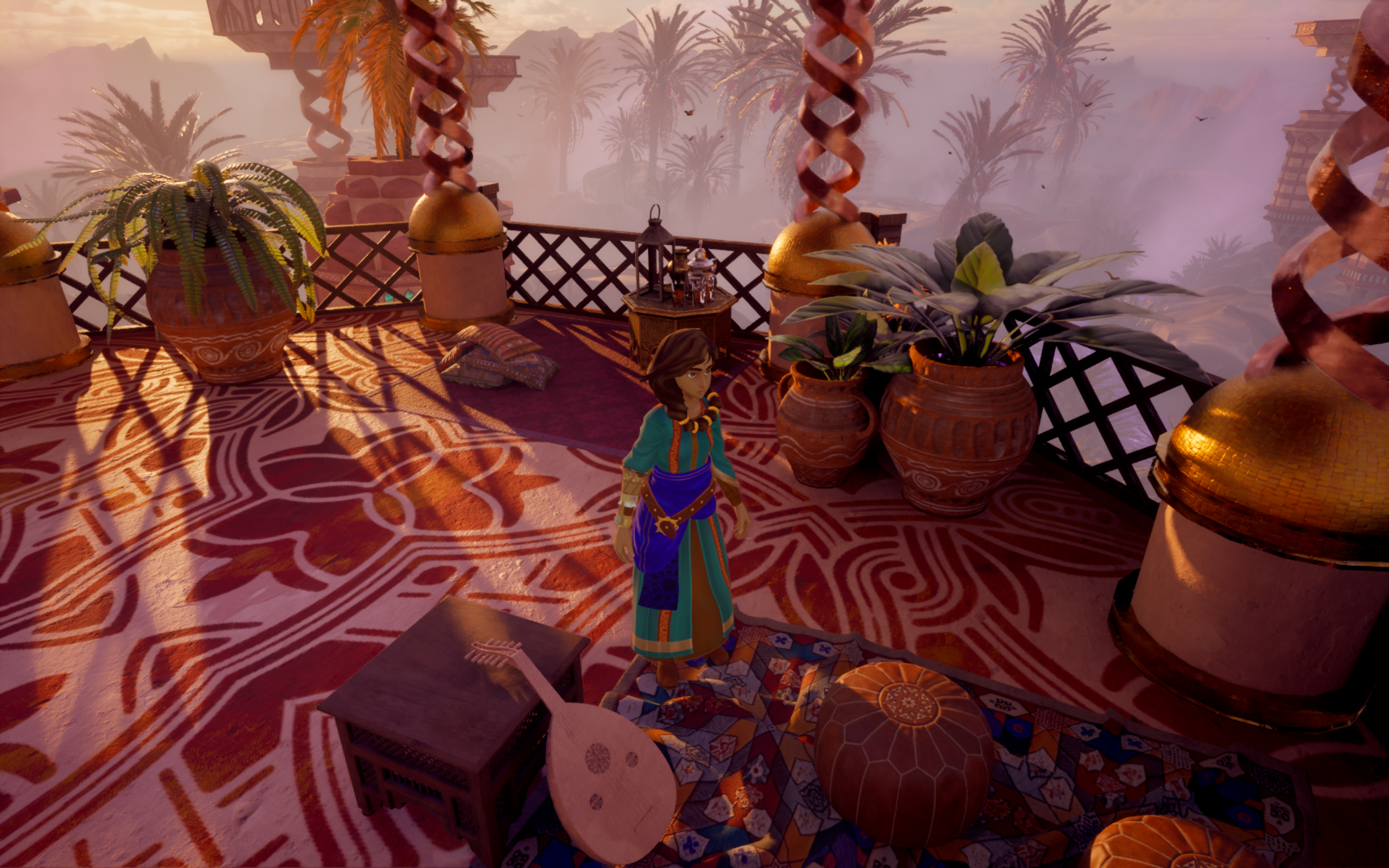
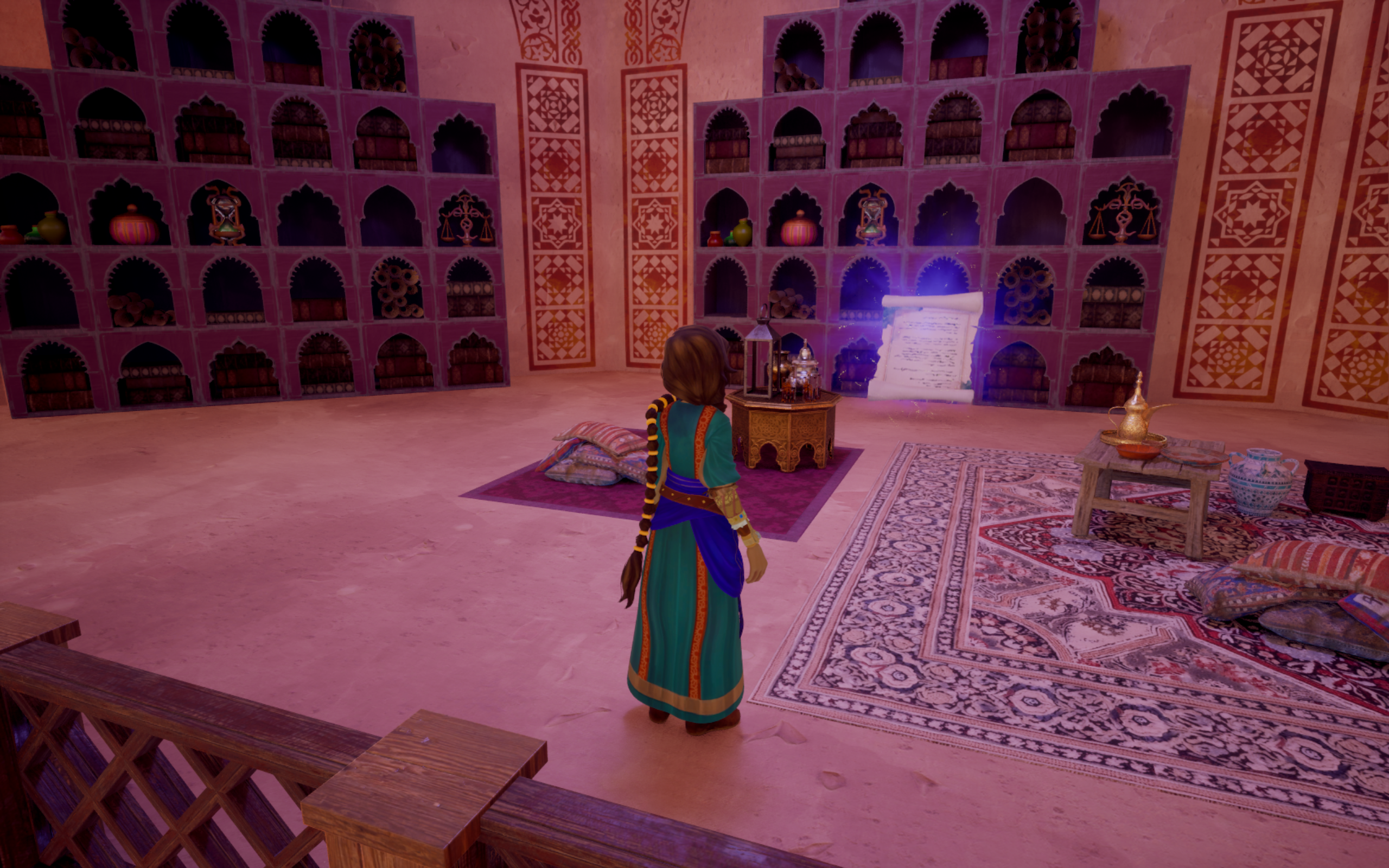
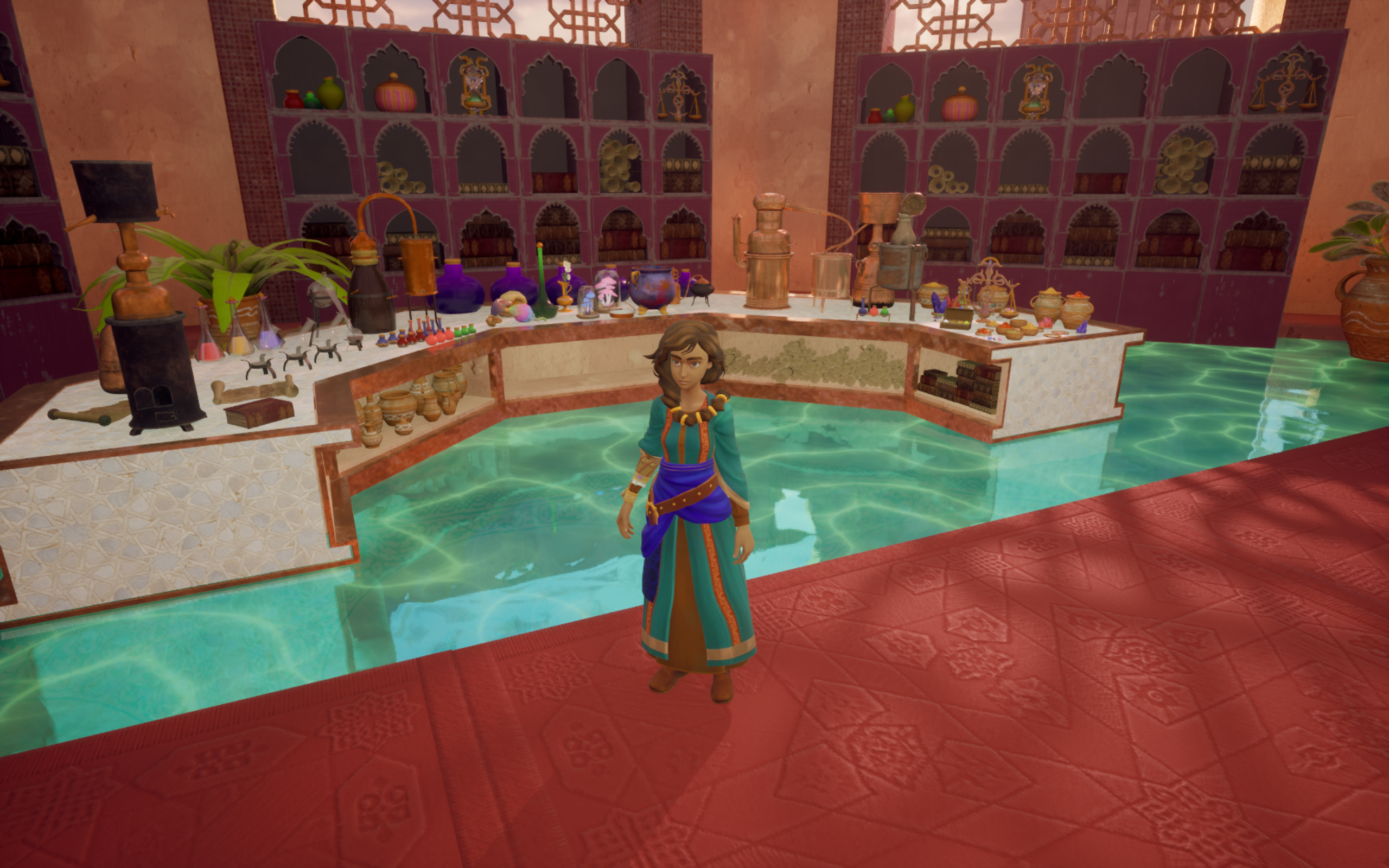
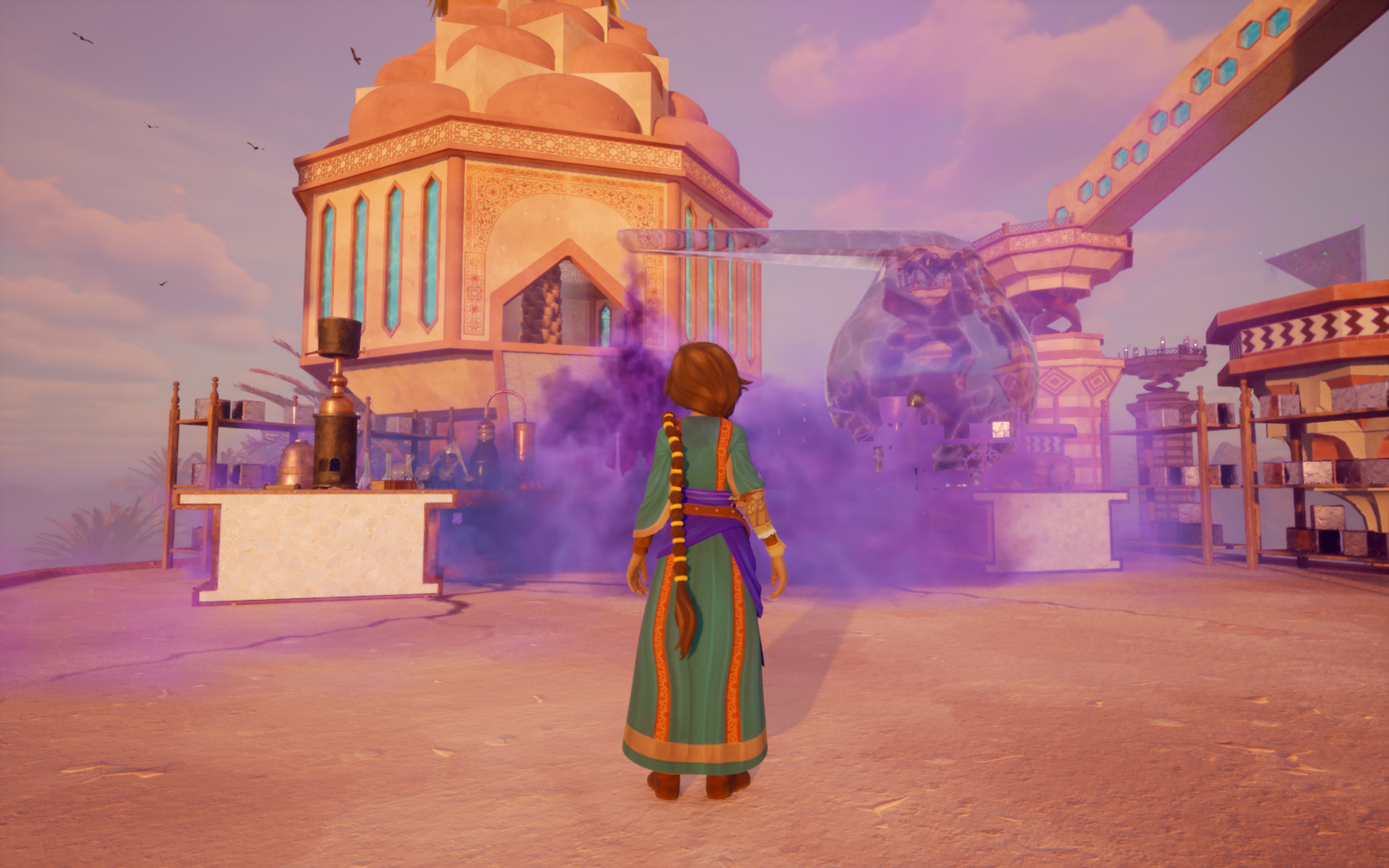
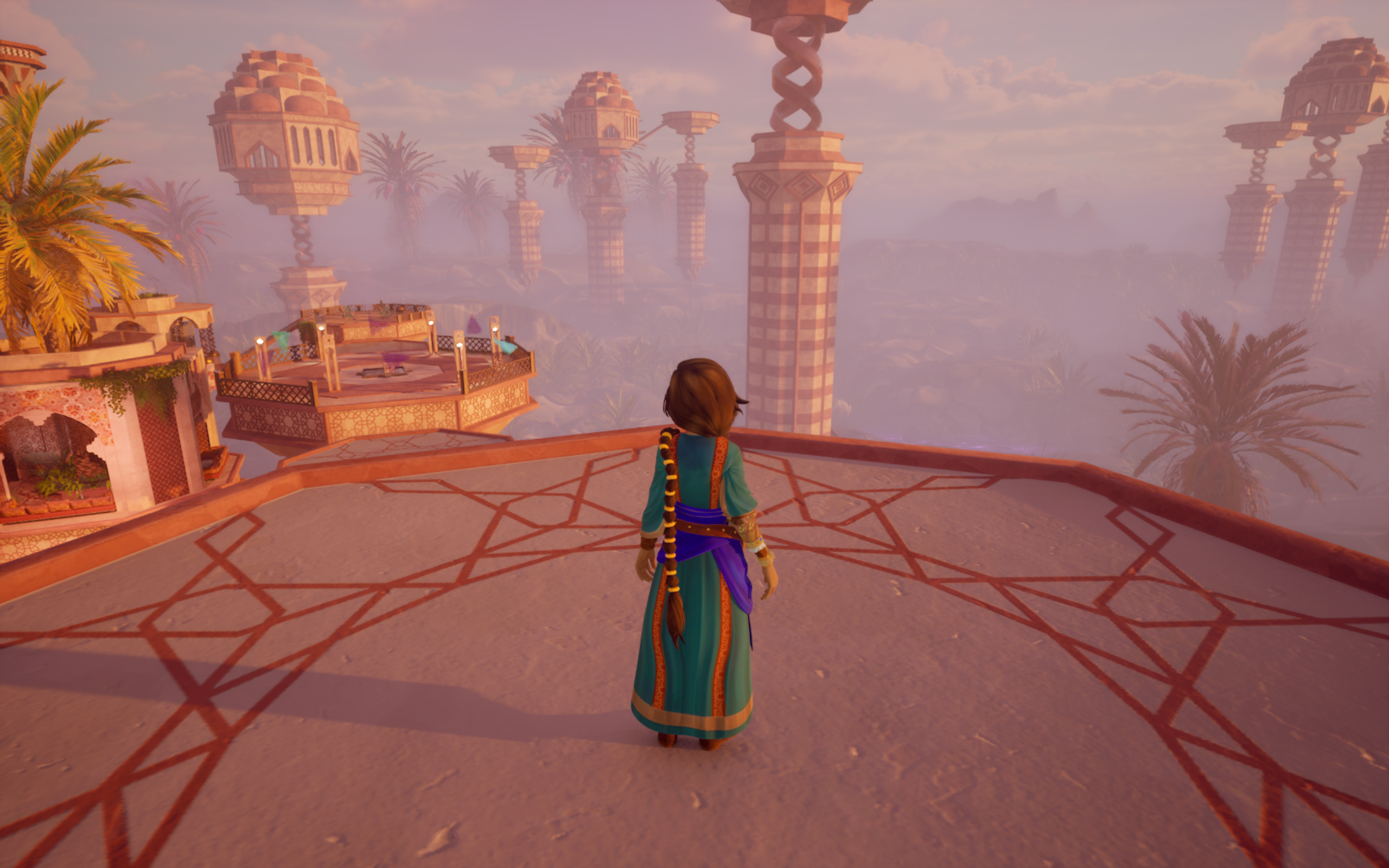
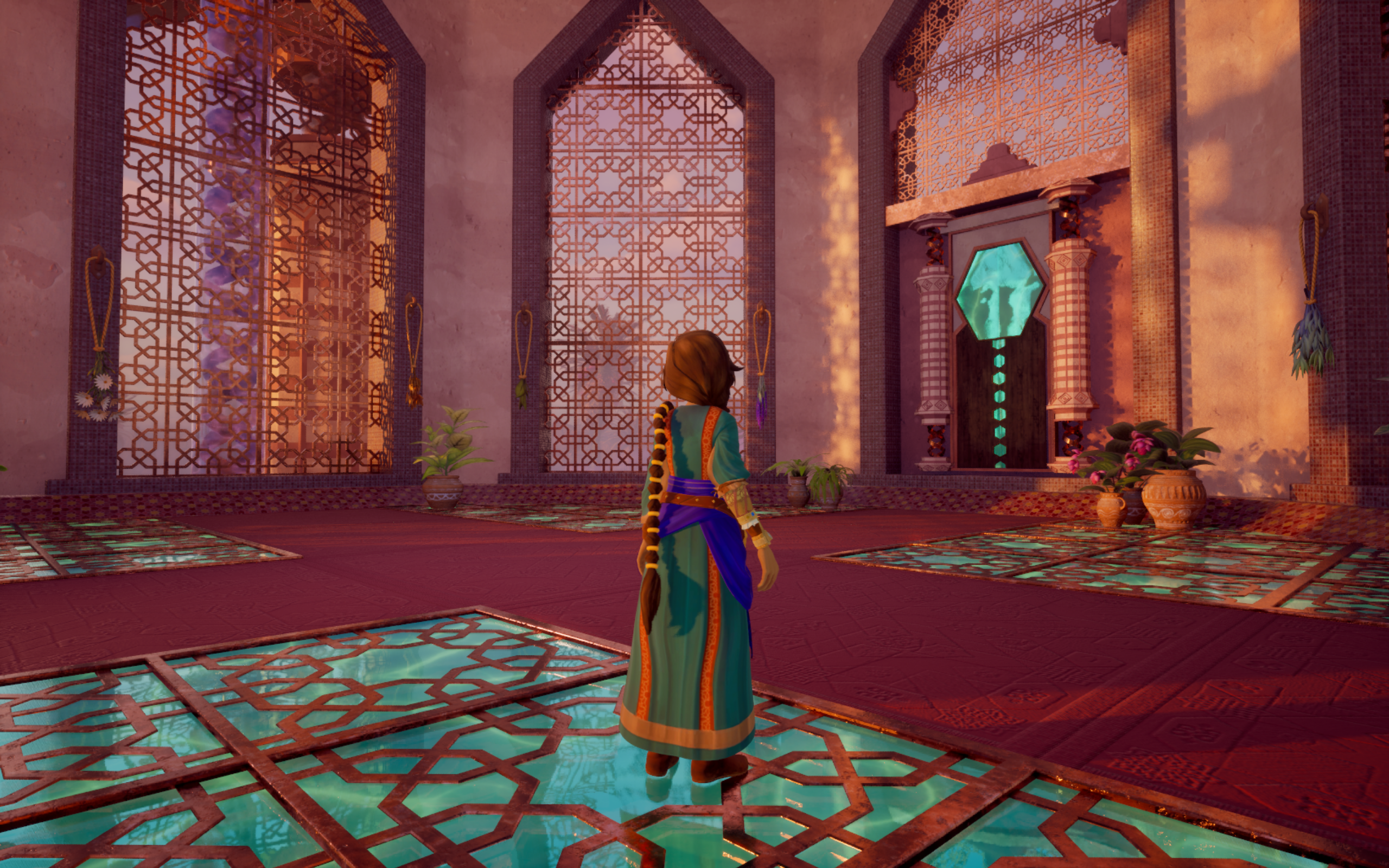
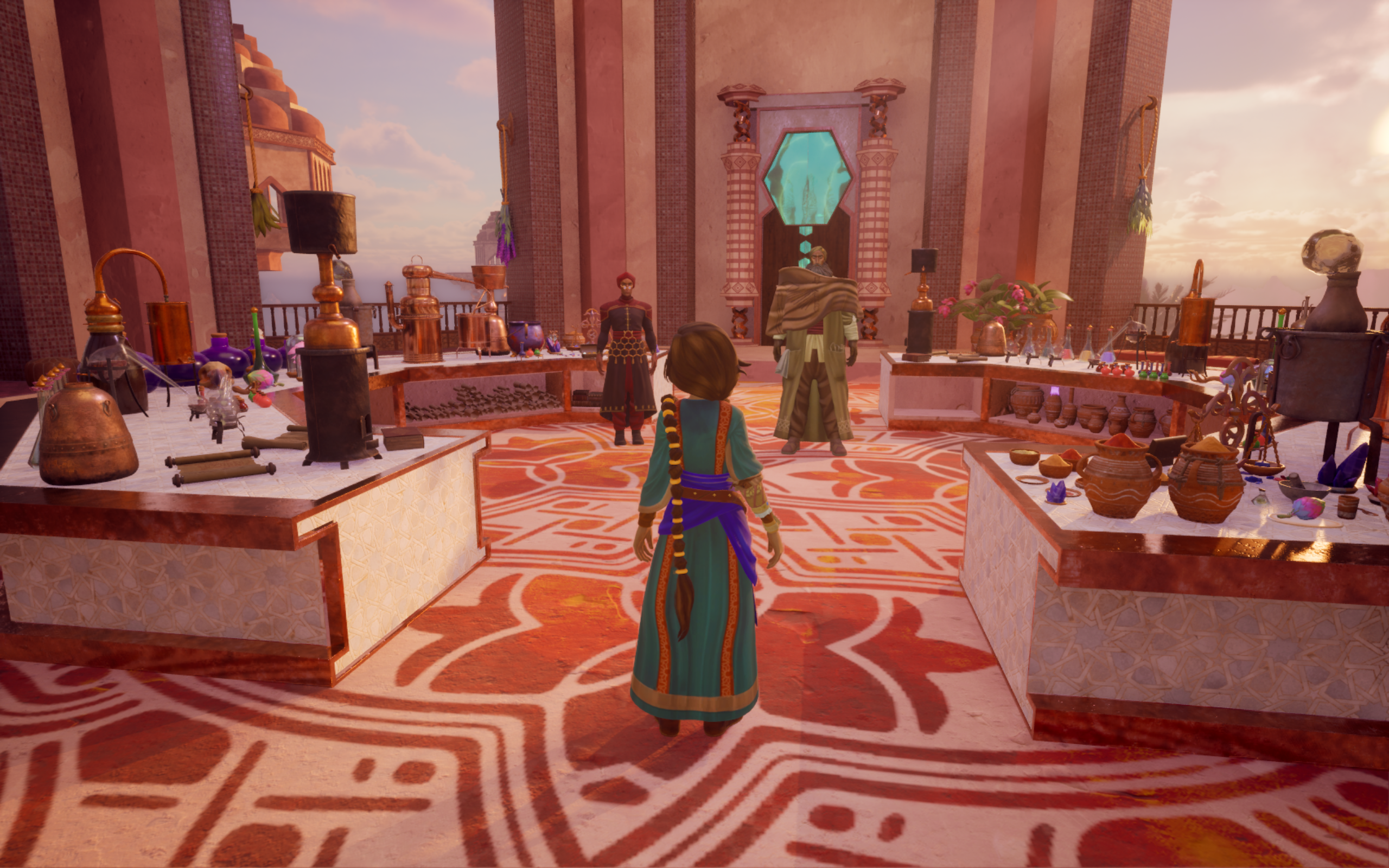
You walk past intricate carpets and ouds resting casually on cushions, but they are flanked by glass alembics bubbling with strange liquids and scattered scrolls. The lighting does a lot of heavy lifting here, bathing the geometric architecture in a warm, sunset glow.
Heavy metal platforming
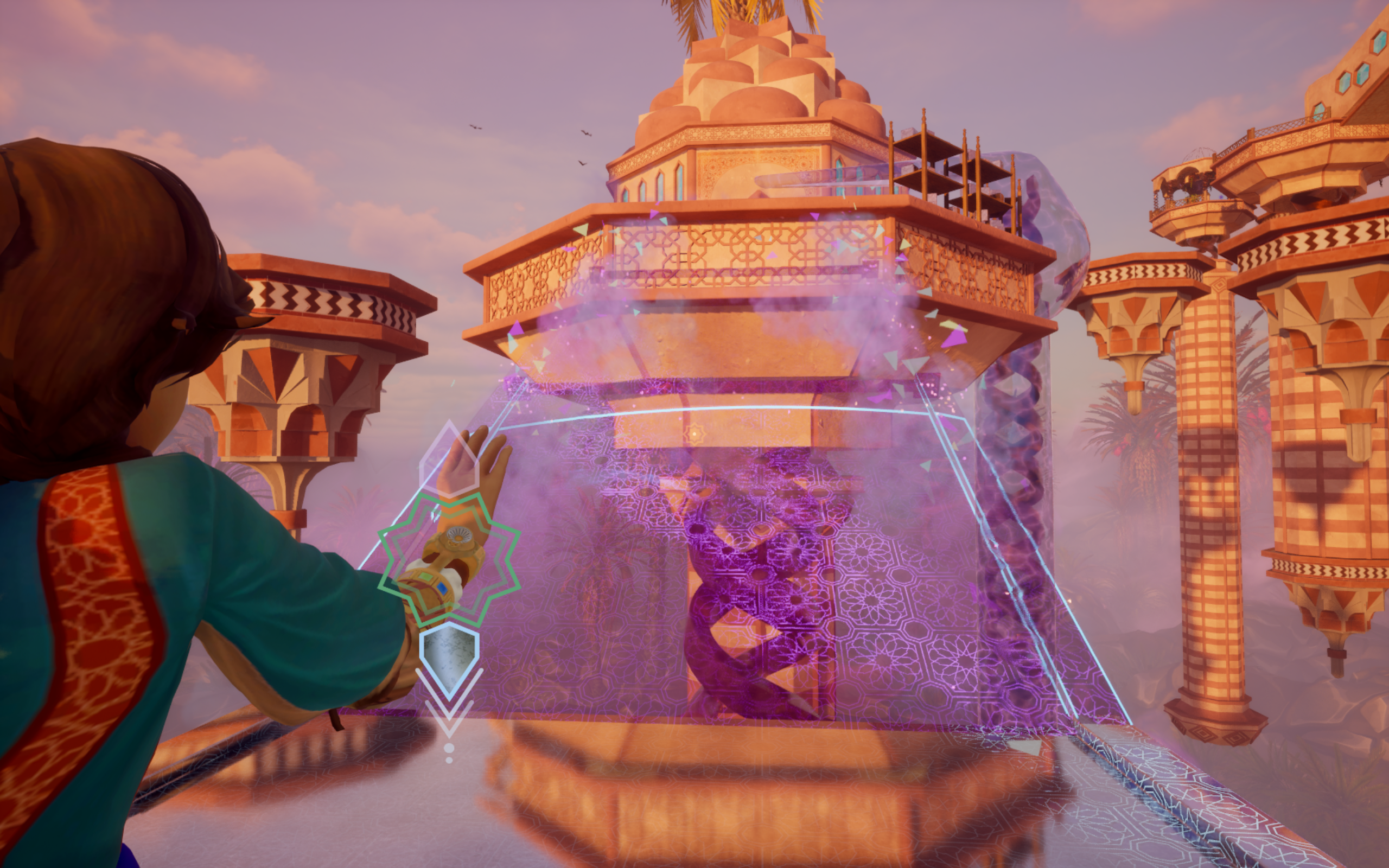
When it comes to the actual puzzle-solving, the environment itself acts as the lock. You play as Maya, a 14-year-old girl navigating these halls using a "Key" left behind by her late father. The main hook here is transmutation. You aren't just dragging blocks onto switches; you're messing with their physical properties.
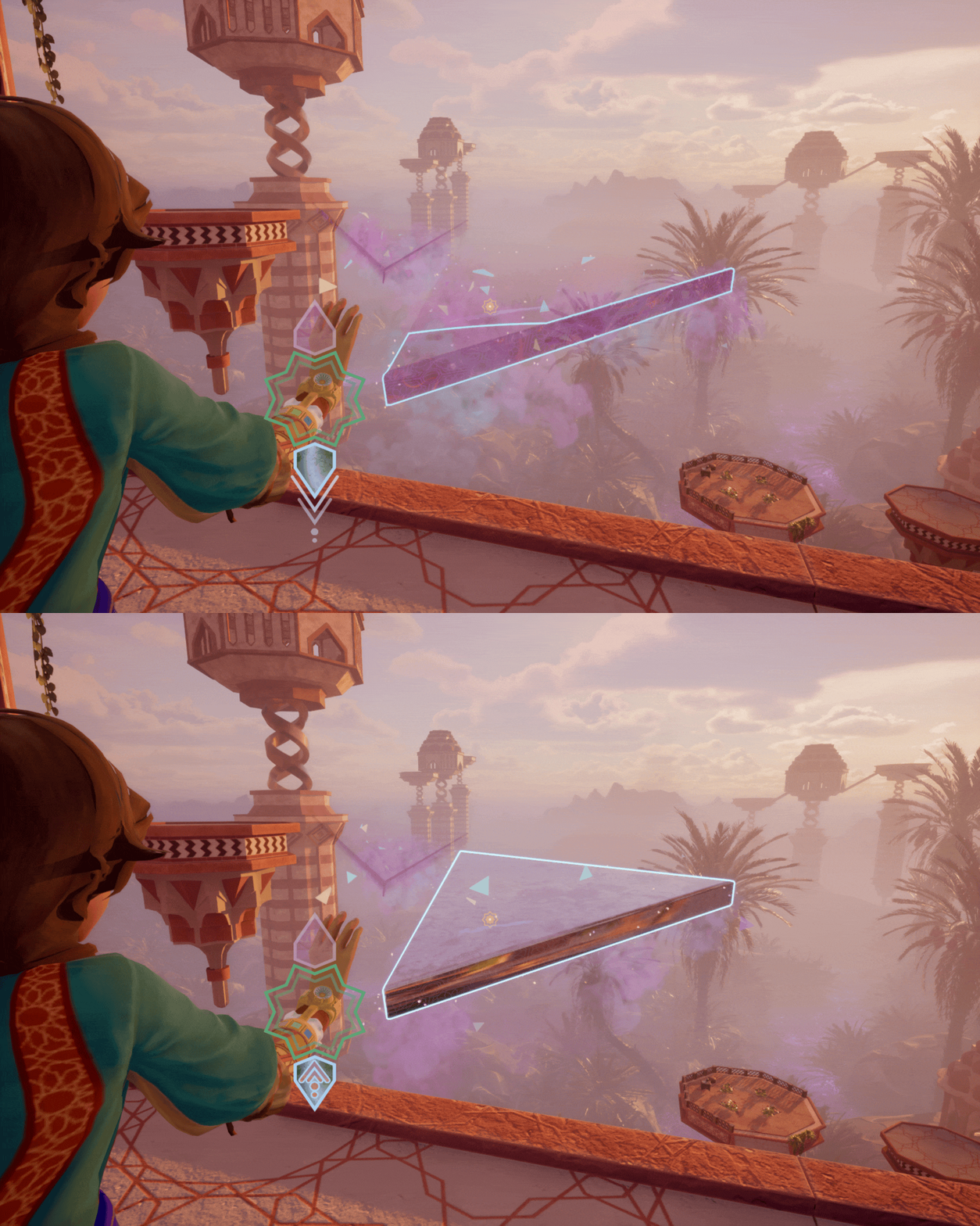
In the demo, I had to transmute a floating platform into heavy metal to weigh down a pressure plate. A bit later, I shifted a block into a lighter material to balance a scale-like structure, which finally gave me access to a lower ledge. It’s a clever system. Maya glides and climbs smoothly enough that the platforming rarely gets in the way of figuring out the room.
The difficulty right now leans heavily toward the "chill" end of the spectrum. There’s a lingering purple shadow in the background—presumably an antagonist tied to the game's underlying themes of unmanaged grief— but for now, the demo just wants you to enjoy exploring one of its levels.
Talking to textbooks
One of the cooler swings the game takes is with its cast. Instead of scattering journal pages around to feed you historical context, it just puts the actual scholars in the room with you.
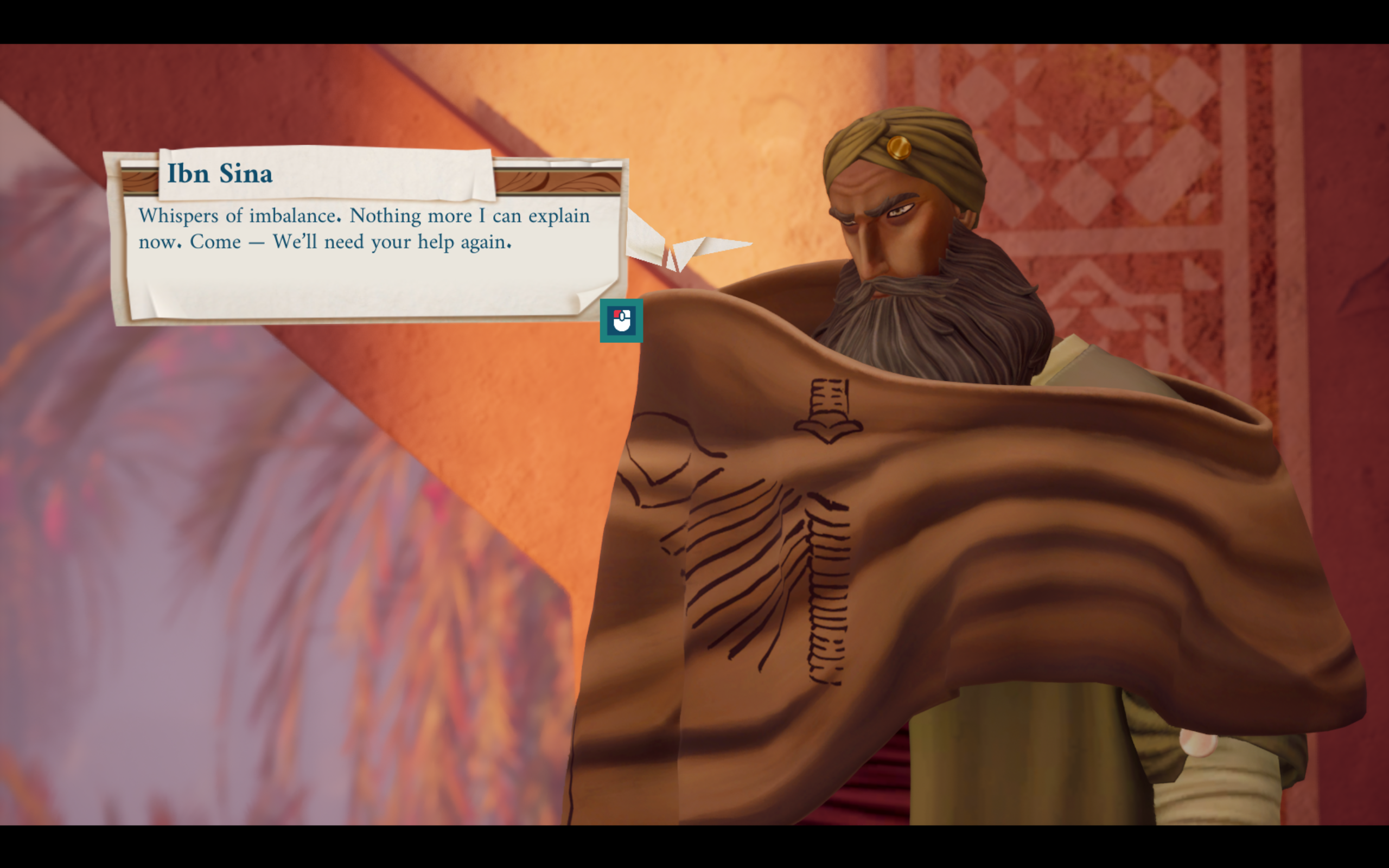
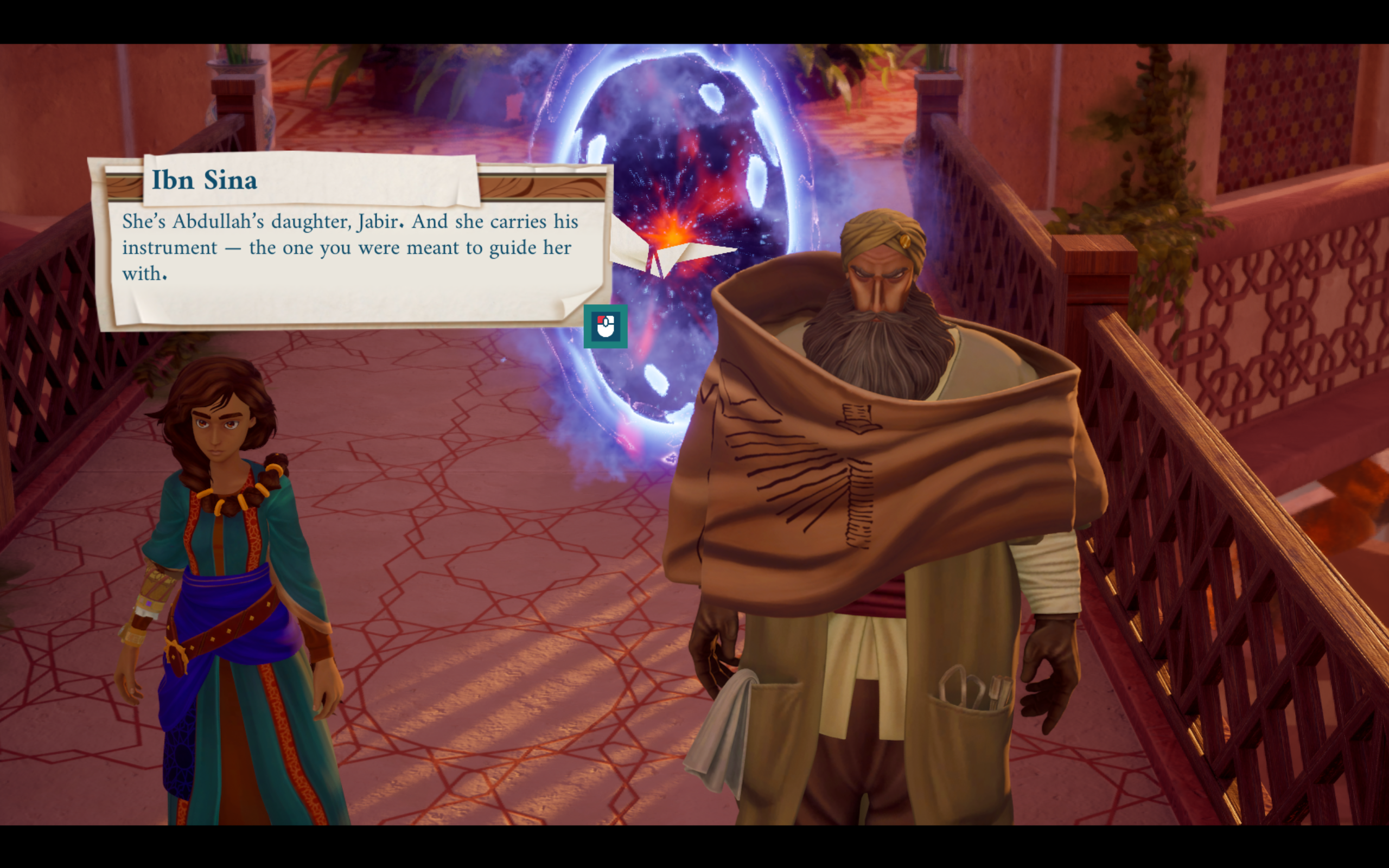
You run into Ibn Sina (Avicenna), who gets a fantastic character design detail: he wears a cloak emblazoned with a skeletal ribcage diagram, a great nod to his medical legacy. You also meet Ibn Hayyan (Geber), portrayed with the frantic, stubborn energy of a chemist who outright refuses to leave his lab because "the experiment isn't over yet."
The rough edges
If there is one area where the game shows its early-build status, it’s the script. The localisation efforts are genuinely cool—hearing phrases like "To God we belong and to Him we return" integrated naturally into the dialogue feels right at home here.

However, the delivery leaves something to be desired. A lot of lines function as guidance and signposting, and the emotional temperature can feel oddly flat even when the writing is trying to spike. Given the heavy themes of grief and the world-threatening "imbalance" these scholars keep hinting at, the interactions feel stiff. You want these historical titans to have a bit more presence, but right now, they feel like standard quest-givers.
Early Outlook
Even in this early build, The House of Hikmah has a very specific appeal. It is not trying to be a history lesson, and it is not trying to be edgy about its setting either. It’s aiming for something softer: a playable fable about knowledge, loss, and the strange comfort of rituals and routines.
Right now, the transmutation puzzles already have a satisfying logic, and the setting does more than look pretty. It feels curated in a way that’s inviting, even if it occasionally slips into “museum exhibit” energy. If Lunacy Studios can punch up the dialogue, give the scholars more personality in performance, and make the emotional beats land with more texture, this could become one of those quietly memorable games people keep recommending long after its release.
You can play the demo for The House of Hikmah here.
Written by

Subscribe to our newsletter
Subscribe to our newsletter to get the latest updates and news












Member discussion