
Perfect Tides: Station to Station Review: Captures the specific, quiet terror of early adulthood
Three Bees’ sequel moves past 2000s nostalgia to capture the specific, messy limbo of life after high school.

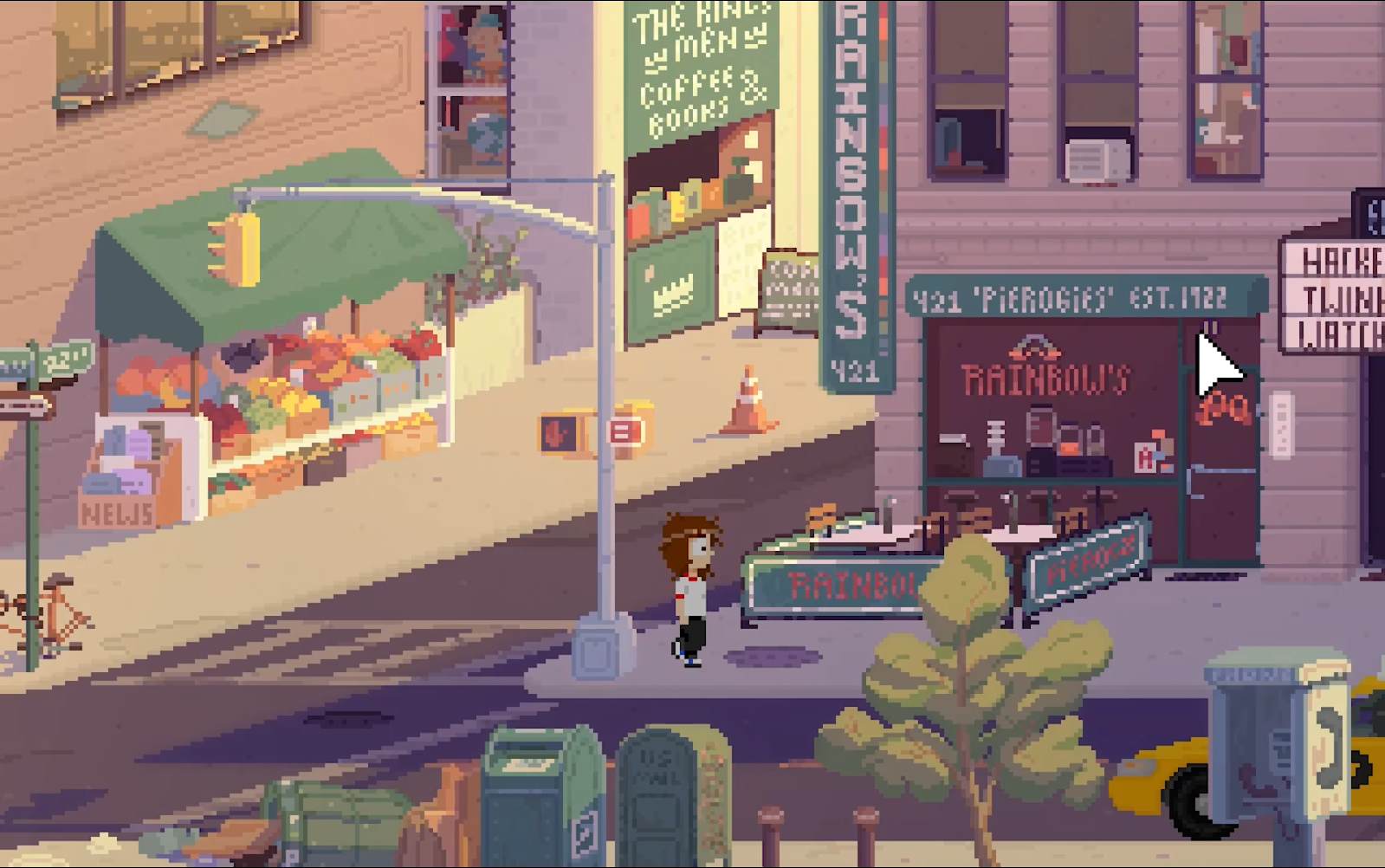
There is a specific frequency of anxiety reserved for the moment you realize you have outgrown your childhood bedroom, but you haven’t quite figured out how to inhabit the rest of the world yet. Perfect Tides: Station to Station lives entirely in that gap.
Developed by Meredith Gran (best known for the long-running webcomic Octopus Pie), this narrative point-and-click adventure is a sequel that requires no homework. I didn’t play the first Perfect Tides, yet I never felt locked out. Station to Station pulls that confident sequel manoeuvre where it assumes a world already exists, trusting you to pick up the emotional vocabulary through context.
We follow Mara Whitefish, now 18, commuting between her mother’s suburban apartment and the city. She is in that tender, aggravating phase where every conversation feels like it might define you, and every attempt to define yourself feels like a lie you’ll have to maintain later. The result is a game that feels less like a product and more like a remembered bruise.
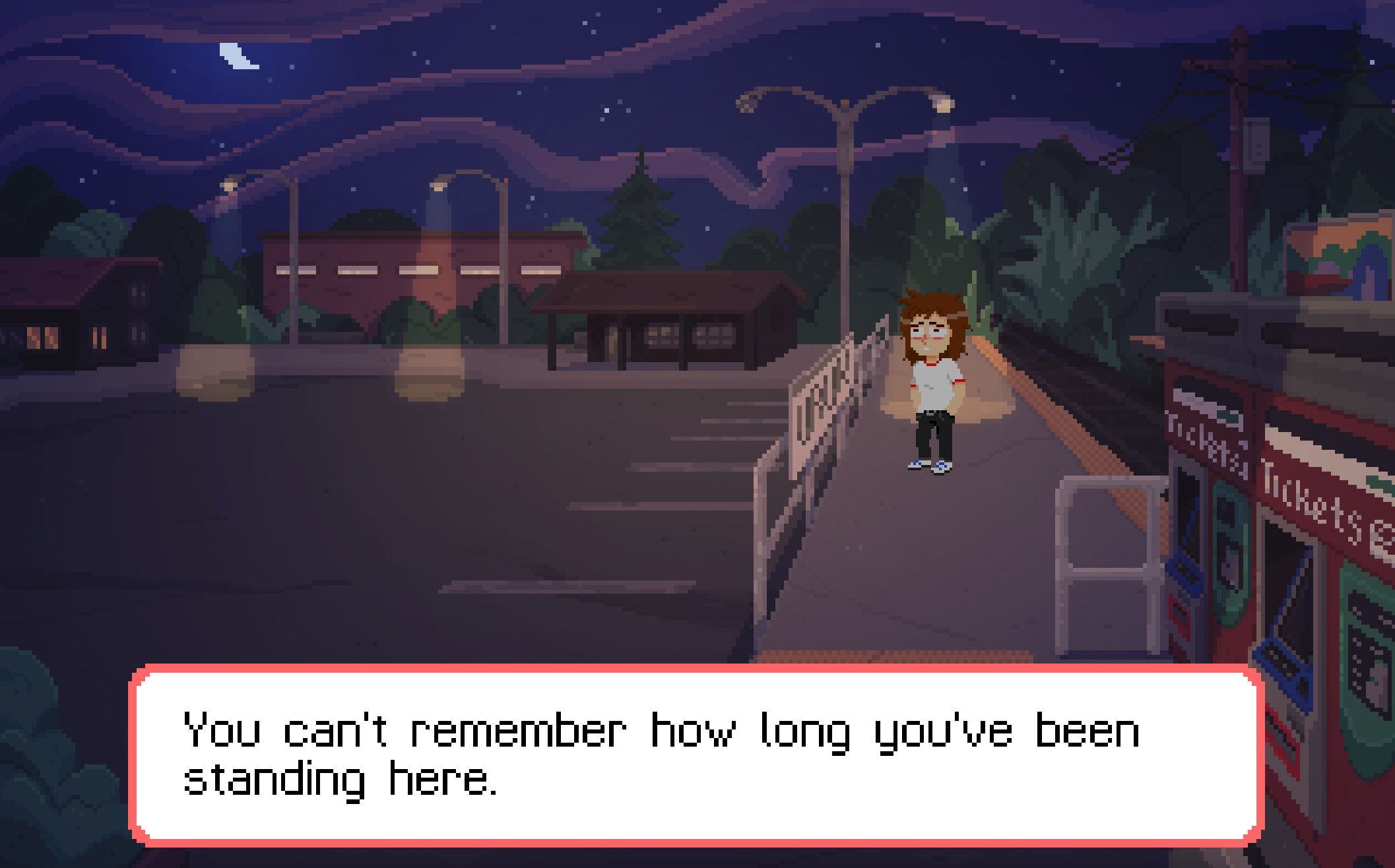
The Inventory of a Personality
The vibe is undeniably early 2000s, but it mercifully skips the sweaty “remember this?” nostalgia lap. Instead, the era is embedded in the texture of the world: the glow of CRT monitors, the specific cadence of instant messenger chat logs, the way a forum notification can make your stomach drop.
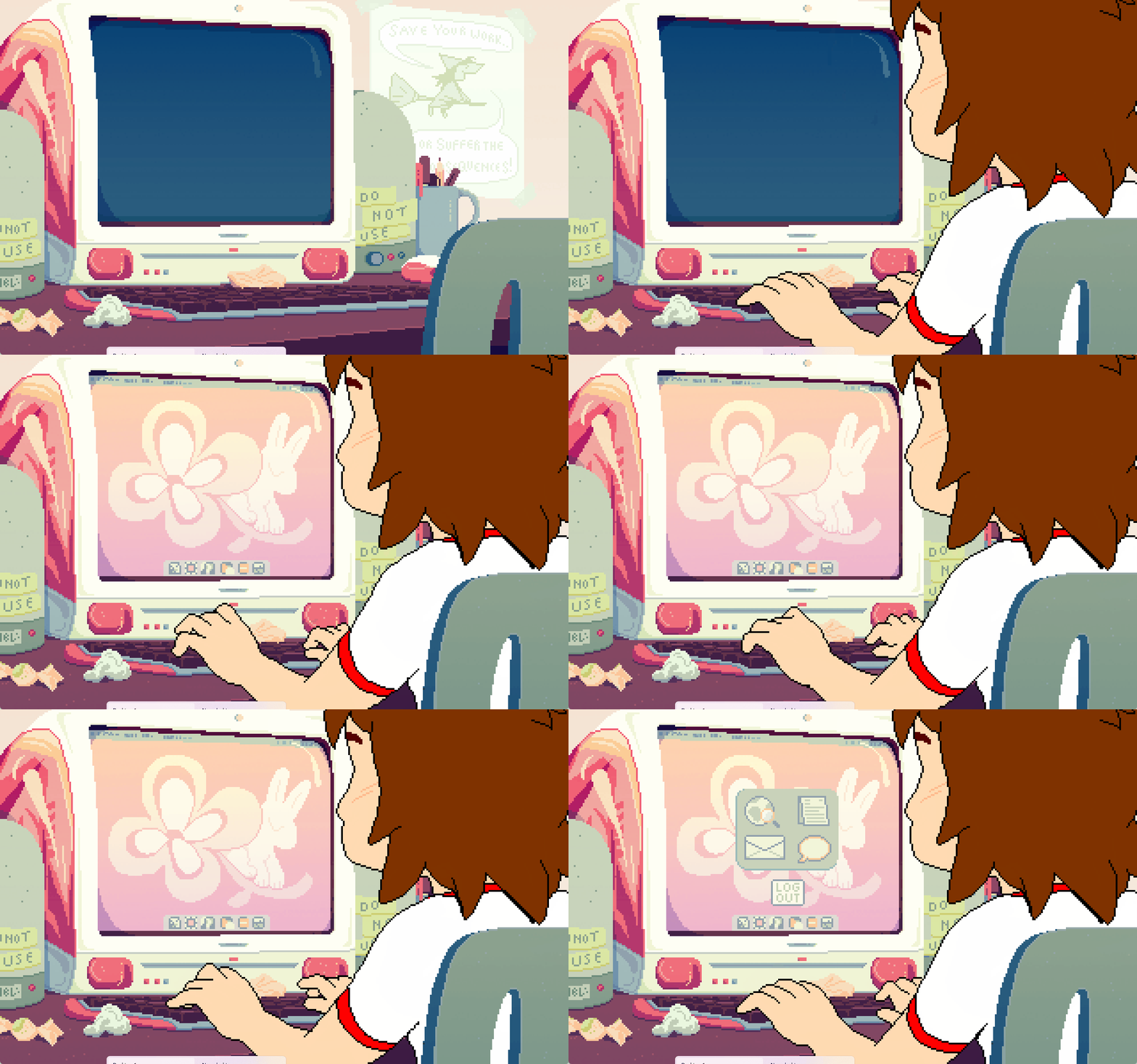
But where Station to Station truly distinguishes itself from standard adventure fare is how it treats social friction. On paper, it’s a point-and-click: you move between locations, click interactables, and talk to people. In practice, it’s a "social survival" sim.
The game introduces a smart "Topic" system that acts as your inventory. You don’t just collect items; you collect concepts. Overhear a conversation about Anarchism? That goes in your inventory. Have an awkward run-in involving Drugs? Added to the list. You then "equip" these topics in conversations to unlock new dialogue paths or impress specific cliques. It’s a mechanic that perfectly simulates the way young adults treat personality as a deck of cards they’re constantly reshuffling to fit in.
Gamifying the Writer’s Block
This system feeds into the game’s best structural loop: Mara’s writing. Her creative ambitions aren't just character flavour; they are gameplay pressure.
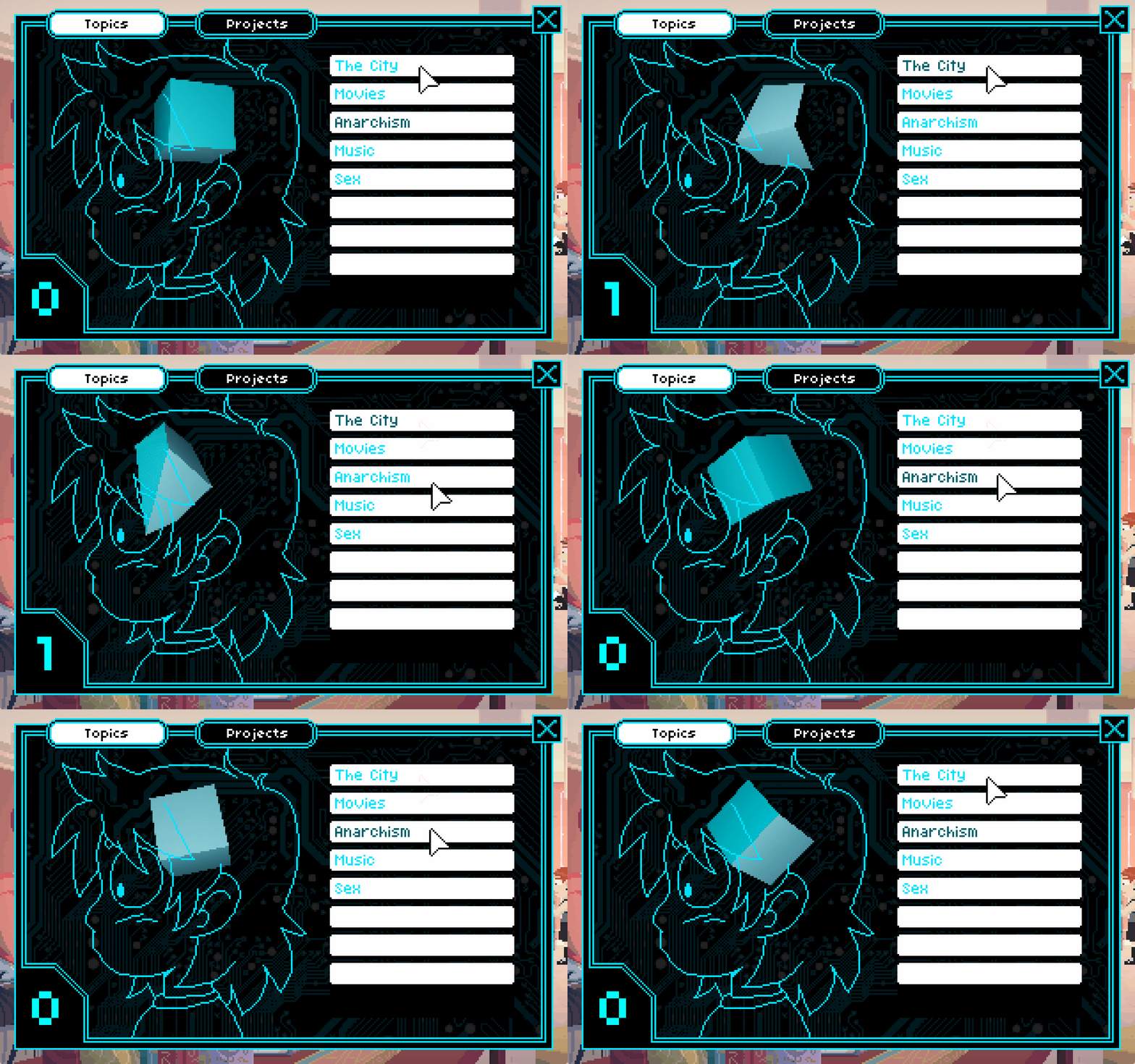
Throughout the game’s four-season structure, you are tasked with writing assignments. To complete them, you have to combine the topics you’ve collected—mixing Local History with Teen Angst, for example—to create a piece that satisfies your professors or your blog followers.
It turns interiority into a resource management game. What you choose to focus on, what you avoid, and what you eventually metabolise into a story becomes part of how you play. It’s a rare example of "ludonarrative" harmony where the mechanics of the game (collecting ideas) match the protagonist's internal struggle (finding something to say).
The Friction of Being 18
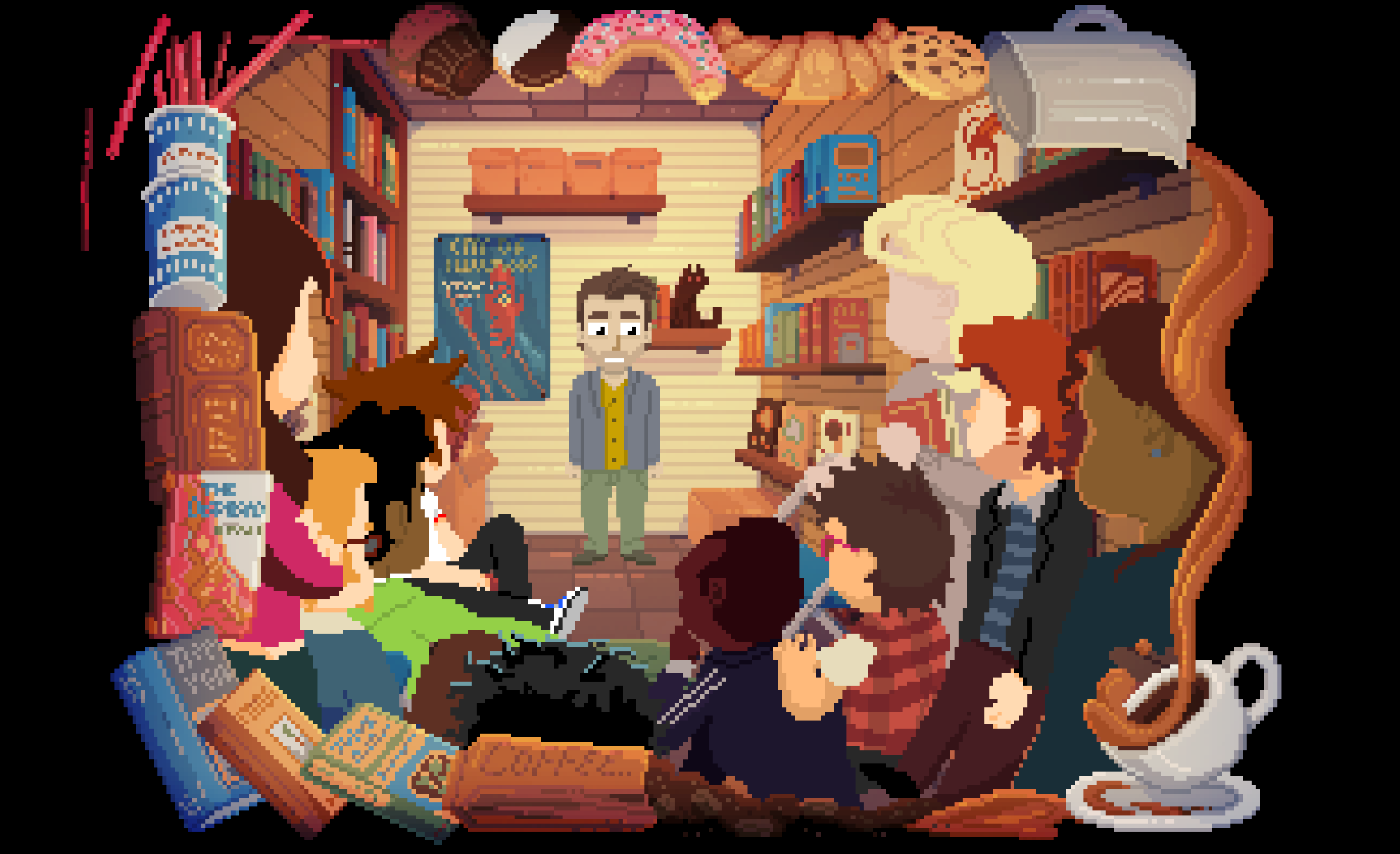
The art style seals the deal. It’s loose, expressive, and distinctly zine-like, prioritising "webcomic intimacy" over high-fidelity polish. Characters look drawn rather than rendered, and that softness pairs well with a story that is mostly about perception and the private theatre happening behind someone’s face.
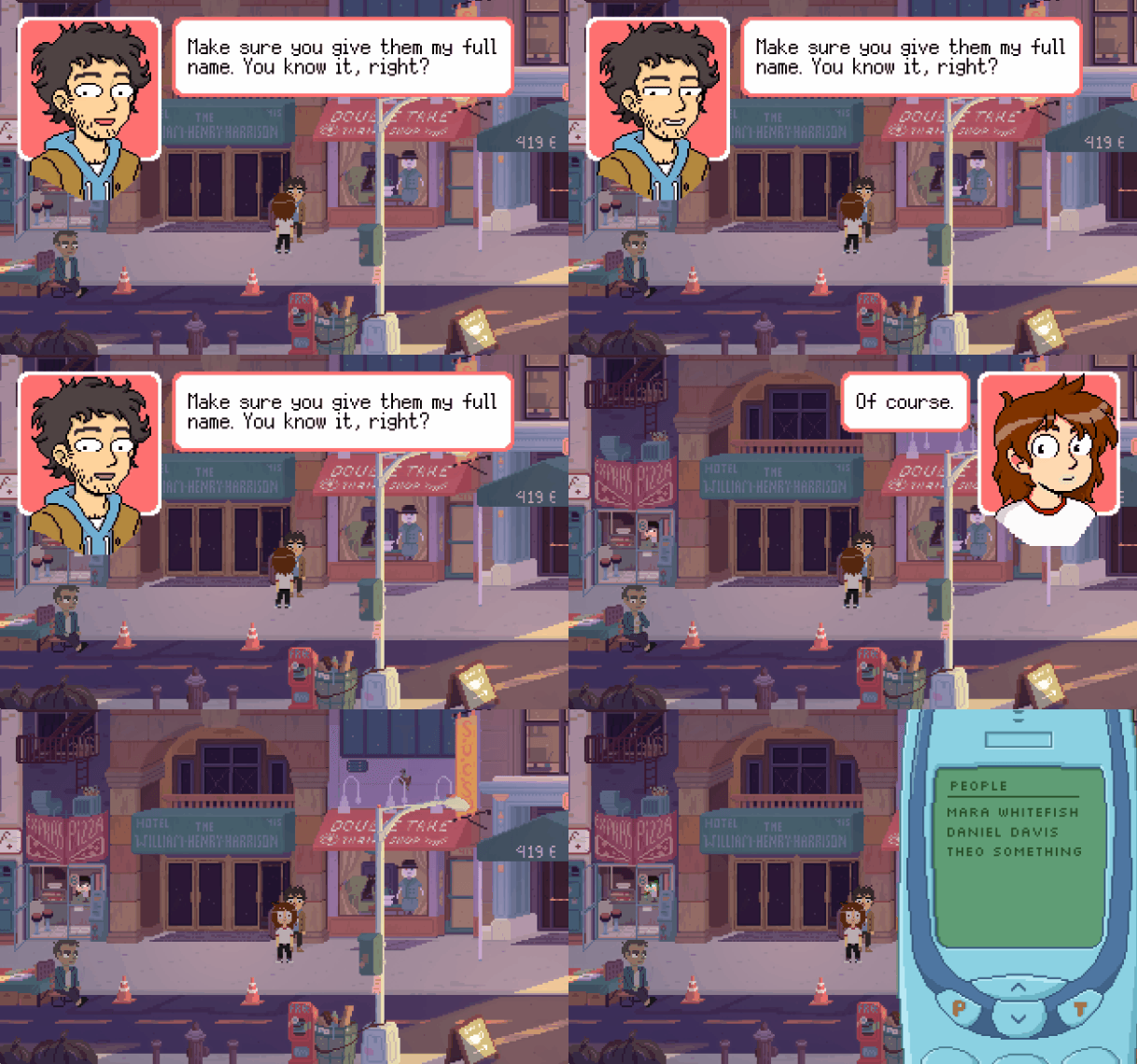
However, the game isn't without its rough edges. My biggest gripe is a very traditional genre problem: visual clutter. Scenes are often packed with detail, and the distinction between background art and interactable objects isn't always clear. You will find yourself doing the dreaded "pixel hunt"—sweeping your cursor slowly across the screen, hoping to turn the arrow into a hand. In a game this mood-driven, getting stuck because you missed a 10-pixel hotspot doesn’t feel like a puzzle; it feels like being yanked out of the narrative.
The pacing also demands patience. Station to Station refuses to chase neat arcs. People drift away. Conversations end sideways. Some in-game days feel like filler because, honestly, that’s what life feels like. When it works, that restraint is poignant. When it doesn’t, particularly in the slower middle chapters, you can feel the narrative idling, waiting for you to click through the next obligation.
Verdict
The reason I stuck with it—and why it has lingered in my mind days later—is the writing. Mara is funny in the specific, jagged way real people are: sometimes she’s cruel, often she’s trying too hard, and occasionally, she just stumbles into the truth.
Perfect Tides: Station to Station won’t convert anyone who bounces off narrative-heavy games. But if you are tuned to stories that care about voice, awkwardness, and the slow accumulation of regret, it hits hard. It captures that early adulthood loop where you swear you’re going to become a New Version of Yourself, only to wake up and realise you’re still you—just with a bigger inventory of anxieties.
Written by

Subscribe to our newsletter
Subscribe to our newsletter to get the latest updates and news











Member discussion