
NVIDIA hiring engineers to optimize Linux gaming performance
NVIDIA's removed job listings reveal plans to fix Linux gaming's biggest problems through Proton optimisation. This could either boost desktop gaming or prepare for NVIDIA-powered handhelds to challenge AMD's dominance.

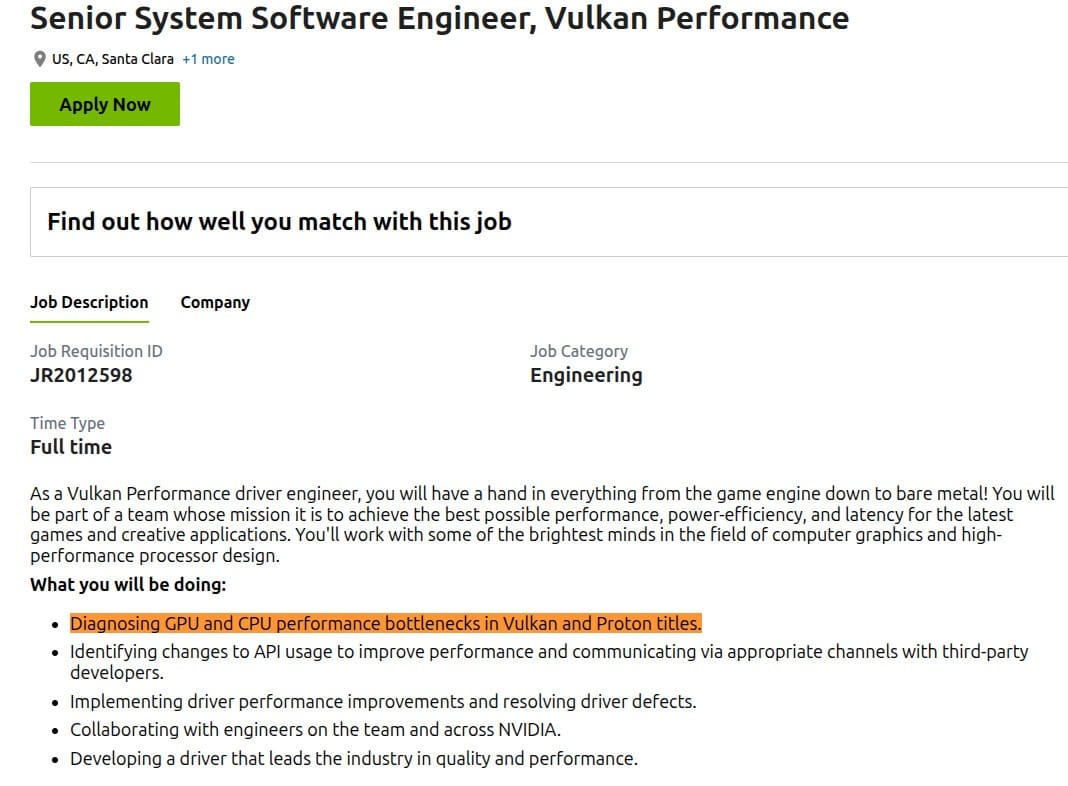
NVIDIA is hiring engineers to optimize Linux gaming performance, specifically targeting the Proton compatibility layer and Vulkan API. As reported by TechPowerUp, citing now-removed job listings, this signals either improved support for Linux desktop gaming or preparation for NVIDIA-powered handheld devices. March 2026
What NVIDIA's Linux gaming push involves
The job listings explicitly mentioned diagnosing CPU and GPU performance bottlenecks when running games through Proton — the compatibility layer that translates Windows API calls for Linux. NVIDIA's 73% market share in Steam's hardware survey means any improvements here will benefit the majority of PC gamers considering Linux.
The engineering work covers everything from game engines to hardware interaction, not just surface-level optimisations. This suggests NVIDIA is serious about building a comprehensive Linux gaming stack rather than offering token support.
Why this timing matters for handheld gaming
NVIDIA's N1 and N1X laptop chips are launching soon, and these could easily power handheld gaming devices. Currently, AMD dominates the handheld space with its Z1 Extreme chip powering devices like the ROG Ally. However, AMD's driver support concerns have left manufacturers looking for alternatives.
The Steam Deck runs on a custom AMD APU, but NVIDIA's entry into this space could offer better performance and ray tracing capabilities. The company previously made handheld chips for the Nintendo Switch, proving they understand the market.
What this means for desktop Linux gaming
Linux desktop users with NVIDIA GPUs stand to benefit immediately from these optimizations. The focus on Proton means fewer stutters, better frame pacing, and reduced CPU overhead in Windows games running on Linux.
For context, many Linux users currently avoid NVIDIA GPUs due to driver complications. Our experience with Bazzite Linux gaming showed these real-world performance issues. If NVIDIA can solve the "Proton tax" — the performance penalty for running Windows games on Linux — it removes a major barrier to Linux adoption.
When to expect improvements
The job listings have been removed, suggesting NVIDIA either filled the positions or pulled them for strategic reasons. There's no official timeline for when these Linux gaming improvements might arrive.
If NVIDIA is preparing for handheld devices using their N1X chips, we could see announcements later in 2026. Desktop Linux gaming improvements would likely come through driver updates once the engineering work is complete.
Frequently Asked Questions
Why is NVIDIA investing in Linux gaming?
NVIDIA is investing in Linux gaming to improve GPU performance on the platform, refine product support for gamers, and potentially develop new handheld gaming devices that could compete with AMD-powered alternatives.
How will this impact current NVIDIA users on Linux?
Current NVIDIA Linux users should see quality of life improvements such as fewer stutters, better frame pacing, and reduced CPU overhead in games running through Proton compatibility layer.
Could NVIDIA power a new Steam Deck competitor?
Yes, NVIDIA's N1 and N1X laptop chips could easily power handheld gaming devices. The company has experience with handheld chips from the Nintendo Switch and could offer better performance than current AMD solutions.
What is Proton and why does it matter?
Proton is a compatibility layer that translates Windows game API calls to work on Linux. NVIDIA optimising for Proton means Windows games will run better on Linux systems with NVIDIA GPUs.
Written by

Subscribe to our newsletter
Subscribe to our newsletter to get the latest updates and news












Member discussion