
Nvidia warns of 'very tight' GPU supplies for next two quarters
Nvidia's CFO warns GPU shortages will persist for "a couple quarters" as AI demand devours chip supply. RTX cards now cost Dhs 735-1,835 above launch prices in UAE, with next-gen GPUs potentially delayed until 2028.

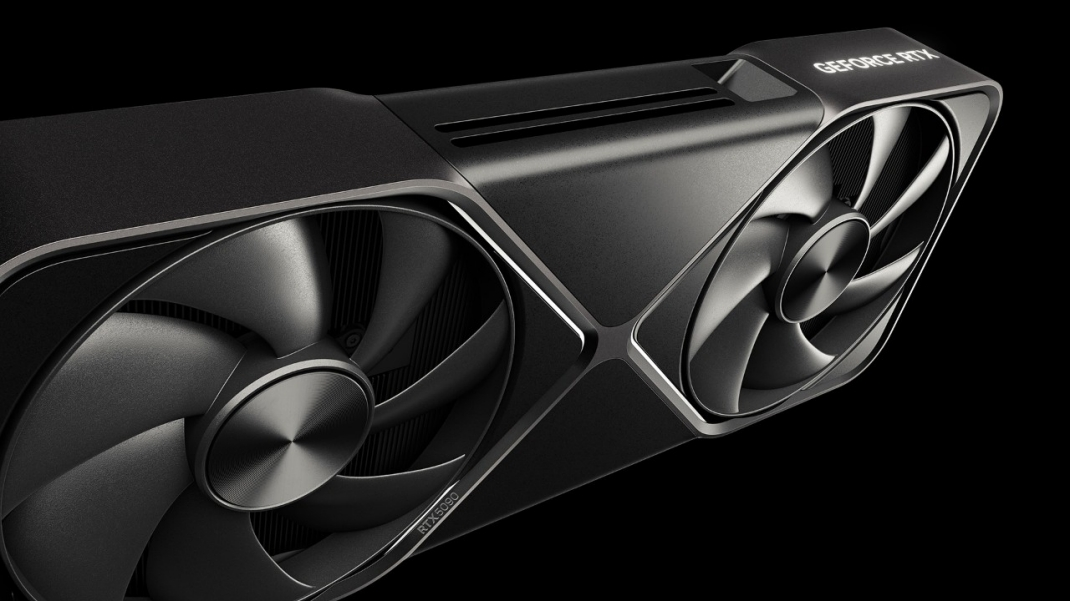
According to Nvidia's fiscal Q4 earnings report, GPU supplies will remain "very tight" for at least the next two quarters due to an ongoing memory shortage. Gaming revenue dropped 13% quarter-over-quarter to $3.7 billion, even as the company posted record results driven by its $62.3 billion data centre business in February 2027.
Why are Nvidia GPU supplies so tight?
The chip giant is facing what industry insiders call "RAMaggedon" — a severe memory shortage that's forcing Nvidia to prioritise its booming AI data centre business over consumer gaming GPUs. According to CFO Colette Kress, "We expect supply constraints to be a headwind to gaming in the first quarter of fiscal 2027 and beyond."
The numbers tell the story. Nvidia's data centre revenue hit $62.3 billion in fiscal Q4, dwarfing gaming's $3.7 billion. When you're choosing between selling chips to AI companies paying premium prices or gamers buying single cards, the maths is brutal but simple.
Memory suppliers have been warning for weeks that this AI-driven shortage will persist well into 2027. The shortage is so severe that reports suggest the next-generation RTX cards might not arrive until 2028.
What this means for UAE PC builders
If you're planning a gaming rig in UAE, prepare for sticker shock. High-tier cards like the RTX 5080 and RTX 5070 Ti now cost $200 to $500 above their original MSRPs. That's roughly Dhs 735 to Dhs 1,835 more than launch prices.
The timing couldn't be worse for the local PC building community. Just as new desktop systems hit the market, the core component that drives gaming performance has become prohibitively expensive.
For context, Nvidia's gaming business actually grew 47% year-over-year despite these constraints. The problem isn't demand — it's that every chip Nvidia can make gets gobbled up by data centre customers first.
When will GPU prices come down?
Don't hold your breath. When asked about year-over-year growth prospects, Kress was blunt: "As much as we would love to have more supply, we do believe for a couple quarters, it is going to be very tight."
She added a sliver of hope: "If things improve by the end of the year, there is an opportunity to think about what this is from a year-over-year growth, but it's still too early for us to know at this time."
Translation: maybe by late 2027, but don't count on it. The AI boom shows no signs of slowing, and Nvidia has little incentive to flood the consumer market when businesses are paying premium rates for the same silicon.
RTX 6000 series delay looms
The most concerning development for gamers is the potential delay of Nvidia's next-generation RTX 6000 series. Reports from The Information suggest these cards might not arrive until 2028, creating an unusually long three-year gap between GPU generations.
This would leave current RTX 50 series owners — and those still trying to buy them at inflated prices — stuck with the same hardware for longer than usual. Historically, Nvidia has refreshed its gaming lineup every 18-24 months.
The delay underscores how fundamentally the AI revolution has shifted Nvidia's priorities. Gaming, once the company's bread and butter, now represents just 6% of total revenue compared to data centres' massive 83% share.
Current GPU market in UAE
UAE retailers are feeling the pinch of global supply constraints. Major electronics stores report limited stock of high-end RTX cards, with prices well above official MSRPs.
The RTX 5080, originally priced around Dhs 4,400, now sells for Dhs 5,135-5,870 when available. The RTX 5070 Ti has seen similar inflation, jumping from roughly Dhs 3,300 to Dhs 4,035-4,770.
Pre-built gaming systems remain available but at premium pricing. Those considering upgrades might want to explore older-generation cards or wait until the supply situation improves — though that won't be anytime soon.
Frequently Asked Questions
Why are Nvidia GPU supplies tight?
Nvidia's GPU supplies are very tight due to an ongoing memory shortage and the company prioritising chips for its rapidly growing AI data centre business over consumer gaming cards.
When will GPU prices come down?
Nvidia expects supplies to remain very tight for at least the next two quarters. There's a possibility of improvement by end of year, but it's too early to predict when prices will significantly decrease.
Is the Nvidia RTX 6000 series delayed?
Reports suggest the next-generation RTX 6000 series might be delayed until 2028 due to the severe memory shortage, creating an unusually long three-year gap between GPU generations.
How much more expensive are RTX cards now?
High-tier graphics cards like the RTX 5080 and RTX 5070 Ti now cost $200-$500 (roughly Dhs 735-1,835) more than their original MSRPs due to supply constraints.
Written by

Subscribe to our newsletter
Subscribe to our newsletter to get the latest updates and news











Member discussion