
Nvidia promises 1 million times faster path tracing in future gaming GPUs
Nvidia's Rubin GPUs launching 2027-2028 will deliver 1-million-times faster path tracing than Pascal cards, using AI neural rendering to achieve photorealistic gaming. Current Blackwell chips already hit 10,000x improvements over RTX 10 series.

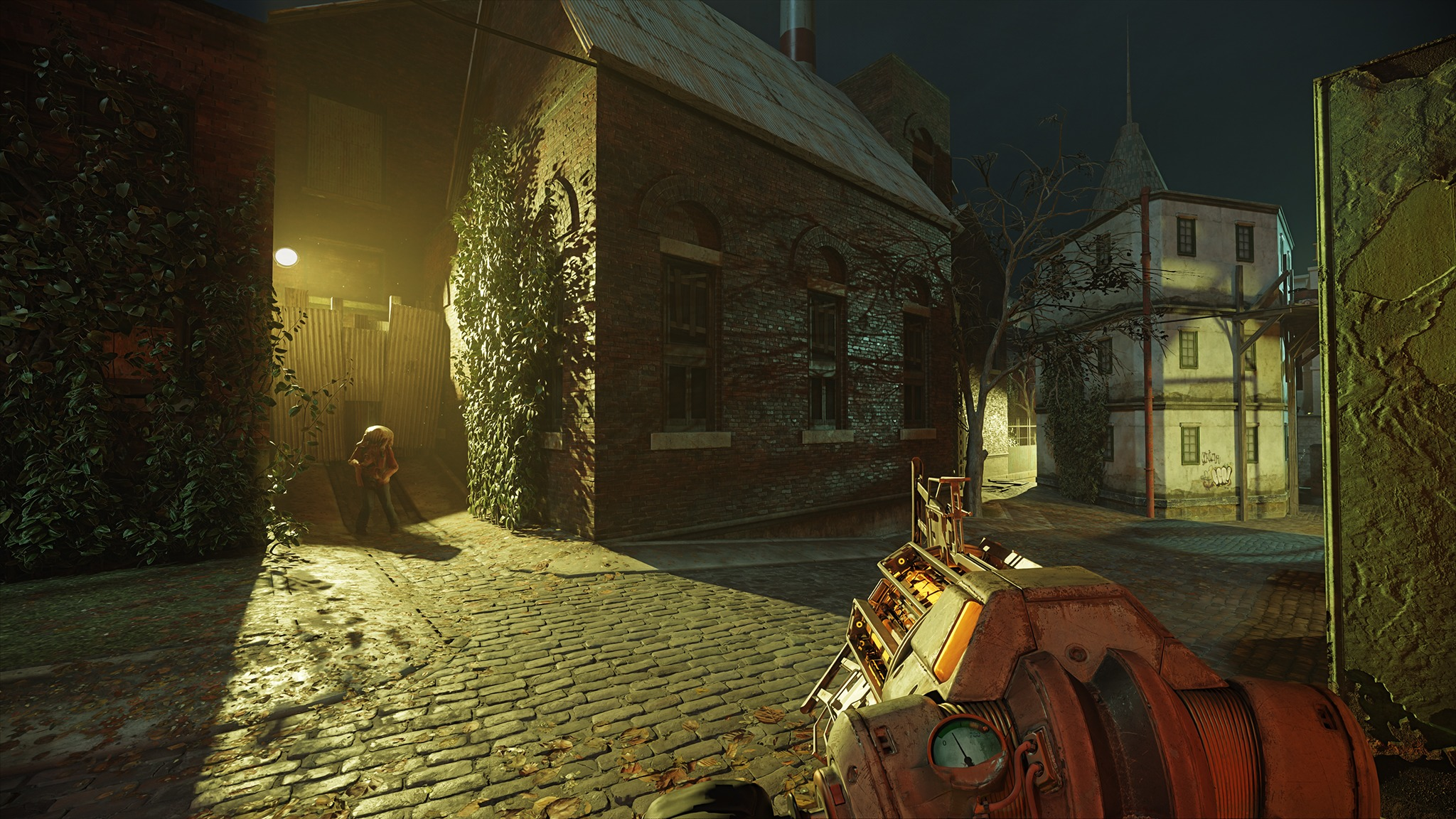
Nvidia has claimed that future gaming GPUs will achieve 1 million times better path tracing performance compared to the Pascal generation, according to a presentation at GDC 2026. John Spitzer, VP of Developer and Performance Technology, revealed that current Blackwell GPUs are already 10,000 times faster at path tracing than the RTX 10 series from a decade ago. The massive leap forward relies heavily on AI-accelerated neural rendering technologies that could deliver photorealistic gaming within the next few years.
What this means for gaming performance
According to Nvidia, the 1-million-fold improvement stems from dedicated RT and Tensor cores that handle machine learning inside modern GPUs. These hardware blocks enable AI-driven features like DLSS 4.5 and Multi Frame Generation, which piece together frame data more accurately for both upscaling and frame generation scenarios.
Spitzer explained that Moore's Law is dead and silicon advancements alone wouldn't generate photorealistic visuals in his lifetime. "We need a hundred or thousand times more computational power," he stated, positioning AI as the catalyst for achieving graphics indistinguishable from real life.
The presentation showcased impressive tech demos, including Witcher 4 footage with over two trillion triangles depicting realistic foliage and lighting simultaneously. New technologies like ReSTIR (spatiotemporal resampling algorithms) and RTX Mega Geometry will enable such complex scenes while maintaining smooth performance.
Timeline for next-generation GPUs
The breakthrough could arrive sooner than expected. Nvidia's next-generation Rubin GPUs, scheduled to launch between 2027 and 2028, are positioned to deliver the promised 1-million-times improvement in path tracing performance.
This timeline aligns with Nvidia CEO Jensen Huang's vision that games will eventually "look like a film" while running smoothly through real-time AI interpolation. Multiple frames would be generated by AI rather than traditional rendering pipelines, fundamentally changing how graphics are processed.
The growing list of path tracing-enabled games, including recent additions like Resident Evil Requiem, suggests the ecosystem is already preparing for these advances. Current GPU supply constraints may actually benefit early adopters when these breakthrough cards eventually arrive.
Frequently Asked Questions
What is path tracing in gaming?
Path tracing is an advanced rendering technique that simulates light paths to create highly realistic lighting, reflections, and shadows in games. It aims for photorealistic visuals by accurately calculating how light bounces through virtual environments, similar to real-world physics.
How much faster are current Nvidia GPUs at path tracing compared to older generations?
Current Nvidia Blackwell GPUs (RTX 50 series) are claimed to be 10,000 times faster at path tracing compared to the Pascal (RTX 10 series) GPUs from a decade ago. This improvement comes through dedicated RT and Tensor cores that accelerate AI-driven rendering.
When can we expect Nvidia's 1 million times faster path tracing GPUs?
Nvidia's next-gen Rubin GPUs, expected to launch sometime between 2027 and 2028, are anticipated to deliver this 1-million-times improvement in path tracing performance. These cards will rely heavily on AI and neural rendering to achieve photorealistic gaming visuals.
What role does AI play in these performance improvements?
AI is crucial because traditional silicon improvements alone can't deliver the required computational power for photorealistic gaming. Features like DLSS use machine learning to generate frames and upscale images, enabling massive performance gains without purely relying on hardware speed increases.
Written by

Subscribe to our newsletter
Subscribe to our newsletter to get the latest updates and news












Member discussion