
Nothing Phone 4a Review: Fresher, More Refined, and Slightly Pricer
A sharper display, 3.5x periscope zoom, and a premium build at AED 1,599. Is it worth the upgrade over the Phone 3a? We put it to the test.

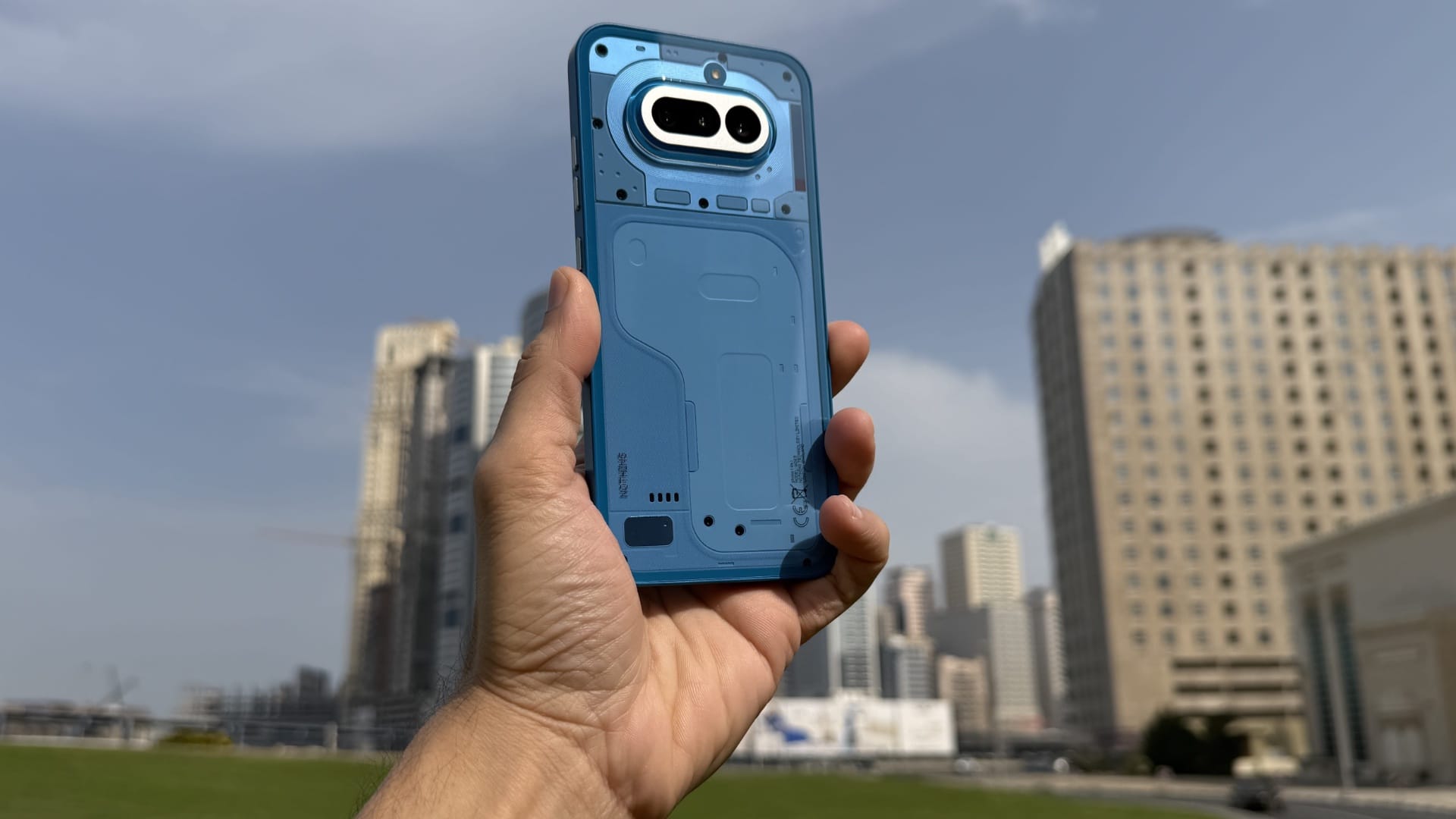
The Nothing Phone (3a) was a genuinely good mid-range smartphone, and at AED 1,399 for the 256GB version, it was hard to beat in the UAE market. The new Nothing Phone (4a) asks AED 1,599 — a AED 200 step up — and brings with it a higher-resolution display, a wholesale camera upgrade headlined by a 3.5x periscope telephoto, a new 63-LED Glyph Bar, and a refined transparent back that, in this Blue colorway, looks spectacular.
Despite all of that, I'm not entirely sure I'd recommend the (4a) over the (3a) — especially if you can find the older phone at a discount. But there's a real argument to be made, and it starts with the camera.
UAE Price & Availability
| Variant | UAE Price (AED) |
|---|---|
| Nothing Phone (4a) 8GB + 128GB | AED 1,399 |
| Nothing Phone (4a) 12GB + 256GB | AED 1,599 |
| Nothing Phone (3a) 12GB + 256GB | AED 1,399 |
The (4a) is available now in the UAE via nothing.tech/ae and major retailers including Sharaf DG, Noon, Jumbo Electronics, and Amazon UAE. Colours available in the UAE: Black, White, Blue, and Pink.
Design, Display and Features
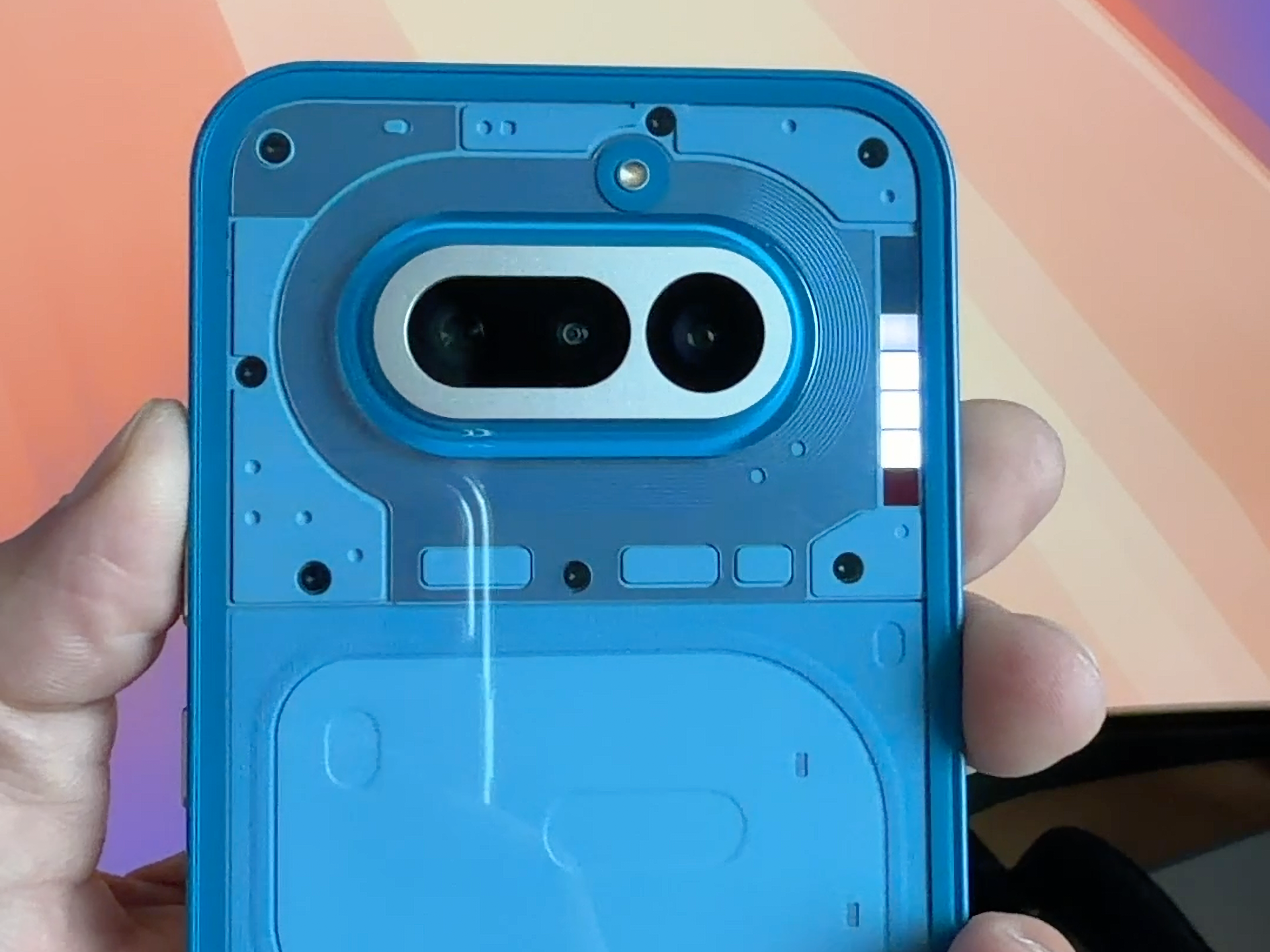
We received the Blue color of the Phone 4a, and I must say it’s an absolute visual delight. Nothing says the overall aesthetic of the back is inspired by an owl, with the camera module acting as the head and sharp eyes, and the lower transparent sections mimicking a graceful, agile body and claws. I completely see it.
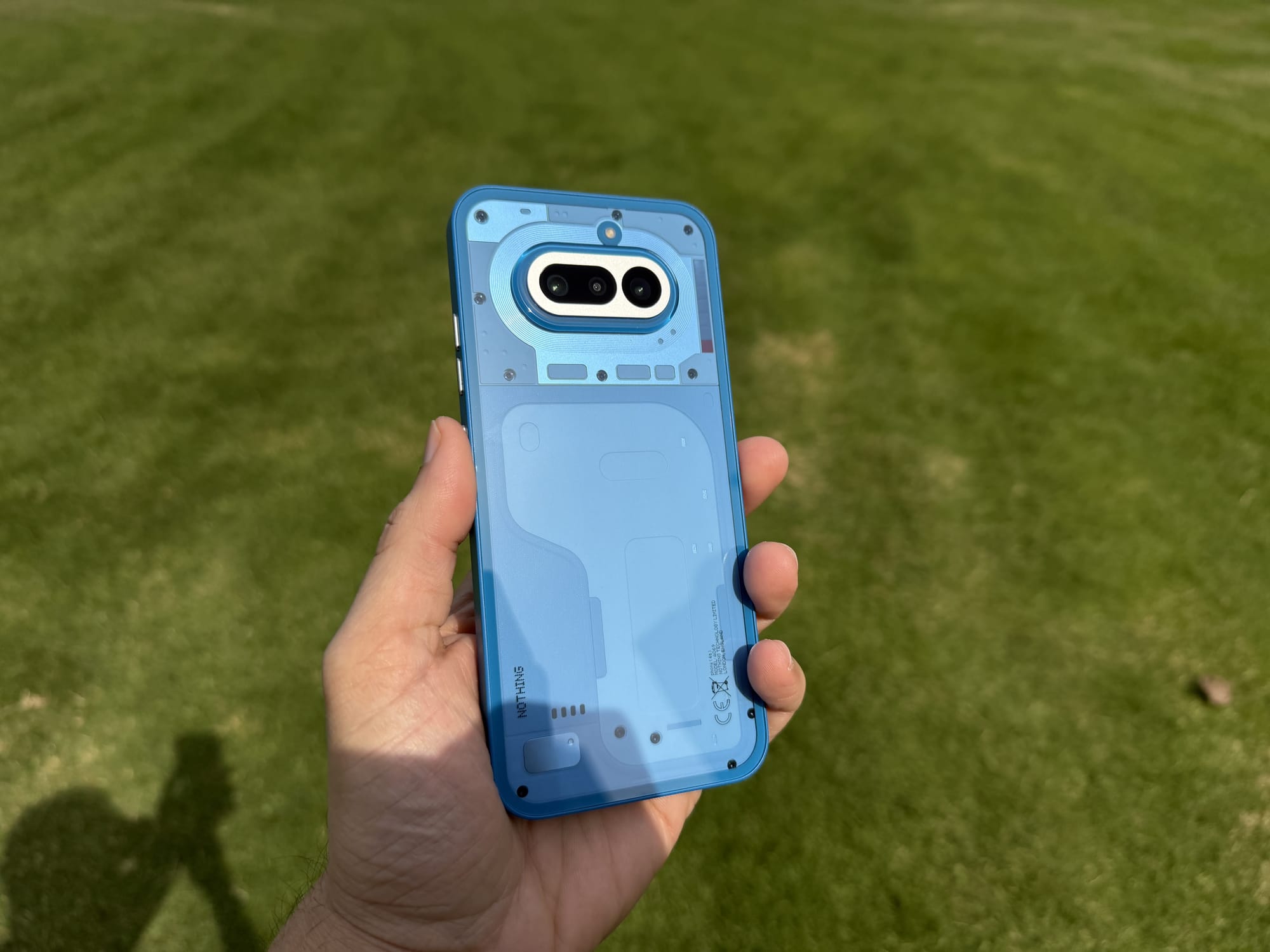
It doesn’t make sweeping changes to how the signature transparency works, but the look has been refined to make it sharper and more visually enticing. Nothing has made a deliberate move away from imitated parts, opting instead for a subtle but impactful increase in real metal finishes. You will notice this shining through the transparent Panda Glass, which adds a sense of depth and structure by highlighting the actual battery and FPC components underneath.
According to Nothing, the extra metal isn't just for show - it boosts the phone’s overall bending strength by 34% compared to the Phone 3a, bringing it closer to full-metal durability levels.
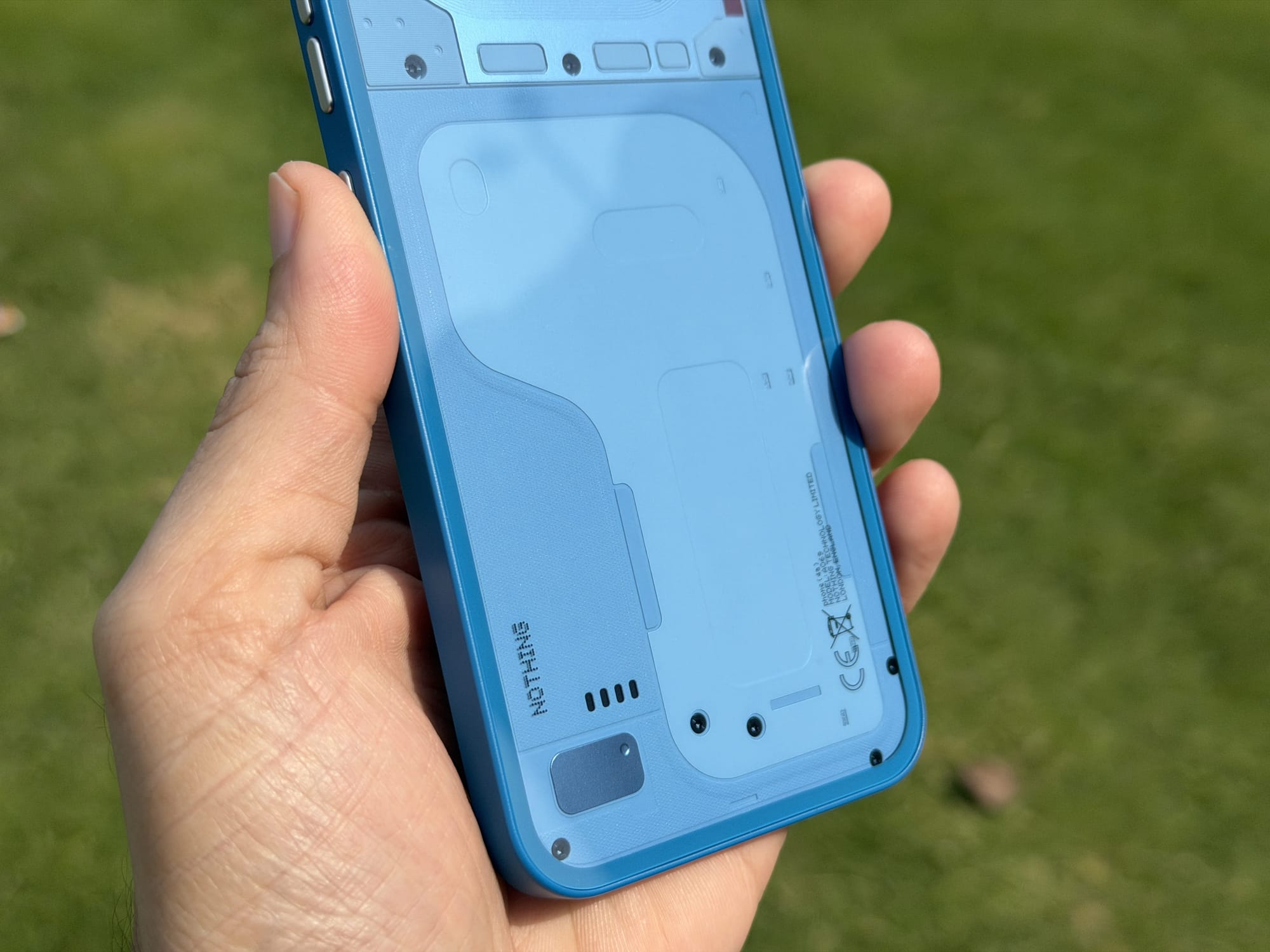
It feels incredibly good in the hands, coming across as much more premium than its price tag would suggest. Weighing in at 204.5g, it is a little heavy but well balanced across the entire unit. It fits the palm nicely, and is easy to use for extended periods. Nothing about this phone feels cheap or like corners were cut in the build quality. You get Gorilla Glass 7i protecting the front and silver aluminum buttons that add a really nice visual contrast with satisfying, tactile click. The power and volume buttons sit on the right, while the Essential AI key rests on the left side.
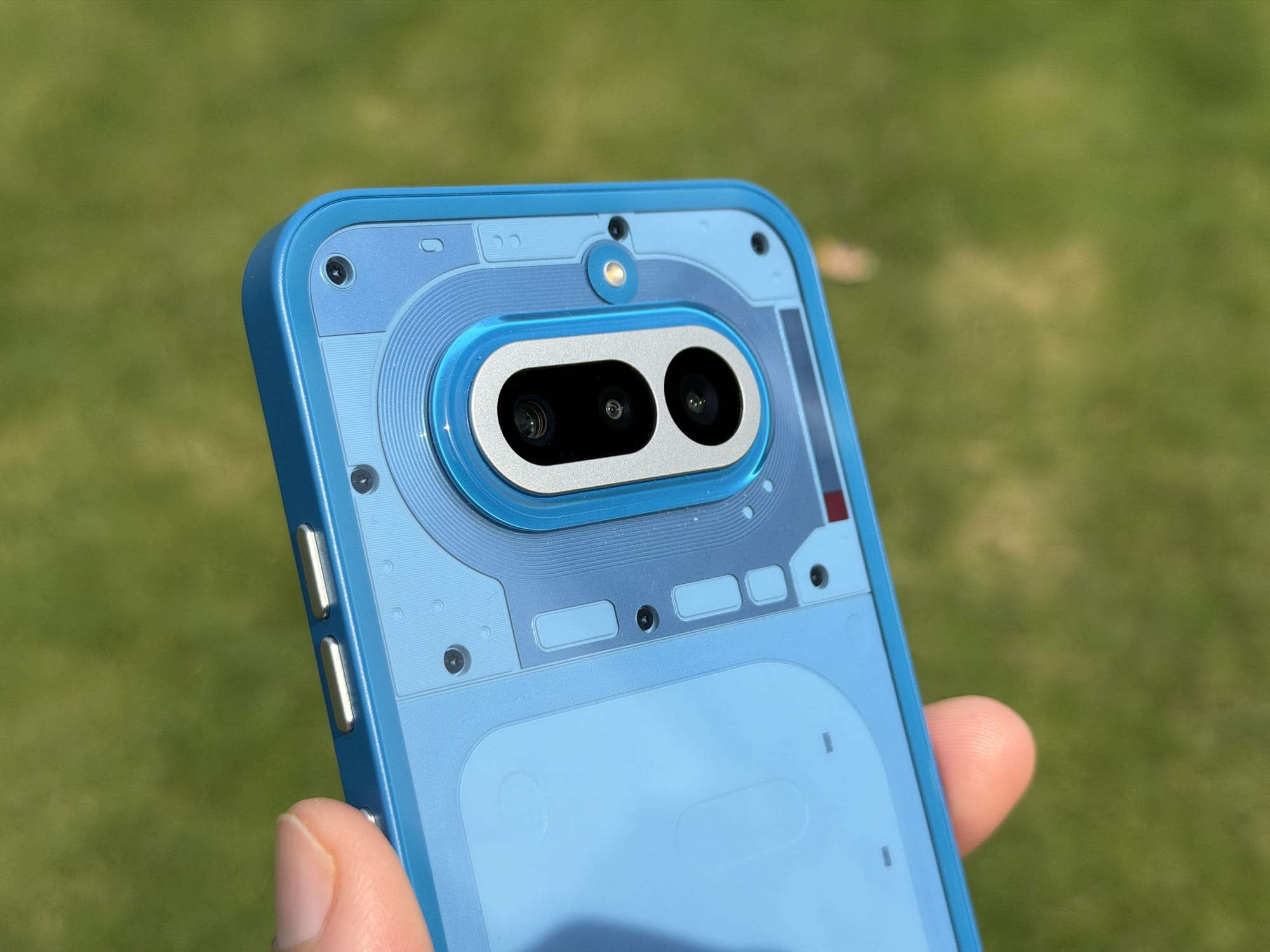
The camera module sits high on the back, housed inside a pill-shaped aluminum element. We will get into the lenses later, but on its side is the most obvious visual change from the Phone 3a: the new Glyph Bar. Where the 3a used continuous LED strips curving around the camera, the 4a switches to a rectangular array of 63 mini-LEDs grouped into seven quarters. It is up to 40% brighter than the previous generation, hitting 3500 nits with zero light leakage and no yellow fringing. Instead of just flashing for calls, this bar aims to provide a precise visual progress tracker for volume, timers, and live updates from supporting apps. Right next to it is a new dedicated red recording light inspired by vintage film cameras, which glows to let people know when you are shooting video.
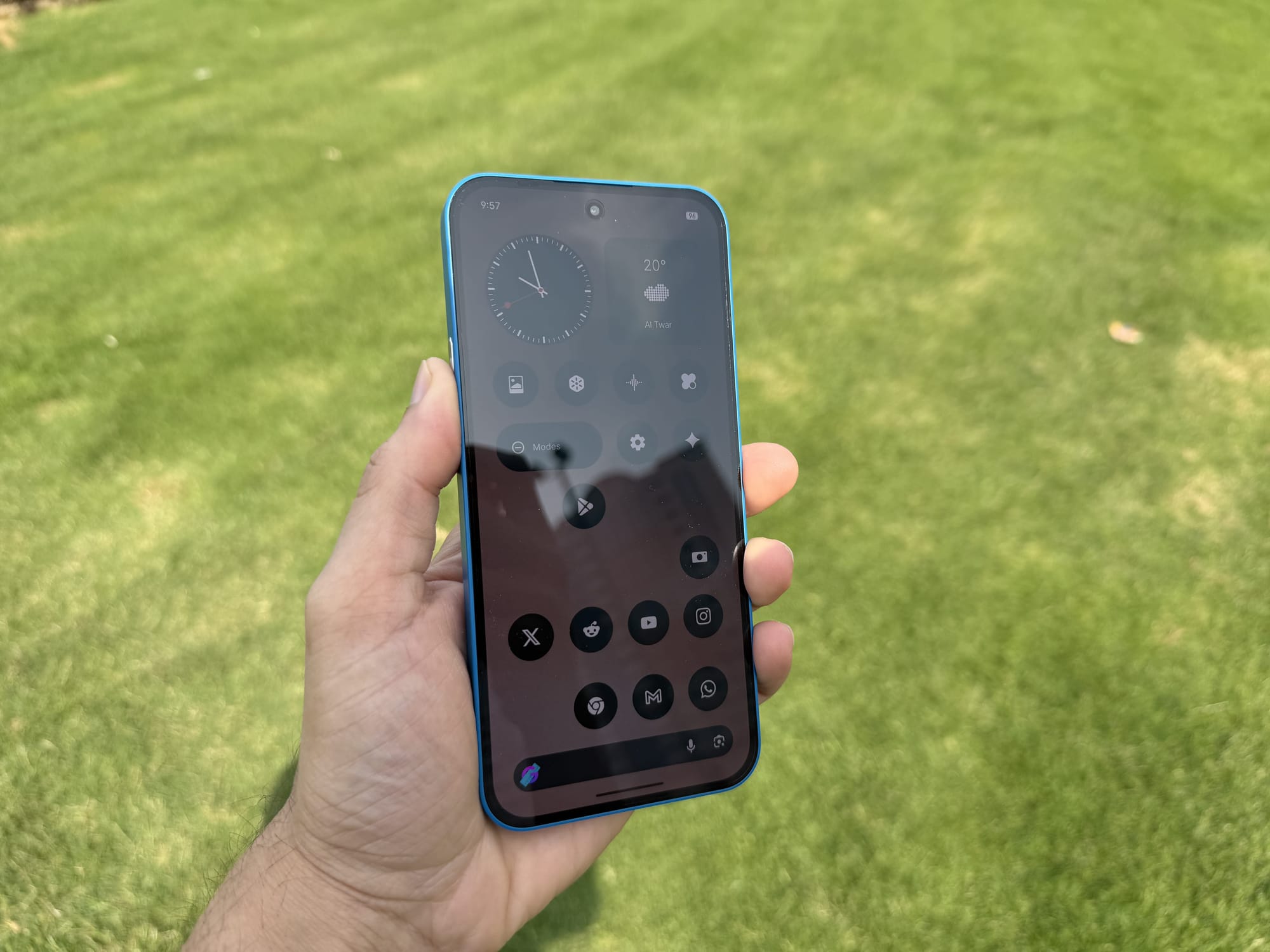
Flipping it over, the display has received a massive upgrade. It is a 6.78” AMOLED panel, but the resolution has been bumped from 1080p to a much sharper 1.5K, giving it 440 pixels per inch. It gets plenty bright too, peaking at 4500 nits for HDR content and hitting 1600 nits in high brightness mode outdoors. Combine that with a 120Hz adaptive refresh rate and a touch sampling rate that reaches 2500hz in gaming mode, and NothingOS’s optimization, the phone feels largely smooth. The bezels have also been trimmed down to 2.35mm, pushing the screen-to-body ratio to 91.3%, and there is also 2160Hz PWM dimming.
To round out the hardware, Nothing has boosted the phone’s durability. It carries an IP64 rating for dust and water resistance, and the company claims it can survive being submerged in 25cm of water for up to 20mins.
Camera: The Strongest Argument for the Upgrade
If there is one area where the Phone 4a feels like a proper upgrade over the Phone 3a is the camera hardware. While the older 3a featured a capable 50MP main and 50MP 2x telephoto setup, the 4a takes several strides forward. It starts with a large 1/1.57”, 50MP Samsung GN9 main sensor with OIS and an f/1.88 aperture. Because of the wider lens, it pulls in 64% more light for sharper details, wider dynamic range, and improved low-light performance. Rounding out the standard hardware is an 8MP Sony IMX355 ultrawide lens with a 120-degree field of view to capture landscapes, alongside a 32MP Samsung front-facing shooter.
The top billed feature is the new tetraprism periscope telephoto lens. Nothing packed a 50MP Samsung JN5 sensor into a folded prism design, which actually takes up 32% less internal space and drains less battery than a traditional L-shaped telephoto lens. It delivers a 3.5x optical zoom - equivalent to an 80mm focal length, which is great for natural-looking portraits. If you need to punch in further, the system supports a 7x lossless zoom and maxes out at 70x ultra zoom.
Nothing has also included its TrueLens Engine 4 for post-processing. It features Ultra XDR which stitches together 13 RAW frames at varying exposures to improve lighting and contrast. Portrait Mode gets a boost from AI Semantic Segmentation, preventing tricky details like stray hairs from accidentally blurring into the background. For creators, the app now supports 3-second Ultra XDR Motion Photos, 4K 30fps video recording with OIS, EIS and AI anti-shake, and even adjustable presets to mimic professional camera profiles with the ability to create your own.
During day light, the cameras perform well, capturing plenty of light while keeping the colors and the dynamic range well balanced. In 1x/2x shots, the details are reasonably preserved although they are prone to some oversharpening in post-processing. The 3.5x and 7x perform similarly well, as long as you do not introduce a scene with too many details which is where the oversharpening post processing goes into extreme overdrive.



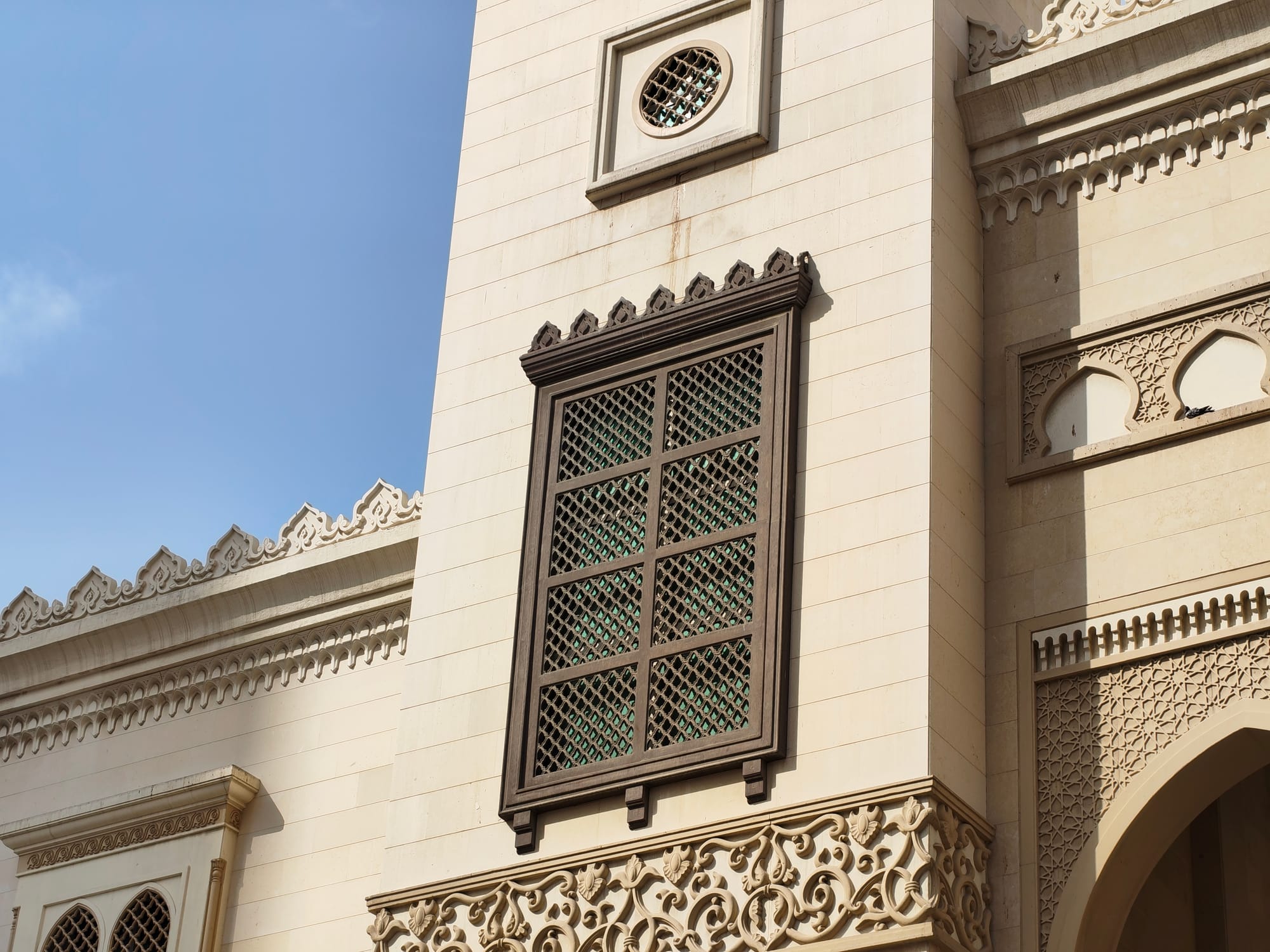
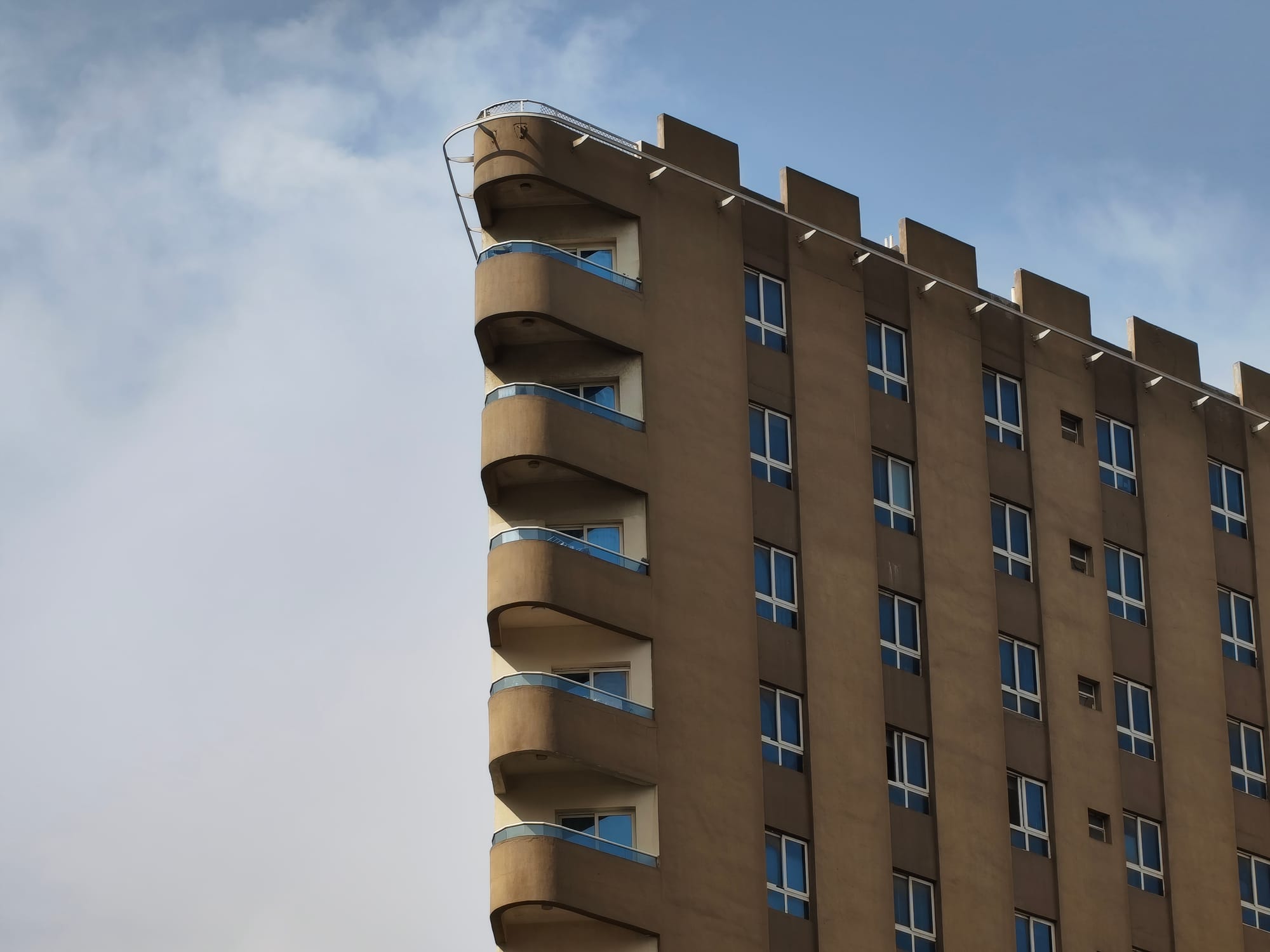
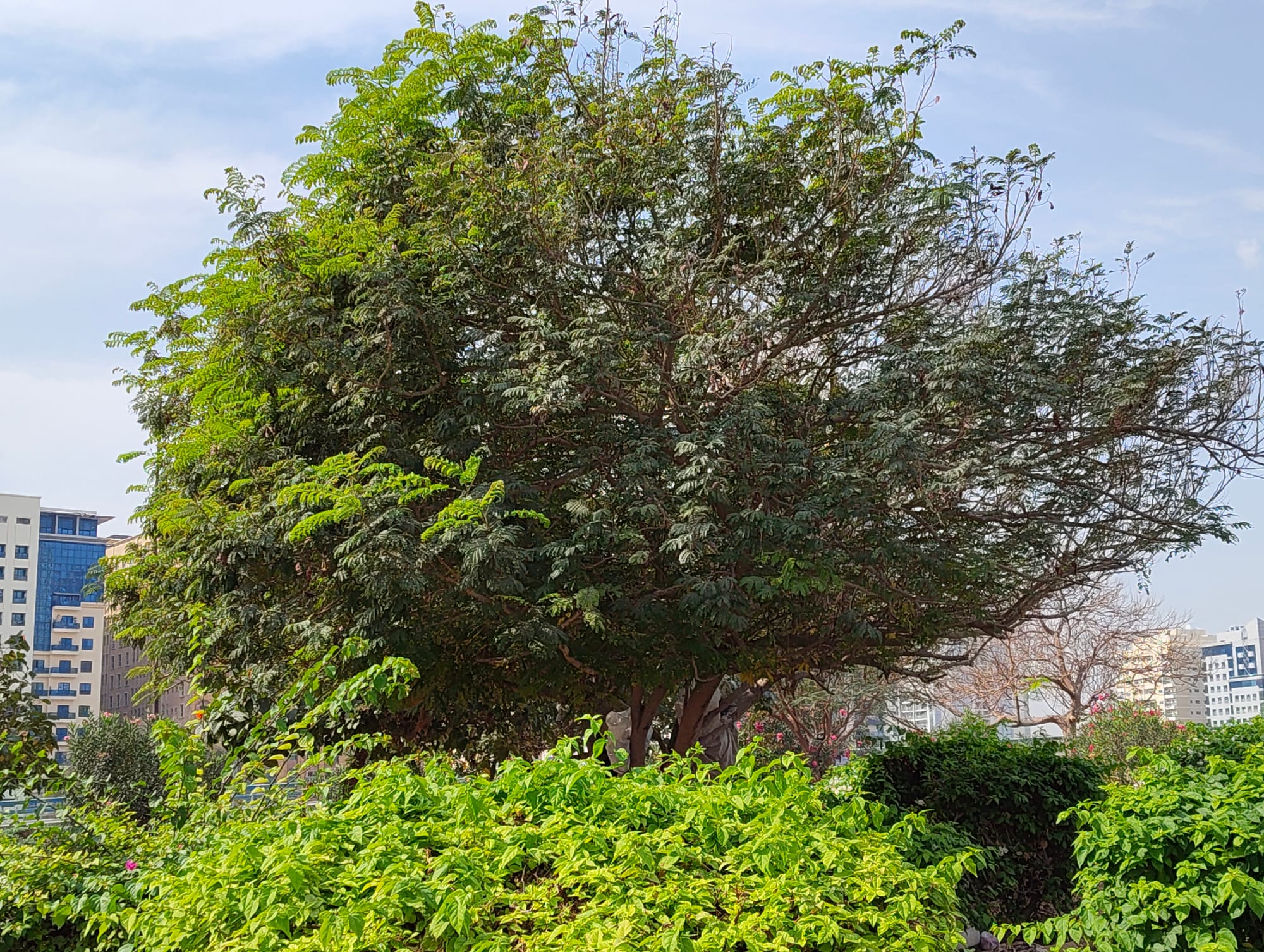
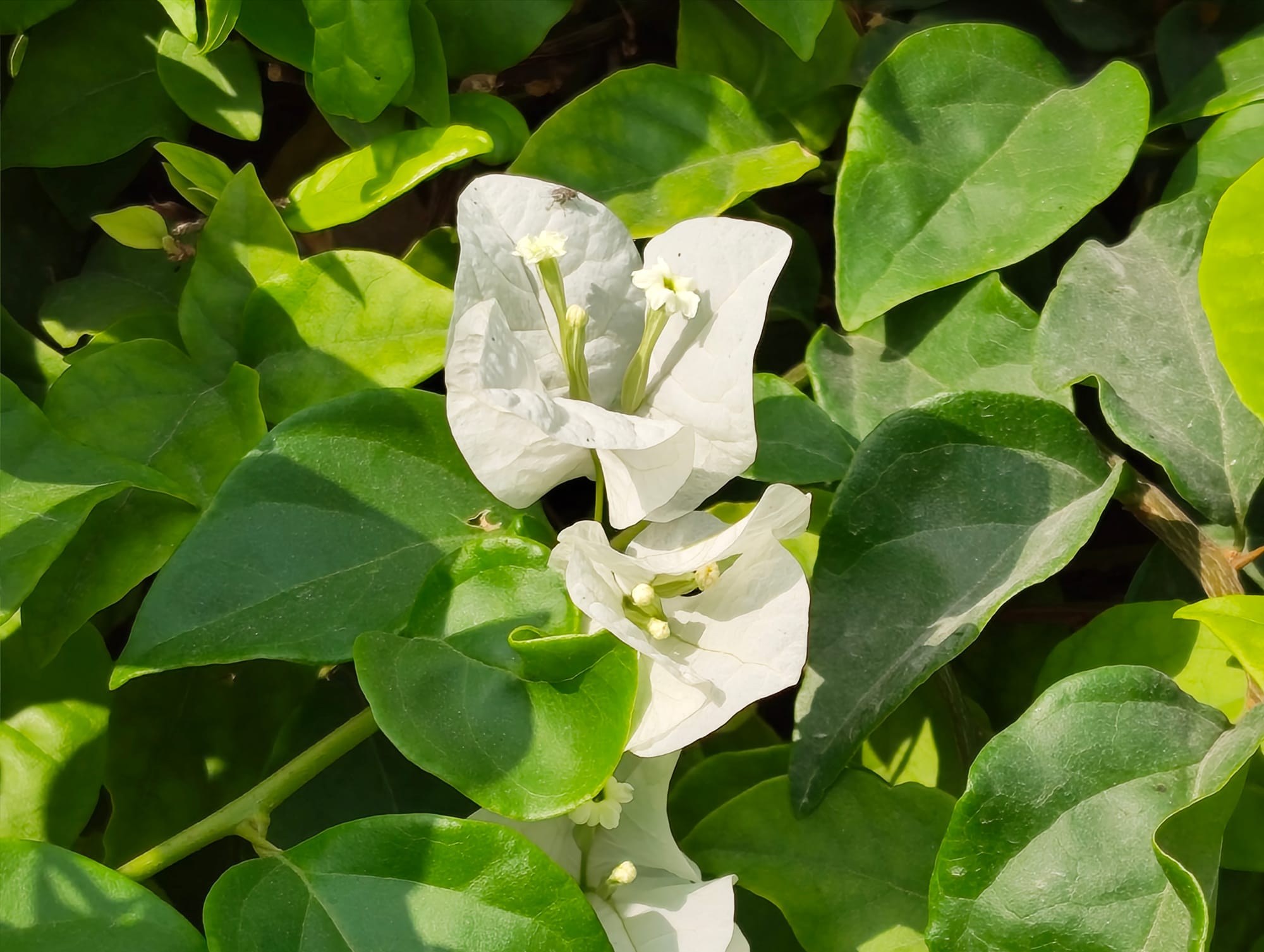
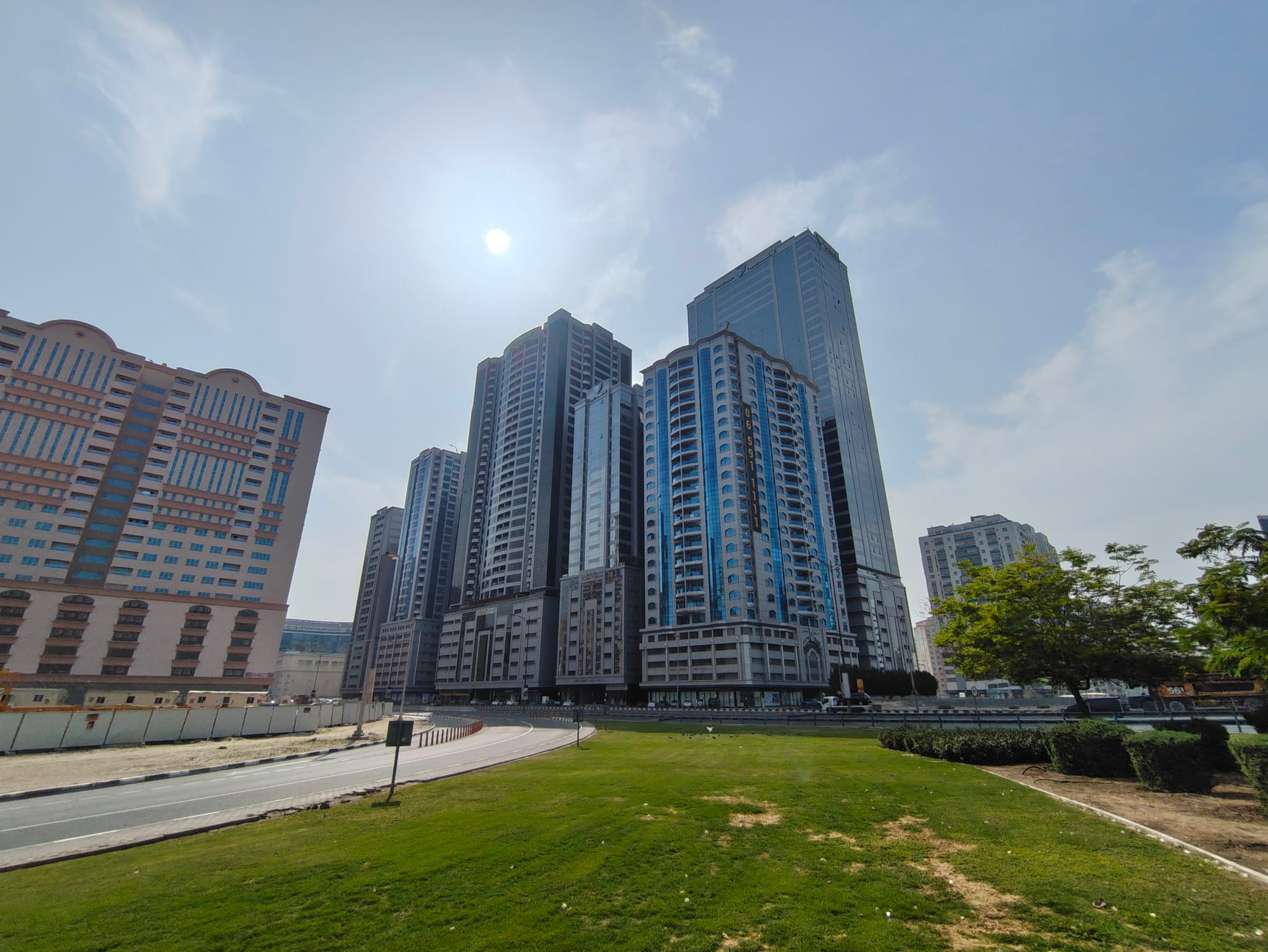
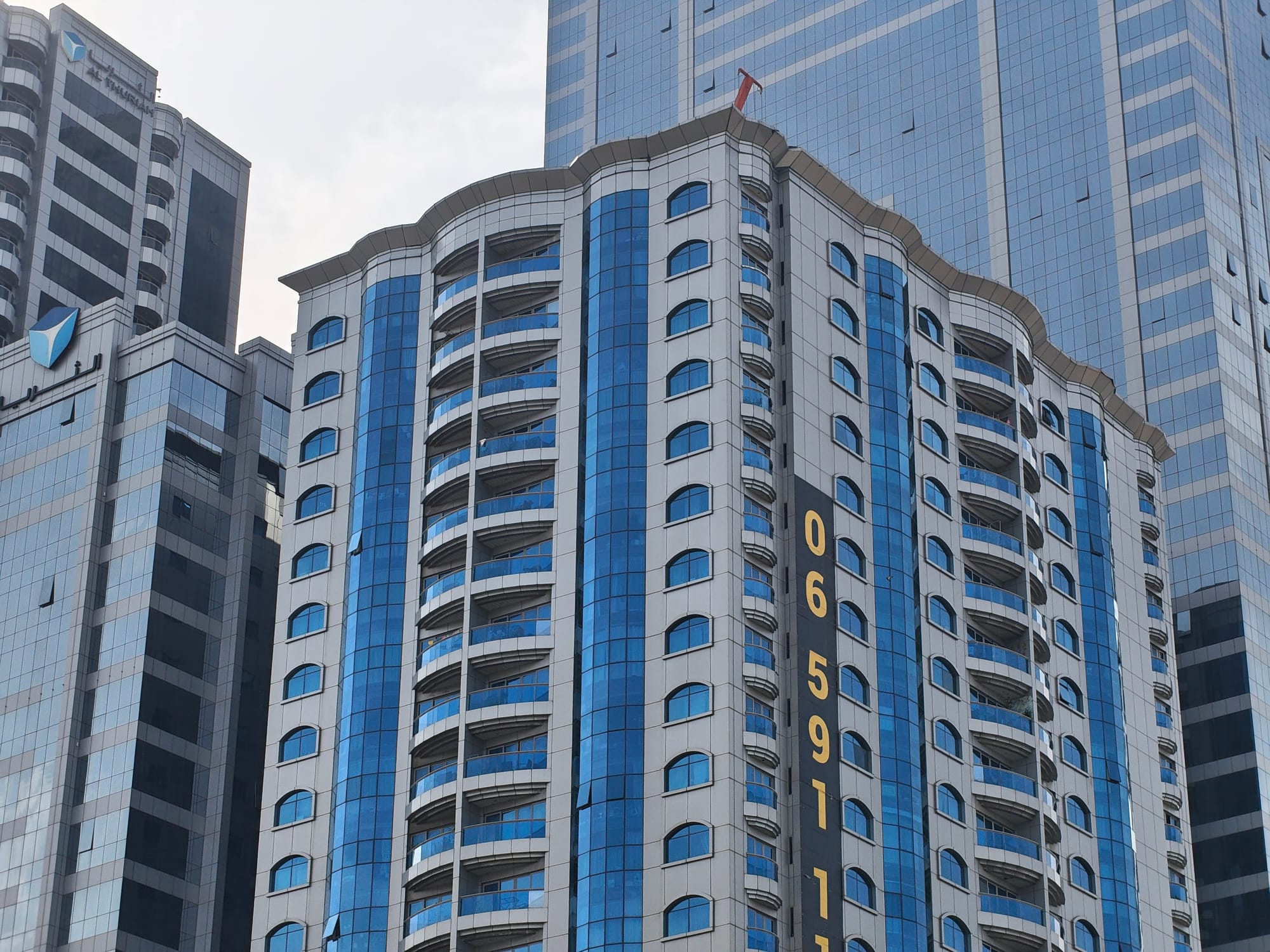
This is evident in the picture of the tree above, where it just looks overly sharpened and hence results in an extremely noisy and compressed image quality. Similar zoom shots where there is less detail to capture is mostly fine, but notice the sharpening again in the blue-glass building.
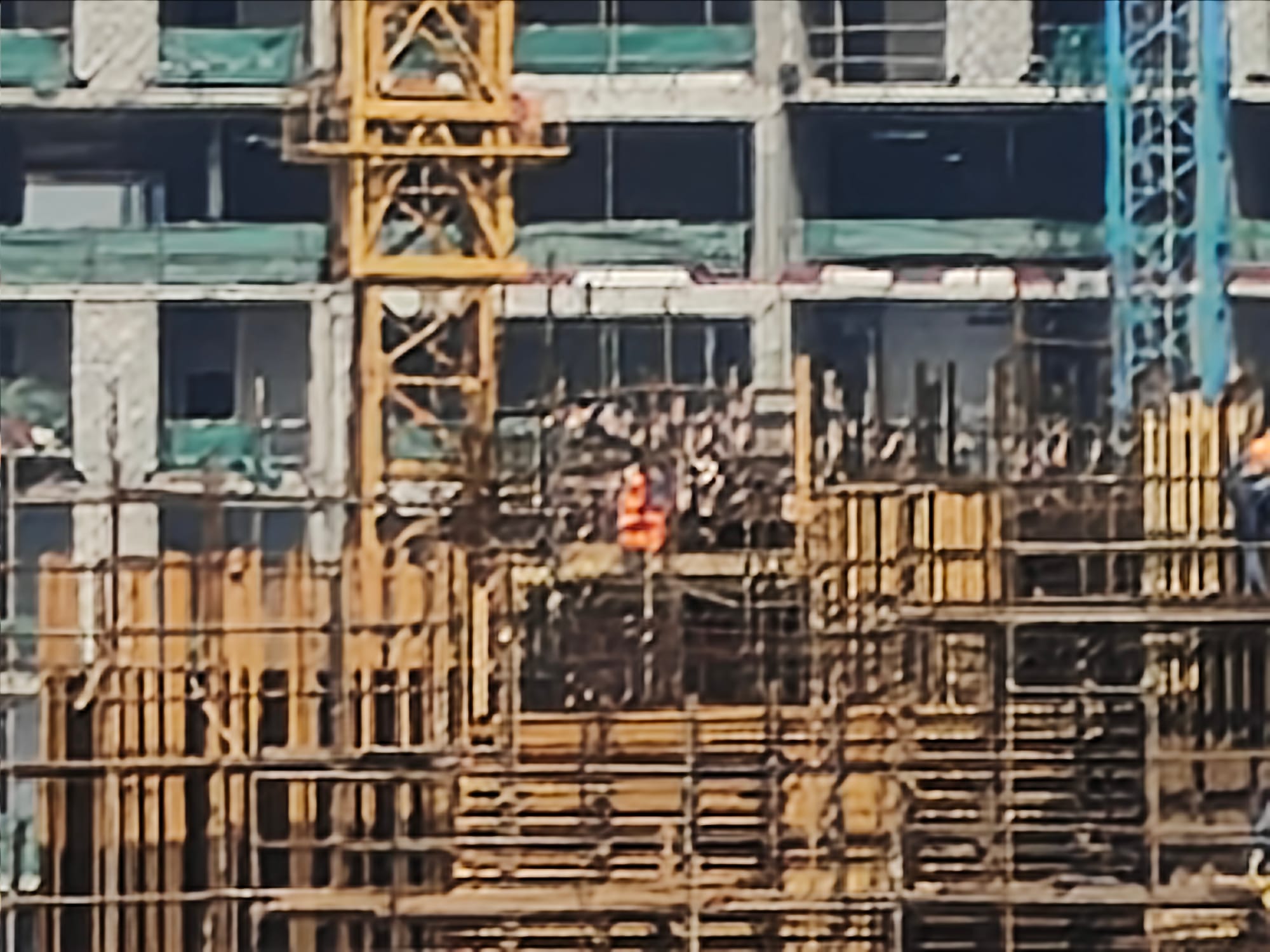
The camera is also capable of shooting at 70x but it's...unusable.
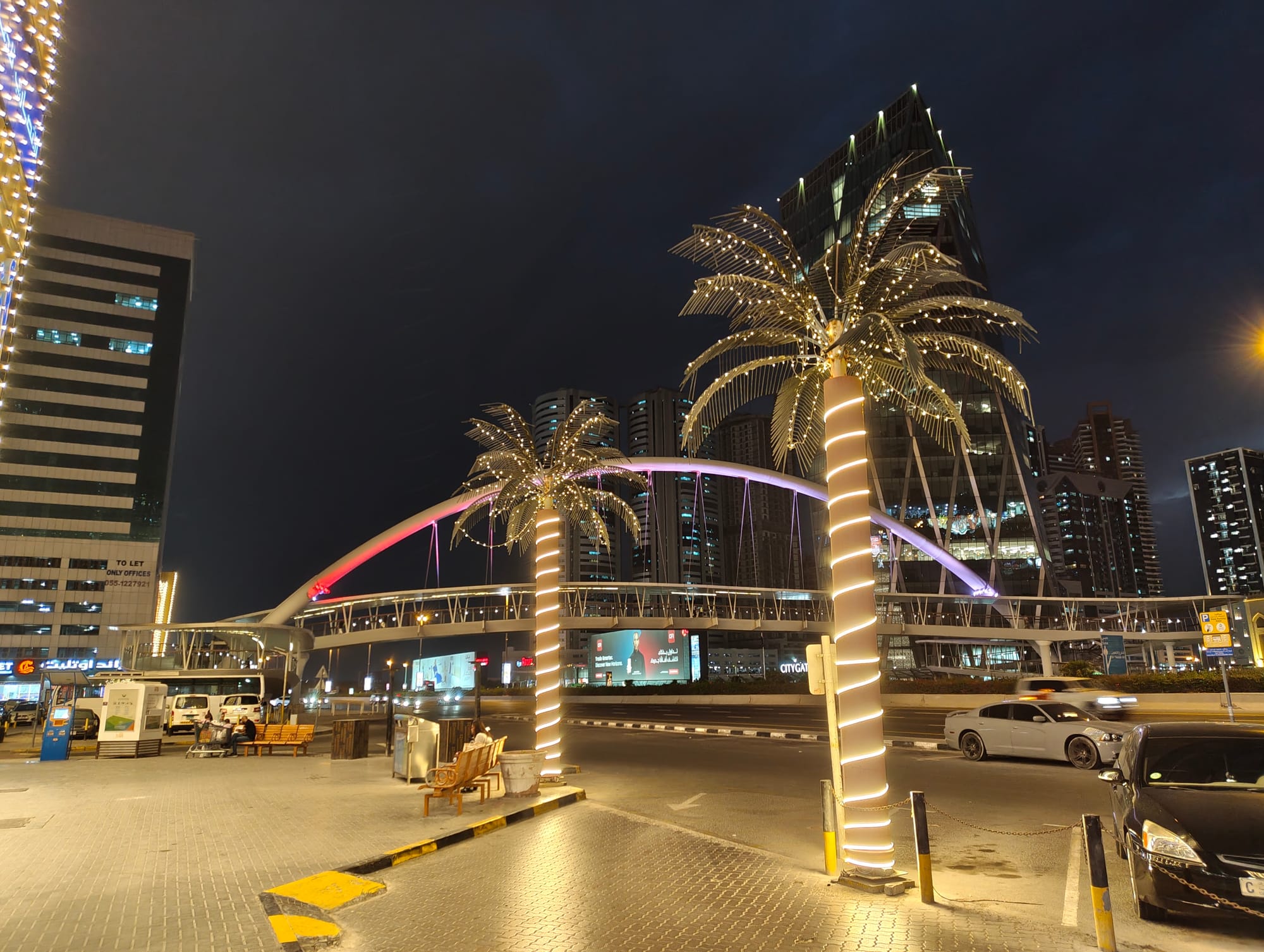
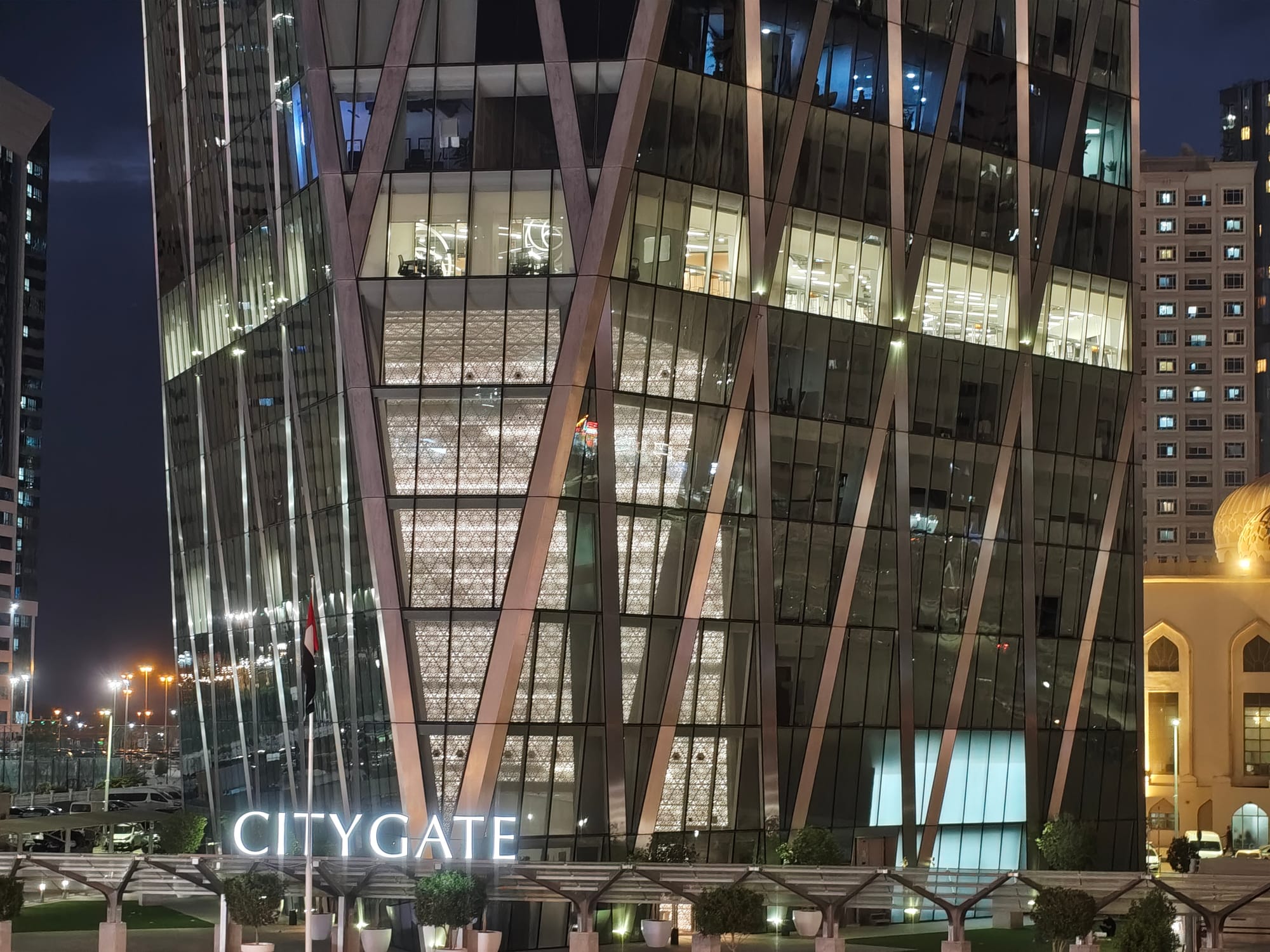
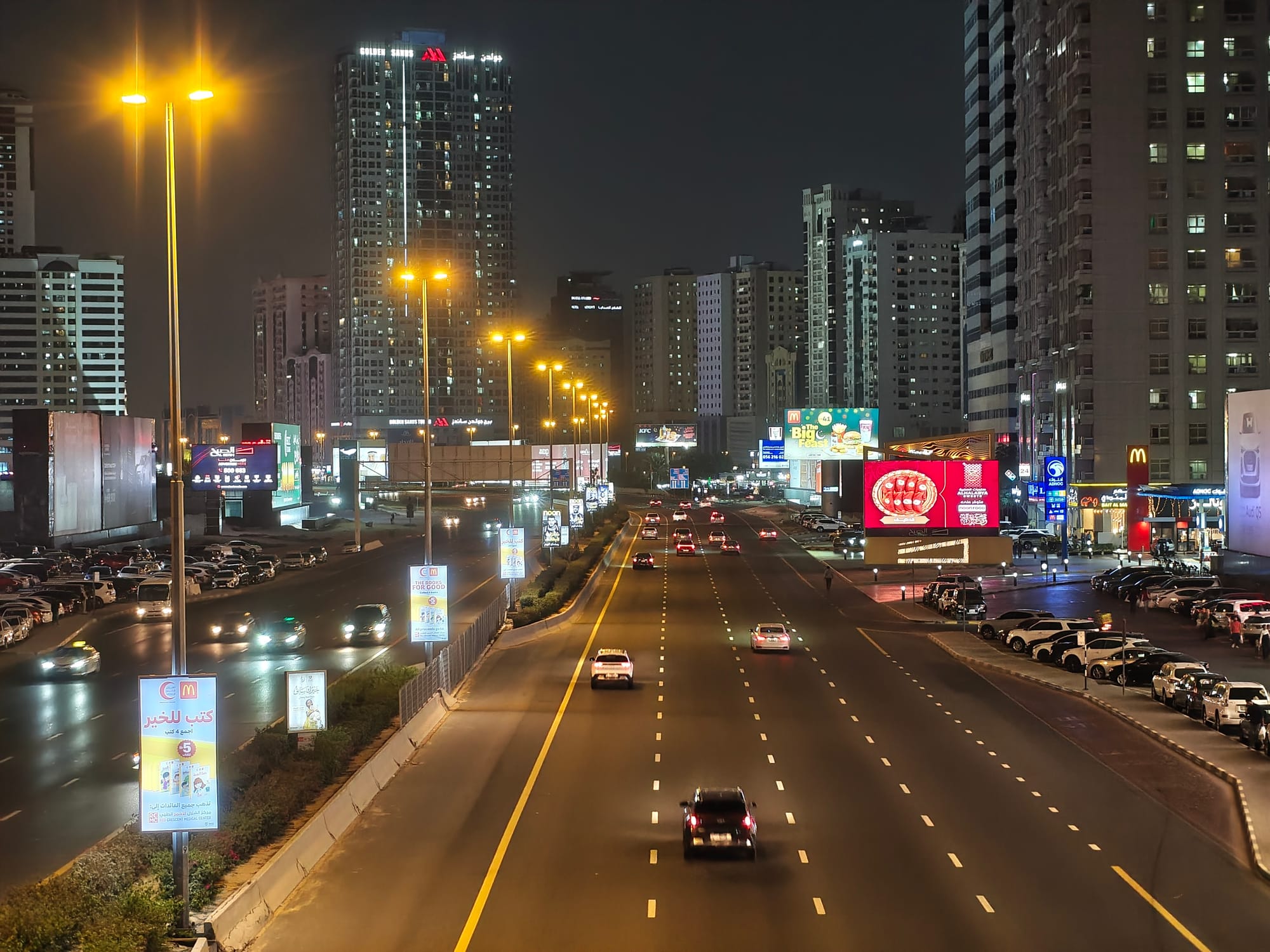
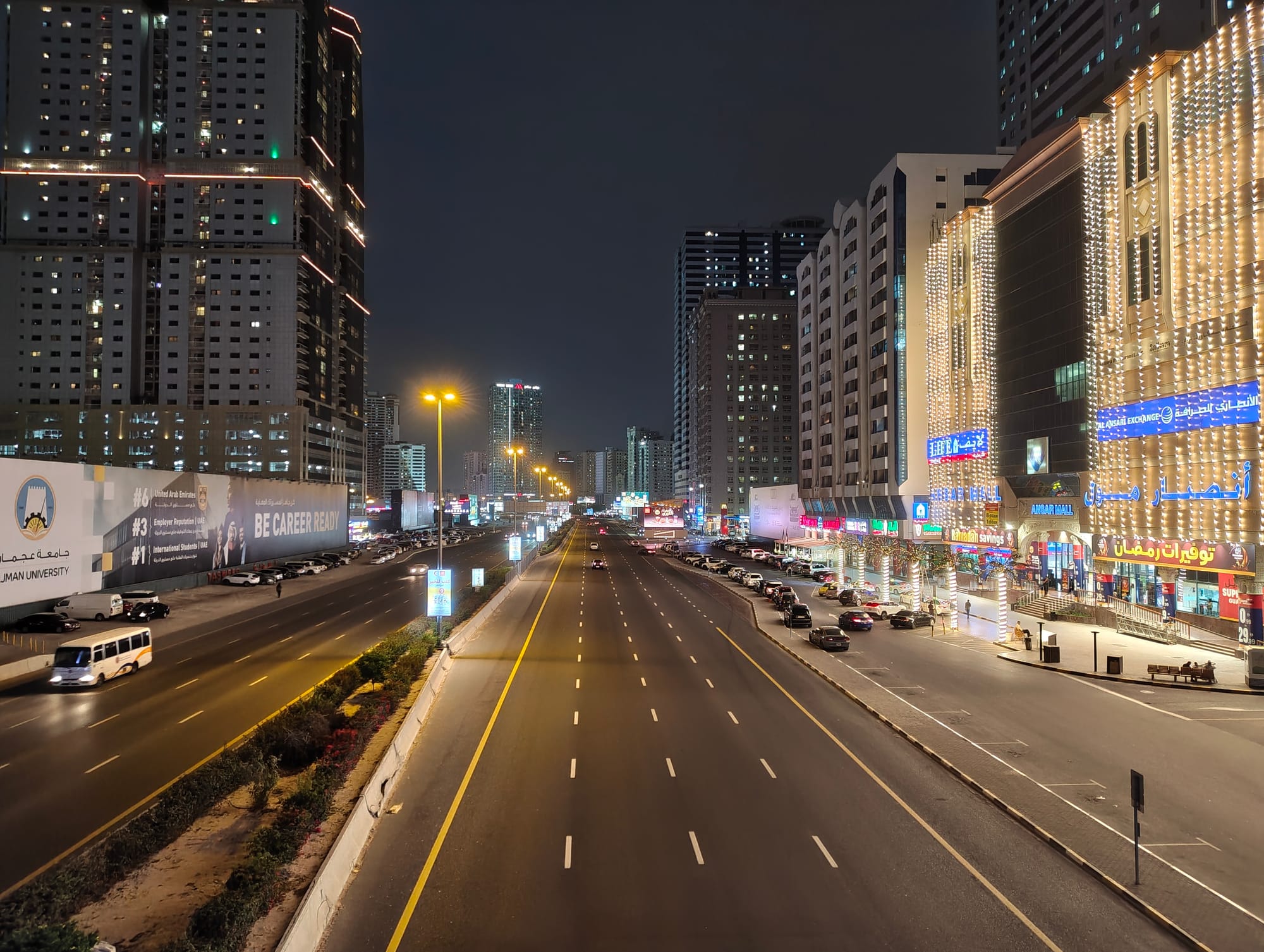
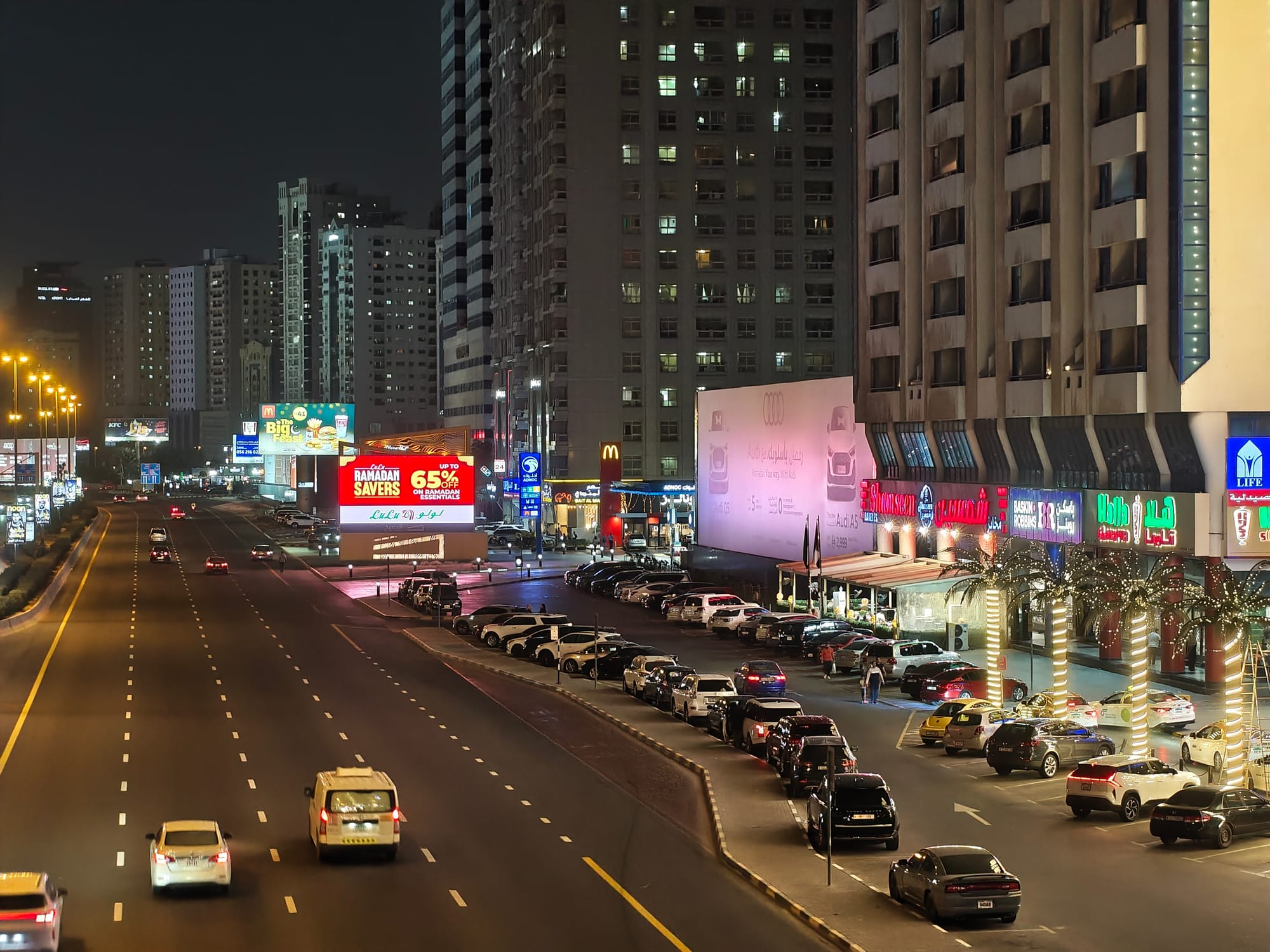
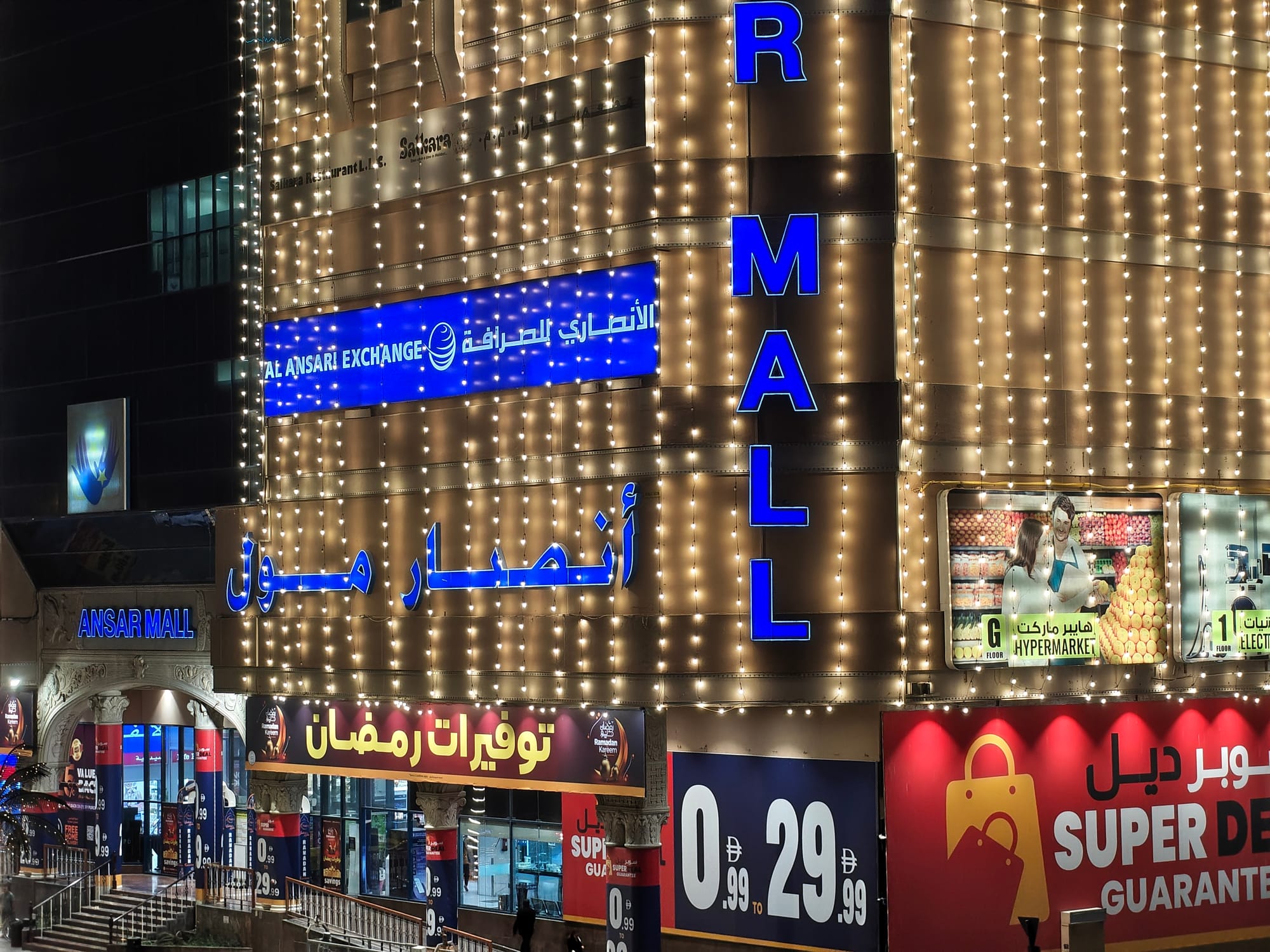
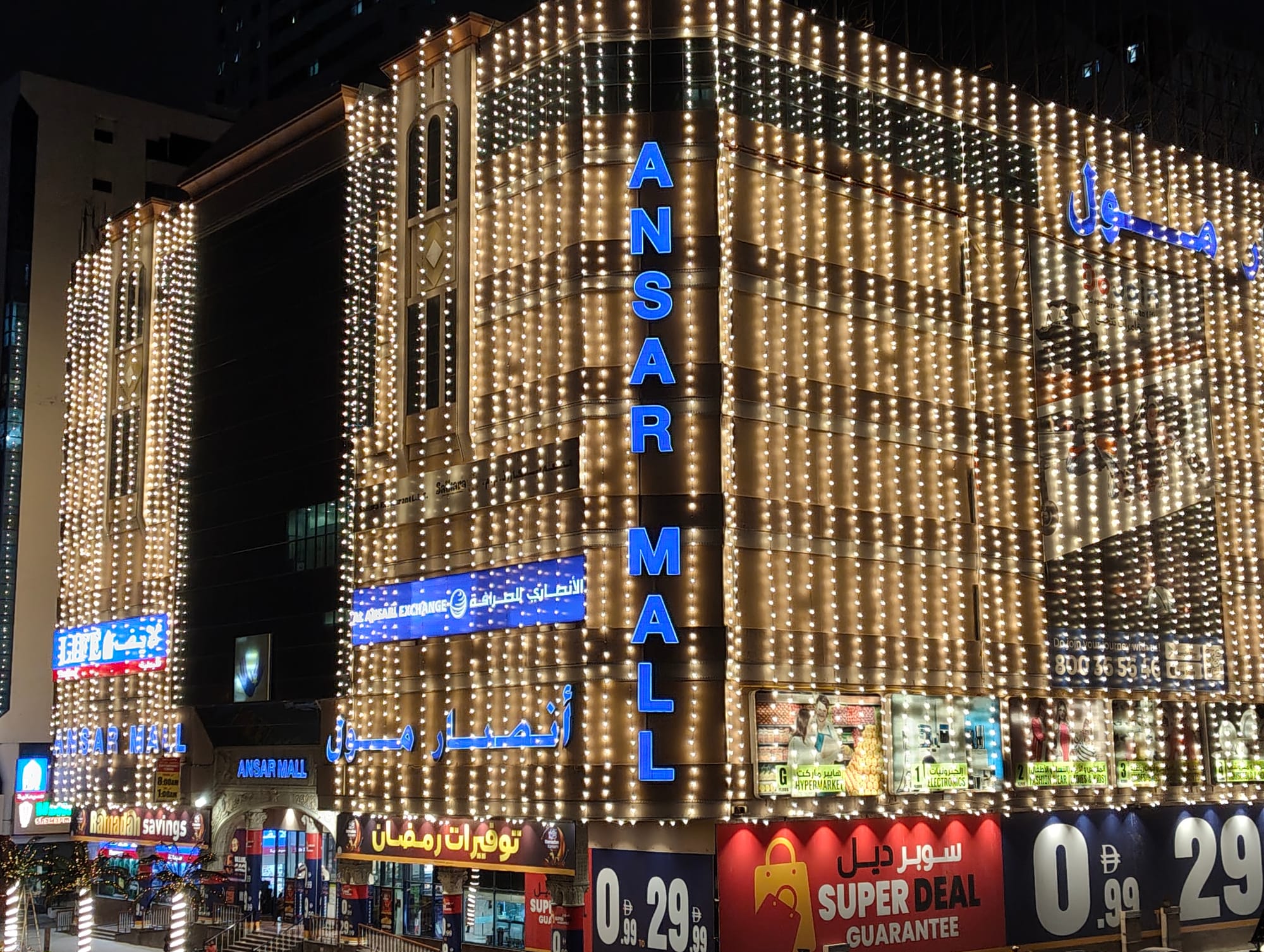
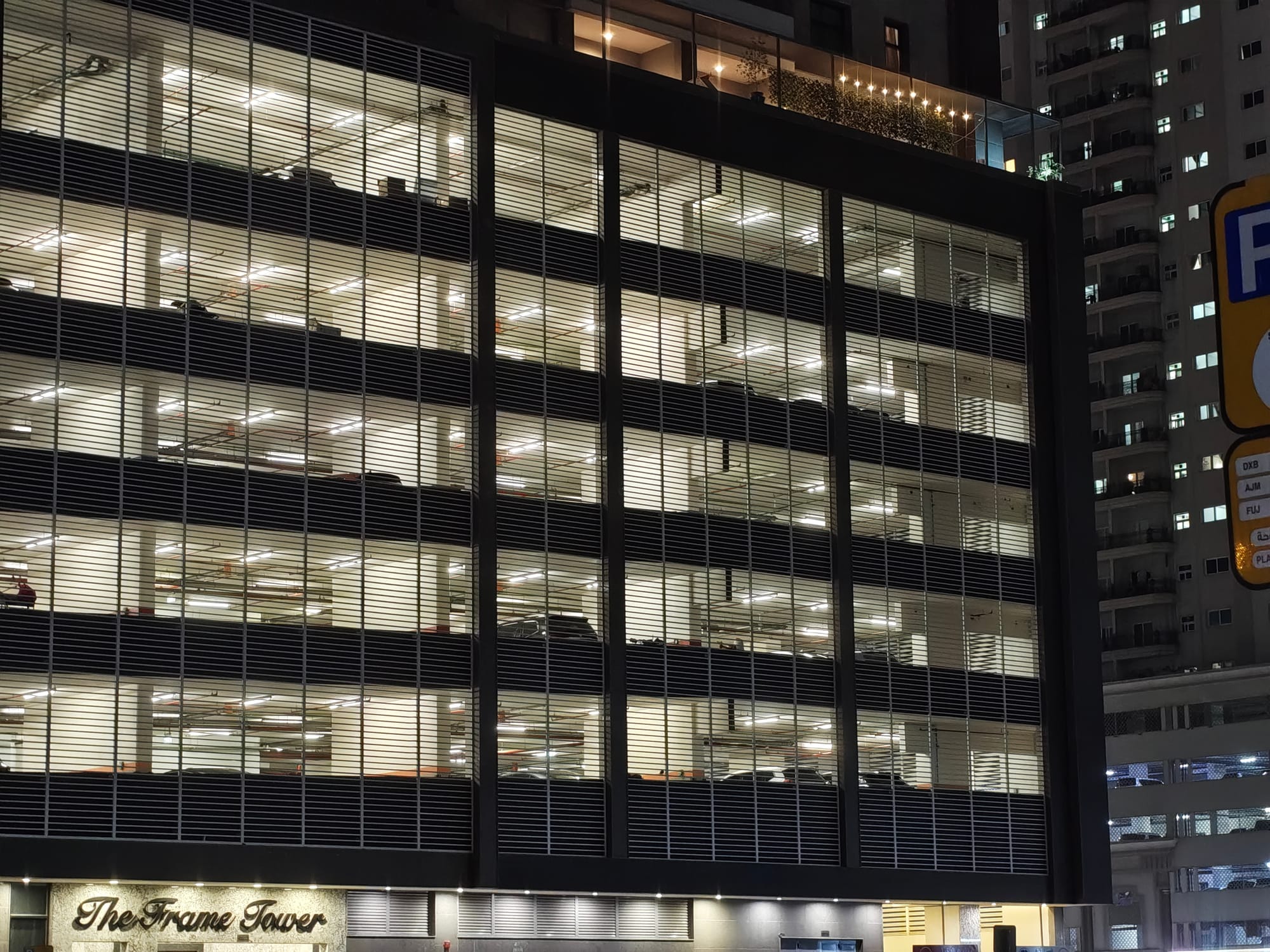
Night time photography suffers from the same problems with oversharpening, but it also over exposes the image to an unnatural level. None of the photos below represent any accuracy in how the scene looked like in real life. It’s too bright, there is a bit of graininess in the shadows, and the light sources, especially, are over exposed to a degree that it could potentially hide finer details. That said, there is a good balance of color, and while the details are retained, they can appear a little fuzzy and/or oversharpened. Not bad for casual sharing on social media or among friends, or if you prefer low-light shots to take in plenty of brightness.

NothingOS: Still Clean and Efficient, and Then There is Essential Space
On the software side of things, the Phone 4a ships with NothingOS 4.1 running on top of Android 16. Nothing is promising three years of major Android updates and six years of security patches, which is a solid commitment for a phone in this price bracket. The latest version of NothingOS brings some decent refinements, like smoother animation curves, lock screen wallpapers with a neat depth effect, and a new breathing widget for guided relaxation. These features aren’t strictly exclusive to the 4a and will make their way to other compatible Nothing devices, but they add a welcome layer of polish to an interface that is already refreshingly clean and bloat-free.
The main new addition to the 4a is the new Glyph Bar, which works fine for standard notifications, Flip to Glyph, and keeping track of timers and countdowns. But the absolute best use case I found for it is recording audio. If you flip the phone over, press and hold the Essential key, it instantly starts a voice recording. The Glyph Bar then acts as a live waveform of the audio being captured. It’s a neat visual clue that immediately lets you know the microphone is picking up your voice properly without needing to turn the phone over to check the screen. You can also press the Essential Key mid-recording to bookmark an important moment. Once you are done, the audio can be transcribed using the Essential Space app, though it is worth noting Nothing limits you to 300mins of transcription.
While the Glyph Bar is fun, I found the Essential Notifications customization to be limited. The feature lets you whitelist specific contacts on a per-app basis via Essential Notifications, so that when they message you, the Glyph Bar lights up even if the phone is silenced via Flip to Glyph. The problem is that there is no way to assign custom animations to different contacts; the light pattern and the persistent notification for it will always be the same regardless of who is messaging. More annoyingly, I have noticed the glyph bar simply doesn’t light up for certain contacts while working perfectly fine for others. This has been a persistent issue since the Phone 3a, and I am still not sure what causes it - perhaps the contacts need to be saved in a very specific format?
As for Essential Space itself, which is designed to let you quickly screenshot or record audio and then automatically categorize the content for you, I haven’t really found a place for it in my daily workflow. It is a neat concept if you love hoarding screenshots and attaching quick voice memos to remember why you saved them, but it just isn’t something I am naturally inclined to use or see the benefit of.
Performance: Marginally Better
Moving on to performance, the Phone 4a is powered by the Qualcomm Snapdragon 7s Gen 4. If you were hoping for a massive leap in raw speed over the Snapdragon 7s Gen 3 found in the Phone 3a, you might want to temper your expectations.
The older Phone 3a featured an octa-core setup peaking at 2.5Ghz paired with an Adreno 810 GPU. The new Phone 4a pushes its primary core slightly higher to 2.7Ghz - while keeping the remaining cores clocked at 2.4Ghz and 1.8Ghz - and includes an upgraded GPU that Nothing promises will deliver greater overall graphics performance and 10% better power efficiency. Still, when you look at the raw numbers, it tells a very iterative story.
| Benchmark | Nothing Phone 4a | Nothing Phone 3a |
|---|---|---|
| Geekbench 6 CPU - Single Core | 1,247 | 1,159 |
| Geekbench 6 CPU - Multi Core | 3,345 | 3,269 |
| Geekbench 6 GPU | 3,548 | 3,321 |
| Geekbench AI | 1,599 | 662 |
| 3DMark Steel Nomad Light | 397 | 380 |
| 3DMark Wildlife Extreme | 1,104 | 1,055 |
| 3DMark Sling Shot Extreme | 5,513 | 5,528 |
Looking at the Geekbench 6 results, the Phone 4a scored 1247 in single core and 3345 in multi-core, which is only a minor bump from the Phone 3a’s 1159 and 3269. The standard GPU scores are similarly close, with the 4a hitting 3548 compared to the 3a’s 3321. The 3DMark results tell the exact same story: the 4a managed 397 in Steel Nomad Light and 1104 in Wild Life Extreme, barely edging out the 3a’s 380 and 1055. Interestingly, the older Phone 3a actually scored slightly higher in Sling Shot Extreme with 5528 against the 4a’s 5133, but we can dismiss that as standard benchmark variance.
However, where the new chip actually shows a massive leap is in AI processing. The Phone 4a jumped to 1599 and 725 in the Geekbench AI CPU and GPU tests respectively, thoroughly outpacing the 3a’s 662 and 251. This makes perfect sense given the heavy reliance on new on-device AI features.
In day-to-day use, the Snapdragon 7s Gen 4 remains highly performant. It doesn’t have that flawless, buttery smoothness of a high-end flagship processor, and I did notice occasional slowdowns when scrolling or bouncing between heavy apps. But for the most part, it offered great performance, and the animations felt smooth almost all the time. For a budget-friendly device at this price point, the hardware coupled with NothingOS’s lightweight refinement serves its purpose well.
Battery Life
Nothing has bumped up the battery capacity for the Phone 4a, outfitting it with a 5080mAh cell. This makes it the largest battery they have ever put in a (a) series device, slightly edging out the 5000mAh pack found in the Phone 3a.
On paper, Nothing promises some pretty hefty numbers, including up to 17 hours of mixed usage and 26 hours of instagram scrolling. In my own day-to-day experience, I found it to be a reliable 1 to 1.5-day phone. My typical routine involves chatting with friends on Whatsapp, watching Instagram reels, snapping photos, browsing the web, and managing emails. With that kind of usage, I got around 4 hours of SOt from 100% down to 48%. It is certainly decent and will easily get you through a busy day.
When it’s time to plug in, the Phone 4a relies on the same 50W fast wired charging as the previous generation. Nothing claims you can hit 50% in just 22mins, and a full charge takes about 64 mins. The company also says the battery is built for the long haul, designed to maintain 90% of its maximum capacity after 1200 charging cycles - which works out to about three years of regular use. Much like the Phone 3a, it’s still missing wireless charging.
Should You Buy the Nothing Phone (4a) in UAE?
The Nothing Phone (4a) is a well-made mid-range phone. Nothing has taken what worked about the (3a) and tightened it in the right places — a brighter display, more versatile camera hardware, a more premium build — without the kind of sweeping redesign that tends to introduce new problems. (The Phone (3) knows what I'm talking about.)
The camera is the strongest reason to choose it. Going from a 2x to a 3.5x periscope telephoto is a genuinely useful upgrade — 80mm is a far more natural portrait focal length, and the main sensor's improved light capture shows up in real shooting. The post-processing overshoots on sharpening, particularly at higher zoom levels and in low light, but that's addressable in software. The hardware is capable.
Performance is fine but won't feel meaningfully different from the (3a) in everyday use. The Glyph Bar is a fun addition with persistent reliability quirks. Wireless charging remains absent.
For UAE buyers:
- Coming in fresh, no prior Nothing device: The (4a) at AED 1,599 is an easy recommendation. It competes strongly against rivals at this price, and the display and camera system are among the best in class under AED 2,000.
- Upgrading from a (3a): It comes down to whether the 3.5x periscope camera is worth AED 200 to you. If it is, go for it. If the (3a)'s 2x telephoto covers your needs, there's no urgent reason to move.
- If you can find a (3a) at a discounted price right now: Give it serious consideration before defaulting to the (4a). It remains an excellent phone at the right price.
Written by

Subscribe to our newsletter
Subscribe to our newsletter to get the latest updates and news






Member discussion