
Nothing Phone 4a Pro Review: The Best Mid-Range Phone in the UAE Under AED 2500?
Metal build, Sony camera, periscope zoom — we test the Nothing Phone 4a Pro at AED 2299 to see if it earns the price jump.

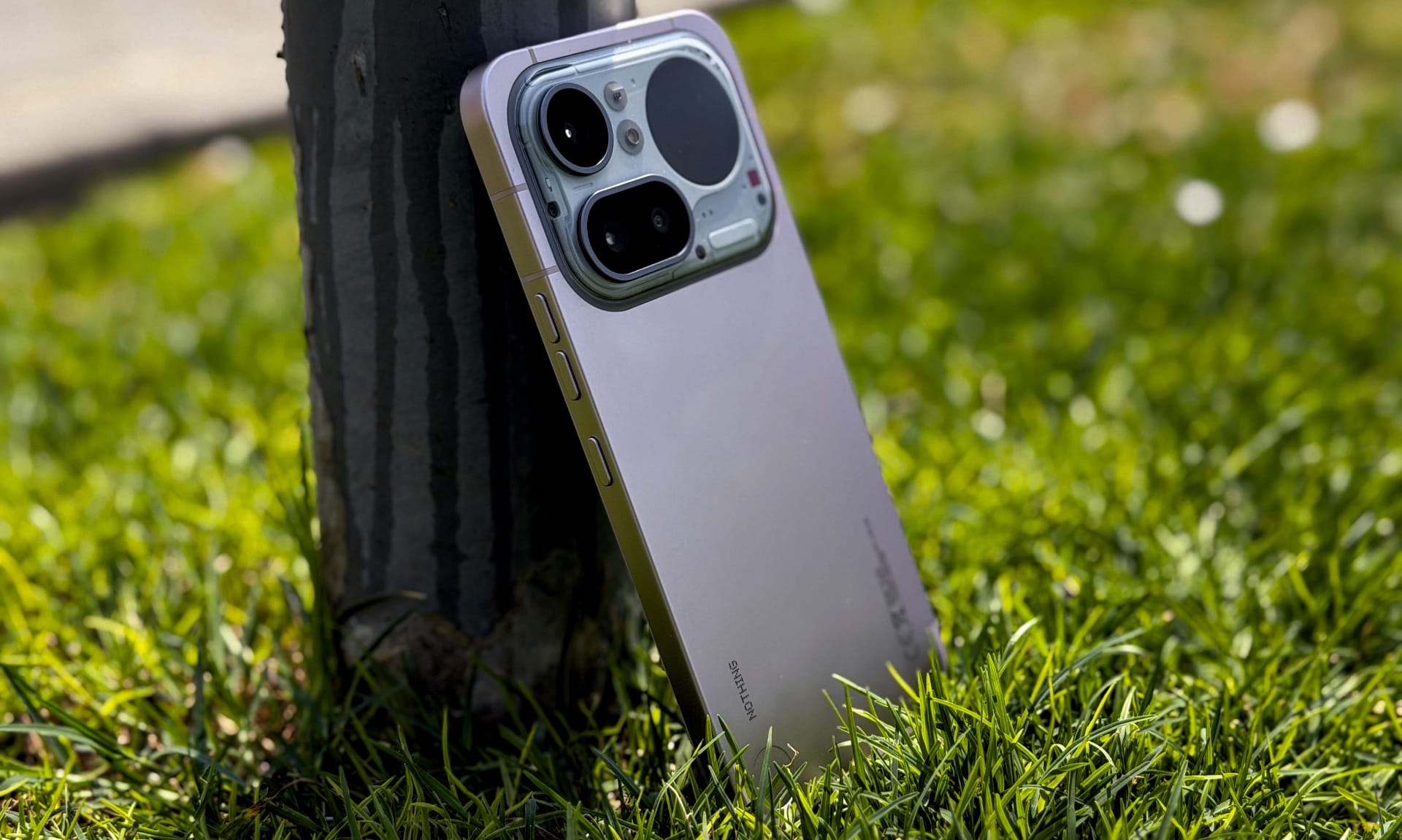
The Nothing Phone 4a Pro might be the most quietly controversial phone Nothing has ever shipped. Not because of a scandal or a bad spec sheet, but because they did something their fans never expected: they got rid of the transparent back entirely.
Every Nothing phone before this one has worn its guts on its sleeve, including Nothing Phone 4a which launched alongside this Pro version. That see-through aesthetic was the brand. With the 4a Pro, they've swapped it for an aircraft-grade aluminium unibody, and kept the transparency only on the camera island. It looks like two distinct design languages were bolted together. In person, it works better than it sounds.
At AED 2299, it sits AED 550 above the 3a Pro and AED 300 below the iPhone 17e. For that money, you get a larger display, a triple-camera system with periscope zoom, and considerably more storage flexibility than Apple's single-camera iPhone 17e. The one thing Apple takes back is raw processing power — the A19 chip in the 17e is a different class of silicon to the Snapdragon 7 Gen 4, and that gap is real. For most use cases, though, it probably won't matter.
Specifications
| Spec | Nothing Phone (4a) Pro |
|---|---|
| Dimensions | 16.37 x 7.66 x 0.8 cm |
| Weight | 210 g |
| Colours | Black, Silver, Pink |
| Cameras | Triple 50 MP (wide), 50 MP (periscope telephoto), 8 MP (ultrawide) Front: 32 MP (wide) |
| Processor | Snapdragon 7 Gen 4 |
| RAM | 8GB, 12GB |
| Storage | 128GB, 256GB |
| Battery | 5080 mAh, 5400 mAh |
| Charging | 50W wired, 7.5W reverse wired |
Design and Build: Metal Is a Better Bet Than It Sounds
The move to an all-metal build is perhaps the most divisive change Nothing has ever made. Every phone they have released until now has leaned heavily into a fully transparent back, but the 4a Pro subverts that by wrapping the device in an aircraft-grade aluminium body. Only the camera island retains that iconic transparency, creating a look that feels as if two distinct design languages have been fused.
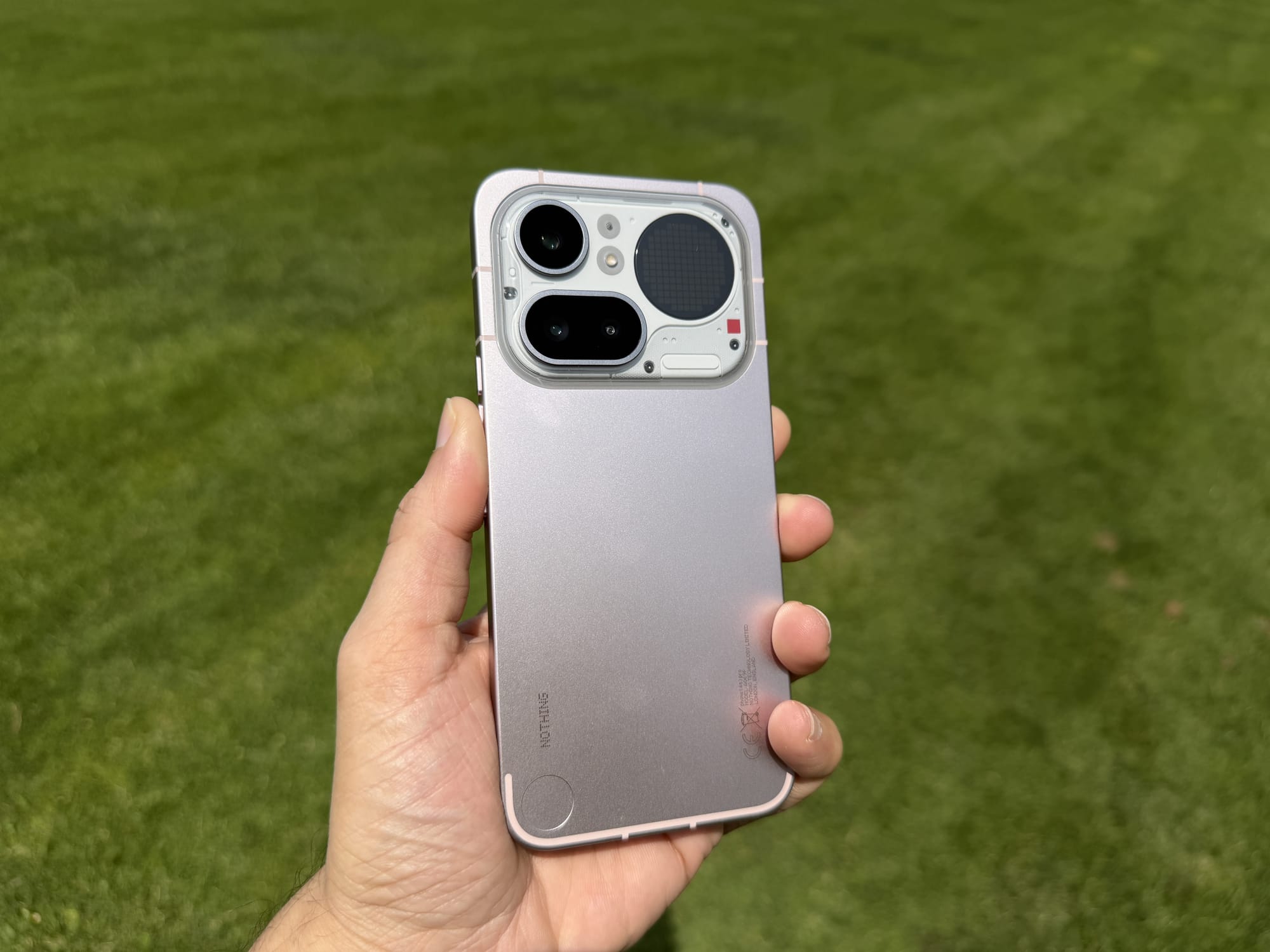
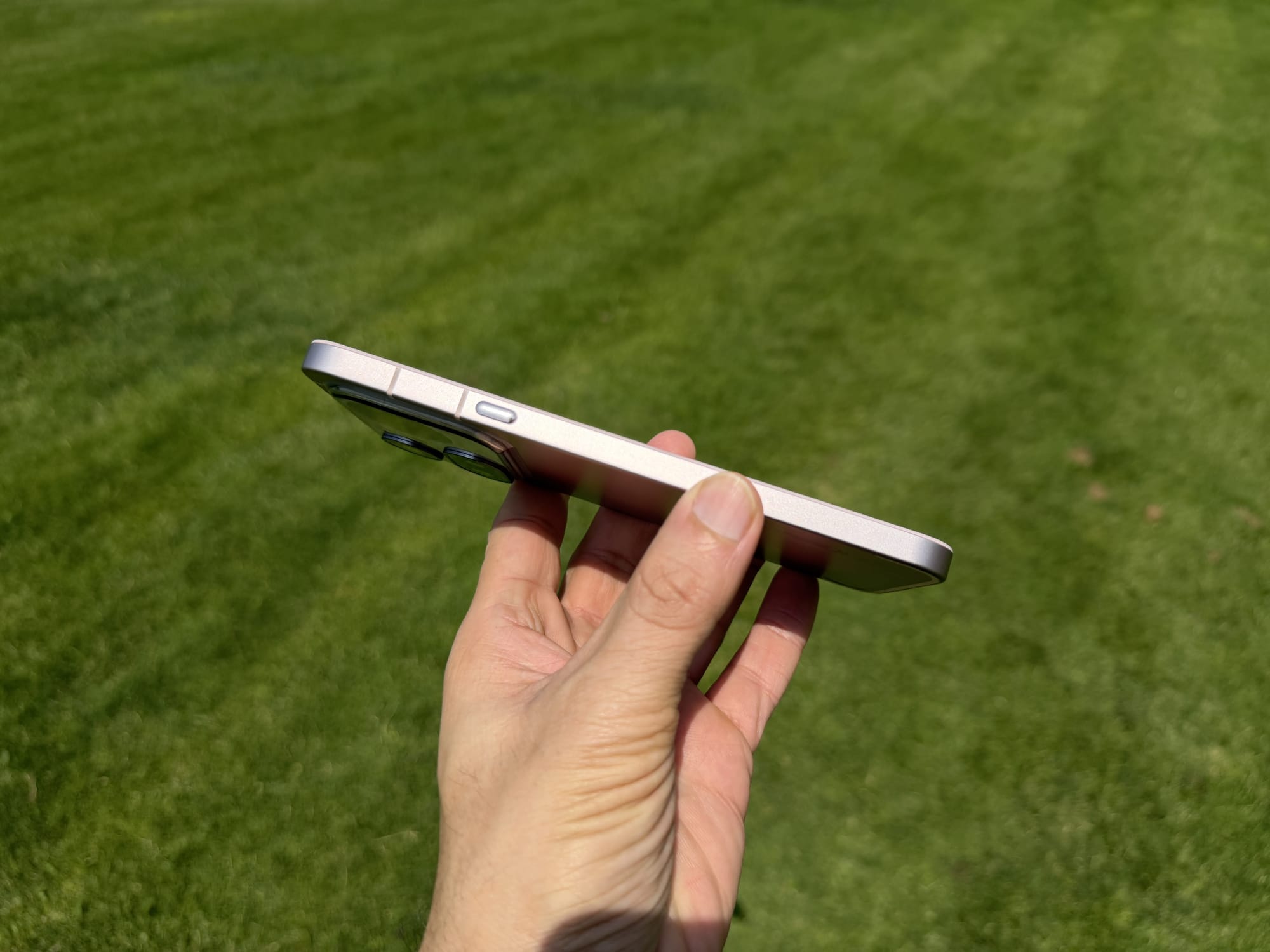
At first, it's easy to dismiss this as a departure from what makes Nothing “Nothing,” and even die-hard fans might be sceptical initially. However, once you see it in person, the metal finish is incredibly classy and premium. We got the Pink colourway, which is more of a catch-it-in-the-right-light pinkish-purple but mostly grey. It's a nice colour - I like it more than I thought I would - but the phone is also available in Black and Silver for purists.
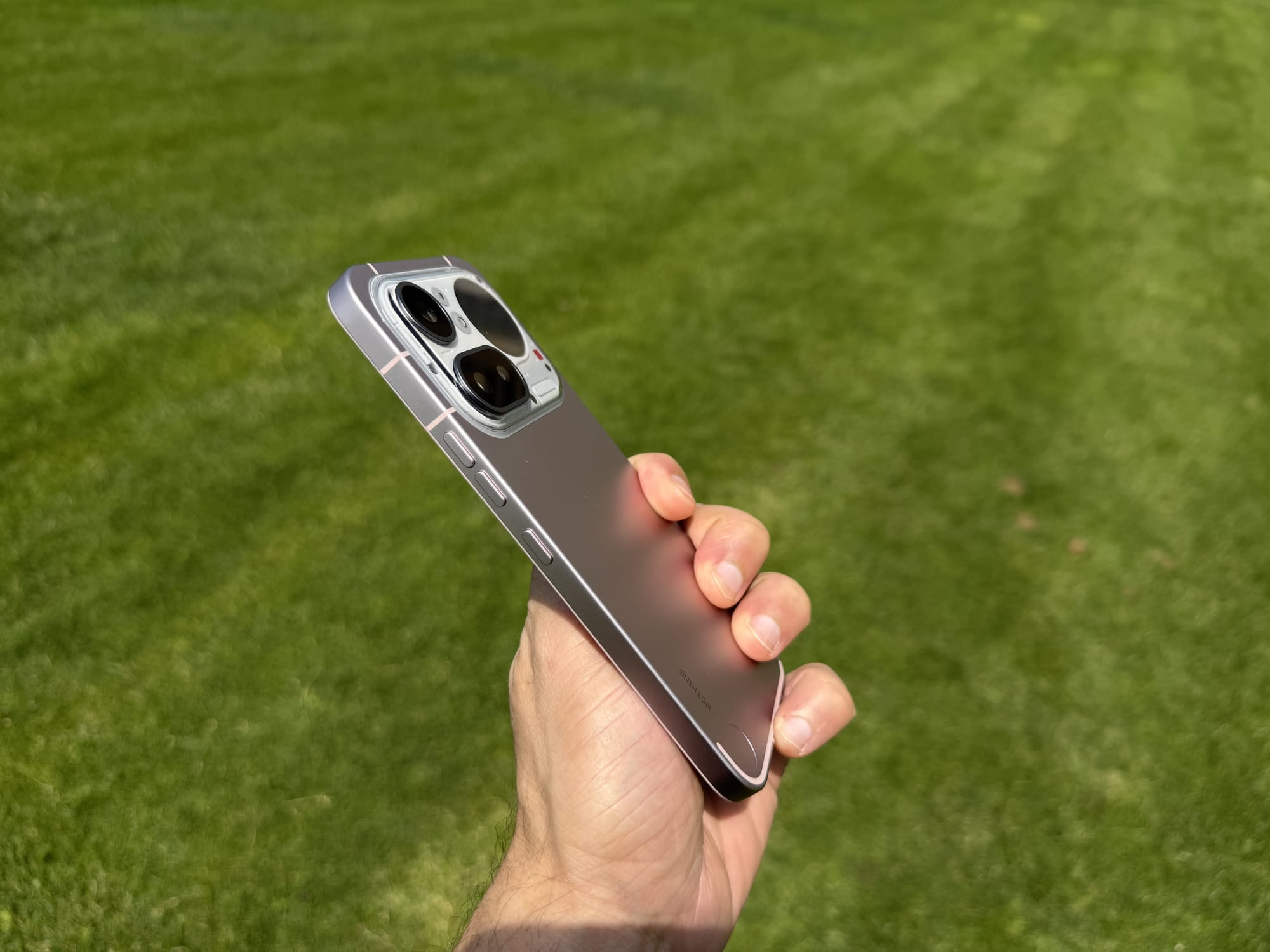
The new design doesn't just look better; it's physically tougher, boasting a 42% increase in bend resistance over the 3a Pro and an improved IP65 rating for dust and water resistance. Nothing has also managed to make this their thinnest phone yet, at just 7.95mm. Despite the slim profile, they have managed to pack in a massive 5300mm2 vapor chamber cooling system - their largest to date - which should provide benefits for extended gaming sessions, but we will have a look at that later.
You also have the new Glyph Matrix on the back, which has been imported and enlarged from the flagship Phone 3. It's 57% larger than before and twice as bright, peaking at 3000nits. It's no longer just a notification light; the 137 mini-LEDs now support Glyph Tools, including a digital clock, a battery indicator, and even custom symbols for specific contracts, so you can tell who's calling without looking at the screen.
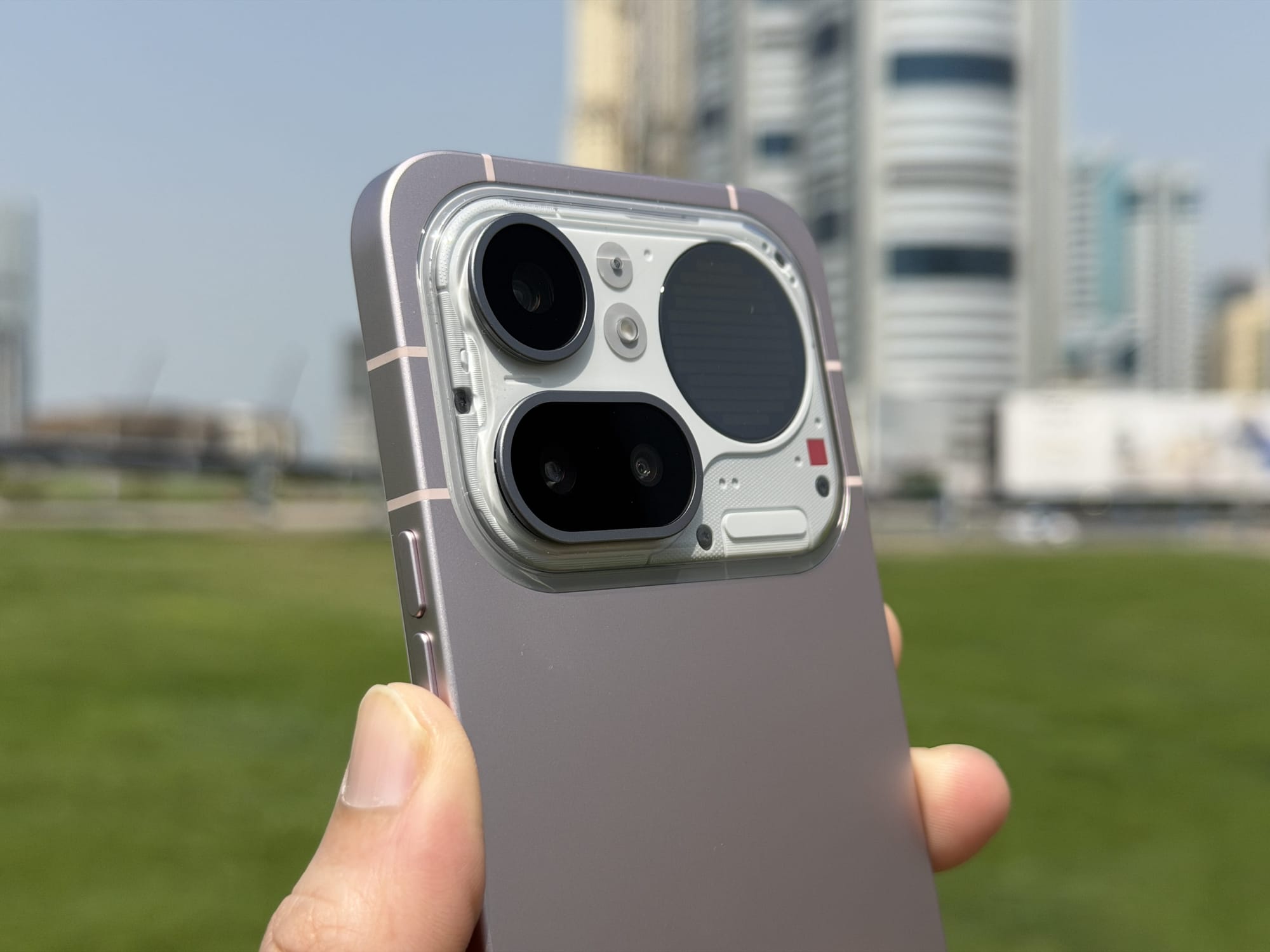
Adjoined to the glyph matrix is the new triple-camera system. The star of the show is the 50MP Sony LYT-700C main sensor, which is physically larger than previous iterations to pull in more light. It's joined by an 8MP ultrawide and, most importantly, a new tetraprism periscopic telephoto lens that offers 3.5x optical zoom and up to 140x “ultra zoom”.
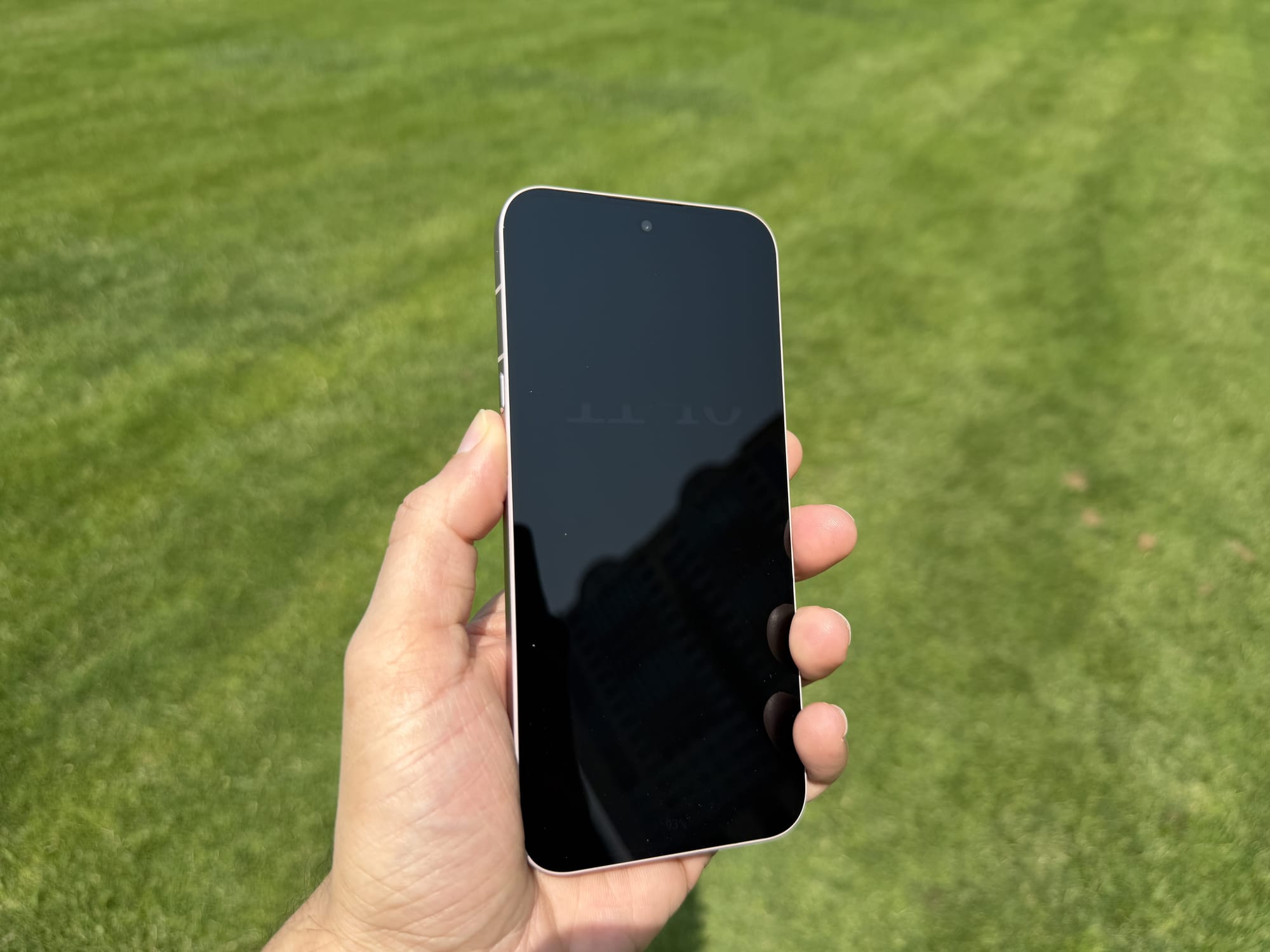
The display has seen some upgrades as well. We have moved from the 6.77” Full HD panel on the 3a Pro to a larger 6.83” 1.5K AMOLED screen. It’s smoother with a 144Hz adaptive refresh rate and is significantly more legible outdoors thanks to its 5000nits peak brightness. Even the bezels have been trimmed down to give it a 93./4% screen-to-body ratio, making the iPhone 17e’s 6.1” 60Hz display feel somewhat dated by comparison.
Camera: Sony Sensor Earns Its Billing; Selfie Takes a Hit
Let's talk about the cameras. For the main shooter, Nothing went with a 50MP Sony LYT-700C sensor. It's physically larger than the main sensor on last year's 3a Pro, which means it pulls in a lot more light for evening shots, and the autofocus feels faster, too. They kept the ultrawide pretty much identical at 8MP with a 120-degree field of view. However, they did scale back the front-facing camera. The 3a Pro had a 50MP, 1/2-inch sensor, but the 4a Pro swaps that out for a smaller 32MP, 1/3.42-inch sensor.
The most significant change is the new telephoto setup. The 3a Pro used a standard L-shaped periscope for its 3x optical zoom. Nothing replaced that with a new tetraprism design housing a 50MP Samsung JN5 sensor, which bumps the optical zoom to 3.5x while taking up less internal space. They also have 140x digital zoom, but the day-to-day optical zoom shots are what really matter. These lenses are backed by the TrueLens Engine 4 and Ultra XDR software working in the background to balance out highlights and shadows across multiple frames.

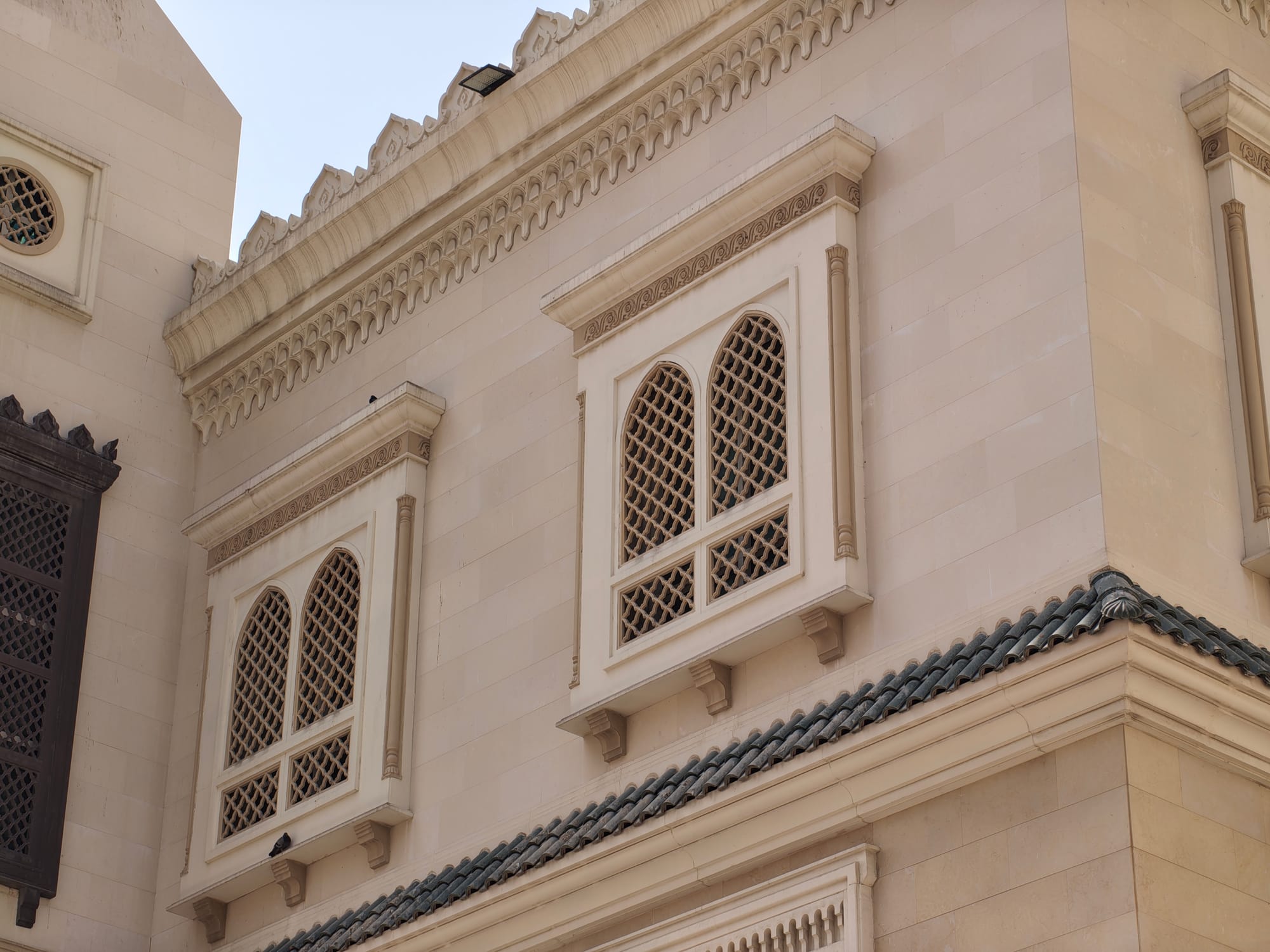
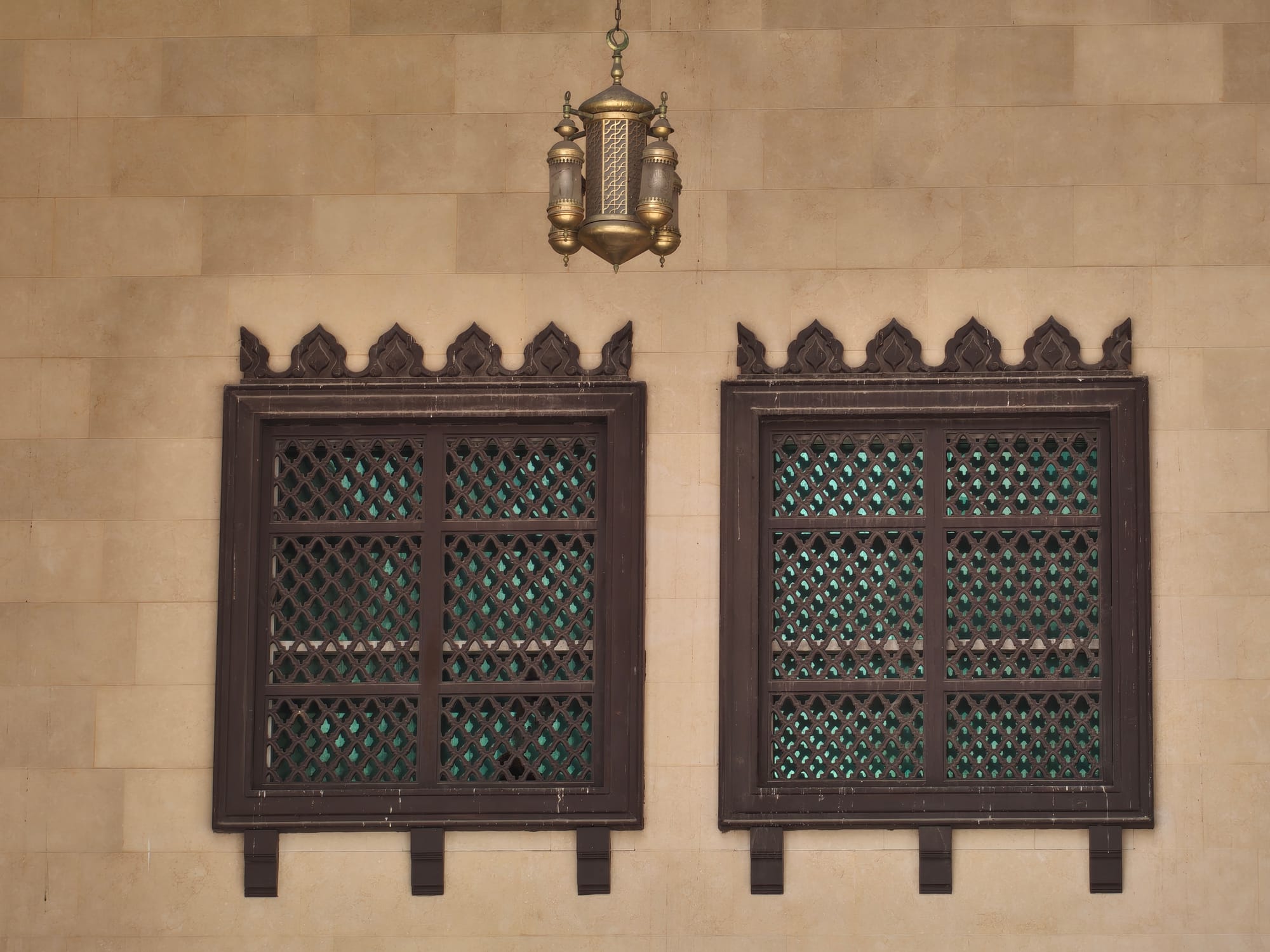
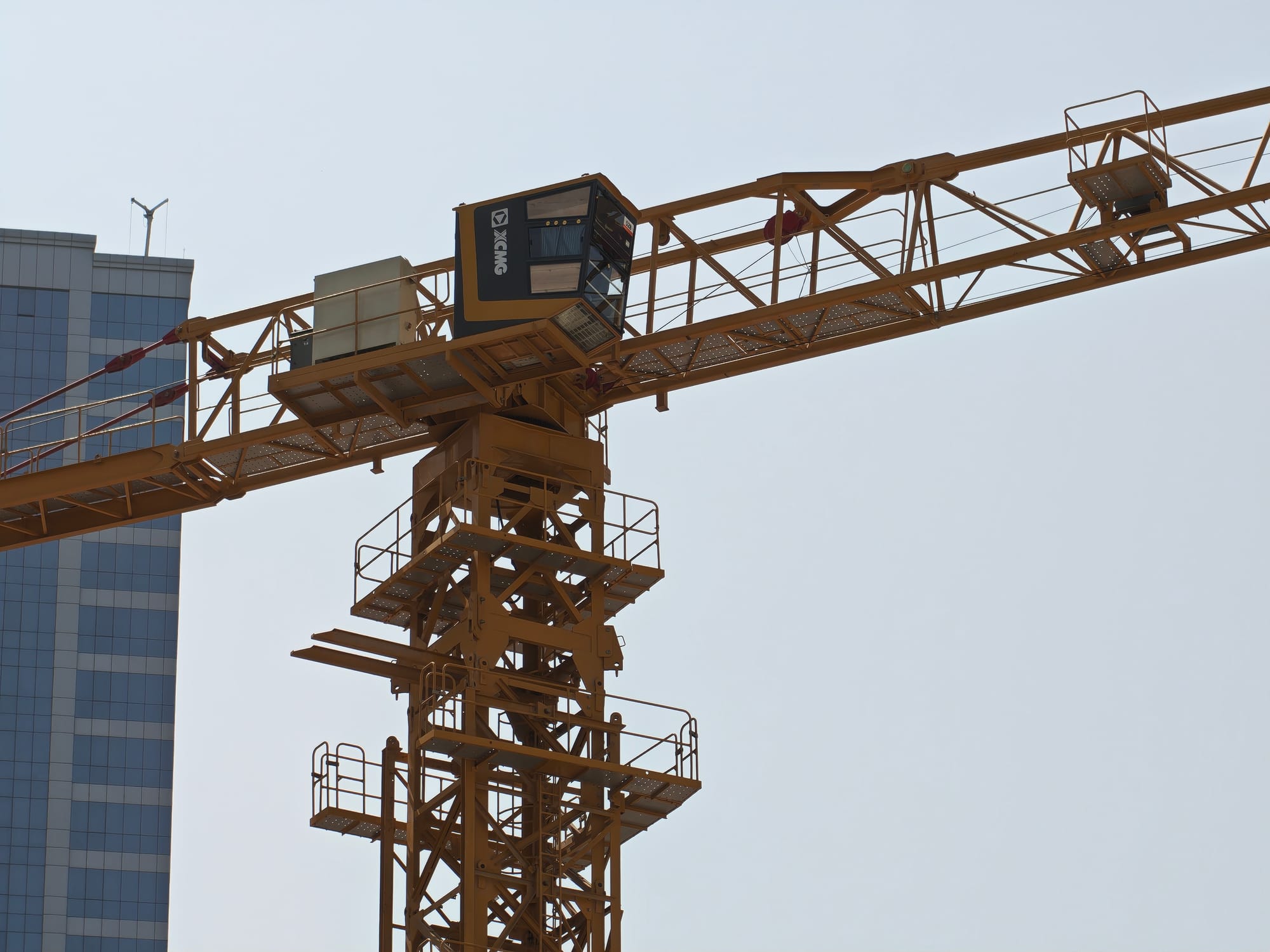
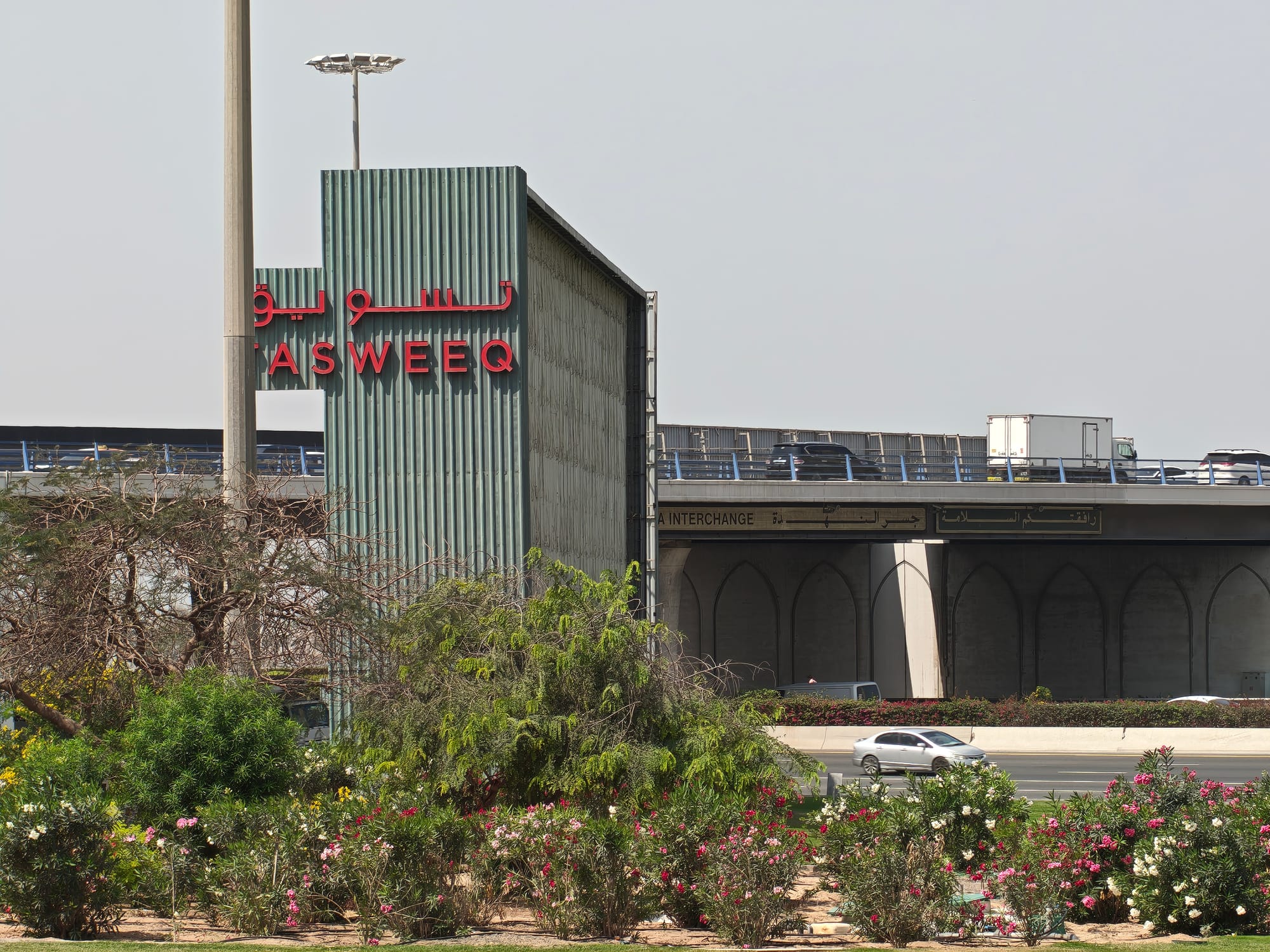

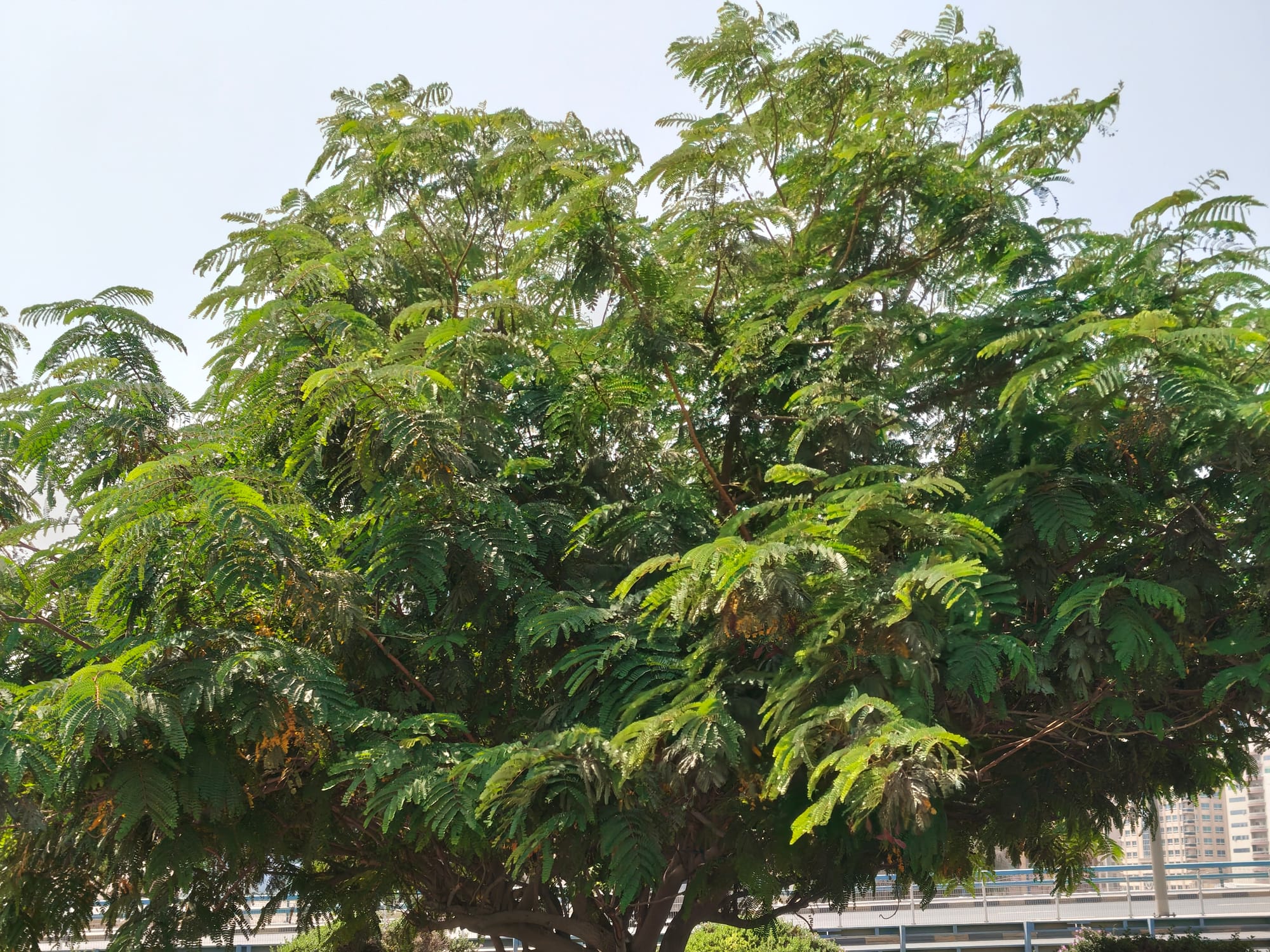
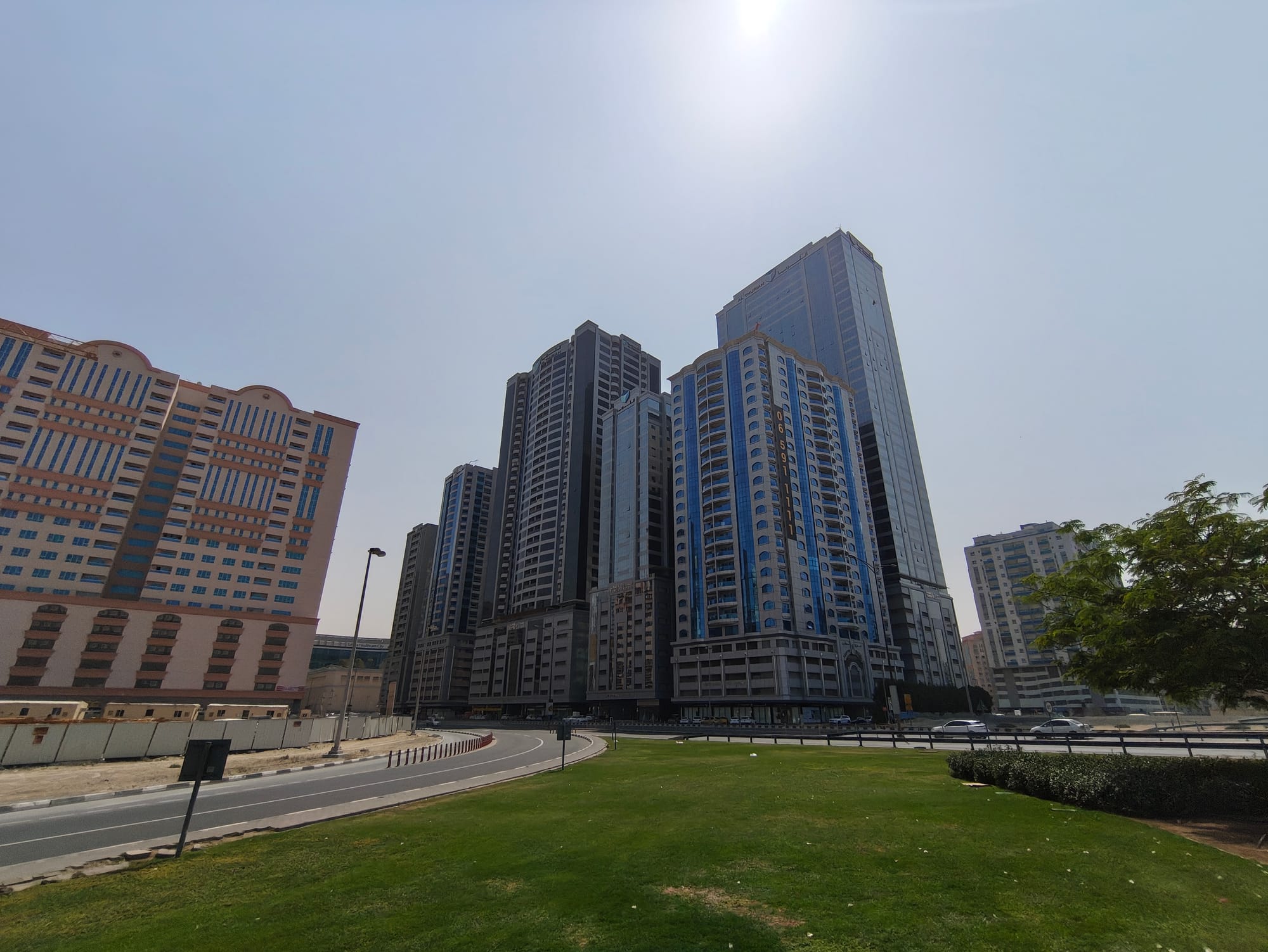
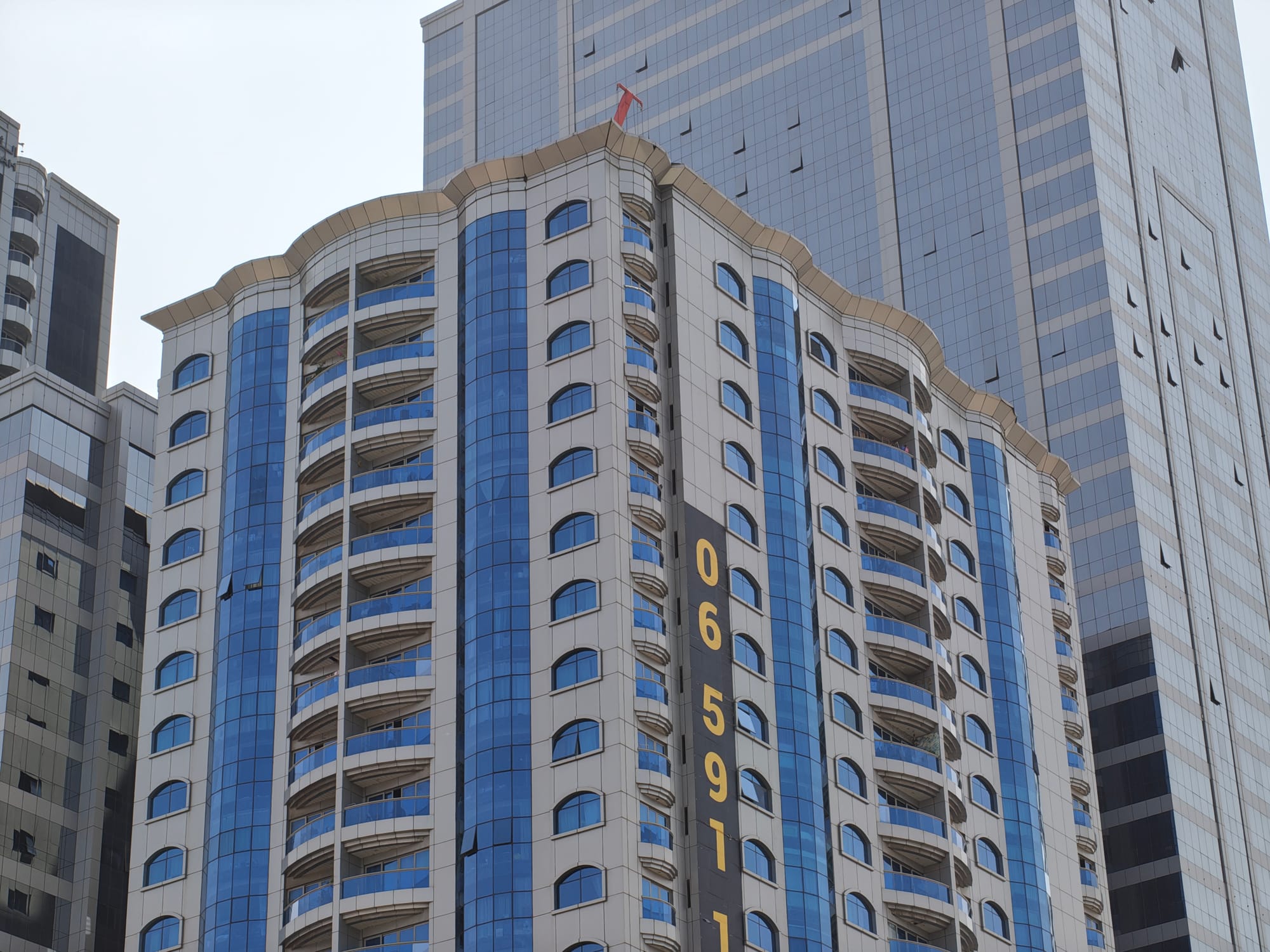
During the day, the Nothing Phone 4a Pro is an extremely capable shooter, and, more noticeably, doesn't suffer from the oversharpening problem that the Phone 4a has. Okay, it does oversharpen a tiny bit, especially at 3.5x and 7x zoom, but it's not overburdened by it. Otherwise, the pictures come out pretty sharp, with plenty of detail, good colour balance and dynamic highlights.
As for the 140x zoom, it is powered by AI, but it’s nowhere near what Honor phones are capable of doing. As such, they are pretty much unusable unless in extreme cases.

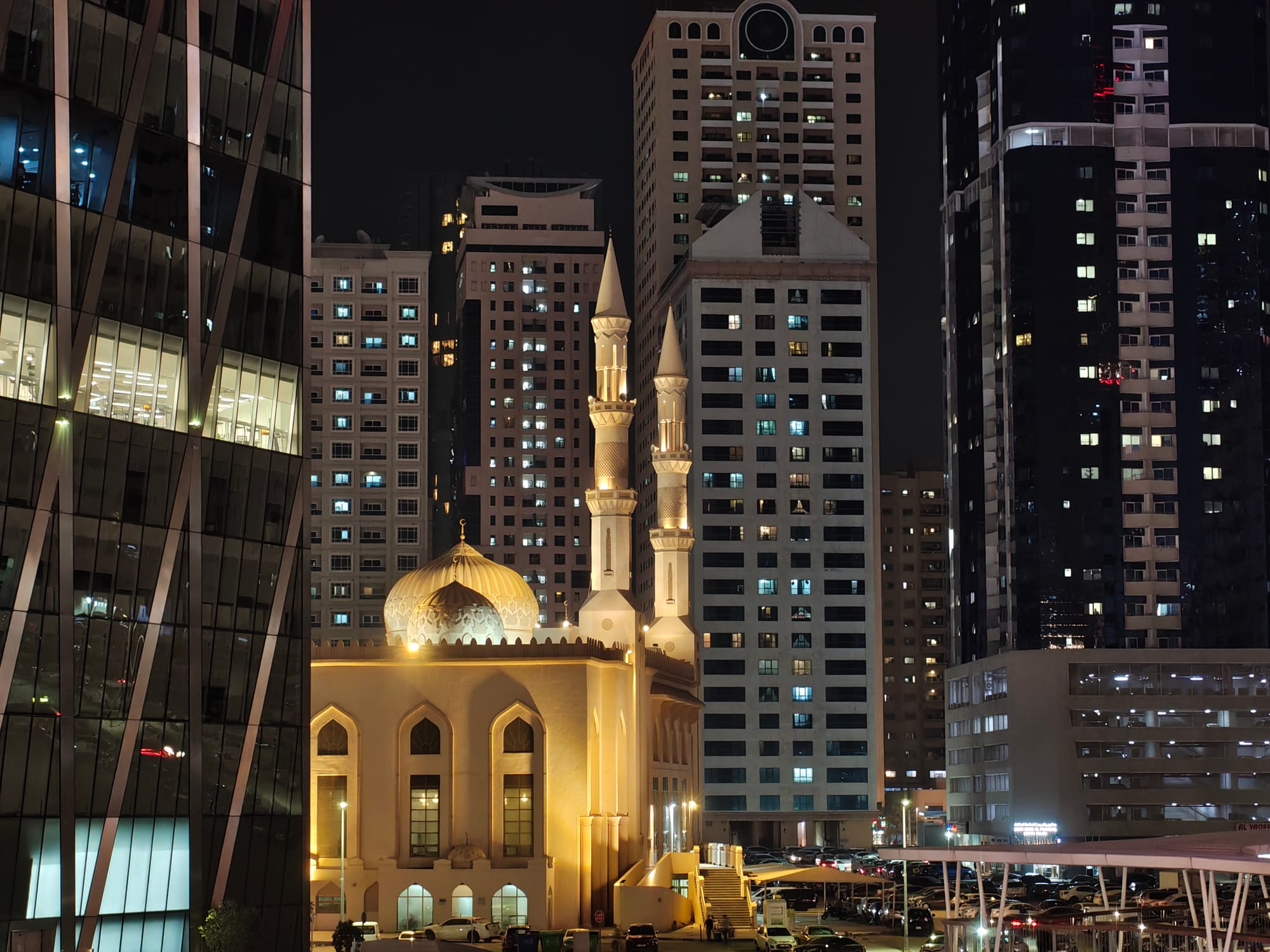
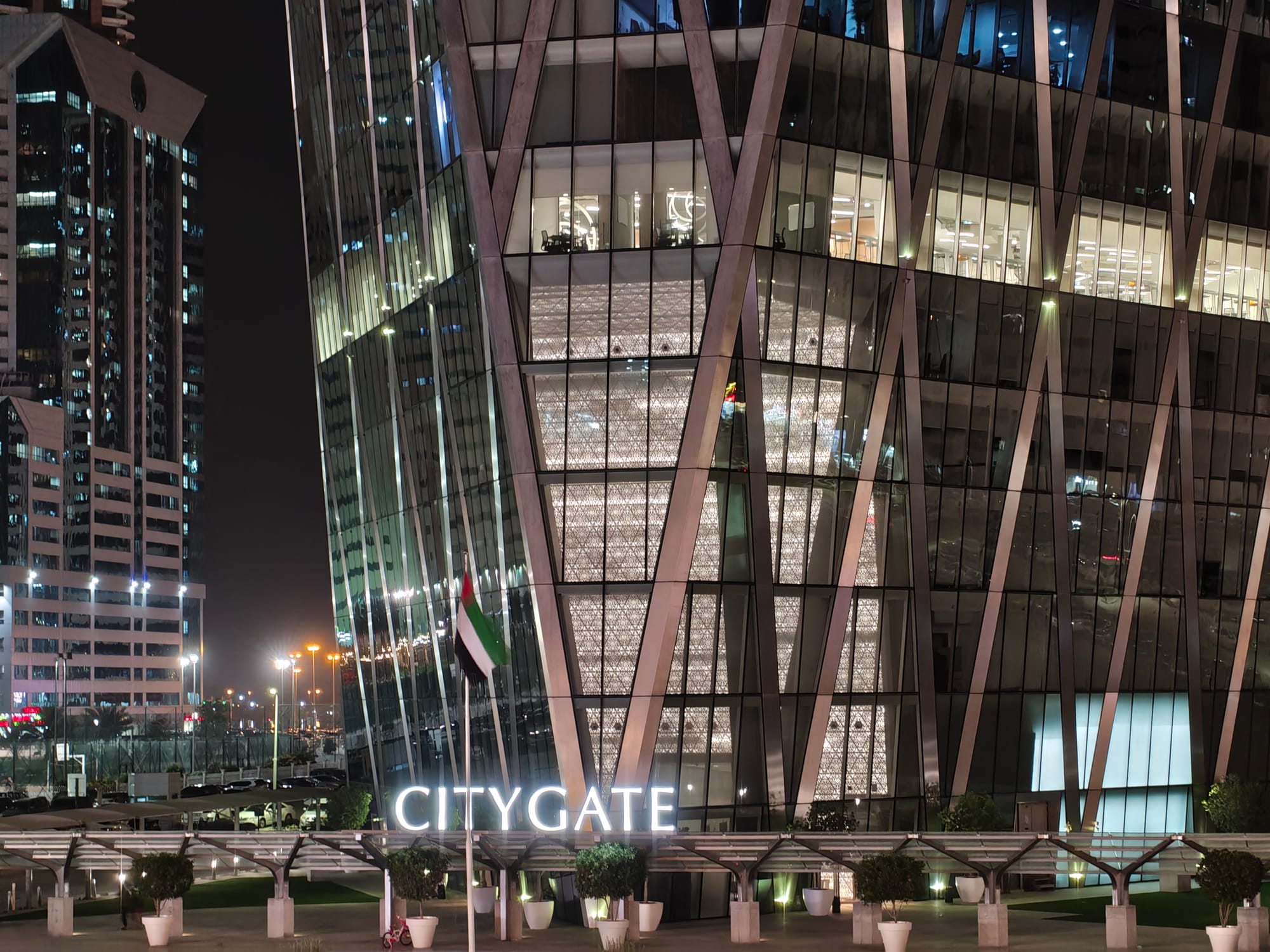
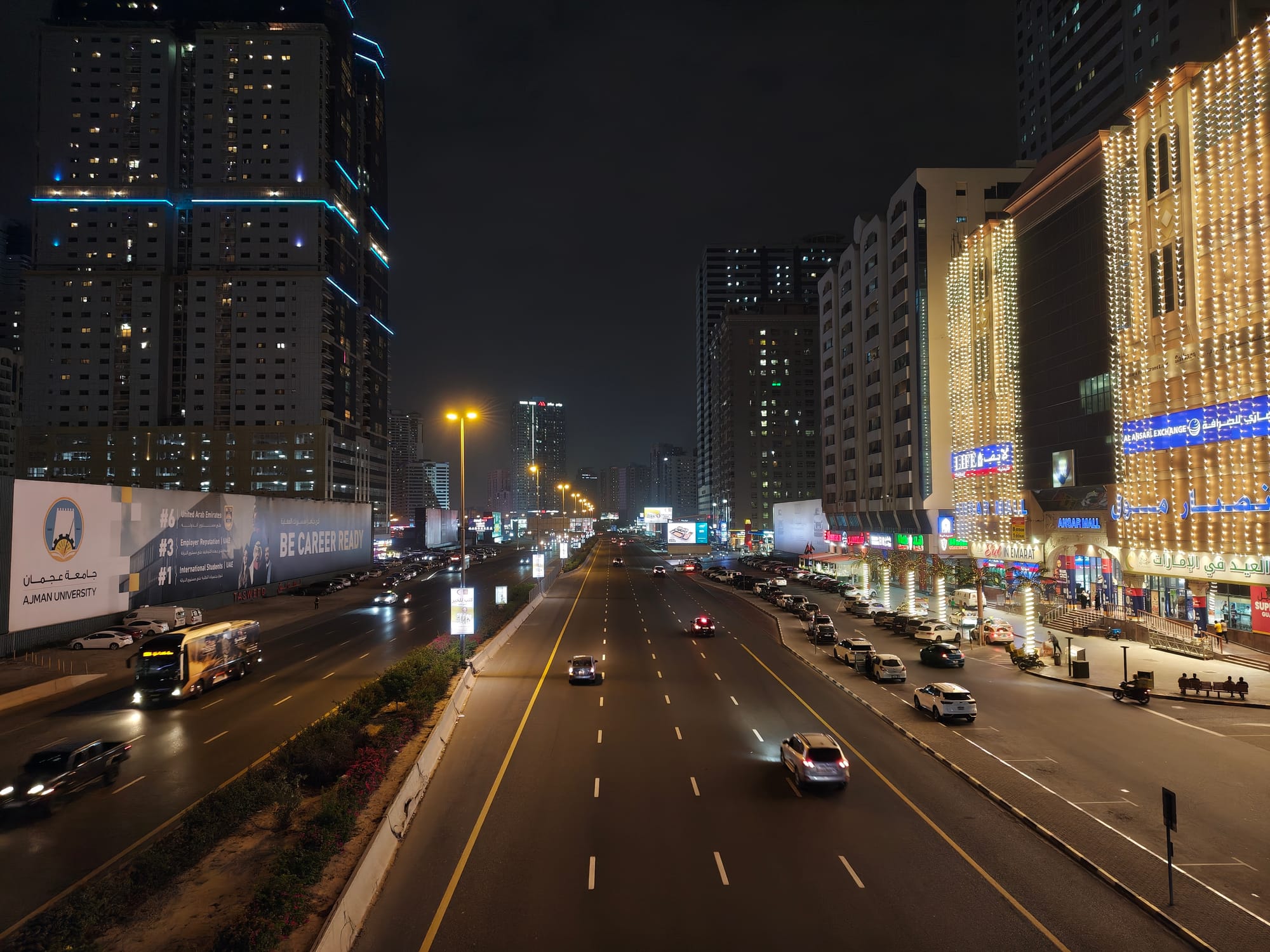
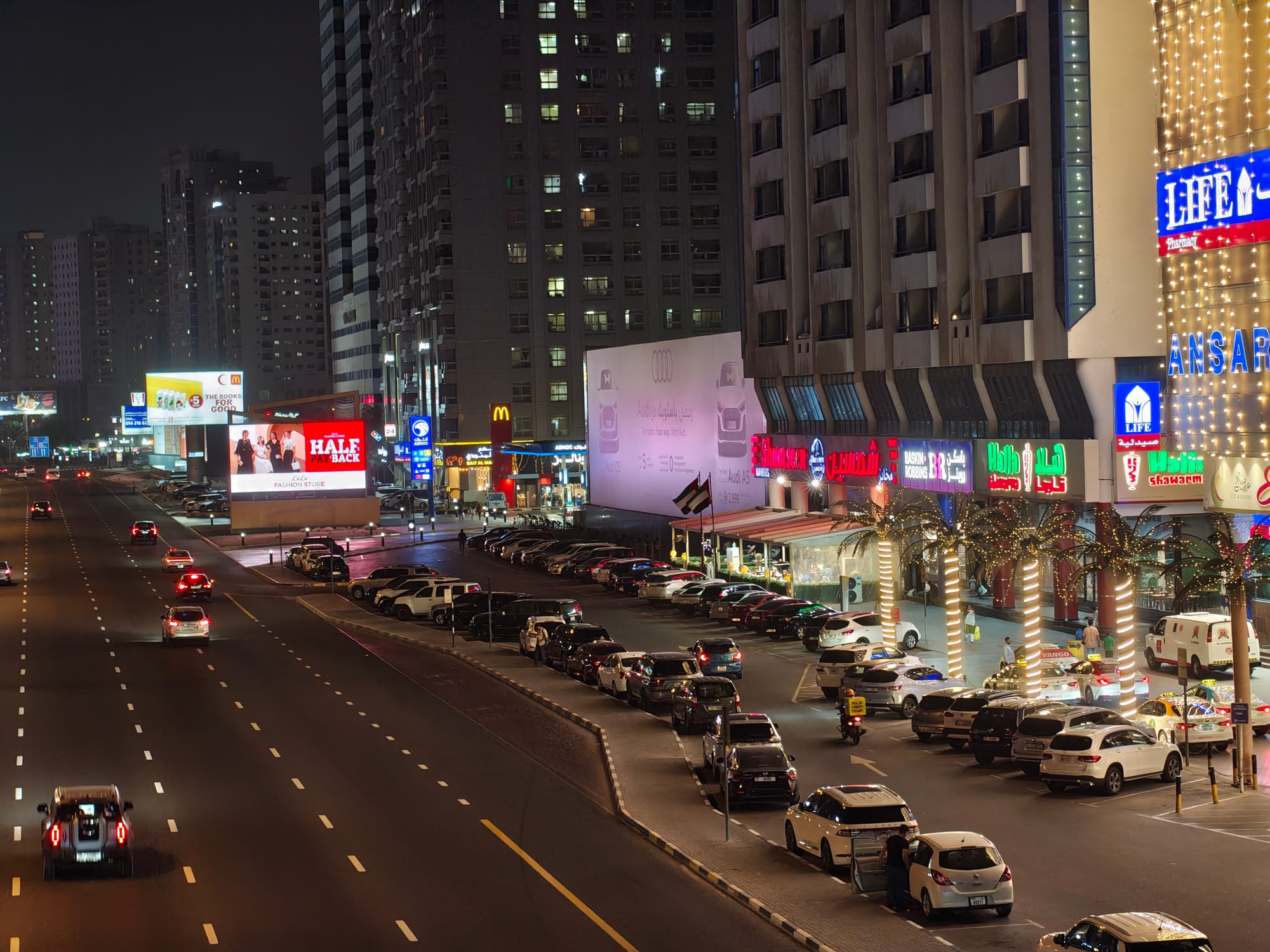

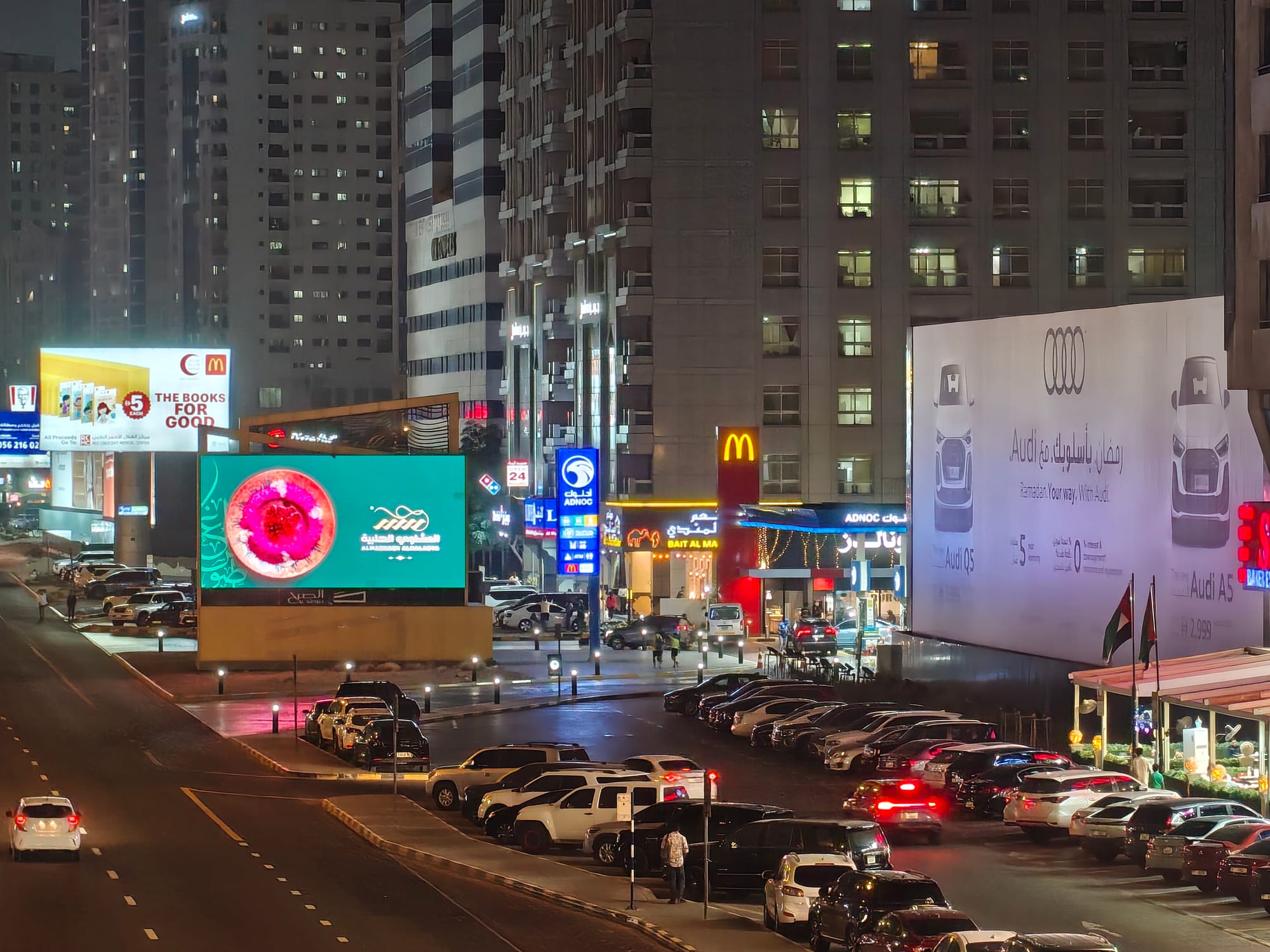
The larger sensor also helps with nighttime shots. Unlike the Phone 4a, it doesn't over-expose the image to compensate for the low light and balances it well enough. However, the 3.5x optical zoom shows a bit more compression and noise than I would have liked, but the overall picture still comes out pretty detailed. At 7x, the smoothing and compression artefacts leak in, so I wouldn't rely on these cameras for far-away shots.
Performance: Snapdragon 7 Gen 4 Makes a Strong Case
Under the hood, the Phone 4a Pro is running Qualcomm's Snapdragon 7 Gen 4 chipset, built on a 4nm TSMC process. It features an 8-core CPU clocked up to 2.8Ghz and a dedicated Hexagon NPU for on-device AI tasks. Coming from the Snapdragon 7s Gen 3 in the previous 3a Pro, this is a very tangible step up.
| Benchmark | Nothing Phone (4a) Pro | Nothing Phone 3a Pro |
|---|---|---|
| Geekbench 6 CPU - Single Core | 1,333 | 1,159 |
| Geekbench 6 CPU - Multi Core | 4,239 | 3,269 |
| Geekbench 6 GPU | 4,721 | 3,321 |
| Geekbench AI | 3,412 | 662 |
| 3DMark Steel Nomad Light | 742 | 380 |
| 3DMark Wildlife Extreme | 2,094 | 1,055 |
| 3DMark Sling Shot Extreme | Maxed Out | 5,528 |
The benchmark numbers paint a pretty clear picture of this. In Geekbench 6, the 4a Pro scored 1333 single-core and 4239 in multi-core, easily outpacing the 3a Pro’s scores of 1159 and 3269.
The graphical bump is even more impressive, jumping from a GPU score of 3321 to 4721. 3DMark results tell a similar story, with the Wild Life Extreme score nearly doubling from 1055 to 2094, and the Sling Shot Extreme test maxing out. The biggest delta, however, is in AI processing: the new NPU pushes the Geekbench AI CPU score from a meagre 662 on the older phone to a massive 3412.
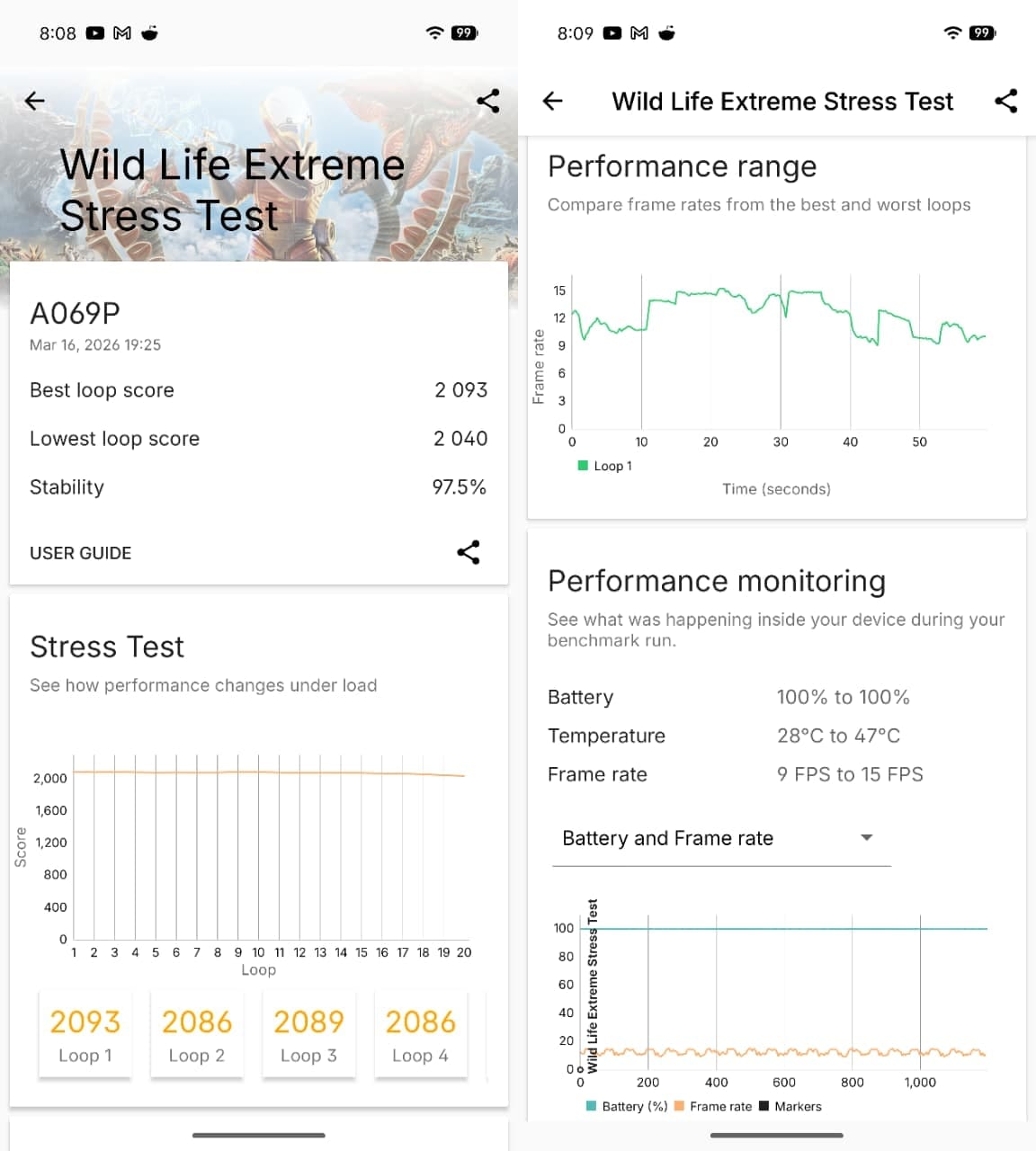
I also ran the 3DMark Wildlife Extreme Stress Test to see how the phone handles sustained, heavy loads, and the results are… surprising, to be honest. It achieved a stability score of 97.5%, meaning it barely throttled across the gruelling 20-loop run. This shows the new, larger vapour chamber working hard here to keep the performance curve almost completely flat.
While the frame rates naturally hovered lower on this highly demanding test - ranging from 9 to 15fps - the internal temperatures only climbed from 28 °C to 47 °C. Keeping performance consistent without overheating is an impressive feat, something I have not even seen from high-end phones, although they do have more demanding chipsets.
In daily use, the 4a Pro proved to be sufficiently smooth. Apps, animations, and overall workflow are handled well, with only the occasional stutter. While the processor is definitely a solid upgrade over the 3a Pro, it is still strictly a mid-range chip, and you do feel that throughout the system. If you compare it directly to the iPhone 17e, Apple's 3nm A19 chip will be much more performant across the board.
Software: Nothing OS 4.1 on Android 16, With Caveats for UAE Users
On the software front, the device ships with Nothing OS 4.1, which is based on Android 16. Nothing is promising a respectable three years of Android updates and six years of security patches.
The OS itself remains one of the cleanest and most stylised takes on Android. Nothing has moved the dedicated Essential Key to the left side of the frame, keeping it distinct from the power and volume buttons. Hitting it instantly captures a screen, records the screen, or takes a voice note, dumping it all into Essential Space for the AI to organise.
I have to admit, I still haven't found much use for Essential Space in my own daily routine. It's a neat concept to grab notes and screenshots as you browse, but the AI integration just hasn't clicked with me yet. Mileage will definitely vary depending on your workflow. It is also a bit of a bummer that other heavily advertised features, such as Essential Search, Essential Memory, and Essential Apps, do not seem to be available right now, likely due to regional roll-out.
The software also ties heavily into the new Glyph Matrix. Beyond just flashing for calls, you can now use the lights for Essential Notifications, setting specific patterns for certain contacts. It also supports Live Notifications for apps like Uber and Zomato, so you can track your ride or food delivery progress on the back of the phone. I wish Nothing would pursue more regionally available services like Keeta, Smile, Talabat and Noon so most users here can actually make use of this feature.
Battery: Solid Endurance, No Wireless Charging
Battery life is decent. The capacity has been bumped slightly to 5080mAh, up from the 5000mAh on the 3a Pro. It holds up well enough, giving me around 1.5 days of use through a heavy day of mixed usage.
When you do need to top up, the 50W wired charger will get you to 50% in about 22 minutes, and completely full in just over an hour. It also supports 7.5W reverse wired charging to juice up your earbuds in a pinch. Just keep in mind that, much like the previous generation, there is no wireless charging on board.
Should You Buy the Nothing Phone 4a Pro?
Buy it if: You're looking for the best mid-range Android experience under AED 2500 in the UAE, value optical zoom in a compact package, care about build quality and outdoor screen legibility, or are upgrading from the Phone 3a Pro or older.
Skip it if: You're on a strict budget (the 3a Pro at AED 1749 remains an excellent phone), wireless charging is non-negotiable, or you need the absolute best selfie camera in this price range.
vs. iPhone 17e (AED 2599): The 4a Pro offers more — larger display, triple cameras with periscope zoom, higher refresh rate — at a lower price. The iPhone 17e counters with a significantly more powerful chip and the iOS ecosystem. Choose accordingly.
The Nothing Phone 4a Pro is a confident, well-executed step up that justifies its price increase through real, tangible hardware improvements. The metal build, the Sony main sensor, the tetraprism zoom, and the thermal performance all deliver. For upper mid-range Android in the UAE right now, it's the most complete package Nothing has put together.
Written by

Subscribe to our newsletter
Subscribe to our newsletter to get the latest updates and news











Member discussion