
Nissan Ariya solar concept could generate 21km daily range in Dubai
Solar panels on Nissan's Ariya concept generate 21.2km of free driving range daily in Dubai's sunshine. The self-charging EV could slash annual charging visits from 23 to just 8 for typical UAE commuters, though no production timeline exists yet.

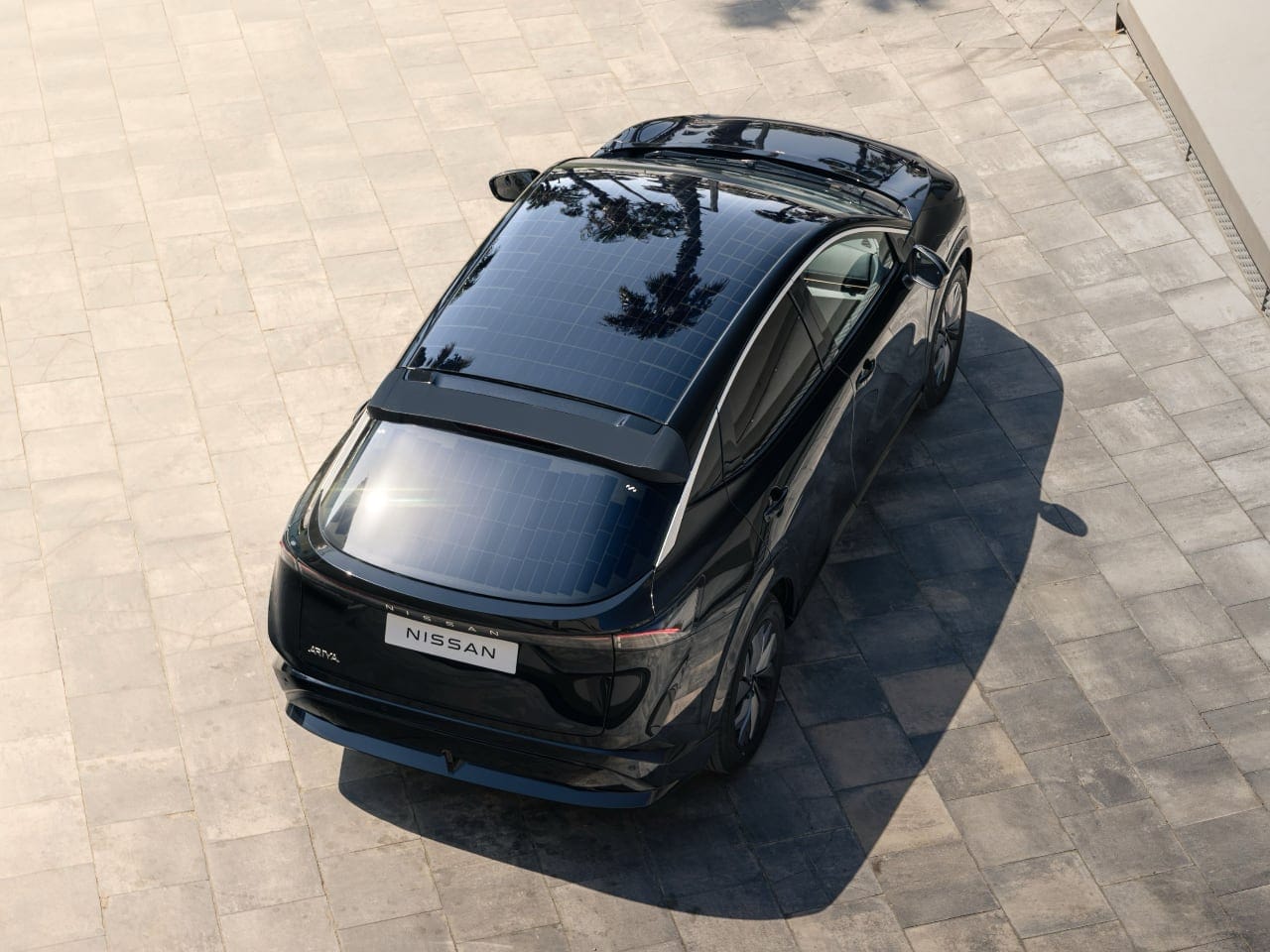
Nissan's new solar-powered Ariya concept could add 21.2km of daily driving range in Dubai — enough to cut charging visits by up to 65% for typical commuters. According to Nissan's press release for Clean Energy Day, the concept features 3.8m² of high-efficiency solar panels that convert sunlight directly into DC power, developed partly by the company's Advanced Product Planning team in Dubai.
How the solar system works
The concept integrates polymer and glass-based photovoltaic panels into the hood, roof, and tailgate. These high-efficiency cells convert sunlight directly into DC power through an advanced controller that optimises energy use and reduces reliance on external charging infrastructure.
Real-world testing shows impressive results across different climates. In ideal conditions, the system delivers up to 23km of additional range per day. Even during a two-hour, 80km journey, the panels can generate 0.5 kWh of clean energy — adding up to 3km of free, zero-emission range whilst driving.
Dubai leads global solar performance
The UAE's abundant sunshine makes it particularly well-suited for solar EV technology. Testing across four cities shows Dubai generates the highest daily solar range at 21.2km, followed by New Delhi (18.9km), Barcelona (17.6km), and London (10.2km).
For UAE drivers, this translates to significant practical benefits. A typical commuter driving 6,000km annually could reduce their charging visits from 23 to just 8 per year. That's powerful stuff for regions with limited charging infrastructure — drivers get greater autonomy and lower cost of ownership simply by parking in the sun.
Lightyear partnership drives innovation
The project began with an ambitious question: What if EVs could charge themselves? This sparked Nissan's partnership with Dutch solar-mobility innovator Lightyear, which supplied the next-generation panel technology brought to life by Nissan's engineering teams in Dubai and Barcelona.
Initial long-distance testing — including a 1,550km journey between the Netherlands and Barcelona — proved the concept's real-world viability. The results show solar integration could dramatically reduce charging dependency for daily driving.
Part of Nissan's carbon-neutral vision
'The solar-powered Ariya concept embodies Nissan's belief that innovation and sustainability must move forward hand-in-hand,' said Shunsuke Shigemoto, VP of ePowertrain at Nissan AMIEO. 'By exploring how vehicles can generate their own renewable energy, we are opening the door to new opportunities for customers — greater freedom, reduced charging dependency, and a cleaner future.'
The concept reflects Nissan's commitment to achieving carbon neutrality across its products and operations by 2050. For a brand already offering attractive deals on current models in the UAE, self-charging capability could be a game-changer for EV adoption in sunny regions.
When can you buy it?
The solar-powered Ariya is currently just a concept — there's no announced production timeline or pricing. Nissan hasn't indicated when or if this technology might reach the market, though the real-world testing suggests the company is taking it seriously.
Given the impressive performance in Dubai conditions and Nissan's local team's involvement in development, the UAE would be a natural market for solar EV technology when it becomes available. For now, it's a fascinating glimpse of where electric vehicle technology might be heading.
Frequently Asked Questions
What is the Nissan Ariya solar-powered concept?
It's a concept EV equipped with 3.8m² of high-efficiency solar panels designed to convert sunlight into DC power, extending the vehicle's range and reducing reliance on external charging infrastructure.
How much range can the solar panels add to the Ariya?
In ideal conditions, the system can deliver up to 23km of additional range per day. In Dubai, it averages 21.2km per day — enough to significantly reduce charging frequency for daily commuters.
When will the solar-powered Ariya be available?
The solar-powered Ariya is currently a concept and there is no announced production or availability date. Nissan hasn't indicated if or when this technology might reach market.
How much could this reduce charging visits in UAE?
Testing shows drivers could reduce charging frequency by 35-65% depending on usage. A typical 6,000km annual commuter could cut charging visits from 23 to just 8 per year in Dubai conditions.
Written by

Subscribe to our newsletter
Subscribe to our newsletter to get the latest updates and news













Member discussion