
Nintendo issues DMCA notices against Switch emulators on GitHub
Nintendo targets six Switch emulator projects on GitHub with fresh DMCA notices, including Eden, Citron, and Sudachi. The broadest enforcement action yet could push emulation underground as developers prepare backup hosting plans.

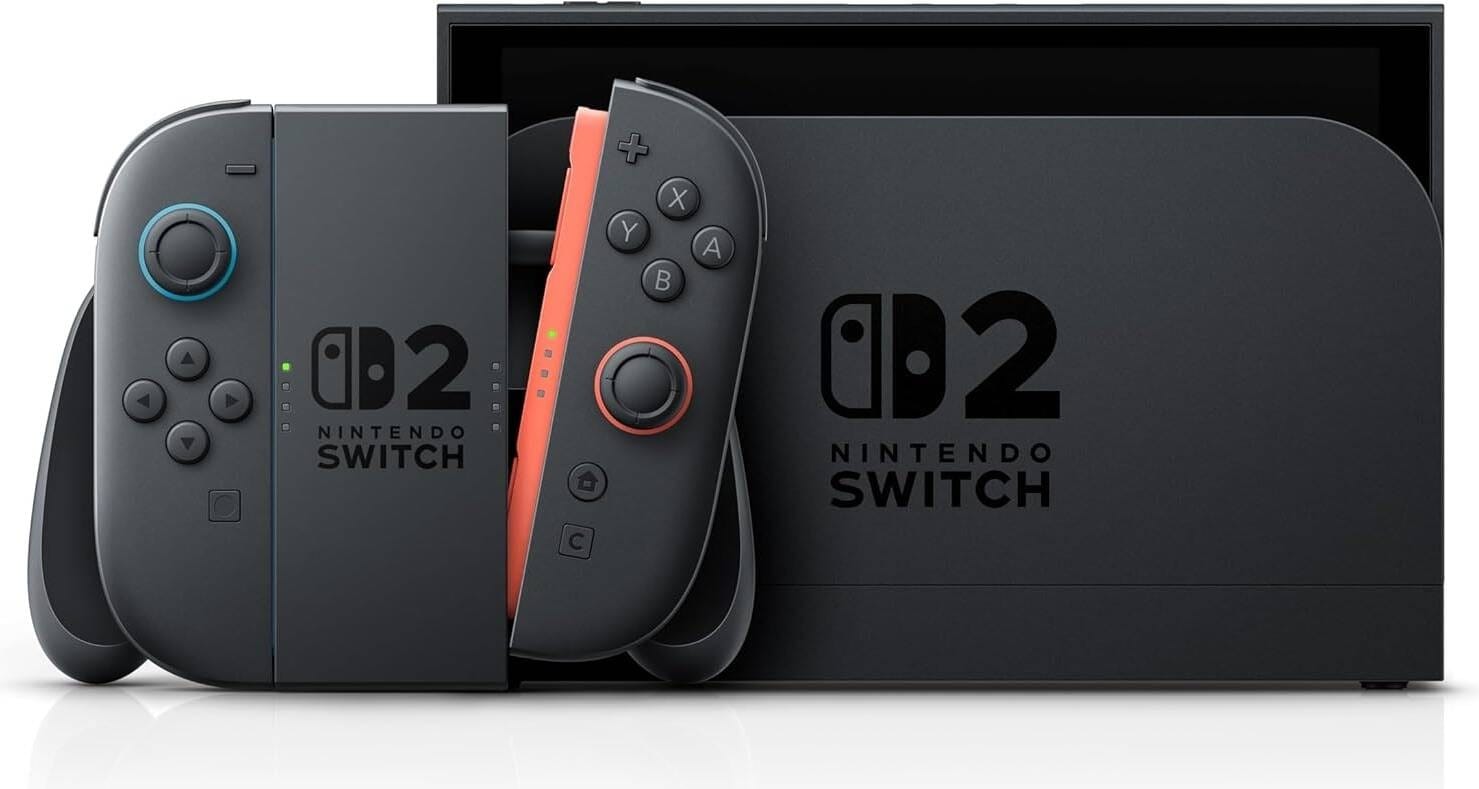
Nintendo has sent a new wave of DMCA notices targeting multiple Nintendo Switch emulator projects hosted on GitHub, according to reports. The notices affect both active and inactive repositories, including Eden, Citron, Kenji-NX, MeloNX, Sudachi and Skyline emulators. The move intensifies Nintendo's ongoing crackdown on emulation following previous legal action against modding operations.
Nintendo's legal argument
Nintendo's legal team issued the DMCA notices under U.S. copyright law, targeting GitHub repositories that host Switch emulator code. The company argues these emulators bypass the console's technological protection measures, specifically the encryption keys required to decrypt games.
"The simple fact that this software can be used to run illegal copies of games is enough reason for them to take action," according to Nintendo's legal stance. However, the targeted emulators like Citron and Eden don't include encryption keys or ROM files themselves. Users must extract their own keys and firmware from modified consoles to run games.
The ongoing emulation debate
The legal status of emulation remains murky following the earlier Yuzu case, which ended in a private settlement rather than establishing clear legal precedent. This leaves the broader question of emulation legality unresolved in court.
While Nintendo continues its enforcement actions, the company also faces challenges in balancing protection of its intellectual property with legitimate preservation and research uses of emulation technology. The current wave represents Nintendo's broadest GitHub targeting to date.
What happens next for emulators
The affected repositories remain online for now but are likely to be removed soon. However, complete elimination of Switch emulators appears unlikely. Many developers have prepared contingencies including mirrored repositories, private servers, and alternative hosting outside GitHub.
This creates a potential safety concern: as official sources disappear, users may turn to unreliable websites that could distribute malware or modified versions of emulation software. The reduced visibility could push the emulation community further underground while making it riskier for casual users to access legitimate emulators.
Frequently Asked Questions
Why is Nintendo targeting Switch emulators?
Nintendo argues that emulators bypass the console's technological protection measures, specifically encryption keys, and can be used to run illegal copies of games.
Will Switch emulators disappear completely?
Probably not entirely; many developers use mirrored repositories or alternative hosting, but they may become less visible and harder to find, potentially leading users to unsafe sources.
Do emulators include game files or keys?
No, legitimate emulators like Eden and Citron don't include encryption keys or ROM files. Users must extract their own keys from modified consoles.
Is emulation legal?
The legal status remains unclear. The previous Yuzu case ended in settlement rather than establishing court precedent about emulation legality.
Which emulator projects were affected?
GitHub repositories for Eden, Citron, Kenji-NX, MeloNX, Sudachi and Skyline all received DMCA notices from Nintendo's legal team.
Written by

Subscribe to our newsletter
Subscribe to our newsletter to get the latest updates and news













Member discussion