
Nearly half of UAE and Saudi shoppers use AI to buy, but trust remains low
Middle East retailers face a new reality: shoppers want AI help but don't fully trust it yet. With 77% of discovery now digital and flexible payments becoming non-negotiable, the old playbook no longer works.

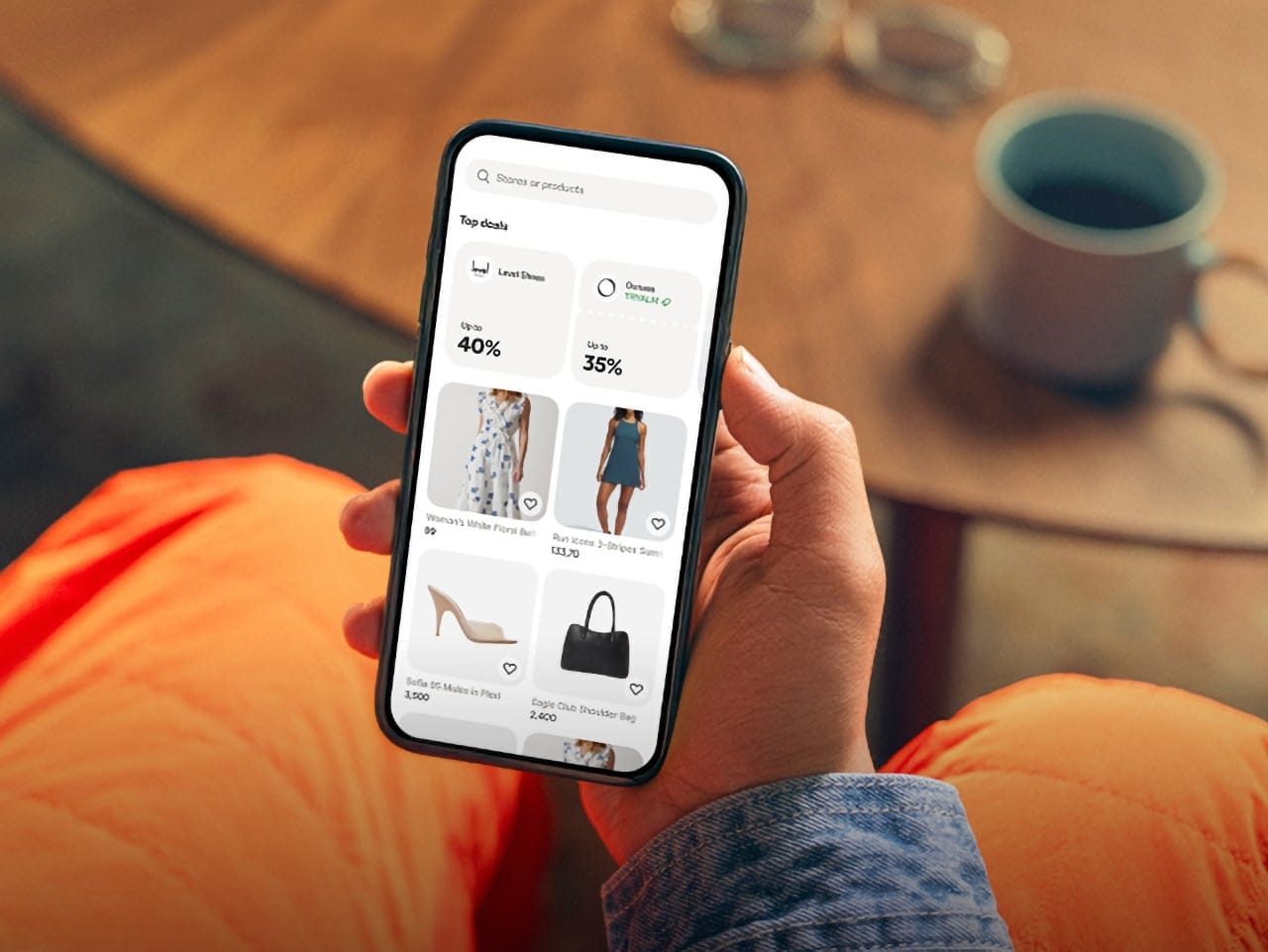
According to Tabby's third annual Ultimate Middle East Shopping Survey, 43% of shoppers across Saudi Arabia and the UAE now use AI to help make purchase decisions. The significance extends beyond headline adoption rates: whilst only 30% fully trust AI recommendations, the majority haven't written it off entirely — they're open to being persuaded. This middle ground is where retail competition will be won or lost.
Key Takeaways
- 43% of shoppers across Saudi Arabia and UAE use AI to help make purchase decisions.
- Only 30% fully trust AI recommendations, but 43% remain open to persuasion.
- 77% of product discovery happens through digital channels, with social media leading.
- 70% of shoppers would avoid retailers that don't offer flexible payment options.
- Younger shoppers lead AI adoption, with 51.8% of 18-29 year olds using AI for shopping.
The Deal
Tabby surveyed over 20,000 shoppers across Saudi Arabia and the UAE in November 2025, creating the largest dataset in the report's three-year history. The survey covered six nationalities, four age bands from 18 to 50+, and income levels from low to super-high.
The findings reveal a market in transition. AI adoption is real and growing, particularly among younger shoppers, with 51.8% of 18- to 29-year-olds having used AI in their shopping experience. But trust remains conditional across both markets.
Why AI trust matters for retailers
This has fundamentally changed the competitive dynamics. Shoppers are most open to AI when it helps them compare options and move faster. They pull back when recommendations feel opaque or when they can't see the reasoning behind them.
The key insight is in the 43% who say they "might" trust AI recommendations. Previously, retailers could rely on traditional advertising and in-store influence. Now they must design AI experiences that build trust through transparency and demonstrable value.
For retailers, this suggests investing in explainable AI systems rather than black-box recommendation engines. The companies that crack this trust equation first will capture a disproportionate share of the market in a winner-take-all dynamic.
Digital discovery dominates the funnel
According to the survey, 77% of product discovery now happens through digital channels, even when the final purchase is made in a physical store. Social media is now the leading driver of product discovery, followed closely by browsing stores online.
This shift has exposed traditional retail's fundamental weakness: by the time 68% of shoppers walk into a physical store, they already know what they want to buy. The value has moved upstream to digital discovery and comparison.
This trend mirrors broader patterns we've seen in other markets. The social shopping surge indicates retailers must own the discovery phase or risk becoming mere fulfilment centres for decisions made elsewhere.
Payment flexibility becomes table stakes
The survey reveals that 70% of shoppers would avoid retailers that don't offer flexible payment options. One in five actively walk away from stores that don't offer them. This behaviour cuts across all income levels, from low to super-high.
Looking ahead, this suggests that payment choice has moved from a nice-to-have to a competitive necessity. Retailers without flexible options aren't just missing revenue — they're losing customers entirely to competitors who offer choice.
The implication for traditional retailers is clear: payment flexibility has become a baseline expectation, not a premium service. Those who treat it as an add-on rather than core infrastructure risk systematic customer loss.
The Company
Tabby is a financial technology company headquartered in Riyadh that helps millions of people in the Middle East stay in control of their spending. Over 40,000 brands and businesses — including SHEIN, Amazon, Adidas, IKEA, H&M, Samsung and Noon — use Tabby to accelerate growth and gain loyal customers by offering flexible payments online and in stores.
The company serves Saudi Arabia, the UAE and Kuwait, positioning itself at the centre of the region's shift toward flexible payments, as the survey data validate.
What retailers should watch next?
"We wish we were sharing this at an easier moment for the region. Many of the businesses we work with are navigating a difficult period right now, planning with limited visibility. If this research helps even some of them make better decisions in the months ahead, it feels worth sharing," said Hosam Arab, CEO and Co-founder of Tabby.
The data suggests three strategic priorities for retailers: building transparent AI recommendation systems that explain their reasoning, optimising for digital discovery channels where 77% of decisions begin, and implementing flexible payment options as baseline infrastructure rather than premium features.
Survey methodology
Responses were collected in November 2025 across Saudi Arabia and the UAE. The survey represents six nationalities, four age bands from 18 to 50+, and income levels from low to super-high. This marks the largest dataset in the report's three-year history, covering key areas such as discovery, hybrid shopping, in-store behaviour, payments, AI adoption, and financial confidence.
Frequently Asked Questions
What percentage of Middle East shoppers use AI for purchases?
According to Tabby's survey, 43% of shoppers across Saudi Arabia and UAE use AI to help make purchase decisions. This rises to 51.8% among 18-29 year olds, showing higher adoption rates among younger consumers.
Do Middle East shoppers trust AI recommendations?
Only 30% of shoppers fully trust AI recommendations, but an additional 43% say they might, indicating significant openness to persuasion. Most shoppers trust AI when it helps them compare options and provides transparent reasoning.
How do Middle East shoppers discover products?
77% of product discovery now happens through digital channels, with social media being the leading driver, followed by browsing stores online. By the time shoppers enter physical stores, 68% already know what they want to buy.
Are flexible payment options important to Middle East shoppers?
Yes, 70% of shoppers would avoid retailers that don't offer flexible payment options, making it a deciding factor in purchasing choices. This behaviour cuts across all income levels, from low to super-high earners.
Written by

Subscribe to our newsletter
Subscribe to our newsletter to get the latest updates and news












Member discussion