
Microsoft plans 100% native Windows 11 apps in major shift from web wrappers
Microsoft's new native app team will ditch web wrappers for faster, more responsive Windows 11 software. The shift tackles memory issues plaguing tools like Clipchamp and Copilot, promising better performance for UAE users on older hardware.

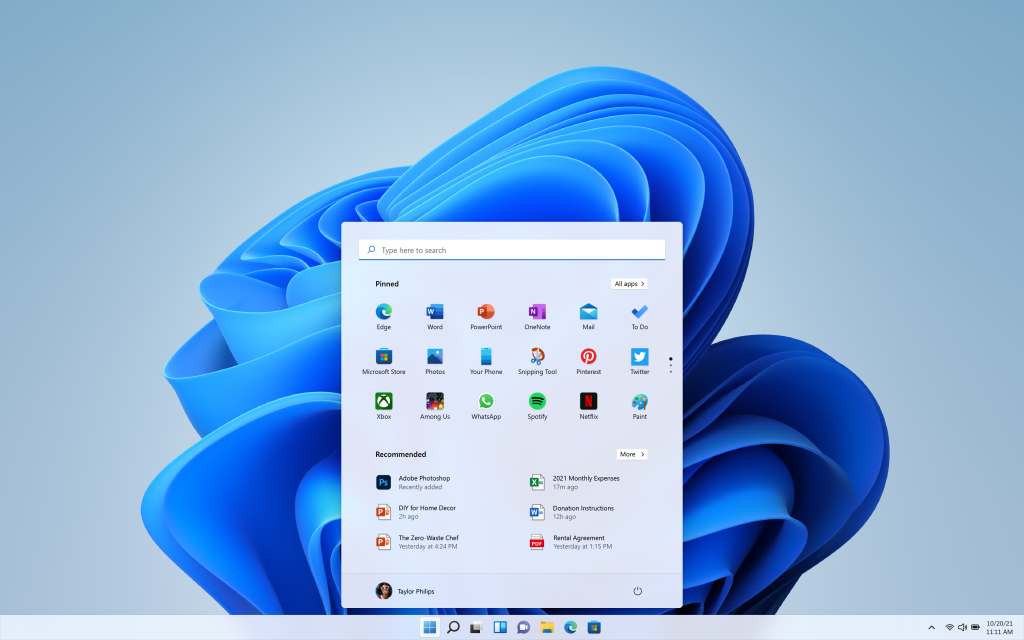
Microsoft is forming a new team to build 100% native Windows 11 apps, marking a major shift away from web-based wrappers and Progressive Web Apps. As reported by TechSpot, Partner Architect Rudy Huyn announced the initiative in March 2026, promising to address user frustrations with app performance and responsiveness.
Key Takeaways
- Microsoft forms new team led by Rudy Huyn to build 100% native Windows 11 apps.
- The shift moves away from web-based wrappers and Progressive Web Apps that users complained about.
- Native apps promise better performance, faster load times, and lower memory usage than web wrappers.
- The initiative complements upcoming Windows 11 performance improvements to File Explorer and taskbar.
- Apps like WhatsApp and Clipchamp currently use slower web technologies instead of native frameworks.
Why is Microsoft shifting to native Windows 11 apps?
According to Rudy Huyn, Microsoft's current approach has created performance problems that users notice daily. Many core Windows tools, including Clipchamp and Copilot, rely on web technologies that consume more memory and respond slower than native alternatives. The company's commitment to native development could finally address long-standing complaints about interface consistency and app responsiveness.
The shift represents a significant change in Microsoft's development strategy. For years, the company has leaned heavily on Progressive Web Apps (PWAs) and web-based wrappers to speed up development cycles. WhatsApp's Windows 11 version, for example, dropped its native WinUI framework for a Chromium-based wrapper — a decision that drew criticism from users who preferred the faster native alternative.
Native apps typically offer better performance because they're compiled specifically for Windows, rather than running through a web browser engine. This means faster startup times, lower memory usage, and more responsive user interfaces that feel consistent with the rest of Windows 11.
Who is leading the new Windows app development team?
Rudy Huyn, a Partner Architect at Microsoft who works on the Store and File Explorer, is building the new team focused entirely on native app development. In his announcement on X, Huyn emphasised that prior Windows experience isn't required — what matters is "strong product thinking and a deep focus on the customer."
When asked directly about the nature of these new apps, Huyn confirmed they will be "100% native" — no web technologies or hybrid approaches. This stands in stark contrast to Microsoft's recent direction, where even native apps often include WebView components for certain features.
Huyn's background makes him well-suited for this role. He previously worked on notable Windows apps during the Windows Phone era and has been involved in improving core Windows experiences like File Explorer. His focus on customer experience suggests this initiative isn't just about technical performance — it's about making Windows feel more cohesive and responsive.
What this means for Windows 11 performance
The native app initiative aligns with Microsoft's broader Windows 11 performance improvements coming in 2026. The company is preparing a significant update that will reduce File Explorer launch times, make context menus load faster, and transition the Start menu to the WinUI interface. Microsoft's 2026 update also introduces flexible taskbar customisation and a compact layout option.
For UAE users and businesses, this shift could mean noticeably better Windows performance on both new and existing hardware. Native apps consume less system resources, which is particularly beneficial for older laptops and budget PCs commonly used in offices across the Emirates.
The timing suggests Microsoft recognises that web-based approaches, while faster to develop, have created a fragmented user experience. Native apps should integrate better with Windows 11's design language and system features like notifications, file associations, and system-wide keyboard shortcuts.
The challenge of enforcing '100% native' development
Microsoft's commitment to "100% native" apps raises questions about implementation. Some current Microsoft apps classified as native still depend on WebView components for specific features like web content rendering or authentication flows. The company hasn't specified exactly which applications will be rebuilt or how strictly the native requirement will be enforced.
The initiative will likely prioritise the most problematic apps first — those where users notice performance issues most acutely. This could include media editing tools, communication apps, and system utilities that currently run as web wrappers.
Microsoft's renewed focus on native development comes after years of user complaints and reflects broader industry trends. Apple has maintained strict native app guidelines for macOS, while Google has moved Chrome OS toward better Linux app support to improve performance.
Timeline and availability
Microsoft hasn't announced a specific timeline for when the first 100% native apps will arrive in Windows 11. The company is currently recruiting for the new team, suggesting this is a long-term initiative rather than an immediate rollout.
UAE Windows 11 users will likely see these improvements as part of regular system updates, similar to how recent Windows updates have delivered new features and performance fixes. The native app push complements Microsoft's ongoing efforts to improve Windows 11's core performance and user experience.
Frequently Asked Questions
Why is Microsoft shifting to native apps for Windows 11?
Microsoft is shifting to native apps to address user frustrations with responsiveness, memory use, and interface consistency experienced with web-based applications and PWAs. Native apps offer better performance and lower resource consumption.
Who is leading the new Windows app development team?
The new team focused on 100% native Windows apps is being led by Rudy Huyn, a Partner Architect at Microsoft who works on the Store and File Explorer.
What are the benefits of native Windows 11 apps over web-based ones?
Native apps typically offer better performance, faster load times, lower memory consumption, and more consistent user interfaces compared to web-based wrappers or Progressive Web Apps (PWAs).
When will the new native Windows 11 apps be available?
Microsoft hasn't announced a specific timeline. The company is currently building the team, suggesting this is a long-term initiative that will roll out through regular Windows 11 updates.
Which Windows 11 apps will be rebuilt as native applications?
Microsoft hasn't specified which apps will be rebuilt first, but likely candidates include current web-based tools like Clipchamp and Copilot that users frequently criticise for poor performance.
Written by

Subscribe to our newsletter
Subscribe to our newsletter to get the latest updates and news













Member discussion