Microsoft executive vice president Ryan Roslansky has called workplace AI-generated content a “doom loop” after receiving a document that offered no new thinking — even after he asked an AI tool to summarise it.
Roslansky, who runs LinkedIn and oversees Microsoft Office and Copilot, made the comments in a LinkedIn post published on 31 August. The post was reported by Windows Central, while the original is available on Roslansky’s LinkedIn profile.

Ryan Roslansky’s AI slop warning
“AI slop isn’t happening just on social networks… it’s happening in the day to day of work,” Roslansky wrote. He said someone sent him a document that was clearly AI-generated, then described reading it, recognising what it was and asking his own AI tool to summarise it.
“I read it, realized it was all AI, had my AI summarize it and ended up with nothing that brought new thinking to the idea… This is a doom loop.”
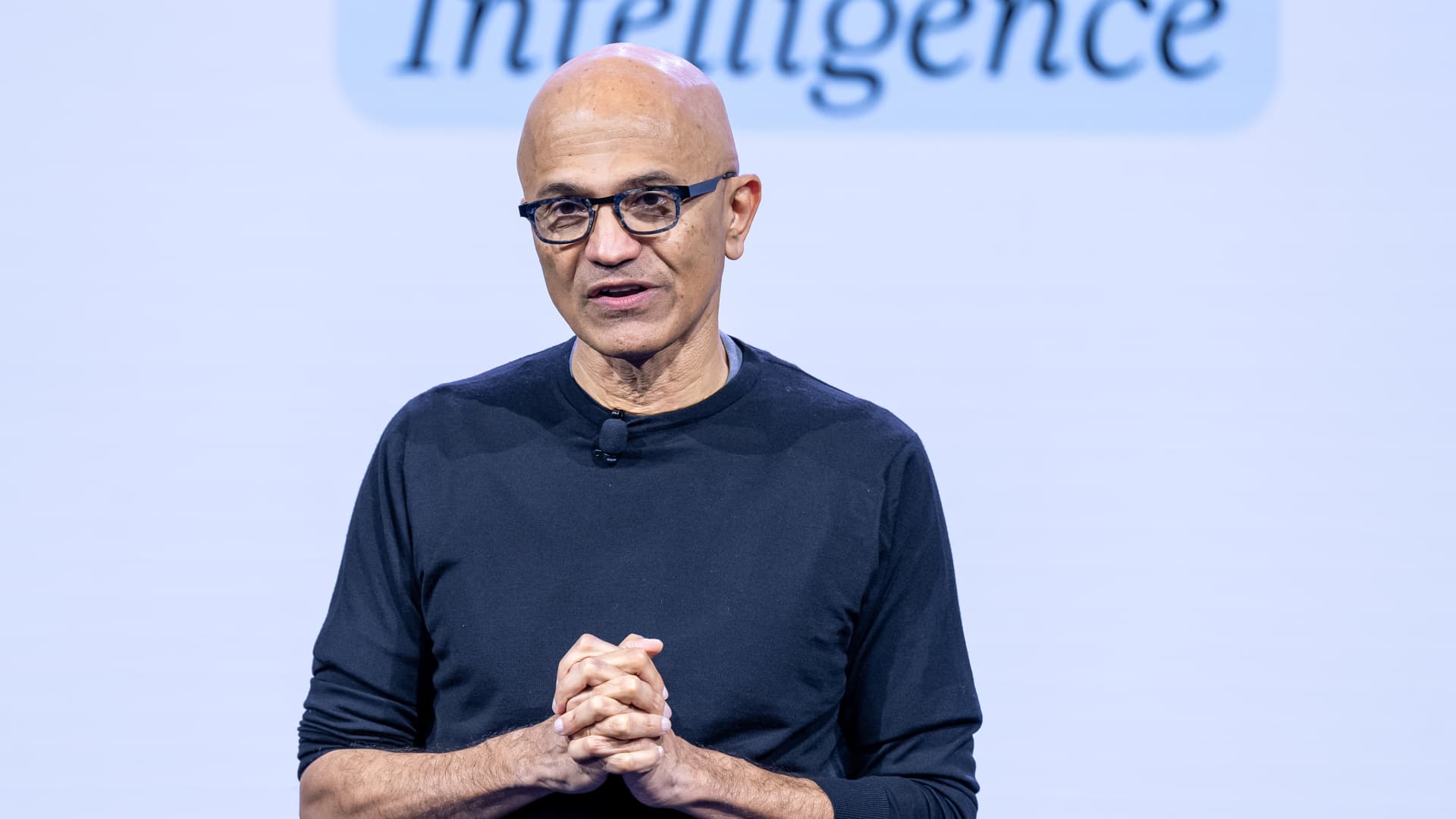
Ryan Roslansky, CEO of LinkedIn and Microsoft executive vice president
The post describes the problem behind the common term AI slop: content produced quickly with generative AI but lacking useful ideas, judgement or a clear human point of view. In this case, the document and its summary formed a closed loop, with one AI-generated piece of work being processed by another without adding much beyond the original wording.
Microsoft’s AI pitch meets the office inbox
Roslansky warned that careless use could create “a very expensive way to avoid writing and reading in an ocean of sameness, genericness”. He did not call for employees to stop using AI. Instead, he argued that the tools should help people work, learn and create while leaving room for their own experience and perspective.
“Let’s go another way where AI helps us to do things, to learn things, to create things, but in ways that we enhance and advance with our distinct perspectives and unique experiences!”
Ryan Roslansky
That position sits alongside Microsoft’s push to put Copilot and other AI tools into everyday office software. Microsoft identifies Roslansky as the executive responsible for LinkedIn and Microsoft Office, including the company’s workplace productivity products, in its official biography. Tbreak has previously covered Microsoft’s broader AI strategy in its Microsoft earnings report.
What is AI slop?
AI slop is a term for low-quality, repetitive or generic material made with generative AI, often with limited human editing. Roslansky’s example is narrower: an AI-written document can look finished while still failing to add an idea, and an AI summary can preserve that emptiness rather than correct it.
The practical requirement is not complicated. If a tool produces a document, someone still has to decide whether it says anything worth sending.
What did Ryan Roslansky say about AI slop?
Ryan Roslansky said AI-generated workplace documents can create a loop where AI-written material is summarised by AI without adding new thinking.
What does AI slop mean?
AI slop describes low-quality, repetitive or generic content produced with generative AI, usually with too little human judgement or editing.
Did Roslansky say people should stop using AI?
No. He argued that AI should help people work, learn and create while preserving their distinct perspectives and experiences.