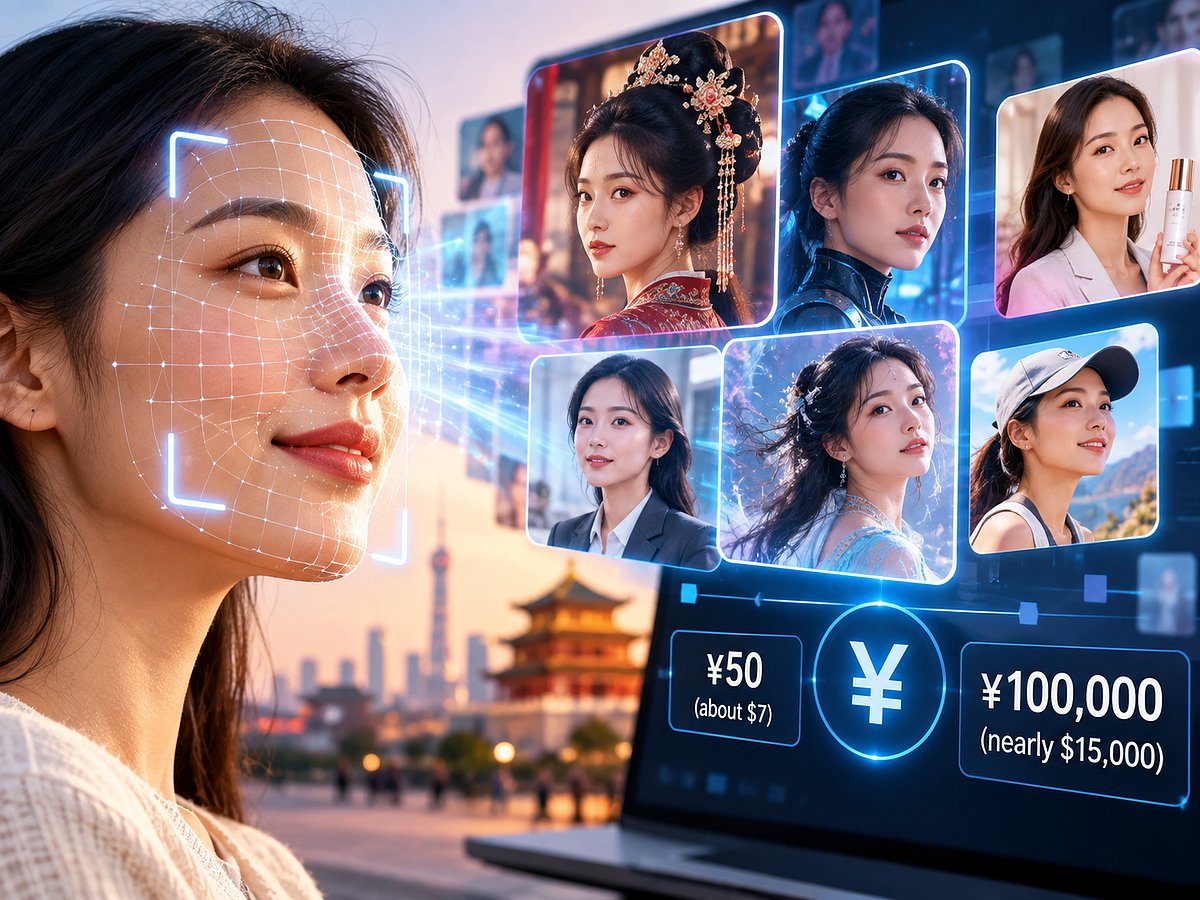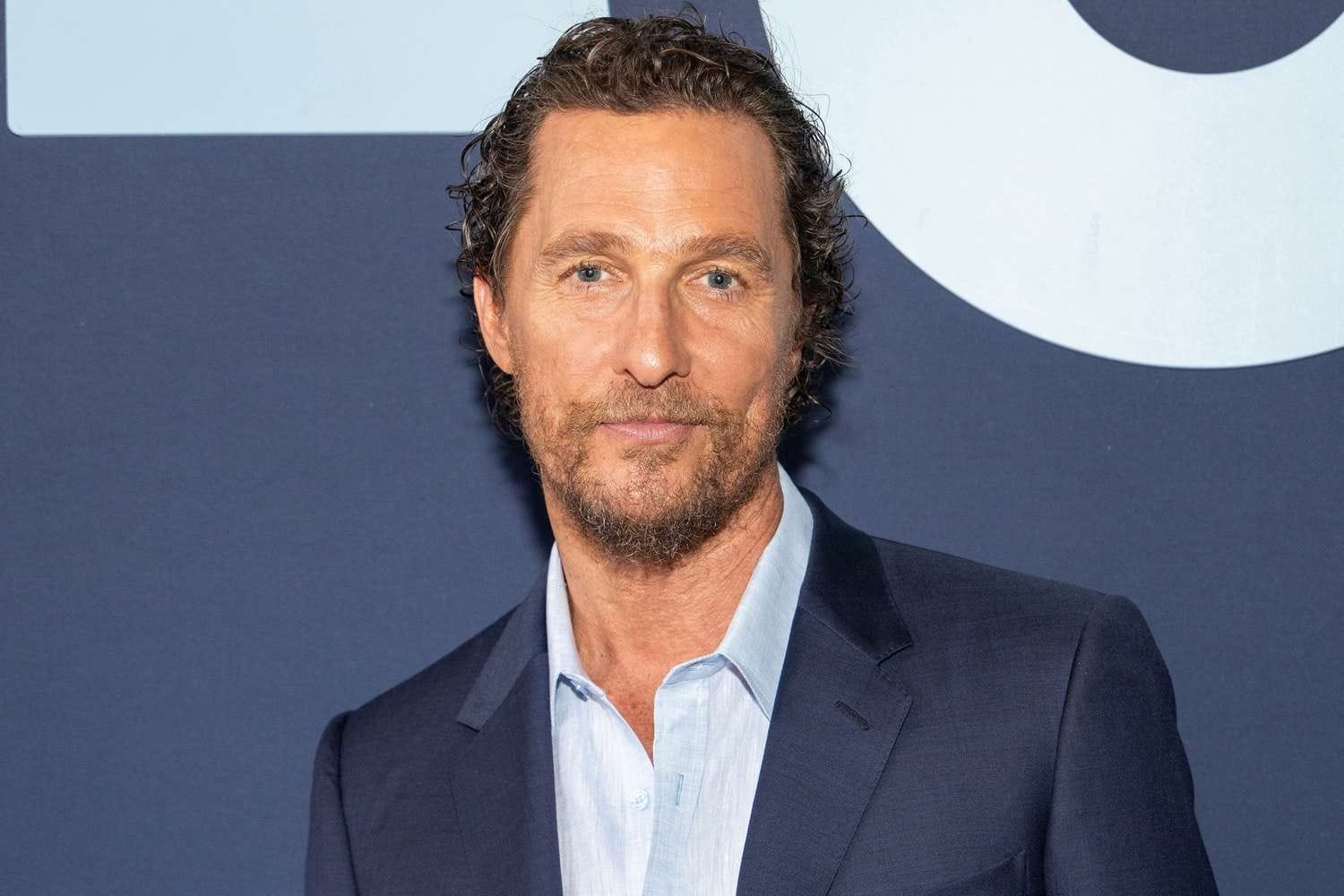
Artificial intelligence is making it harder to tell what’s real online, and Hollywood’s biggest names are taking legal action to protect themselves. Actor Matthew McConaughey is directly confronting the challenge of Matthew McConaughey AI deepfakes by successfully securing eight trademarks for his likeness and voice, according to a report by PCMag. This proactive move aims to prevent unauthorized AI impersonations and protect his digital identity.
This move highlights a growing gap in digital rights regulation, as traditional laws struggle to keep up with the speed of generative AI. While we have seen updates to Steam’s AI policy regarding content disclosure, personal identity protection remains a grey area.
- Eight trademarks approved by the US Patent and Trademark Office to protect his voice and likeness.
- Aims to stop AI deepfakes and unauthorized use of his image in ads or content.
- Follows high-profile scams involving AI clones of Tom Hanks and Taylor Swift.
- Sets a legal precedent for how public figures might control their digital identity globally.
Why the Matthew McConaughey AI trademark matters
The US Patent and Trademark Office has approved McConaughey’s applications, which cover his voice and specific visual scenarios. The goal is to create a legal barrier against AI tools that can generate convincing replicas of him without consent. This isn’t just about movies; it covers the use of his image in advertisements, social media clips, and other digital formats.
- Scope: Covers voice, name, and likeness.
- Specifics: Includes trademarking images of him in specific settings (like on a porch).
- Goal: To ensure any use of his identity is approved and compensated.
“My team and I want to know that when my voice or likeness is ever used, it’s because I approved and signed off on it,” McConaughey said regarding the decision. “We want to create a clear perimeter around ownership.”
Deepfakes and celebrity rights
This legal strategy comes after a year of high-profile AI misuse. We have seen the rapid rise of tools like ChatGPT and video generators create convincing fakes with ease. Tom Hanks recently had to warn fans about an AI version of himself promoting a dental plan, while Taylor Swift faced a barrage of non-consensual deepfake images.
While industry bodies like SAG-AFTRA fought for protections during the recent strikes, individual actors are now taking matters into their own hands. Robert Downey Jr. has also taken a hard line, stating he intends to sue executives who attempt to create digital replicas of him in the future.
What this means for UAE readers
While these trademarks are US-based, the impact is global. For residents in the UAE, this serves as a reminder of the prevalence of AI scams. Just as we see online safety warnings from local authorities about social media trends, the risk of AI impersonation is increasing here too.
Currently, there is no single global law preventing AI impersonation, meaning legal patchwork strategies like McConaughey’s might become the norm. As AI tools become more accessible, verifying the authenticity of celebrity endorsements—especially those asking for money or promoting crypto schemes—is more critical than ever.