
Aqara confirms plan for Matter-Ready Cameras: What that means for your Smart Home
Matter 1.5 finally brings native camera support to the smart home standard. Here’s what Aqara has revealed about its Matter camera roadmap and what it means for your setup.

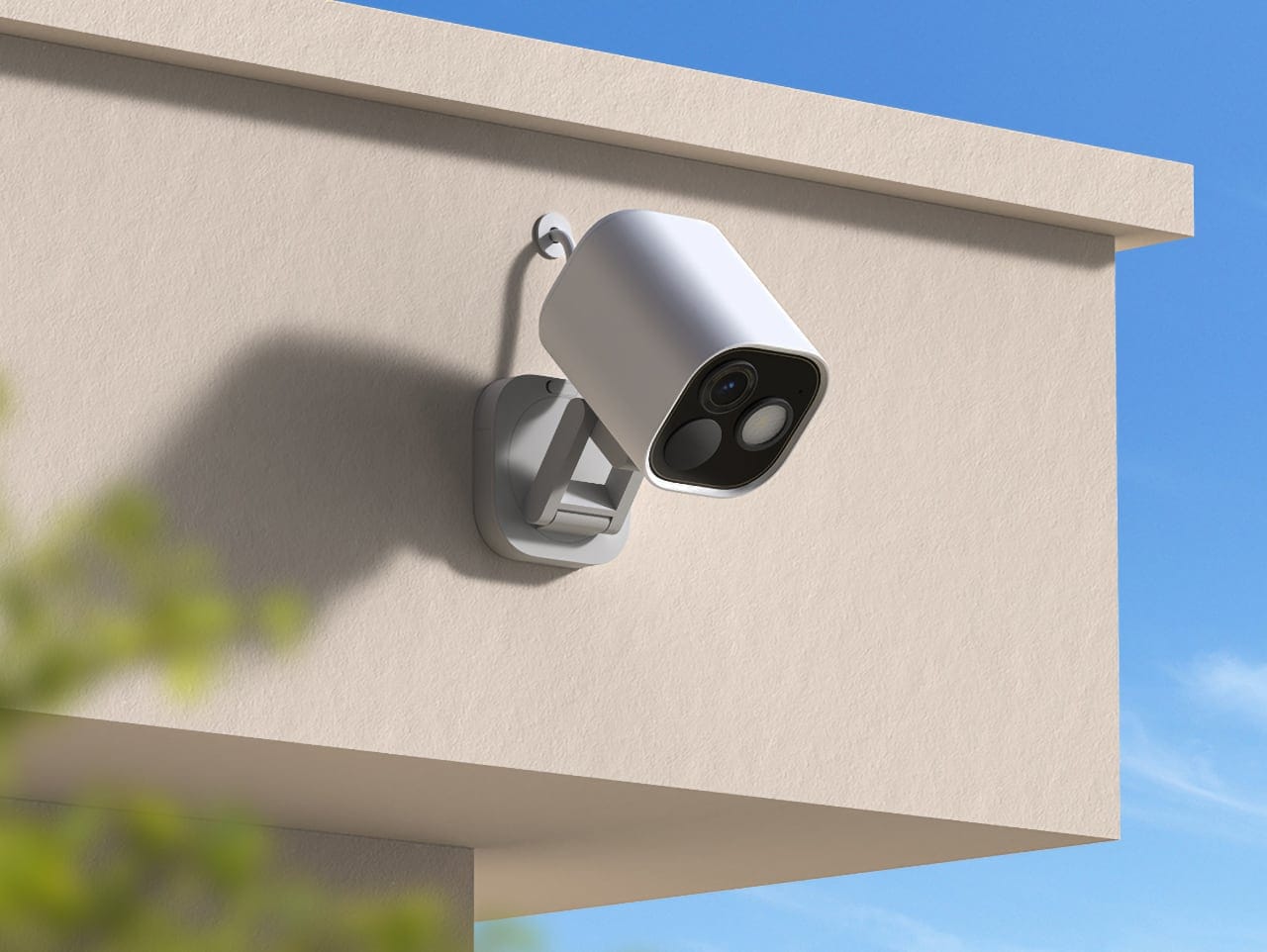
The Matter smart home standard has finally caught up with one of the most important device categories: cameras. With Matter 1.5, the Connectivity Standards Alliance (CSA) has added native support for security cameras, video doorbells and similar devices, using WebRTC for live audio and video streaming.
Aqara, one of the more active brands in the Matter space, has now outlined its Matter camera roadmap on its official forum. That post gives a useful look at how Matter cameras will work in practice and what existing Aqara users should expect.
Quick recap: what’s new in Matter 1.5 for cameras?
Matter 1.5 adds a dedicated camera device type and related clusters, so manufacturers can certify cameras that work across Matter ecosystems without custom APIs or proprietary integrations. In practice, that means:
- Live video & audio streaming via WebRTC, including two-way talk
- Local and remote access, using standard STUN/TURN methods for remote connections
- Support for multi-stream setups, pan-tilt-zoom (PTZ) controls and detection/privacy zones
- Flexible storage options, with recordings stored locally (e.g. NAS, SD card) or in the cloud, depending on the platform
Importantly, Matter itself doesn’t standardise cloud video storage. That part is left to each manufacturer or ecosystem. If you rely heavily on a brand’s cloud recording service, Matter becomes more about interoperability and local control than replacing that subscription.
Aqara’s Matter camera roadmap: what they’ve said
In its forum post, Aqara confirms that it’s committed to Matter cameras after the release of the 1.5 spec and outlines how it plans to roll support out.
1. New Aqara cameras get Matter first
Aqara says the first priority is integrating Matter 1.5 into new camera models. The company hasn’t named the first Matter-ready camera yet, but it clearly wants to launch something built to the new spec rather than patching it into legacy hardware straight away.
Because Matter 1.5 uses WebRTC for video streaming, Aqara points out that its cameras are already using this technology internally, which should shorten development time for Matter support.
2. Existing Aqara cameras: case-by-case upgrades
Legacy models are not being abandoned, but Aqara is managing expectations. The plan is to evaluate older cameras for Matter compatibility only after the new model’s Matter implementation is stable.
There is a catch:
- Some current cameras already push their hardware quite hard to support HomeKit, including features like iCloud recording.
- If a camera doesn’t have enough memory headroom to run both HomeKit and Matter at the same time, Aqara may be forced to support only one of the two on that model.
The company’s stated goal is to keep HomeKit and Matter working together in the same device where possible, but it won’t promise this until it has verified each product’s hardware limits.
3. No hard list of supported models… yet
If you’re hoping for a neat table of “G3, G4, G5: yes/no” you’ll be disappointed for now. Aqara hasn’t published:
- A list of which current cameras will be upgraded, or
- Any concrete timelines for firmware updates.
Users on the forum are already asking specifically about devices like the Hub G3 and G4 Video Doorbell, but Aqara is not committing publicly to individual SKUs at this stage.
How Aqara Matter cameras will actually work
Beyond the marketing, Aqara’s post gives a fairly practical picture of how Matter cameras are meant to behave in the real world.
Local access vs remote access
Aqara explains that if you only want to use a Matter camera on your local network, you simply need:
- A Matter camera, and
- A Matter-compatible app that supports cameras.
For remote access, you’ll also need a Matter controller produced by the ecosystem whose app you’re using (similar in concept to a Home Hub for HomeKit). That controller handles secure remote access, but it operates separately from any vendor cloud storage.
Cloud storage stays outside the Matter spec
Aqara is very explicit here: cloud video storage is not part of Matter’s standard. Matter is designed as a decentralised, cloud-independent protocol that prioritises local control and privacy.
So:
- If you mainly use Aqara’s own cloud storage or iCloud Secure Video today, Matter won’t suddenly replace those services.
- Matter is most valuable if you want your camera to work across multiple ecosystems (for example, your camera in one app, automations in another) or to keep more of your setup running locally without cloud lock-in.
HomeKit vs Matter: why some Aqara cameras might have to choose
One of the most interesting details in Aqara’s statement is the explanation of hardware constraints.
To support HomeKit with things like secure local processing, encrypted streams and iCloud recording, Aqara already uses a big chunk of the available RAM on some models. Adding Matter on top of that isn’t free.
Aqara’s position:
- Ideal scenario: one camera that supports both HomeKit and Matter at the same time.
- Reality: If the hardware doesn’t have enough memory for both stacks, Aqara might only be able to keep one (HomeKit or Matter) active on that particular device.
That’s why the company is being cautious about promising upgrades for older cameras, and why it’s focusing on new Matter-first models.
What this means if you’re using Aqara cameras today
Putting it all together, here’s the practical takeaway from Aqara’s Matter camera plan.
1. Buying a new camera in 2026?
If you’re planning to add new cameras next year:
- Expect Aqara to launch at least one new Matter 1.5-ready camera, likely with WebRTC-based streaming and tighter integration into major Matter ecosystems.
- If Matter support matters more than anything else, it’s worth waiting for Aqara to formally announce that new model and its features instead of guessing based on current hardware.
2. Already own Aqara cameras?
If you already have Aqara cameras in your setup:
- Don’t assume automatic Matter 1.5 support. Aqara will test existing models first and may skip some if the hardware is too limited.
- If you rely on iCloud or Aqara cloud recordings, Matter will mainly add interoperability and local control, not replace those recording services.
- If Matter support ends up requiring you to pick between HomeKit and Matter on a particular device, that choice may depend on where most of your smart home already lives.
3. Matter controllers and hubs
Users are already asking whether devices like the Aqara Hub M3 will need firmware updates to support Matter 1.5 for cameras. Aqara hasn’t given a specific answer yet, but any Matter controller that wants to handle cameras will need to be updated to the latest spec. Forum users have also requested that Matter and Thread version numbers be visible inside the Aqara app, which would be a very welcome transparency move.
The bottom line
Matter 1.5 finally solves one of the biggest gaps in the standard by adding proper camera support, and Aqara is clearly planning to be early in that wave. The brand is starting with new Matter-ready cameras, then deciding which existing models can realistically be upgraded without breaking HomeKit, cloud services or hardware limits.
For anyone invested in Aqara’s ecosystem, the message is simple: don’t panic, but don’t assume every current camera is future-proof either. The smart move now is to wait for Aqara’s first officially announced Matter camera and watch how the upgrade story plays out for older devices.
FAQs: Matter 1.5 cameras and Aqara
What is a Matter camera?
A Matter camera is a smart camera certified under Matter 1.5, using WebRTC for encrypted live video and audio streaming. It can integrate with multiple Matter ecosystems without proprietary APIs or brand-specific bridges.
Will my existing Aqara camera get a Matter update?
Maybe, but not guaranteed. Aqara will prioritise new hardware and then evaluate legacy models. If a camera’s hardware is too constrained, it may never receive full Matter support, or it may have to choose between HomeKit and Matter.
Do I need cloud storage to use a Matter camera?
No. Matter is designed as a local, decentralised standard. Cloud storage is entirely optional and handled by each manufacturer or ecosystem, not by Matter itself. If you want cloud recordings, you’ll still use each platform’s own service or a third-party recorder.
Will Matter replace HomeKit, Google Home or other ecosystems?
No. Matter is a common language that different ecosystems speak. You’ll still use apps like Apple Home, SmartThings or others as your main interface, but Matter cameras should be easier to share across them without vendor lock-in.
Written by

Subscribe to our newsletter
Subscribe to our newsletter to get the latest updates and news







Member discussion