
MacBook Pro OLED Touchscreen Coming 2026 With Dynamic Island
Apple breaks its touchscreen Mac ban with late 2026 OLED MacBook Pro featuring Dynamic Island and M6 chips. macOS gets its biggest redesign ever for touch input, ending the company's decade-long resistance to finger-friendly laptops.

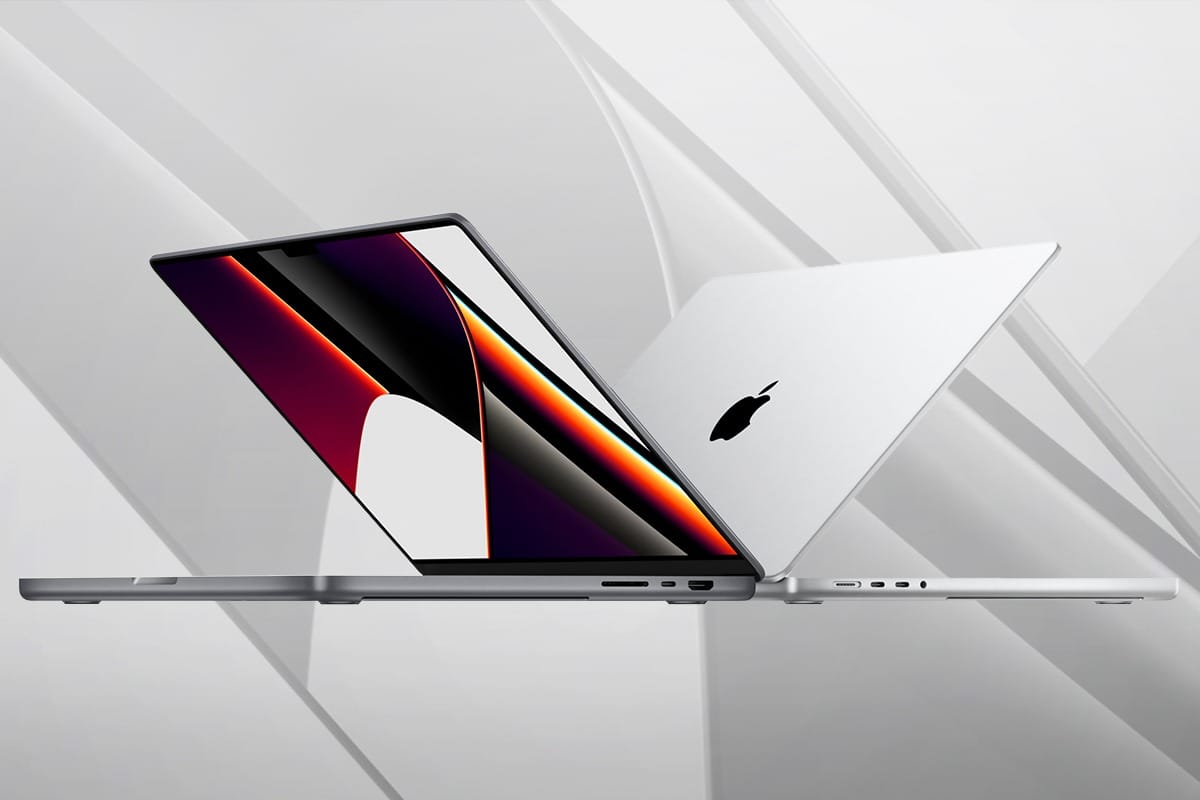
Apple's touchscreen OLED MacBook Pro is coming late 2026, according to Bloomberg's report. The long-rumoured laptop will feature the iPhone's Dynamic Island, M6 chips, and the first touch-friendly macOS redesign in the Mac's history — ending Apple's decade-long resistance to touchscreen laptops.
What makes the OLED MacBook Pro different?
The OLED MacBook Pro will replace the notch with a Dynamic Island that functions like the iPhone version. According to Bloomberg, the Dynamic Island will expand contextually based on the app or feature in use, providing more screen real estate for content.
macOS is receiving its most significant interface overhaul to support touch input. When you tap menu bar items, larger touch-optimised controls will appear. The system will adapt between mouse and touch inputs seamlessly — tap for touch controls, click for traditional mouse controls.
Users have been asking for a touchscreen-enabled MacBook for years, so this development represents a major shift. However, macOS as it currently exists doesn't seem touch-friendly because it was never designed to be. Based on our experience with iPad Pro M5 interfaces, we can expect Apple to implement larger touch targets and gesture-based navigation similar to iPadOS 26.
OLED display and M6 chip performance
The OLED display brings superior contrast ratios, deeper blacks, and better power efficiency compared to current Mini-LED panels. Battery life should improve marginally because OLED is very efficient to run — each pixel generates its own light, eliminating the need for backlighting.
Apple will power these models with M6 Pro and M6 Max chips, built on a new 2-nanometer process. This represents a significant jump from the current M5 MacBook Pro models, promising better performance per watt and enhanced AI capabilities.
The hole-punch camera design eliminates the controversial notch while maintaining Face ID functionality. This approach provides more usable screen space and aligns with iPhone design language introduced in recent models.
Touch gestures and interface changes
Apple plans to integrate iPad features like pinch-to-zoom gestures and fast scrolling throughout macOS. The system will support touch gestures on the display for the first time in Mac history, despite Apple's previous insistence that touch-based technology didn't belong on Macs.
The company won't position the MacBook Pro as a touch-first device like the iPad. Instead, users can interchange touch and mouse gestures for all functions. This hybrid approach addresses concerns about 'Gorilla Arm Syndrome' — the fatigue from repeatedly reaching up to touch a vertical screen.
From Apple's track record with interface transitions, we expect the touch implementation to be refined but potentially divisive among long-time Mac users who prefer traditional input methods.
Design and size options
The OLED MacBook Pro will retain the current design language with a potentially slimmed-down chassis. Apple won't remove the keyboard or trackpad, maintaining the traditional laptop form factor that differentiates it from tablets.
Both 14-inch and 16-inch models are planned, keeping the current size options. The company learned from the Touch Bar's failure — users want additional functionality, not replacement of existing interfaces.
Apple plans two MacBook Pro refreshes in 2026: M5 models arriving spring 2026, followed by the OLED variants with M6 chips toward year-end. This staggered approach allows the company to test market reception before fully committing to the touchscreen transition.
Historical context and market implications
This represents a complete reversal of Apple's touchscreen Mac position. Steve Jobs famously dismissed touchscreen laptops, citing ergonomic issues. The failed Touch Bar experiment in 2016-2021 reinforced Apple's hesitation about touch interfaces on Macs.
The timing suggests Apple recognises the success of Windows touch-enabled laptops and Surface devices. In our assessment, this move positions Apple to compete with premium Windows alternatives that already offer OLED touchscreens.
For UAE buyers, this could significantly impact the premium laptop market. Current M5 MacBook Pro models already dominate the high-end segment locally. Adding touchscreen functionality may further solidify Apple's position against Windows competitors.
Should you wait for the OLED MacBook Pro?
The late 2026 launch timeline means waiting nearly two years from current M5 models. For most users, the current MacBook Pro lineup offers excellent performance and will receive years of macOS updates.
Creative professionals and power users who value touchscreen input should consider waiting. The combination of OLED display quality, M6 performance, and touch functionality could justify the extended timeline.
We don't see any potential dealbreakers except the touch UI implementation and performance. Apple's execution of the touch-friendly macOS interface will determine whether this becomes a compelling upgrade or another Touch Bar-style experiment.
Frequently Asked Questions
Will the new MacBook Pro have a touchscreen?
Yes, according to Bloomberg's report, the OLED MacBook Pro will feature a touchscreen display with support for touch gestures throughout macOS, expected to launch in late 2026.
What is the Dynamic Island on the MacBook Pro?
The Dynamic Island will replace the notch on the MacBook Pro, functioning interactively like the iPhone version. It will expand contextually based on the app or feature in use, providing more screen space.
When will the OLED MacBook Pro be released?
The OLED MacBook Pro models are expected to launch toward the end of 2026, following the M5 MacBook Pro refresh planned for spring 2026.
Will the touchscreen MacBook Pro replace the current models?
No, Apple plans two MacBook Pro refreshes in 2026. The M5 models arrive first in spring, followed by OLED touchscreen variants later in the year with M6 chips.
How will touch work with macOS?
macOS will adapt controls based on input method. Tapping menu items will show larger touch-optimised controls, while mouse clicks maintain traditional interfaces. iPad gestures like pinch-to-zoom will be supported.
Written by

Subscribe to our newsletter
Subscribe to our newsletter to get the latest updates and news













Member discussion