
Lenovo Mirage Solo VR Headset Drops to AED 299
Sharaf DG slashes the Lenovo Mirage Solo VR headset to AED 299 from AED 899. This standalone headset needs no PC or phone, making it ideal for healthcare training and simulation work at an unbeatable price point.

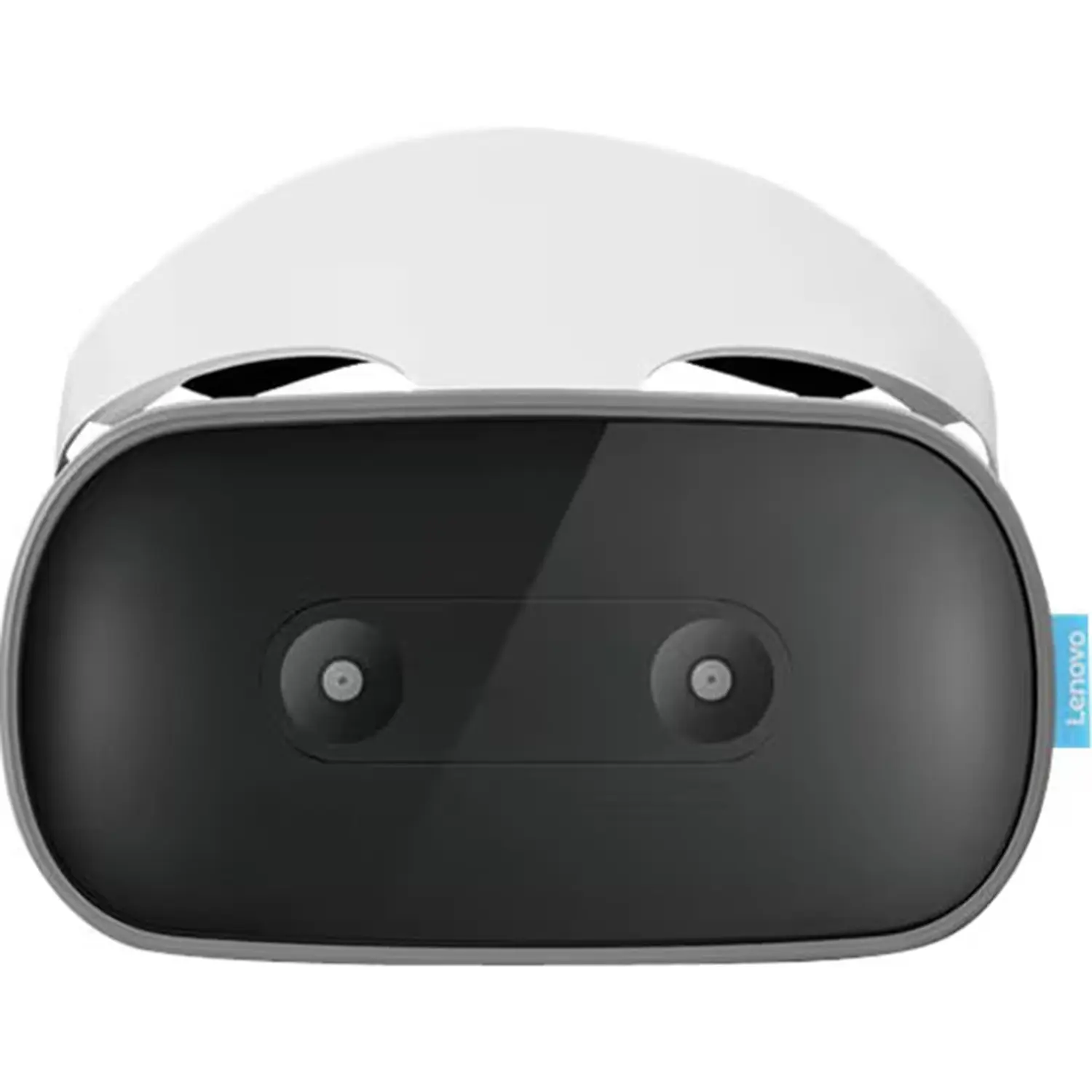
The Lenovo Mirage Solo VR Headset is now available at Sharaf DG for AED 299, down from its original price of AED 899 — a saving of AED 600, or 67% off. This standalone VR headset powered by Google WorldSense tracking offers a cable-free, sensor-free virtual reality experience at a price point that is difficult to overlook.
Originally positioned for professional and healthcare environments, the Mirage Solo is designed for training simulations, patient care applications, and clinical education scenarios. Its standalone form factor — requiring no PC, phone, or external sensors — makes it a practical option for organisations and developers looking to explore VR deployment without significant infrastructure investment. At AED 299, it also becomes a compelling entry-level option for VR enthusiasts curious about standalone headsets.
Key specs at a glance
- Google WorldSense tracking — inside-out positional tracking with no external sensors or tethered device required
- Standalone operation — fully self-contained headset with built-in processing, no smartphone or PC needed
- Healthcare-oriented design — purpose-built for care, training, and simulation use cases
- Easy setup — minimal configuration required, reducing deployment time in professional settings
- Sub-AED 300 price point — one of the most affordable standalone VR headsets currently available in the UAE market
What to keep in mind
The Lenovo Mirage Solo runs on a Daydream-based platform, which Google officially discontinued in 2019. This means the content ecosystem is limited compared to modern standalone headsets such as the Meta Quest series, and ongoing software support should not be expected. Buyers should approach this as a dedicated-use device — well suited to specific professional applications or developers working with existing Daydream content — rather than a general-purpose VR entertainment headset.
Should you buy it?
At AED 299, the Lenovo Mirage Solo represents strong value for healthcare professionals, training coordinators, or simulation developers who need a standalone VR device for controlled-use scenarios. It is less suited to consumers seeking a broad entertainment VR experience. If your use case aligns with its professional design intent, this is a well-priced opportunity to acquire capable standalone VR hardware at a fraction of its original cost.
Written by

Subscribe to our newsletter
Subscribe to our newsletter to get the latest updates and news






Member discussion