
Gaming handhelds hit hard as memory shortage drives prices through the roof
Gaming handhelds face dramatic price hikes as AI data centers consume 70% of global memory supply. The Legion Go 2 reportedly jumped from $799 to $1,449, while UAE gamers stockpile current devices before costs rise further.

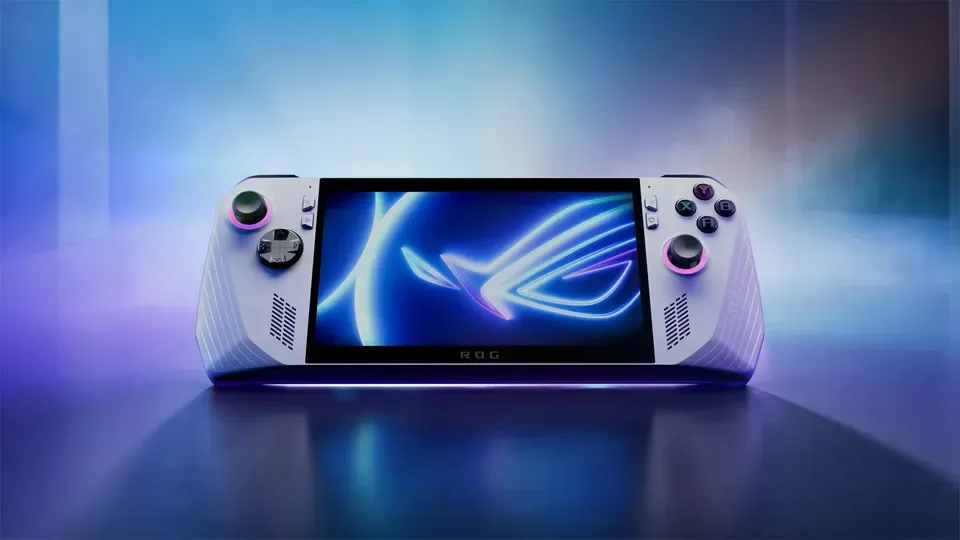
The global memory crisis known as 'RAMageddon' has reportedly driven the Lenovo Legion Go 2's price from $799 to $1,449 — a staggering $650 increase, according to industry tracking. AI data centers now consume up to 70% of global DDR5 and DRAM supply, causing memory prices to surge over 100% and forcing gaming handheld manufacturers to either cut specifications or dramatically increase costs.
Key Takeaways
- AI data centers now consume 70% of global DDR5/DRAM supply, causing widespread shortages.
- The Lenovo Legion Go 2 reportedly increased from $799 to $1,449 — a $650 jump.
- DDR5 RAM prices have surged over 100%, with 32GB kits costing an additional $350.
- UAE gamers face 8-10% higher costs due to import duties and logistical challenges.
- The memory shortage is expected to persist through 2027-2028.
What is RAMageddon?
RAMageddon refers to the global shortage of DDR5 and DRAM memory chips that began accelerating in late 2025. According to TrendForce, DDR5 prices are expected to rise 90-95% in Q1 2026 alone, with some configurations seeing increases of up to 600%.
The crisis stems from unprecedented demand from AI data centers, which require massive amounts of high-performance memory to run large language models and machine learning workloads. Major manufacturers like Micron, SK Hynix, and Samsung — who collectively control 95% of global DRAM supply — have prioritised AI memory production over consumer electronics.
For context, 32GB DDR5 kits that previously cost $87 now run upwards of $484, representing a 450% increase. This additional $350+ cost is being passed directly to consumers through higher device prices or reduced specifications.
Gaming handhelds hit hardest
Gaming handhelds face particular vulnerability because they compete directly with laptops and tablets for the same memory chips. According to multiple industry reports, devices like the Steam Deck and Xbox handheld have experienced stockouts, delays, or outright cancellations.
Valve has reportedly delayed its next-generation Steam Machine to H1 2026, while several manufacturers are shipping handhelds with reduced RAM configurations to maintain target price points. The trend mirrors broader smartphone trends, where midrange devices are either raising prices by 8% or shipping with less memory.
Memory now represents 35% of PC build costs, up from the traditional 15-18%, according to HP. This shift fundamentally alters the economics of portable gaming devices, which already operate on thin margins.
Legion Go 2 price shock
While Lenovo has not officially confirmed the Legion Go 2's pricing, the reported $799 to $1,449 price range aligns with broader industry trends. The increase would bring the device's UAE price to approximately AED 5,320, compared to the original Legion Go's current retail price of around AED 2,932 at local retailers like Sharaf DG.
The price surge reflects the reality that 32GB DDR5 configurations — essential for AAA gaming on handhelds — now cost manufacturers an additional $350 compared to 2024 levels. Some manufacturers are responding by capping devices at 16GB or 12GB to maintain competitive pricing, though this compromises gaming performance.
Industry sources suggest the Legion Go 2 was originally planned with upgraded specifications, including faster DDR5 and potentially more storage, but the memory crisis has forced a complete re-evaluation of the product's positioning.
UAE gaming market impact
UAE gamers face higher costs due to import duties and logistical challenges, which could raise midrange handheld prices by an additional 8-10%. This threatens the region's rapidly growing esports scene, including popular PUBG Mobile tournaments and the emerging FC Barcelona Esports presence in the Middle East.
Local retailers report that gaming enthusiasts are stockpiling current-generation handhelds before prices rise further. Virgin Megastore and Geekay Games have seen increased demand for existing Steam Deck OLED units (approximately AED 2,200) and ASUS ROG Ally devices (around AED 2,500).
The timing is particularly challenging for the UAE's gaming ecosystem, which has been expanding through government support for esports initiatives and the upcoming Dubai gaming events calendar. Higher hardware costs could slow adoption among younger gamers, who are the core audience for handheld gaming.
Should you buy now or wait?
Industry analysts suggest that consumers with immediate gaming needs should consider purchasing current stock, as waiting risks further price increases, delays, or downgraded specifications. The memory shortage is expected to persist through 2027-2028, according to IDC projections and statements from Intel's CEO.
Current alternatives include the Steam Deck OLED (if restocked at around AED 2,200), ASUS ROG Ally (approximately AED 2,500), or exploring cloud gaming services like GeForce Now to circumvent hardware limitations entirely. For UAE users, cloud gaming offers the additional benefit of avoiding import-related price premiums.
However, those willing to wait might benefit from potential market corrections if the AI bubble shows signs of slowing, which could reduce data center memory demand. Some analysts point to early signs of innovation pivots at companies like Micron and Google as potential indicators of shifting priorities.
Frequently Asked Questions
What is RAMageddon?
RAMageddon is the global shortage of DDR5 and DRAM memory chips caused by AI data centers consuming 70% of supply. This has driven memory prices up 90-600% and is forcing gaming device manufacturers to increase prices or reduce specifications.
Has the Lenovo Legion Go 2 price increase been confirmed?
Lenovo has not officially confirmed the Legion Go 2 pricing. The reported $650 increase from $799 to $1,449 comes from industry tracking and aligns with broader memory shortage trends affecting the gaming industry.
Should I buy a gaming handheld now or wait?
If you need a handheld immediately, consider buying current stock as prices are expected to rise further. The memory shortage is projected to last through 2027-2028, making waiting risky for those wanting specific configurations.
How much more will gaming handhelds cost in the UAE?
UAE gamers face 8-10% additional costs due to import duties and logistics on top of global price increases. This could push midrange handhelds from current AED 2,500 levels to over AED 5,000 for next-generation devices.
What alternatives exist to expensive gaming handhelds?
Current options include Steam Deck OLED (AED 2,200), ASUS ROG Ally (AED 2,500), or cloud gaming services like GeForce Now. Cloud gaming avoids hardware costs entirely while providing access to demanding games.
Written by

Subscribe to our newsletter
Subscribe to our newsletter to get the latest updates and news










Member discussion