
Jensen Huang calls DLSS 5 critics 'completely wrong'
Nvidia's CEO fired back at industry critics who slammed DLSS 5 for changing game visuals with AI. Jensen Huang insists developers keep full artistic control, but the backlash shows many aren't convinced by the controversial neural rendering tech.

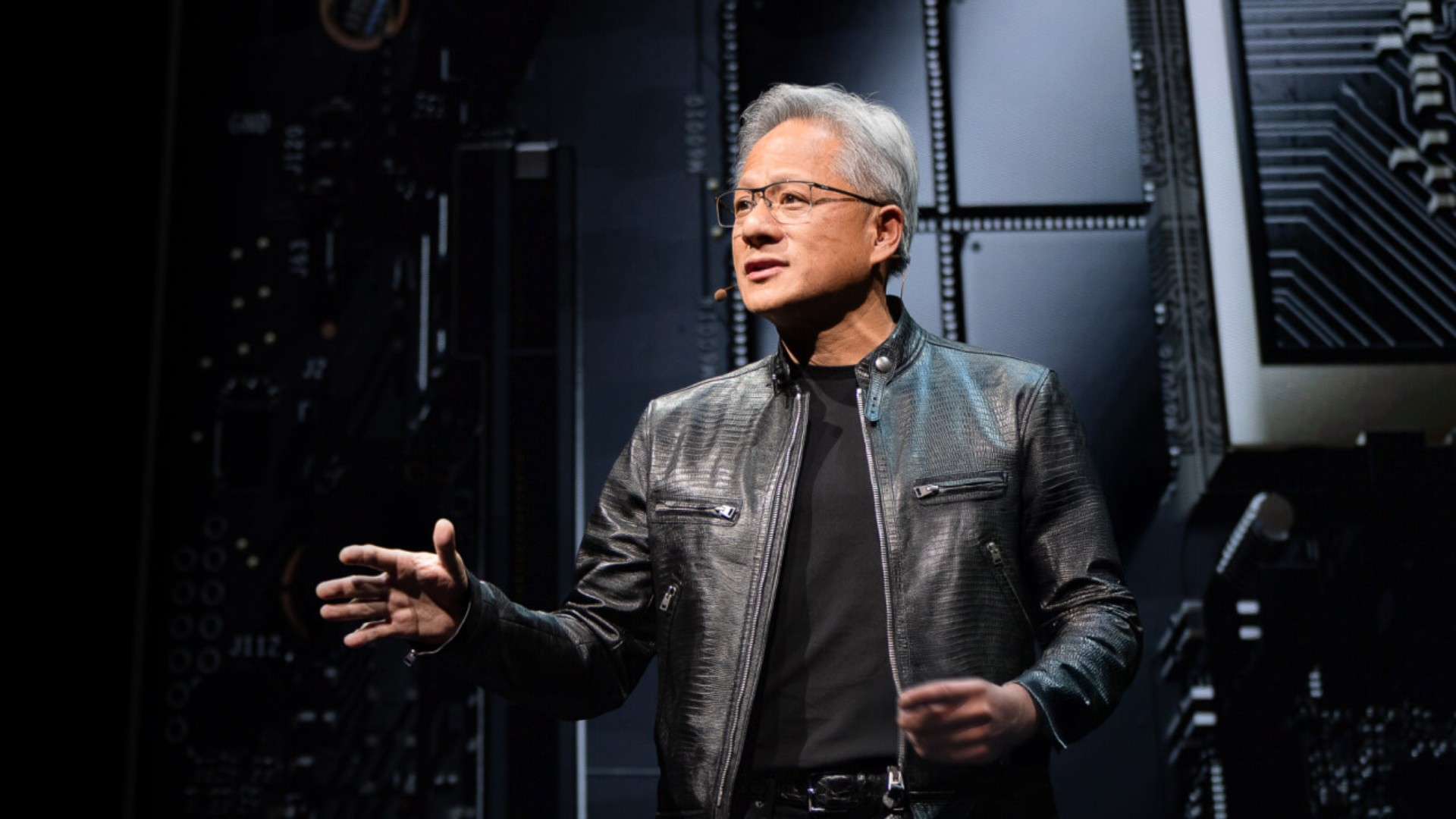
Nvidia CEO Jensen Huang has dismissed widespread criticism of DLSS 5 as 'completely wrong', defending the controversial AI technology that alters game visuals. According to VGC reporting on Nvidia's announcement and Q&A, Huang claimed developers retain full artistic control over the system that adds what Nvidia calls 'photoreal lighting and materials' to games.
What sparked the DLSS 5 controversy?
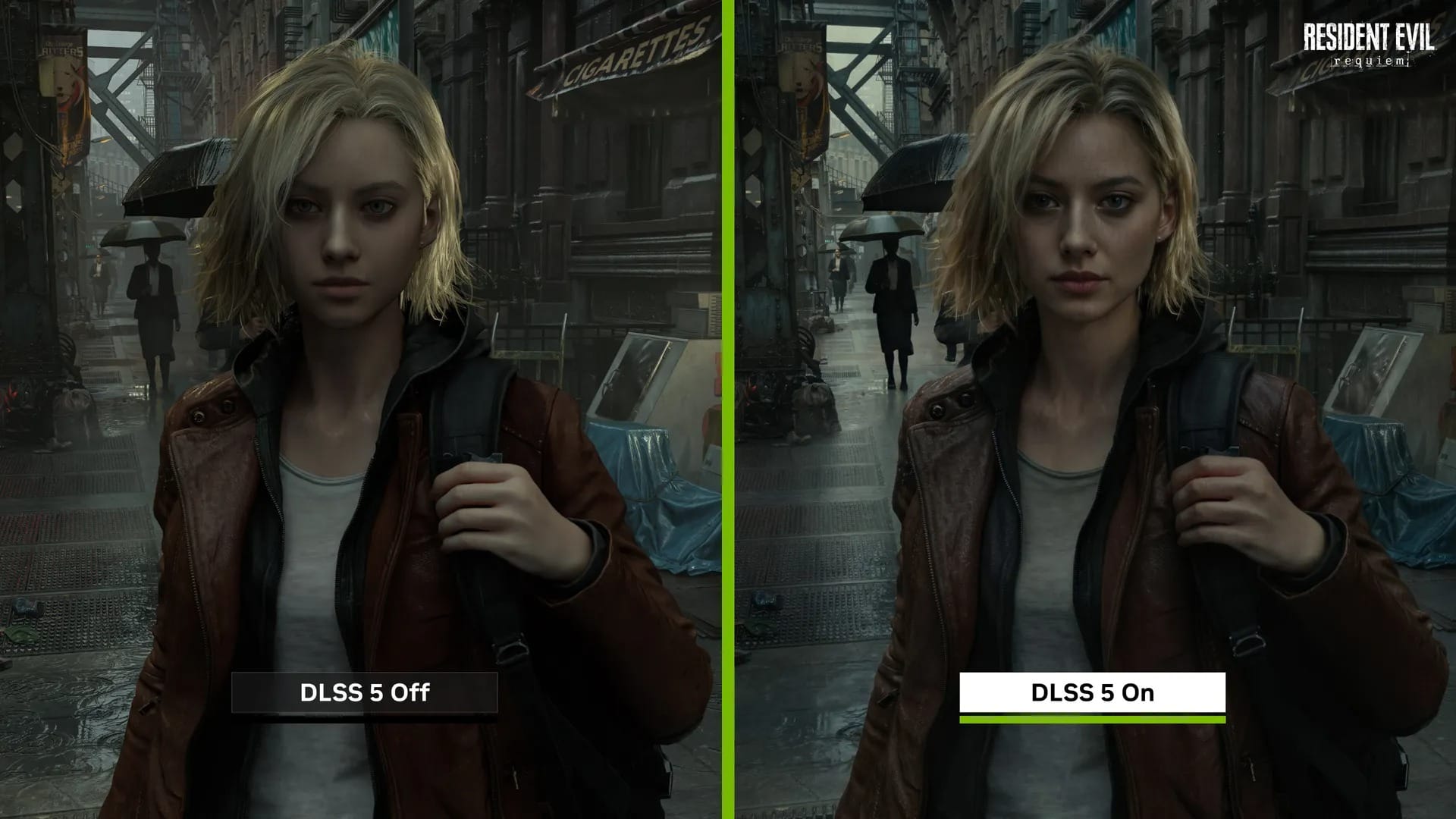
DLSS 5 represents a significant departure from previous iterations of Nvidia's upscaling technology. Instead of improving resolution or frame rates, DLSS 5 uses AI to fundamentally alter how games look, adding what Nvidia describes as photoreal lighting and materials to existing content.
The technology drew immediate backlash from players and industry professionals who argued it drastically changes the original artistic vision of games. Steve Karolewics, a rendering engineer at Respawn Entertainment, criticised the technology on social media, stating: 'DLSS 5 looks like an overbearing contrast, sharpness, and airbrush filter. Remarkably different frames with the rationale of photo-real lighting? Nah, I think I'll stick with the original artistic intent.'
Huang defends developer control
'Well, first of all, they're completely wrong,' Huang said during a press Q&A at GTC 2026, according to Tom's Hardware. 'The reason for that is because, as I have explained very carefully, DLSS 5 fuses controllability of the geometry and textures and everything about the game with generative AI.'
The Nvidia CEO emphasised that developers can 'fine-tune the generative AI' to match their game's visual style. He argued that DLSS 5 adds generative capability to existing game geometry but 'doesn't change the artistic control.'
'It's not post-processing, it's not post-processing at the frame level, it's generative control at the geometry level,' Huang explained. 'All of that is in the control — direct control — of the game developer. This is very different than generative AI; it's content-control generative AI. That's why we call it neural rendering.'
What this means for games
The timing of this controversy comes as Nvidia faces supply constraints and driver performance issues with its RTX cards. DLSS 5 represents Nvidia's most ambitious attempt yet to differentiate its graphics cards through AI-powered features.
Nvidia's announcement video showcased DLSS 5 dramatically altering the appearance of characters and environments in high-profile games including Resident Evil Requiem, Starfield, and Assassin's Creed Shadows. For many observers, these demonstrations highlighted exactly what critics feared — fundamental changes to how games are meant to look.
The company addressed concerns directly in YouTube comments, stating: 'Important to note with this technology advance – game developers have full, detailed artistic control over DLSS 5's effects to ensure they maintain their game's unique aesthetic. The SDK includes things like intensity, color grading and masking off places where the effect shouldn't be applied.'
Industry implications
The DLSS 5 debate highlights a broader tension in gaming between technological advancement and artistic integrity. Unlike traditional upscaling techniques that preserve the original image while improving quality, DLSS 5 fundamentally reinterprets game visuals using AI models trained on photographic data.
This approach could split the gaming community between those who prefer enhanced visual fidelity and those who value original artistic intent. For UAE gamers with Nvidia graphics cards, the technology will be optional but could become a selling point for future game releases.
The controversy also raises questions about who ultimately controls the visual experience in games — developers, hardware manufacturers, or players themselves. As AI becomes more prevalent in graphics rendering, these debates are likely to intensify.
Frequently Asked Questions
What is Nvidia DLSS 5?
DLSS 5 is an AI model that alters game visuals to add 'photoreal lighting and materials' to supported games running on Nvidia graphics cards, unlike previous DLSS versions that focused on upscaling.
Why is DLSS 5 controversial?
Critics argue DLSS 5 drastically alters the original art direction of games, with some developers calling it an 'overbearing contrast, sharpness, and airbrush filter' that changes artistic intent.
How did Nvidia respond to DLSS 5 criticism?
CEO Jensen Huang called criticism 'completely wrong', claiming developers have full artistic control through tools like intensity settings, colour grading, and masking controls in the SDK.
When will DLSS 5 be available?
DLSS 5 is expected to launch this autumn for Nvidia RTX graphics card owners, with support in games like Resident Evil Requiem, Starfield, and Assassin's Creed Shadows.
How does DLSS 5 differ from previous versions?
Unlike DLSS 1-4 which improved resolution and frame rates, DLSS 5 uses AI to fundamentally alter game visuals with what Nvidia calls 'generative control at the geometry level'.
Written by

Subscribe to our newsletter
Subscribe to our newsletter to get the latest updates and news












Member discussion