
Jensen Huang backtracks on DLSS 5 after gamer fury
Nvidia's CEO admits he was wrong to dismiss DLSS 5 critics, now says he understands concerns about "AI slop" after backlash over tech that altered Resident Evil character without developer approval.

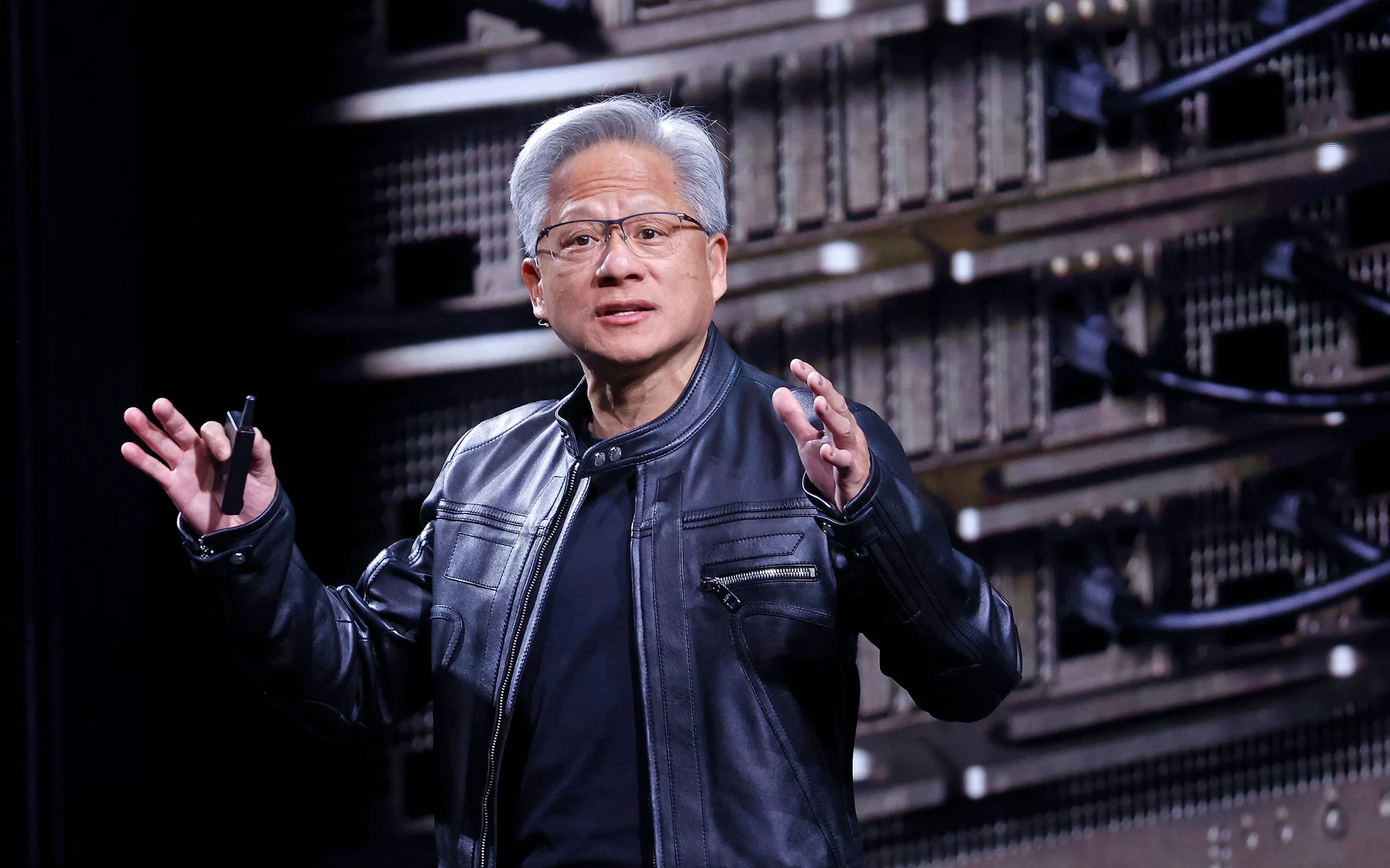
Nvidia CEO Jensen Huang has softened his stance on DLSS 5 criticism after initially dismissing gamers as 'completely wrong', as reported by Notebookcheck. Speaking on the Lex Fridman podcast, Huang acknowledged concerns about 'AI slop' and said he understands where critics are coming from. The backtrack comes after widespread backlash following the DLSS 5 showcase at GTC 2026, where the technology altered a Resident Evil Requiem character without developer consultation.
Key Takeaways
- Jensen Huang initially dismissed DLSS 5 critics as 'completely wrong' but now says he understands their concerns about AI-generated content.
- The Nvidia CEO acknowledged the 'AI slop' problem, where AI-generated content looks increasingly similar and artificial.
- DLSS 5 will be a developer tool integrated into game development, not a post-processing filter applied after release.
- Capcom stated it won't use generative AI for final in-game assets after the controversial Resident Evil Requiem showcase.
- DLSS 5 launches later this year with RTX 50-series graphics cards.
What Jensen Huang said about DLSS 5 backlash
According to the Lex Fridman podcast interview, Huang admitted he now empathises with gamers' concerns. 'I think their perspective makes sense, and I can see where they're coming from because I don't love AI slop myself,' the Nvidia CEO said. He added that AI-generated content increasingly looks similar despite being technically beautiful, making him sympathetic to critics' viewpoints.
This marks a significant shift from Huang's initial response to DLSS 5 criticism. Following the GTC 2026 demonstration, he had dismissed gamers and industry critics as being 'completely wrong' about the technology's impact on gaming.
The controversy stems from an early DLSS 5 showcase featuring Grace Ashcroft from Resident Evil Requiem. The character appeared with smoother skin, sharper facial features, and what many described as an 'uncanny' AI-generated look that resembles internet 'AI slop'.
DLSS 5 as a developer tool, not post-processing filter
Despite acknowledging critics' concerns, Huang defended DLSS 5's intended implementation. According to the interview, the technology won't be applied as a post-processing filter after games ship. Instead, it's designed to integrate into the development process, giving artists and developers full control.
'It's about giving the artist the tool of AI, the tool of generative AI. They could decide not to use it,' Huang explained. Nvidia positions the technology as a way to improve lighting and details while preserving developers' original artistic vision.
However, the early showcase that altered Resident Evil Requiem's Grace Ashcroft suggests implementation challenges. Even Capcom's artists weren't consulted before the demonstration, raising questions about how developer control will work in practice.
Capcom takes stance against generative AI
Following the controversial DLSS 5 demonstration, Capcom stated it will not use generative AI for final in-game asset models, artwork, or textures. The company's position reflects broader industry concerns about AI's role in game development and artistic integrity.
The Resident Evil Requiem showcase highlighted these concerns when the technology altered character Grace Ashcroft without developer input. The result sparked debate about whether such changes respect developers' creative vision, even when technically impressive.
Capcom's stance suggests major publishers are taking a cautious approach to generative AI implementation, prioritising creative control over technological advancement.
Frequently Asked Questions
What did Jensen Huang say about DLSS 5 initially?
Initially, after the DLSS 5 showcase at GTC 2026, Nvidia CEO Jensen Huang dismissed gamers and critics, calling them 'completely wrong' about the technology's impact on gaming.
Why are gamers concerned about DLSS 5?
Gamers worry that DLSS 5's generative AI could create 'AI slop' - artificially uniform content that alters developers' original artistic vision, as seen with the Grace Ashcroft character changes in Resident Evil Requiem.
What is Nvidia's current stance on DLSS 5's implementation?
Huang now states DLSS 5 is a creative tool for developers to use during development, allowing them to choose whether to implement it for enhancing lighting and details, rather than being a forced post-processing filter.
When will DLSS 5 launch?
DLSS 5 is scheduled to launch later this year, coinciding with the release of Nvidia's RTX 50-series graphics cards.
What is Capcom's position on generative AI in games?
Following the DLSS 5 controversy, Capcom stated it will not use generative AI for final in-game asset models, artwork, or textures, prioritising creative control over technological advancement.
Written by

Subscribe to our newsletter
Subscribe to our newsletter to get the latest updates and news











Member discussion