
Japanese Studio Asks Job Applicants to Draw Live to Prove They Are Not Using AI
A mid-size Japanese game studio now makes art applicants draw during the interview to prove they’re not using generative AI. Here’s what that says about game jobs, AI art and the future of creative work.

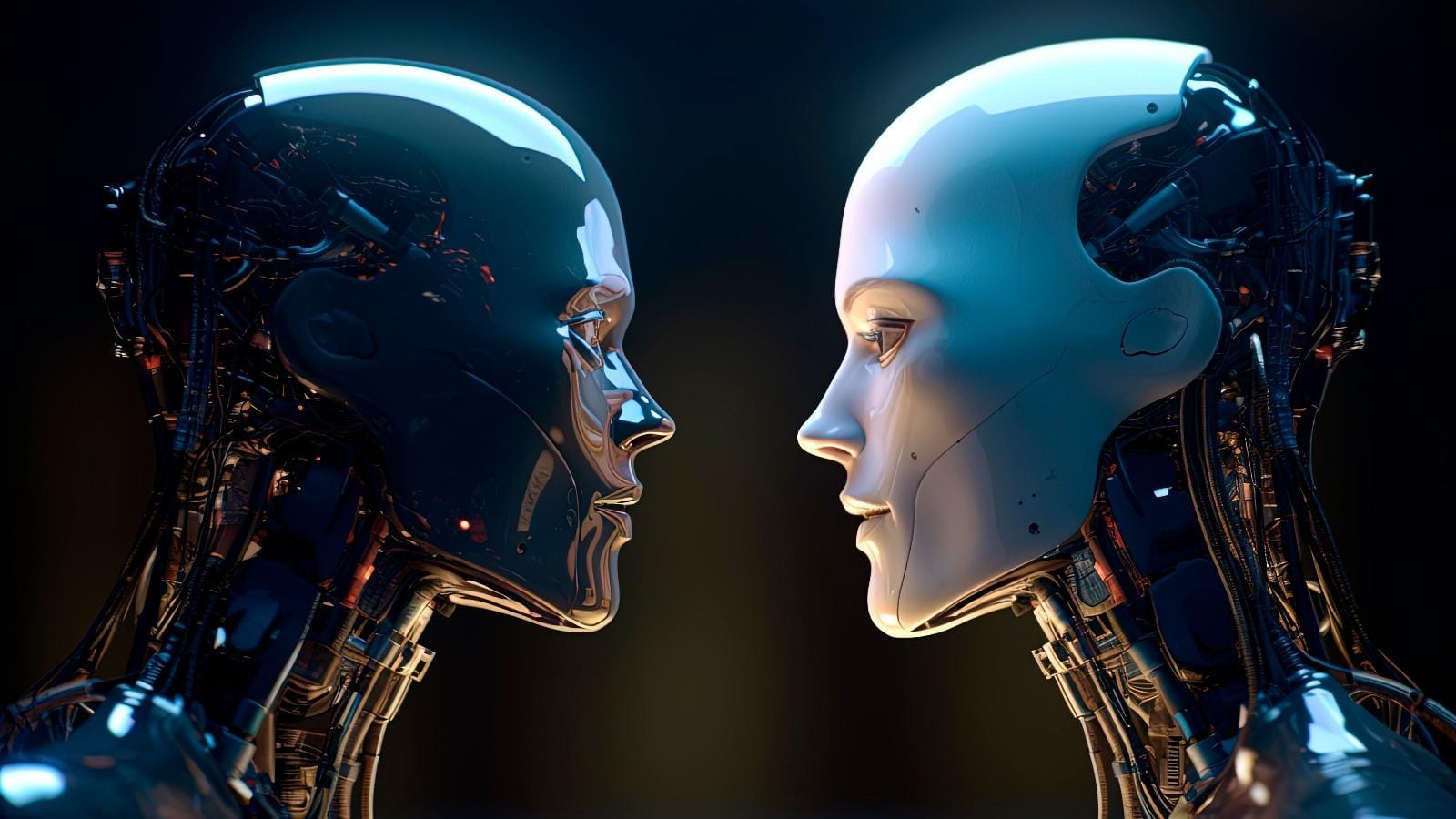
A Japanese game studio has had enough of mystery portfolios that look a bit too polished.
According to a report shared by Japanese outlet Daily Shincho and picked up by VGC, a mid-size game developer now asks art applicants to sit down and draw something, live, during their interview - because they have already hired people who were secretly submitting AI-generated art as their own.
It's the latest sign of how messy GenAI has made hiring.
KEY TAKEAWAYS
- A mid-size Japanese game studio now makes art applicants draw live in the interview to prove their portfolios aren't AI-generated
- The change came after the studio accidentally hired people presenting AI art as their own
- The studio's chief graphic designer says it's a "huge hassle" and feels like going backwards, but claims other companies are doing the same
What’s actually happening at this Japanese game studio?
The short version: no more trust fall with portfolios. You want an art job? You draw on the spot.
- The studio is mid-size and unnamed, with a chief graphic designer identified only as “Mr B”.
- Applicants for art roles used to send portfolios and past work.
- After hiring people whose “work” turned out to be GenAI, the studio rewrote the process.
- Now, candidates must draw something in-person during the interview to prove they can actually create.
The story came out of a wider piece on how generative AI is messing with Japanese businesses, including a 20-year tourism art contest that was cancelled because judges couldn’t tell human-made work from AI output.
From the studio’s side, this is damage control. They’ve already lived through the worst-case scenario: onboarding people, only to realise those slick character sheets came from a prompt box, not skill. So they’ve gone old-school: pencils, live drawing and no safety net.
Why GenAI is breaking trust in art portfolios
This isn’t just about one studio being dramatic. It’s about trust collapsing.
- The designer says there are “many people” claiming AI artwork as their own.
- Some were hired, but couldn’t deliver once they were asked to make real art.
- That led to productivity issues and “several problems” inside the team.
- So the studio now does live tests, even though the recruiter admits it feels like going backwards.
For years, a strong portfolio was the golden ticket. Now, with GenAI tools able to spit out decent concept art in seconds, a portfolio isn’t proof of skill anymore — it’s just proof you can pick nice samples.
We’re seeing the flip side of all that AI hype: studios don’t know who to trust, candidates don’t know how much AI they’re “allowed” to use, and everyone is losing time doing in-person tests that used to be reserved for final rounds, not the basic filter.
If you want a good contrast, look at how UAE projects like Helmetverse celebrate AI-assisted design — letting fans create cycling helmet concepts using prompts — or national programmes like “AI for All” that actively teach creative AI skills. Japan’s anonymous studio is choosing the opposite path for hiring: human hand first, AI second.
Inside the studio’s AI tug-of-war
The most interesting part isn’t the live drawing test. It’s the tension behind it.
- The chief designer openly says he does use generative AI as a supplementary tool at work.
- He still believes only human creators can build “compelling characters and graphics from scratch”.
- Management, meanwhile, is asking things like:
- “Do we even need to hire creators when generative AI is good enough?”
- “Should we be hiring people who are masters at using generative AI?”
- He says he feels his position is weakening as the company leans harder into GenAI.
That’s the real story: one of the people responsible for the studio’s visual identity is basically fighting a political battle inside the company. On one side, there’s a belief in craft and original characters. On the other, there’s the spreadsheet view: AI is cheaper, faster and doesn’t ask for a pay rise.
The irony? The studio’s own policy proves they still need real artists. If GenAI was “good enough”, they wouldn’t need to force applicants to draw live — they’d just hire prompt engineers and call it a day.
How the wider games industry is reacting to GenAI
This studio isn’t alone in the “uneasy about AI” camp. Across the games industry, big names are starting to push back on the idea that generative AI will fix everything.
- Former Rockstar writer Dan Houser recently said generative AI won’t be the catch-all solution some people promise.
- He also warned that if AI keeps training on AI-made content, it could end up in a kind of creative “mad cow disease” loop — models feeding on their own output.
So you’ve got one camp saying “hire prompt wizards, not artists” and another saying “we’re already seeing the limits of this stuff”. The Japanese studio’s live drawing rule is a tiny but very visible example of that clash.
For now, there’s one clear takeaway for anyone who actually wants to work in games: AI might get you cool images for Instagram. It won’t carry you through an interview if you can’t create on demand, with a sketchbook and a stressed-out art director watching.
Which Japanese game studio is doing this?
The studio is described only as a "mid-size Japanese video game developer", with its chief graphic designer referred to as "Mr B".
Is it normal for studios to ask artists to draw live in interviews?
Live art tests aren't new - many studios already use timed tasks or whiteboard-style sketching for senior roles.
Are GenAI tools banned at this studio?
No. The chief designer says he uses GenAI as a "supplementary tool" at work, but argues that only human creators can build compelling characters and graphics from scratch.
Written by

Subscribe to our newsletter
Subscribe to our newsletter to get the latest updates and news








Member discussion